


Fostering healthy, prosperous future cities and communities.
Home
Collaborating to build a sustainable future for local journalism that reflects our communities and preserves democracy.
Home | University of California, Riverside
UC Riverside is the nation’s leader for social mobility with a diverse & inclusive community pioneering research with impacts around the globe.
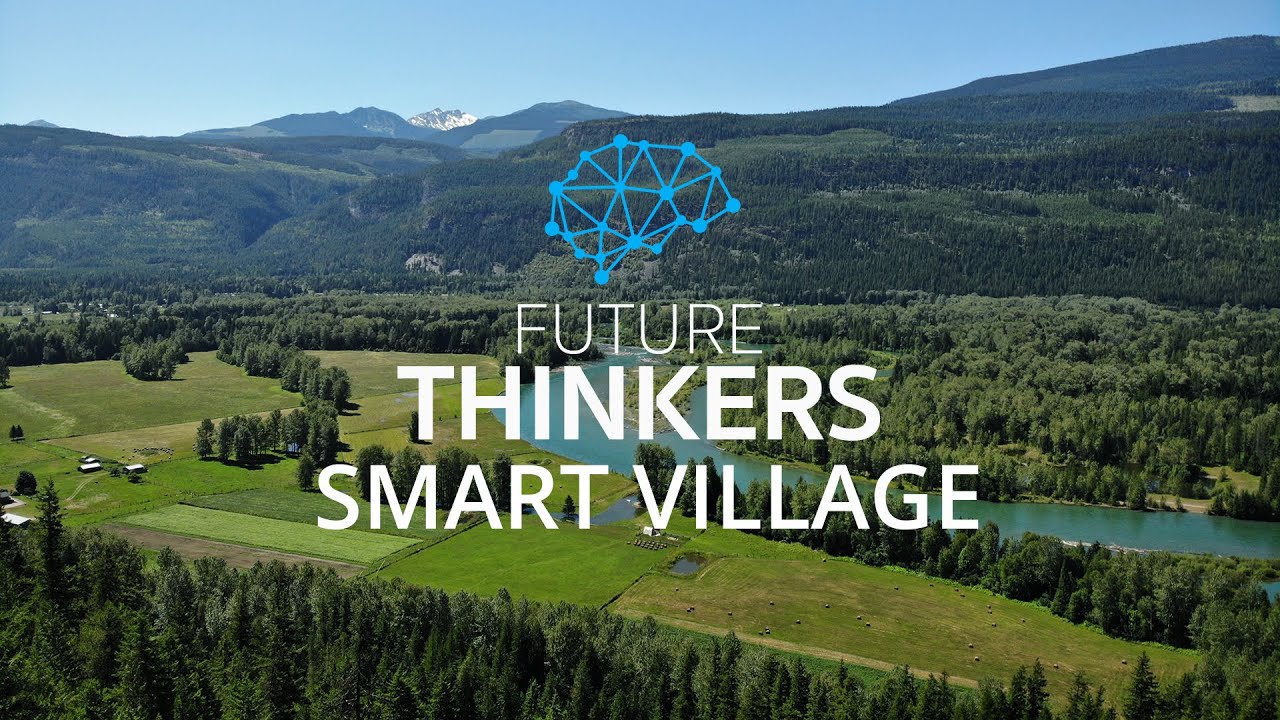
Future Thinkers Smart Village
A vision for a living lab for regenerative civilization redesign in the Interior of British Columbia, Canada.
Who Owns the Future? Ways to Understand Power, Technology, and the Moral Commons
Thomas Meier and Kristina Khutsishvili argue for a reorientation to revive the democratic lifeblood of shared meaning, moral cultivation, and civic agency.

A City Is Not a Computer: Other Urban Intelligences
<strong>A bold reassessment of "smart cities" that reveals what is lost when we conceive of our urban spaces as computers</strong> Computational models of urbanism—smart cities that use data-driven planning and algorithmic administration—promise to deliver new urban efficiencies and conveniences. Yet these models limit our understanding of what we can know about a city. <i>A City Is Not a Computer</i> reveals how cities encompass myriad forms of local and indigenous intelligences and knowledge institutions, arguing that these resources are a vital supplement and corrective to increasingly prevalent algorithmic models. Shannon Mattern begins by examining the ethical and ontological implications of urban technologies and computational models, discussing how they shape and in many cases profoundly limit our engagement with cities. She looks at the methods and underlying assumptions of data-driven urbanism, and demonstrates how the "city-as-computer" metaphor, which undergirds much of today's urban policy and design, reduces place-based knowledge to information processing. Mattern then imagines how we might sustain institutions and infrastructures that constitute more diverse, open, inclusive urban forms. She shows how the public library functions as a steward of urban intelligence, and describes the scales of upkeep needed to sustain a city's many moving parts, from spinning hard drives to bridge repairs. Incorporating insights from urban studies, data science, and media and information studies, <i>A City Is Not a Computer</i> offers a visionary new approach to urban planning and design.

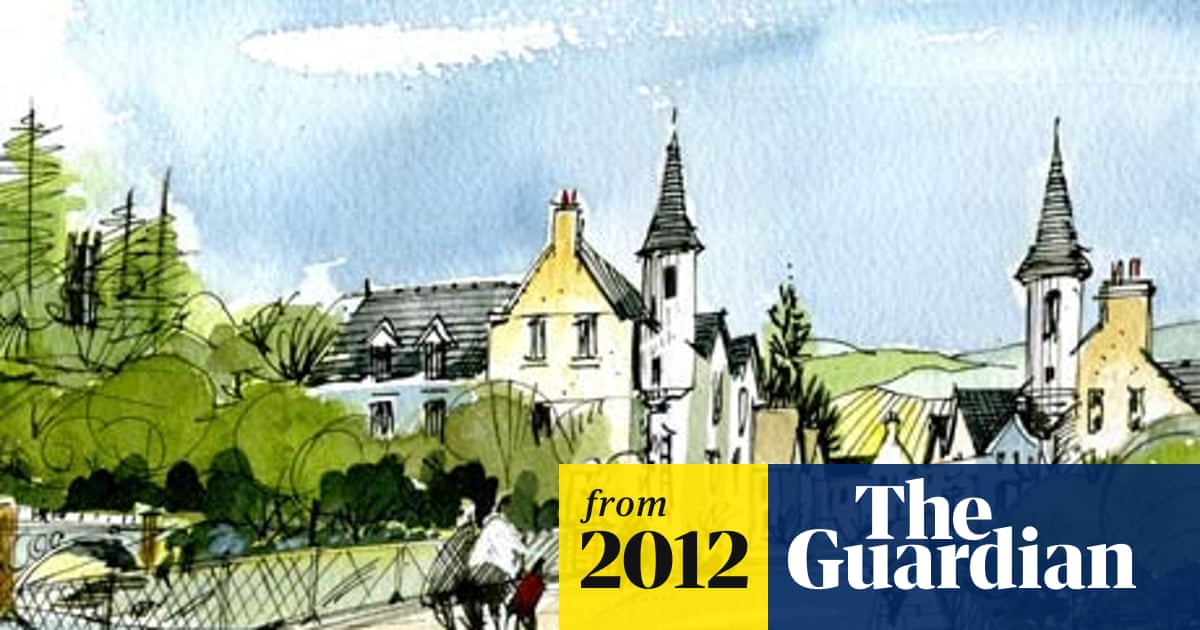
What makes a sustainable community?
Bill Burr describes Scotland's ambitious Kincluny Village project, which combines green development practices with sustainable community building
About Networked Improvement Communities (NICs)
Visit the Doug Engelbart Institute to explore his remarkable legacy and all it inspires (official site)

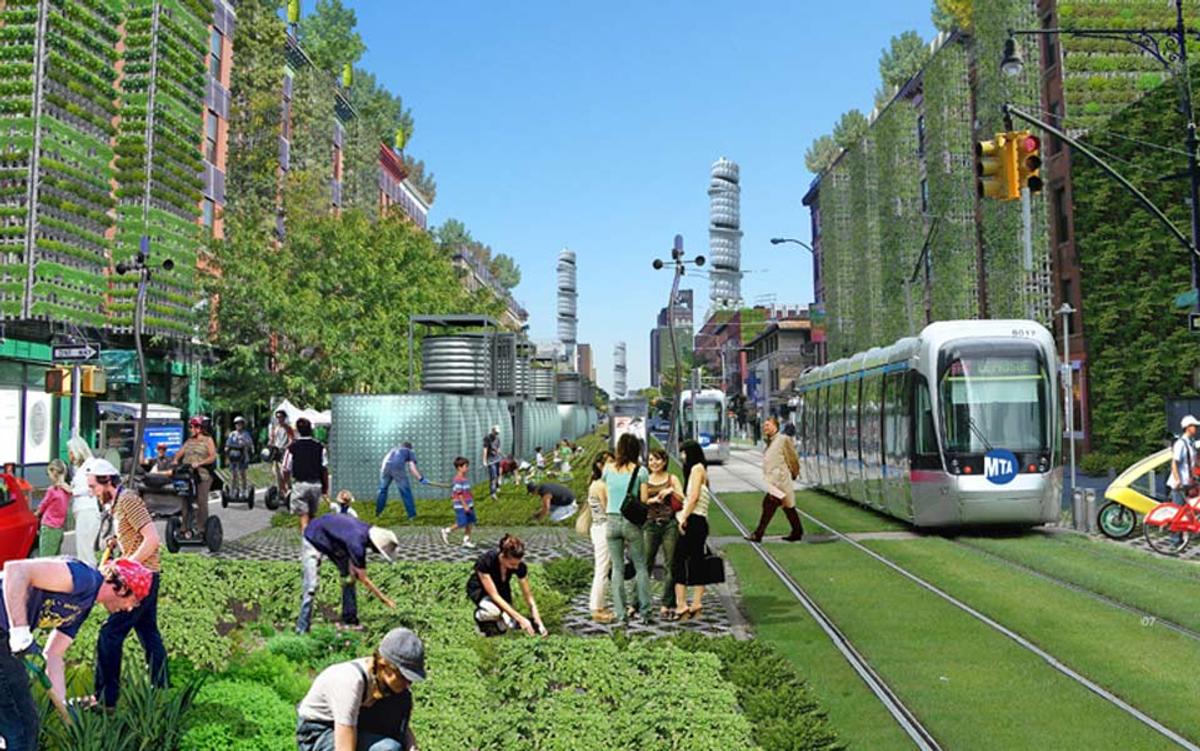
NYC: can this city-state be completely self-reliant? | Aeon Essays
Green living in NYC need not be simple living – think skyscraper farms, meat-production towers and revamped aqueducts
Projects – discover our non-empty spaces
Fostering spaces for growth is an important part of our trajectory. We seek to harness the combined power of practice, critical inquiry and creativity to address some of the issues of our times - health, environmental awareness, social equality and multilingual, trans-cultural collaborations.
Ronen Tamari
Researcher & entrepreneur | Co-founder @cosmik.network | Building @semble.so | collective sensemaking | https://ronentk.me/ | Ecosystem building @atproto.science @cairos.network | Prev- Open Science Fellow @asterainstitute.bsky.social
Built with Claude: Life Sciences – Cerebral Valley
Tuesday, Jul 7, 2026 · Remote: Built with Claude: Life Sciences will bring together researchers, clinicians, and biotech builders for a week-long hackathon in…
HOME | Institute For Collaborative Innovation | Canada's Innovation Think Tank
The Institute for Collaborative Innovation (ICI Canada) is a leading think tank driving science, technology, and innovation (STI) policy through research, collaboration, and evidence-based solutions.

Urban problems: nature-based solutions and a Green New Deal everywhere
Nature-based Solutions with localised Green New Deals could save our settlements, and provide a just transition to a low-carbon society
