


How do we make good software, and indeed, what makes software good: both as software, and in terms of its place in the world?
Not all good products make good businesses - The Intercom Blog
It's easy to assume that solving a real problem with a good product magically creates a successful software business. Sadly that’s never guaranteed.
Someone behind the software
I think good products carry something of the people who make them. Their experience, what they care about, and how they think things should work.

Why We Can't Have Nice Software - Andrew Kelley
The problem with software is that it's too powerful. It creates so much wealth so fast that it's virtually impossible to not distribute it.
Where Did Software Go Wrong? | Jesse Li
Software is broken, but it's not because of NPM, startups, AI, or venture capitalists. A deep dive into how we think about and produce code, and how our software systems reflect the manic state of the modern world.
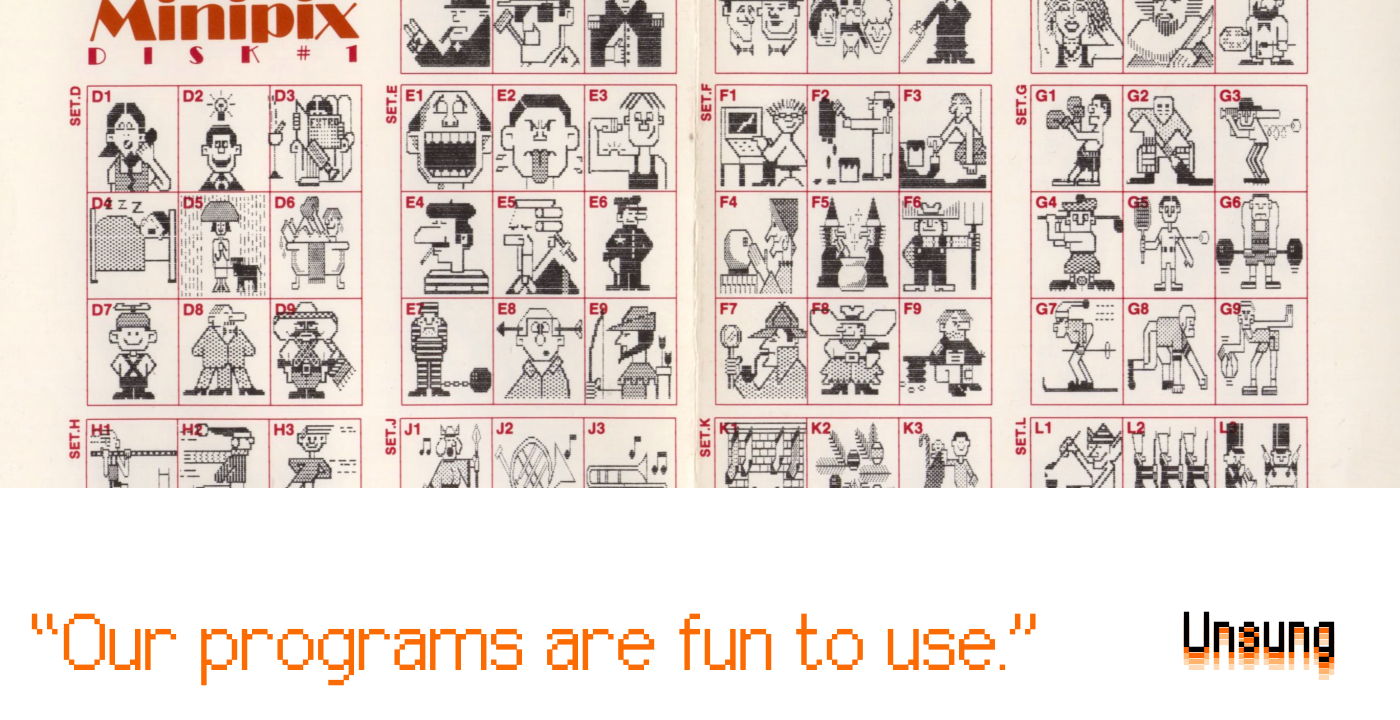
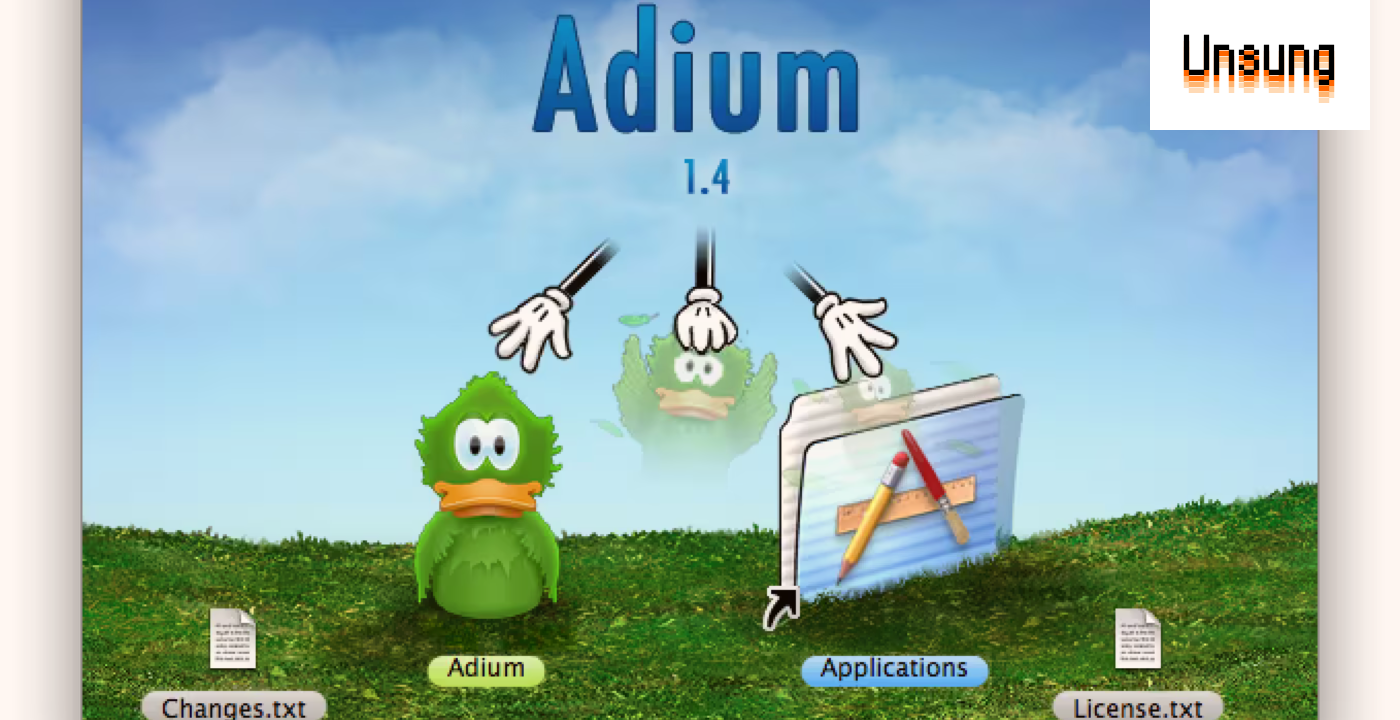
“As a Windows user, it’s a very surreal way to install a program.” – Unsung
A blog about software craft and quality
How to create software quality.
I’ve been reading Steven Sinofsky’s Hardcore Software, and particularly enjoyed this quote from a memo discussed in the Zero Defects chapter: You can improve the quality of your code, and if you do, the rewards for yourself and for Microsoft will be immense. The hardest part is to decide that you want to write perfect code. If I wrote that in an internal memo, I imagine the engineering team would mutiny, but software quality is certainly an interesting topic where I continue to refine my thinking. There are so many software quality playbooks out there, and I increasingly believe that all these playbooks work in their intended context, but are often misapplied.
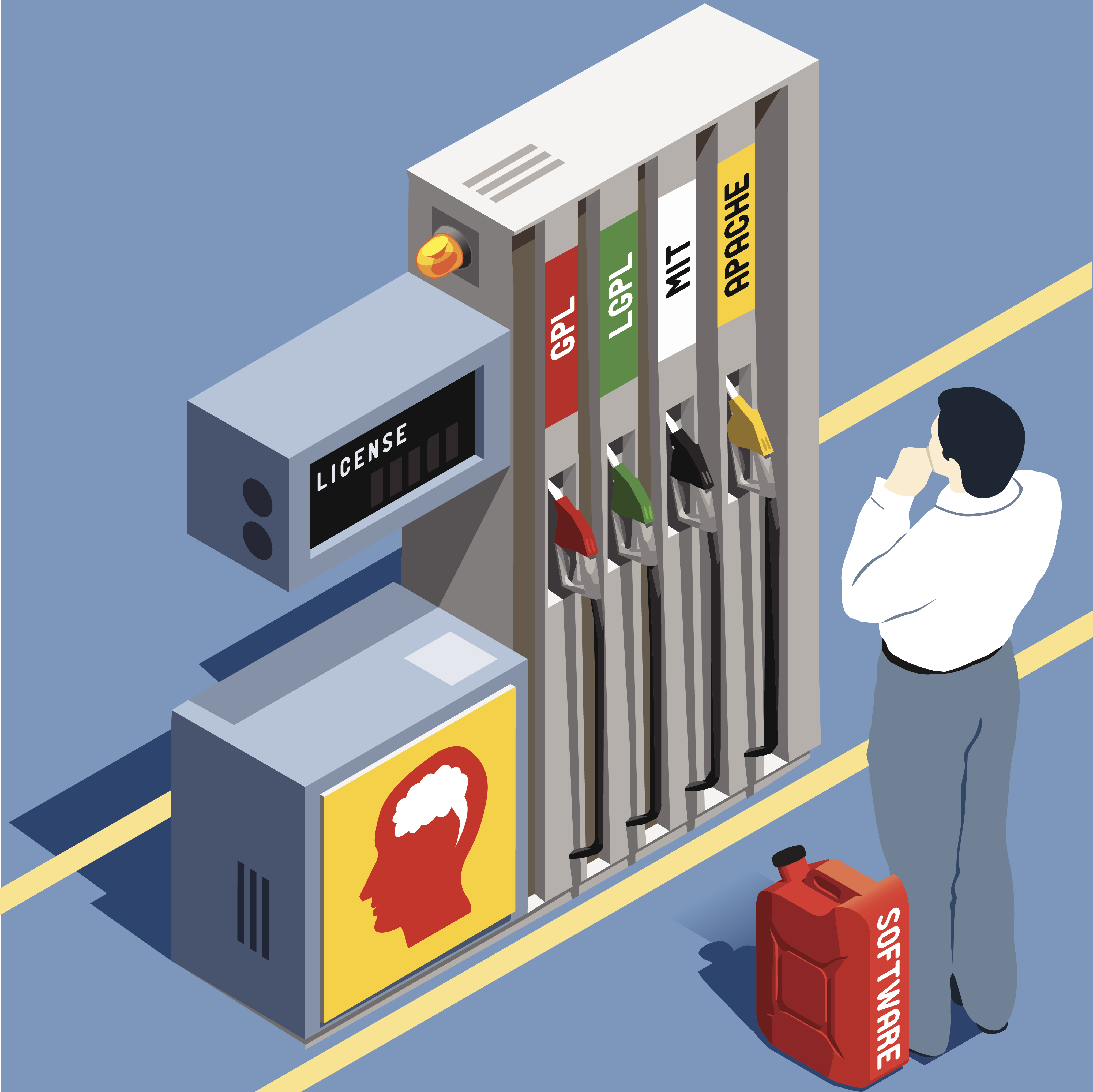
How open-source software took over the world | TechCrunch
It was just five years ago that there was an ample dose of skepticism from investors about the viability of open source as a business model. Fast-forward to today and we’ve witnessed the growing excitement in the space.
The Case for Software Craftsmanship in the Era of Vibes
From the Zed Blog: Working toward genuine, quality software in an era where code production is not the constraint anymore.
Tending Your Software Garden
Software: do you write it like a book, grow it like a plant, accrete it like a pearl, or construct it like a building? As Steve McConnell notes in Code Complete 2, there’s no shortage of software development metaphors: A confusing abundance of metaphors has grown up around software
Sustainable software manifesto
The systems we build are never neutral. They can magnify harm or support a just and sustainable society. How we build today shapes tomorrow’s possibilities.
Breaking Smart: How Software is Eating the World
21 essays on the software revolution — how agile, networked approaches are disrupting industries and remaking society. In English, German, and French.

Breaking Smart: How Software is Eating the World
21 essays on the software revolution — how agile, networked approaches are disrupting industries and remaking society. In English, German, and French.
Breaking Smart: How Software is Eating the World
21 essays on the software revolution — how agile, networked approaches are disrupting industries and remaking society. In English, German, and French.
Breaking Smart: How Software is Eating the World
21 essays on the software revolution — how agile, networked approaches are disrupting industries and remaking society. In English, German, and French.
Breaking Smart: How Software is Eating the World
21 essays on the software revolution — how agile, networked approaches are disrupting industries and remaking society. In English, German, and French.