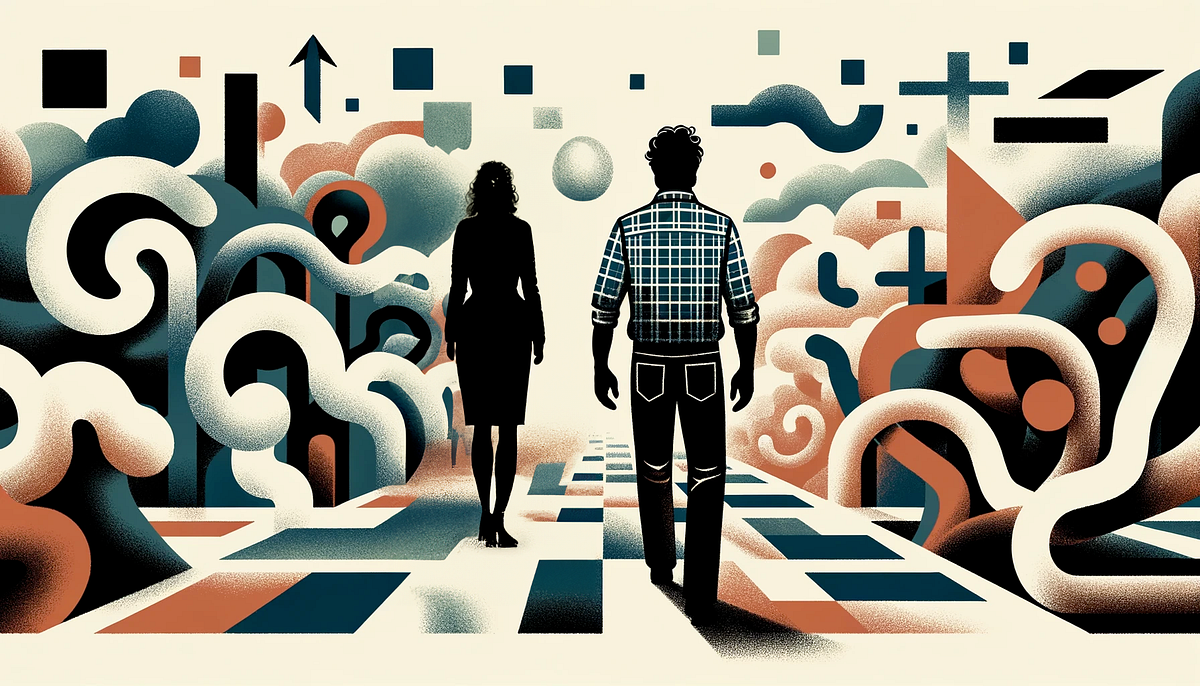
In a world that feels like it’s moving faster than ever, Smil examines how our relentless pursuit of speed – in areas such as production, travel and communication – shapes not only our technological landscape but also our social and environmental realities. And through engaging anecdotes and striking statistics, Smil challenges the assumption that faster is always better.
Brett Scott (@brettscott)
Despite all the rhetoric about automation supposedly making our lives easier, the true story being told by Big Tech is that our lives are better when speeded up You are supposed to be in an ever-accelerating race, packing more units of experience into the same unit of time, a phenomenon that requires a contraction of patience and a blurring of experience as everything quickens In the end, this is what ‘convenience’ actually is. It’s a state of being in which you become disassociated and disengaged from the texture of the world around you. You pass through it dreamlike, and suddenly wake up decades years later as an elderly person on your deathbed, thinking “WTF happened”, as then the memory slips away

How to Feed the World - Vaclav Smil
In this ambitious, myth-busting book, leading scientist and internationally bestselling author Vaclav Smil investigates many of the burning questions facing the world today:
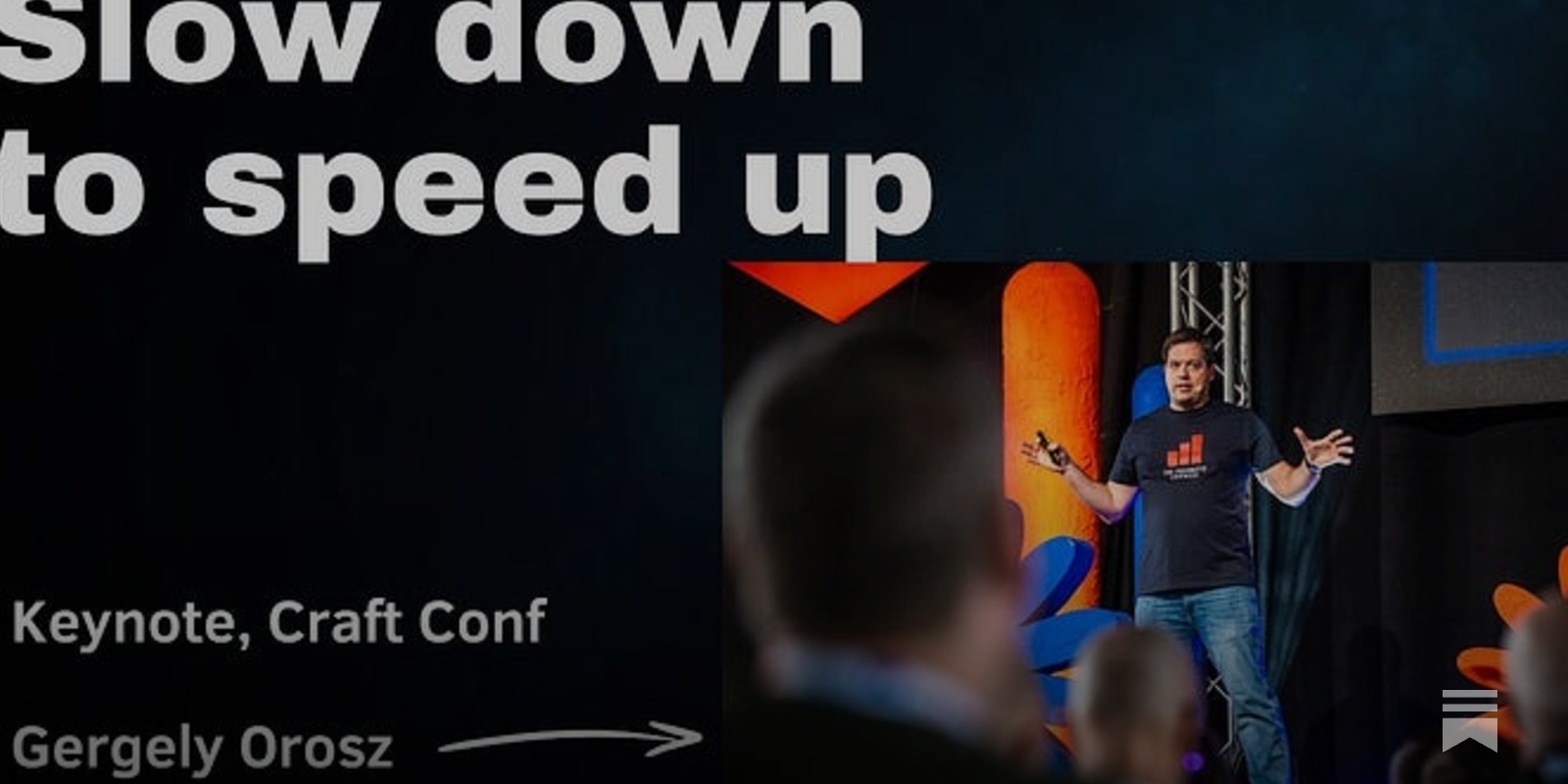
Slow down to speed up: so much has changed in 6 months’ time
An overview of what’s changed in engineering during the last six months, how various tech companies are changing how they work, and why slowing down could be a sensible strategy
🐌 Slow Software for a Burning World 🔥
In a world of “move fast and break things,” we’ve chosen a different tempo — one rooted in care, deep listening, and collective stewardship. Slow software means building for long-term resilience and meaningful participation, rather than chasing novelty, speed, or scale.
be diligent
For individuals It's challenging to work a process when it moves slower than feels appropriate. In the context of computer conversations, the tactic of s...

tech isn’t the future it’s just capitalism faster
responding with slowness in relations
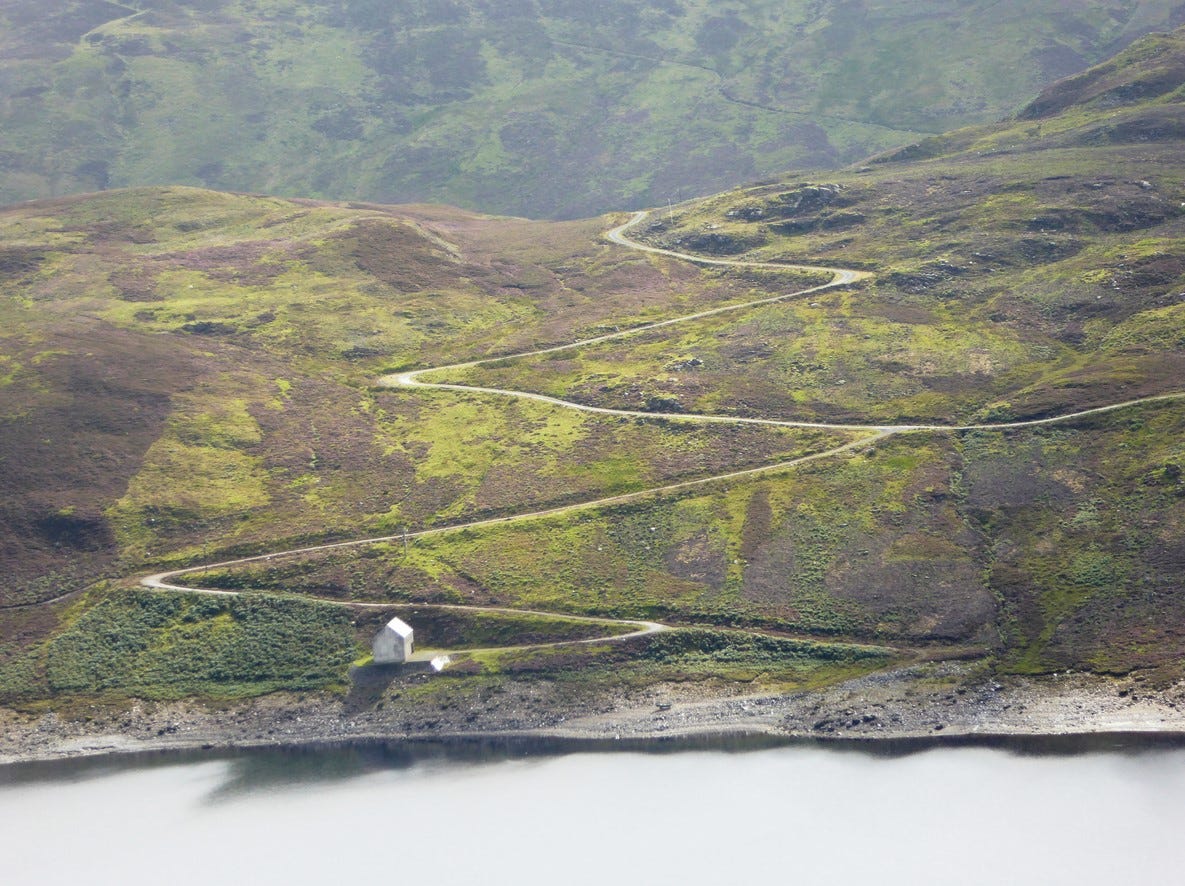
Why efficiency is dangerous and slowing down makes life better | Psyche Ideas
The urge to do everything faster and better is risky. Far wiser to do what’s good enough for the range of possible futures

Opinion | Sorry, You Can’t Speed Read (Published 2016)
Don’t be fooled by courses or digital technologies that promise otherwise.

Scott Jenson – Exploring the world beyond mobile
Fast AI requires slow thinking The current Silicon Valley flex is trading notes on your favorite new AI tools over lunch. Each week brings another one to explore. Some of these tools are very impressive; I’ve been able to reply to someone with an alternative UI design in less than a minute, and they were […]
Introducing Slow Social
I’d like to introduce you to Slow Social. Slow Social is my idea of what I wish social networks...

The Times are Urgent: Let’s Slow Down • Writings – Bayo Akomolafe
An Open Letter to CONCORD-DEEEP, CIVICUS, GCAP, Civic Society Organizations and Activists Working for a ‘Better’ World. This article is co-authored by Bayo Akomolafe and Marta Benavides. With deep gratitude for the stories of transformation now emerging across the planet, and for the renewed hope we share for a different kind of world, we greet you from our hearts.

AI, I tried to love you – Writings and rehearsals by Nathan Schneider
Among my peers who study the cultures and economies surrounding technology, I often find myself more tech-positive than most. On the whole I like computers, like the internet, and like in general the emergent human creativity that these things have enabled and revealed. A source of my appreciation is that I expend a lot of effort on the practice of “slow computing,” which is to say, choosing tools and technical communities that I can feel in right relationship with. I tend to approach new socio-technologies (like gig economies, blockchains, and social media) not from a perspective of why is this so bad? so much as asking how could we do this right?
Works in Progress: The Long Journey to Doing Good Better
The more I learn, the more I realize how much I don’t know. — Albert Einstein