

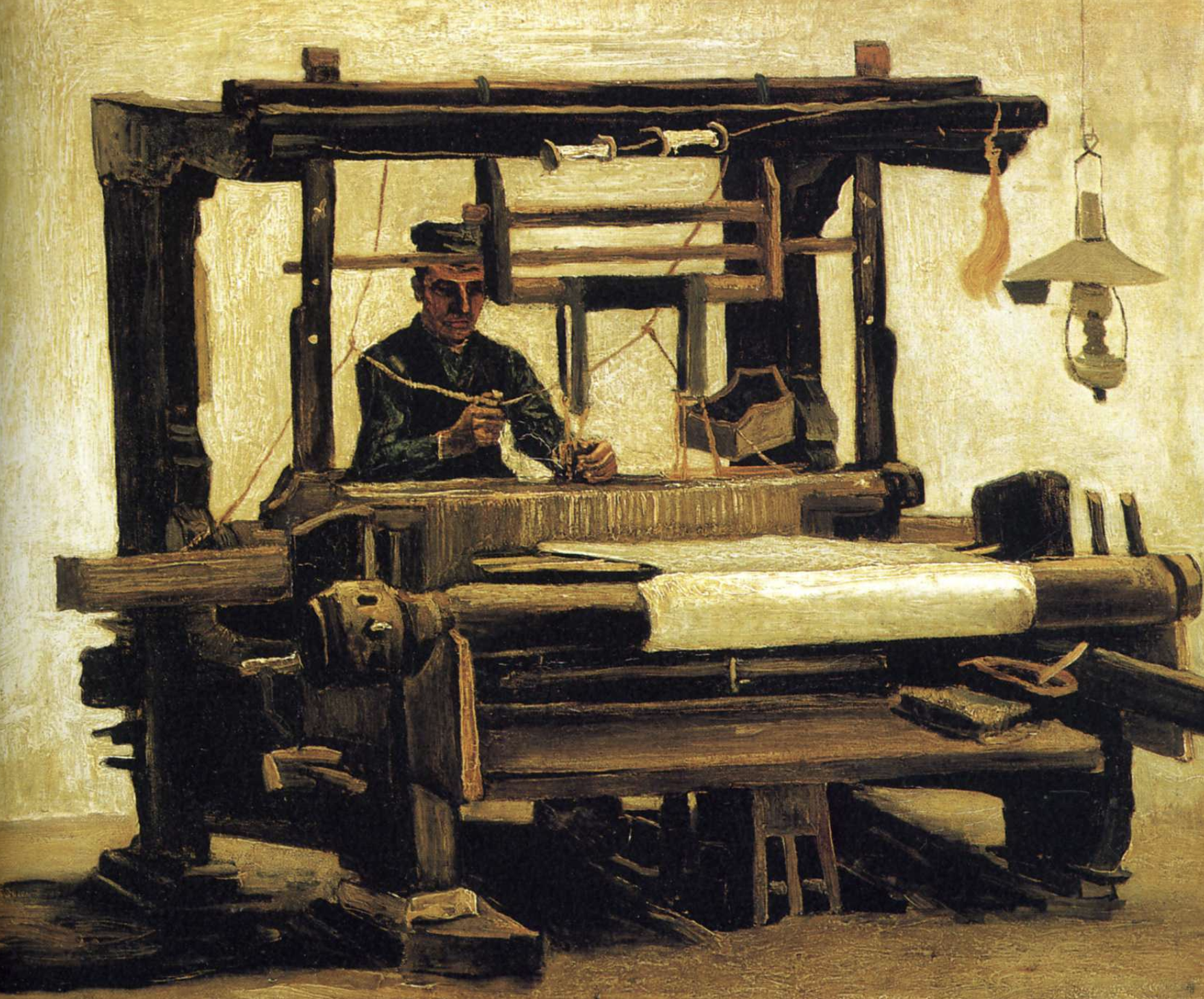
Use the tool as meant to be used.
Tool Making Follow-Up: What I Mean by Friction
Hopefully clearing up some of my vagueness to reduce misunderstanding.

To build gentler technology, practice trauma-informed design
Understanding trauma helps craft gentler user experiences.

Manifold Tool - D&D 5e (2024)
This tool takes the form of a wrench, a screwdriver, or another basic tool. As a Magic action, you can touch the item and transform it into a type of Artisan’s Tools of your choice. Whatever form the tool takes, you have proficiency with it when you use it.
Machines of Caring Grace
The goal should be to support humans, not to replace them.

Unboxing the Toolkit - Toolshed
Perhaps our toolkits can offer new ethical and pedagogical frames, reshaping the contexts for tool use – and informing the worlds we build with them.

The Machines Ran on Anguish
I The machines ran on anguish. Everybody knew that. How? “It’s very scientific.” – the Guild would say – “You wouldn’t understand.” The machines were also very dangerous, or so it was claimed. “But we
Opinion | To Make the World Better, Think Small (Published 2016)
It is easy to become numb to suffering. Feeling empathy for individual victims can overcome the numbness.

Mechanical Watch – Bartosz Ciechanowski
Interactive article explaining how a mechanical watch works.
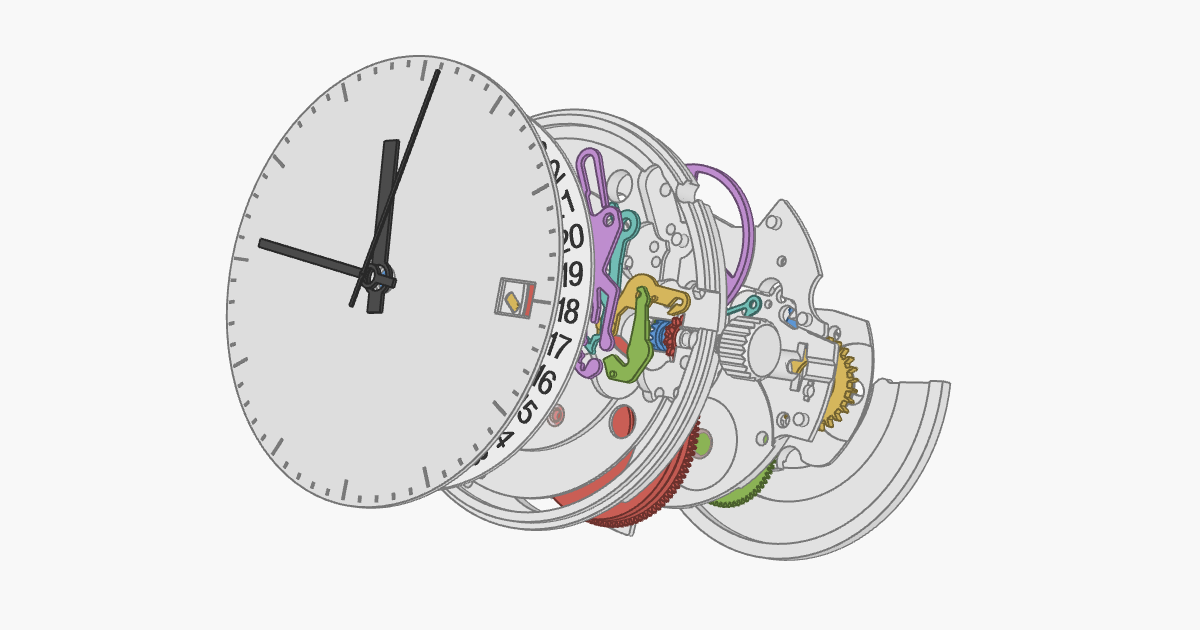
Mechanical Watch – Bartosz Ciechanowski
Interactive article explaining how a mechanical watch works.
Against Empathy
Most people see the benefits of empathy as too obvious to require justification.



Tools – The Markup
Our tools hold institutions accountable for the way they use technology, pulling back the curtain so readers can see for themselves how technology affects them.

Empathy, Thick and Thin
When we empathize with someone going through something, we often draw on our past experiences with the someone and the something. These kinds of experiences gro
