

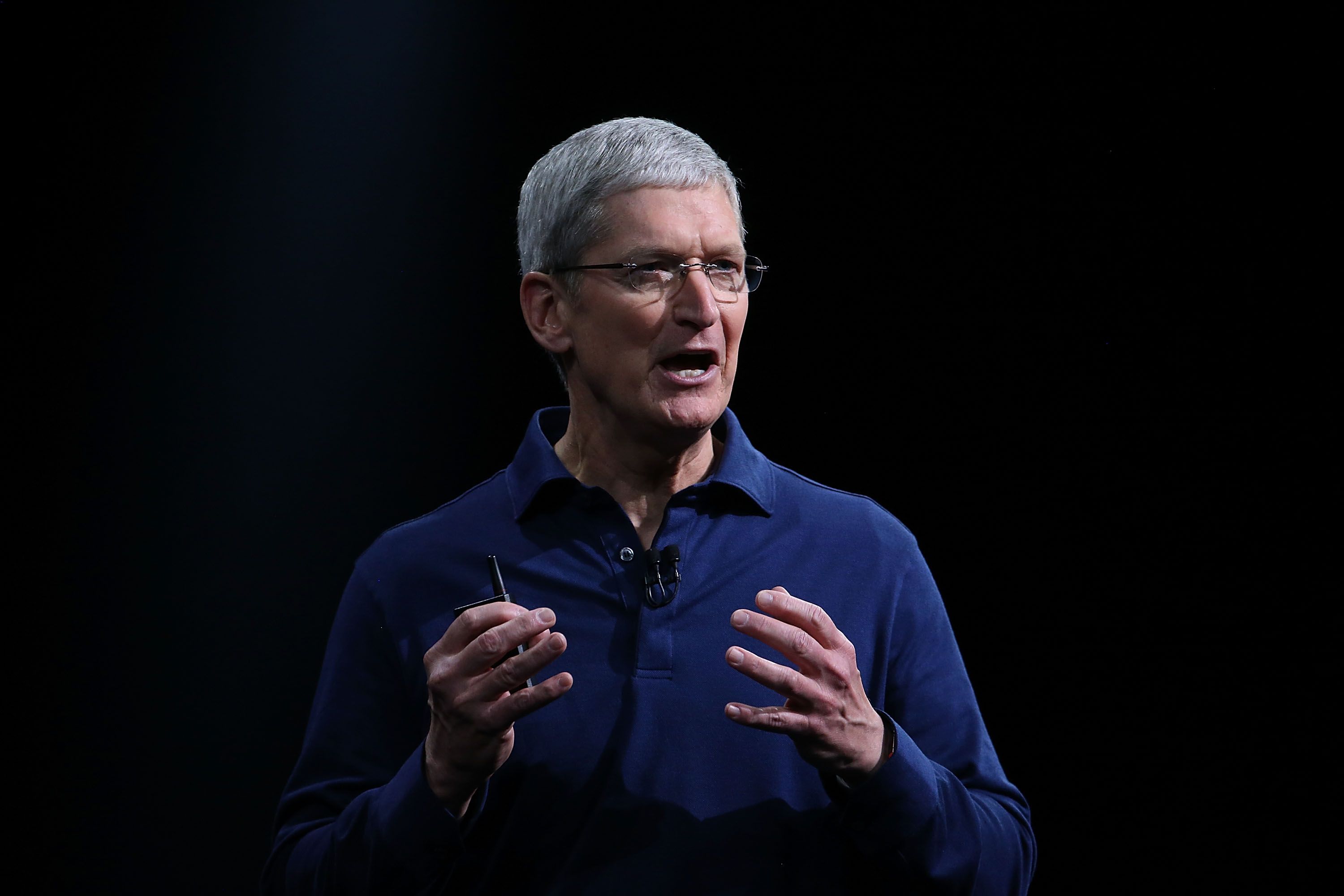
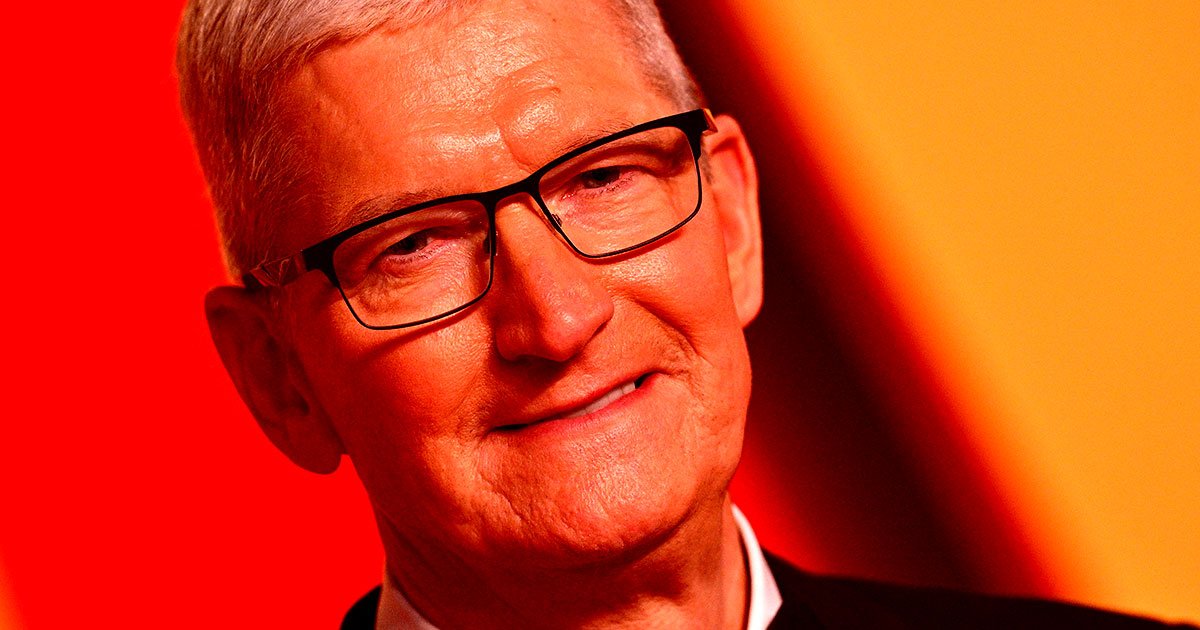
Tim Cook’s friendly approach to President Trump isn’t about politics or personal values. It’s about fiduciary duty and the capitalist system that requires CEOs to prioritize profits over principles.
Donald Trump: A Critical Theory-Perspective on Authoritarian Capitalism
This paper analyses economic power, state power and ideological power in the age of Donald Trump with the help of critical theory. It applies the critical theory approaches of thinkers such as Franz Neumann, Theodor W. Adorno and Erich Fromm. It analyses changes of US capitalism that have together with political anxiety and demagoguery brought about the rise of Donald Trump. This article draws attention to the importance of state theory for understanding Trump and the changes of politics that his rule may bring about. It is in this context important to see the complexity of the state, including the dynamic relationship between the state and the economy, the state and citizens, intra-state relations, inter-state relations, semiotic representations of and by the state, and ideology. Trumpism and its potential impacts are theorised along these dimensions. The ideology of Trump (Trumpology) has played an important role not just in his business and brand strategies, but also in his political rise. The (pseudo-)critical mainstream media have helped making Trump and Trumpology by providing platforms for populist spectacles that sell as news and attract audiences. By Trump making news in the media, the media make Trump. An empirical analysis of Trump’s rhetoric and the elimination discourses in his NBC show The Apprentice underpins the analysis of Trumpology. The combination of Trump’s actual power and Trump as spectacle, showman and brand makes his government’s concrete policies fairly unpredictable. An important question that arises is what social scientists’ role should be in the conjuncture that the world is experiencing.See also the related blog post "How The Frankfurt School Helps Us To Understand Donald Trump’s Twitter Populism"http://www.huffingtonpost.co.uk/christian-fuchs1/how-the-frankfurt-school-_b_14156190.html?utm_hp_ref=uk-donald-trumpThe German translation of this shorter piece was published in Der Falter 5/2017: 21-23.
Muskism, capitalism according to Elon Musk
Cognitive Capitalism - Public Seminar
There are broadly three ways of thinking historically about capitalism. One draws on Marx’s value theory and pretty much treats...Read More

Apple's Tim Cook makes blistering attack on the 'data industrial complex' | TechCrunch
Apple's CEO Tim Cook has joined the chorus of voices warning that data itself is being weaponized against people and societies -- arguing that the trade
Mercantilisme et capitalisme de la finitude : aux origines de l’Empire Trump | Le Grand Continent
Les seigneurs de la Silicon Valley s'installent dans l'État américain : un nouveau pouvoir disrupte le libéralisme et la démocratie. Vivons-nous un moment inédit ? Il y a quatre cents ans, une start-up de la City – la Compagnie des Indes – se lançait déjà dans une entreprise de conquête mondiale similaire. Pour expliquer Trump et Musk, Arnaud Orain renoue avec les fils de cette histoire, en forgeant un concept : le capitalisme de la finitude.
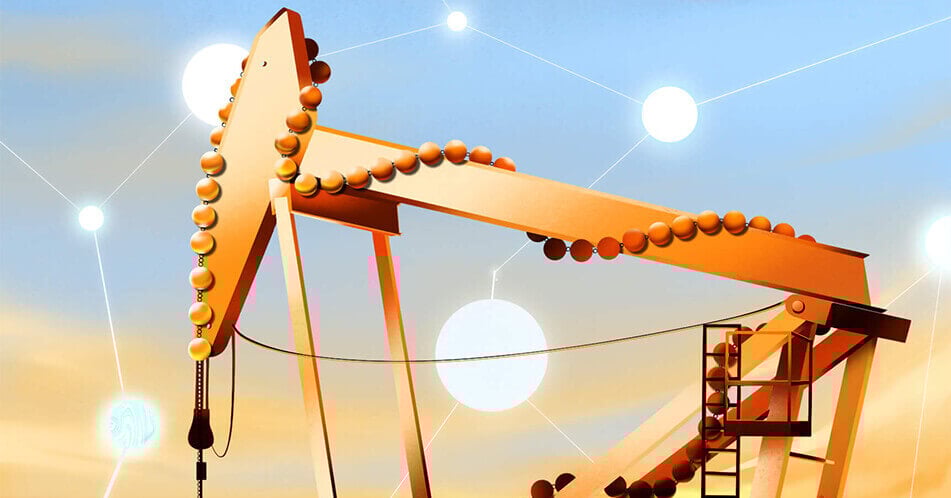
Why We Need to Confront the Billionaires’ Paradise
The UBS/PwC report on the “new Gilded Age” of the billionaire class, and the Paradise Papers reveal ways corporations and the ultrawealthy avoid taxes.

The Texan Ideology | Fred Turner
CEOs like Musk who are moving their company headquarters from California to Texas are doing so in part to flee the inequality that their industries have produced.
Elon Musk and Peter Thiel: The billionaires fomenting a global race war
The tech bros' strategy to protect their wealth is to direct fear and hostility towards 'the Other' - migrants, Muslims, the 'woke'

Jeff Bezos Is Afraid Of What Comes Next
What comes after authoritarianism and the golden age of corruption? Billionaires are desperate to abuse their control of mass media to convince you it's anything other than good faith, popular, progressive reform.
Tim Cook and Sundar Pichai are cowards
Once you’ve traded your principles for proximity to power, do you even run your own company?

Capitalist Realism: Is There No Alternative?
It is easier to imagine the end of the world than the end of capitalism. After 1989, capitalism has successfully presented itself as the only realistic political-economic system - a situation that the bank crisis of 2008, far from ending, actually compounded. The book analyses the development and principal features of this capitalist realism as a lived ideological framework. Using examples from politics, film (Children Of Men, Jason Bourne, Supernanny), fiction (Le Guin and Kafka), work and education, it argues that capitalist realism colors all areas of contemporary experience, is anything but realistic and asks how capitalism and its inconsistencies can be challenged. It is a sharp analysis of the post-ideological malaise that suggests that the economics and politics of free market neo-liberalism are givens rather than constructions. New Edition includes:Forward by Zoe Fisher, Mark’s wife, talking about Mark as a personIntroduction by Alex Niven, his friend and colleague, talking about the political significance of the book thirteen years after it was writtenAfterword by Tariq Goddard, the original editor and publisher, describing the writing and editing of the book, its original reception, and Mark’s own view of it"A quick and entertaining read." Socialist Standard "A provocative and necessary read...for anyone wanting to talk seriously about the politics of education today. " Times Higher Educational Supplement
Billionaires, Corporate Landlords, and AI Companies Are Seen As Among the Worst Actors in U.S. Society
Voters view billionaires, corporate landlords, payday loans, sports gambling, cryptocurrency, and AI companies as negatively impacting the U.S. economy and society.

One State Found a Way to Make Billionaires Pay. Your State Could Be Next.
Tim Cook Admits Apple May Never Be Able to Make Its AI Stop Lying
In a new Washington Post interview, Apple CEO Tim Cook admitted that he's not "100 percent" sure the company's AI will stop lying.
Matthew Sheffield (@mattsheffield@mastodon.social)
🧵 As a former Republican consultant who left in 2015, I'm often asked why Trump and his minions are willingly destroying science, K12 education, universities, international organizations, public broadcasting, and social welfare institutions. There are many reasons, but the main ones are psychological rather than ideological. They struggle with abstract thinking and are afraid of the world...
The scent of Musk: Power, charisma and paranoia in Silicon Valley