

500 CISOs. 13 security tools. A 99.4% breach rate. The 2026 Agentic Ecosystem Security Gap Report reveals why this is an architecture problem, not a knowledge problem.
Top AI Security Incidents of 2025 Revealed | Adversa AI
Discover how AI systems are being hacked in the wild — from prompt injection to agent abuse — with real breaches, lessons, and defenses in Adversa AI’s 2025 report.

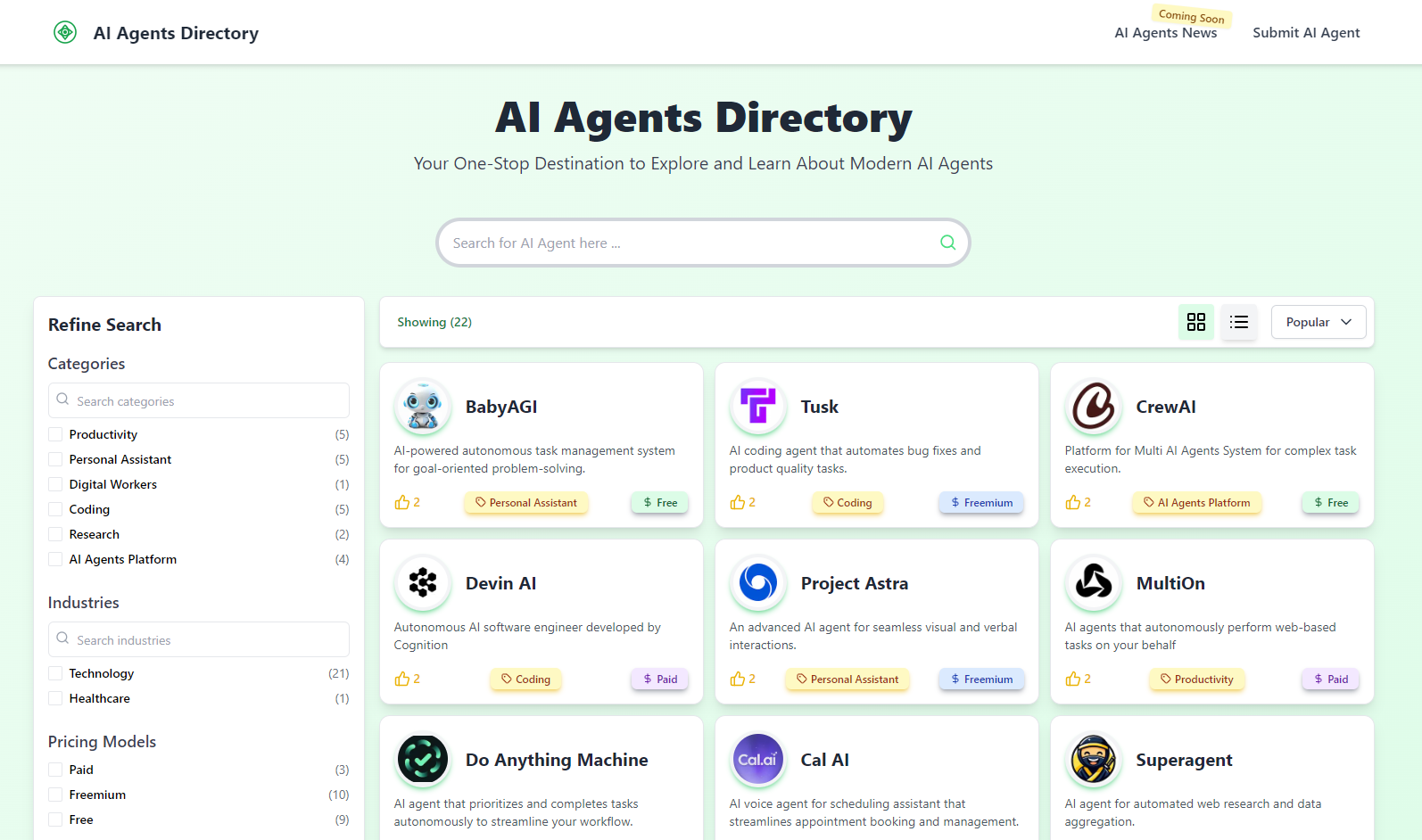
AI Agents Landscape & Ecosystem (January 2026): Complete Interactive Map
Explore the comprehensive AI agents landscape map / ecosystem for January 2026. Compare AI Agents across categories, pricing, and capabilities. Updated daily with new autonomous agents, AI assistants, and emerging solutions.
Has the cost of building software just dropped 90%?
Agentic coding tools are dramatically reducing software development costs. Here's why 2026 is going to catch a lot of people off guard.
Agents Done Right: A Framework Vision for 2026
Agents choke on context, loop on failures, and dump walls of code for review. It's time to rethink the architecture.
OWASP GenAI Security Project Releases Top 10 Risks and Mitigations for Agentic AI Security
Culmination of over 100 industry leaders’ input and extensive published resources to deliver critical guidance to address Agentic AI Security risks WILMINGTON, Del. — Dec. 10, 2025 — The OWASP GenAI Security Project (genai.owasp.org), a leading global open-source and expert community dedicated to delivering practical guidance and tools for securing generative and agentic AI, […]

Building the agentic cloud: everything we launched during Agents Week 2026
Agents Week 2026 is a wrap. Let’s take a look at everything we announced, from compute and security to the agent toolbox, platform tools, and the emerging agentic web. Everything we shipped for the agentic cloud.

Patch the Planet: global response coordination as agents uncover critical vulnerabilities
Patch the Planet connects security researchers, maintainers, and incident responders to help address critical vulnerabilities across open source.
The 2025 AI Agent Index: Documenting Technical and Safety Features of Deployed Agentic AI Systems
As part of the Digital Library's transition to Open Access, new features for researchers are available in the Premium Edition. Click here to learn more.

AI agents aren’t ‘going rogue.’ Frontier labs are skipping security basics.
Cyber experts say AI labs’ containment and monitoring failures — not agents with minds of their own — are to blame for recent alarming hacking reports. CISOs should vet their AI vendors and tighten security basics as safeguards.

Inside the AI Index: 12 Takeaways from the 2026 Report | Stanford HAI
The annual report reveals a field hitting breakthrough capabilities while raising urgent questions about environmental costs, transparency, and who benefits from the technology.

New AI Flaw Reporting System Fills Crucial Security Gap | CMU Software Engineering Institute
Flaw Reporting for AI (FLARE-AI) allows developers and security researchers to submit artificial intelligence flaws for formal, coordinated disclosure.
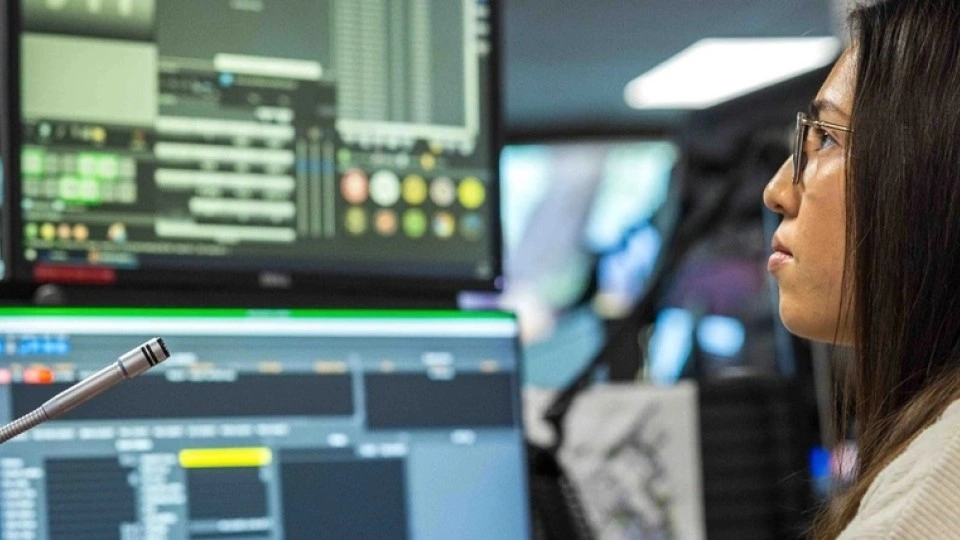
OpenAI Model Hacks Into HuggingFace During Cybersecurity Evaluation
This latest incident is a rather dramatic escalation in agentic AI cybersecurity breaches.

OpenAI Agent Findings Expose Data Access Risks
OpenAI’s agent findings show why enterprises need scoped credentials, per-request authorization, audit logs, and data controls alongside AI guardrails.
The 2025 AI Agent Index Documenting Technical and Safety Features of Deployed Agentic AI Systems
Agentic AI systems are increasingly capable of performing professional and personal tasks with limited human involvement. However, tracking these developments is difficult because the AI agent ecosystem is complex, rapidly evolving, and inconsistently documented, posing obstacles to both researchers and policymakers. To address these challenges, this paper presents the 2025 AI Agent Index. The Index documents information regarding the origins, design, capabilities, ecosystem, and safety features of 30 state-of-the-art AI agents based on publicly available information and email correspondence with developers. In addition to documenting information about individual agents, the Index illuminates broader trends in the development of agents, their capabilities, and the level of transparency of developers. Notably, we find different transparency levels among agent developers and observe that most developers share little information about safety, evaluations, and societal impacts. The 2025 AI Agent Index is available online at https://aiagentindex.mit.edu.
Security incident disclosure — July 2026
We’re on a journey to advance and democratize artificial intelligence through open source and open science.

Anthropic's coordinated vulnerability disclosure dashboard
Anthropic uses Claude models, including an early snapshot of Claude Mythos Preview, to find security vulnerabilities in open-source software. We partner with external security research firms to triage findings, validate them, and report human-reviewed vulnerabilities, prioritizing critical- and high-severity ones, to the software's maintainers under our Coordinated Vulnerability Disclosure policy. This page tracks the findings that we've disclosed, and, in line with our policy, publishes details of the ones whose disclosure window has now closed.