


Local-First Software Unconference · Luma
On Sat September 23, 2023, immediately following the Strange Loop conference, we are holding a community event for everybody interested in local-first software…

A New Wave of Peer-to-Peer Apps Heralds a Farm-to-Table Internet
This week, we discuss the local-first computing movement and its push to reduce our reliance on the corporate-owned, cloud-based software tools we use every day.
The next wave in software is open adoption software | TechCrunch
There’s a big shift happening in how enterprises buy and deploy software. In the last few years, open technology -- software that is open to change and free to adopt -- has gone from the exception to the rule for most enterprises. We’ve seen the IT stack redrawn atop powerful open-source projects, with developers opting for an “open-first” approach to building solutions.

Basic | The Personal Computing Platform
We build products, tools, and standards to make computers more personal.


Native Development
I’ve been on a long-term quest to find a simple, fast, and user-friendly way to develop native applications for a variety of platforms, and this page holds ...

Local-first Software
Exploring software architecture that returns data to users and enables collaboration in every tool.
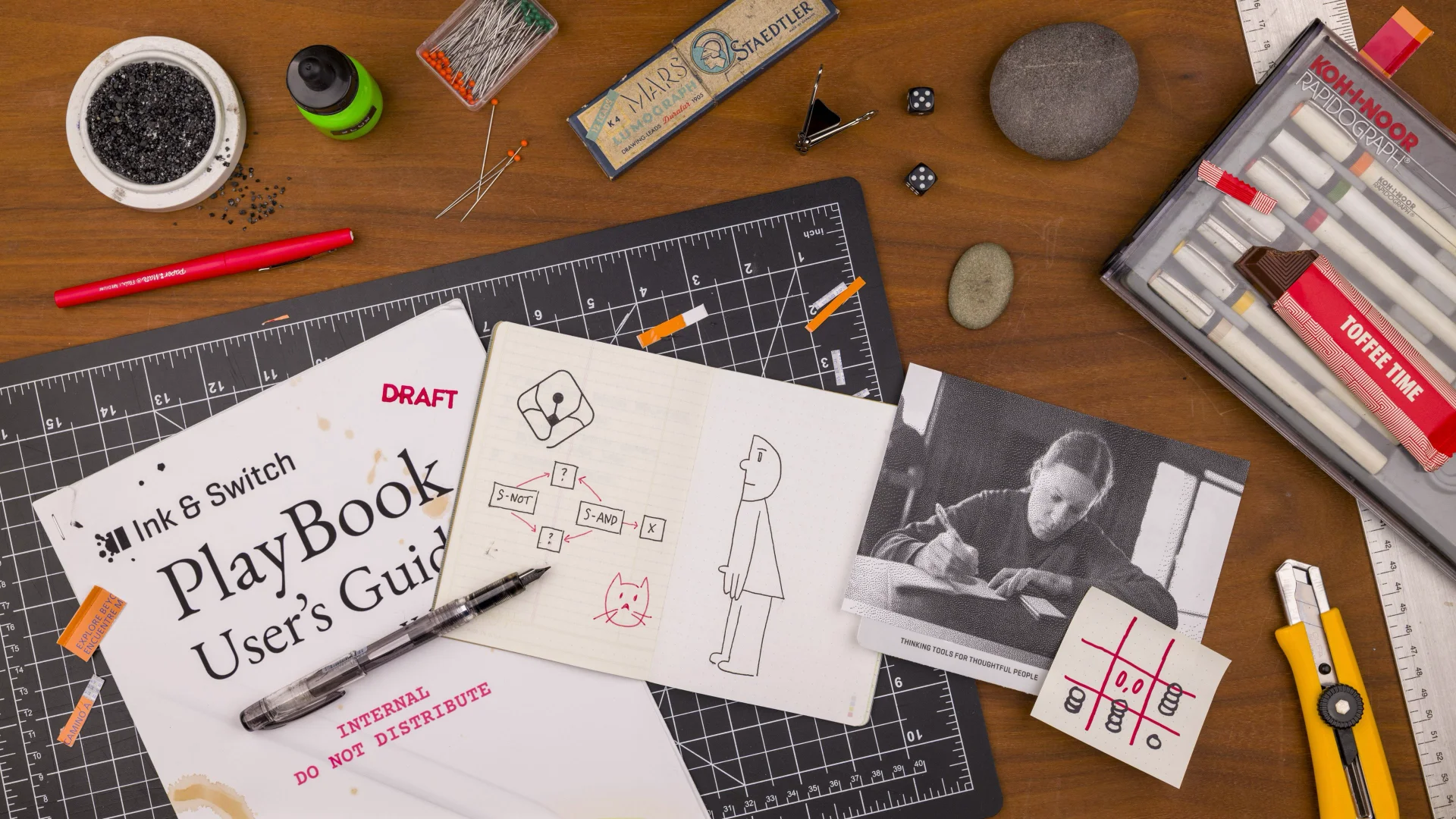
DWeb Virtual Meetup — Jan 2025 — Latest in the DWeb Ecosystem
DWeb Virtual Meetup (January 2026) featuring speakers sharing their latest DWeb product releases and community organizing efforts. SPEAKERSmauve signweaver, Awana Digital: Awana Digital supports those working to defend their human and environmental rights, but who lack the tools to do so. Their local partners represent marginalized communities worldwide, including Indigenous Peoples and ethnic minorities. They train local partners to use basic digital tools to gather, share, and manage information about environmental and human rights infractions. mauve presented CoMapeo Abare, an open-source local-first Android app designed with Indigenous communities, to enable non-technical users to easily map and document biodiversity, environmental threats, and human rights abuses.Blaine Cook, New_ Public: New_ Public is a nonprofit focused on building digital public spaces that foster connection, facilitate pluralism, and encourage civic engagement. Blaine presented Roundabout, their new social app and website to improve information sharing in rural and suburban towns, and city neighborhoods — areas with about 10,000-50,000 people.Afri Schoedon, Department of Decentralization (DoD): The Department of Decentralization is a collective of people from Berlin, who first assembled in 2018 to organize ETHBerlin hackathon. They aim to be an agnostic vehicle to drive adoption, educate newcomers, and raise awareness of the challenges and benefits of decentralization and open-source software. Afri shared their experience of previous DoD events and share the technologies and approaches that their collective sees as being on the horizon of network decentralization.Facilitated by DWeb Senior Organizer, mai ishikawa sutton

Miren - Everything You Need. Everywhere You Need It.
Miren is a deployment platform designed for small teams that provides tools to deploy, manage, and scale applications.

Firstimer - a long way to complete my first app package
I am not a developer, though I have been working with computers for nearly 40 years. I use apps on Cloudron, configure them to suit my specific use cases, …
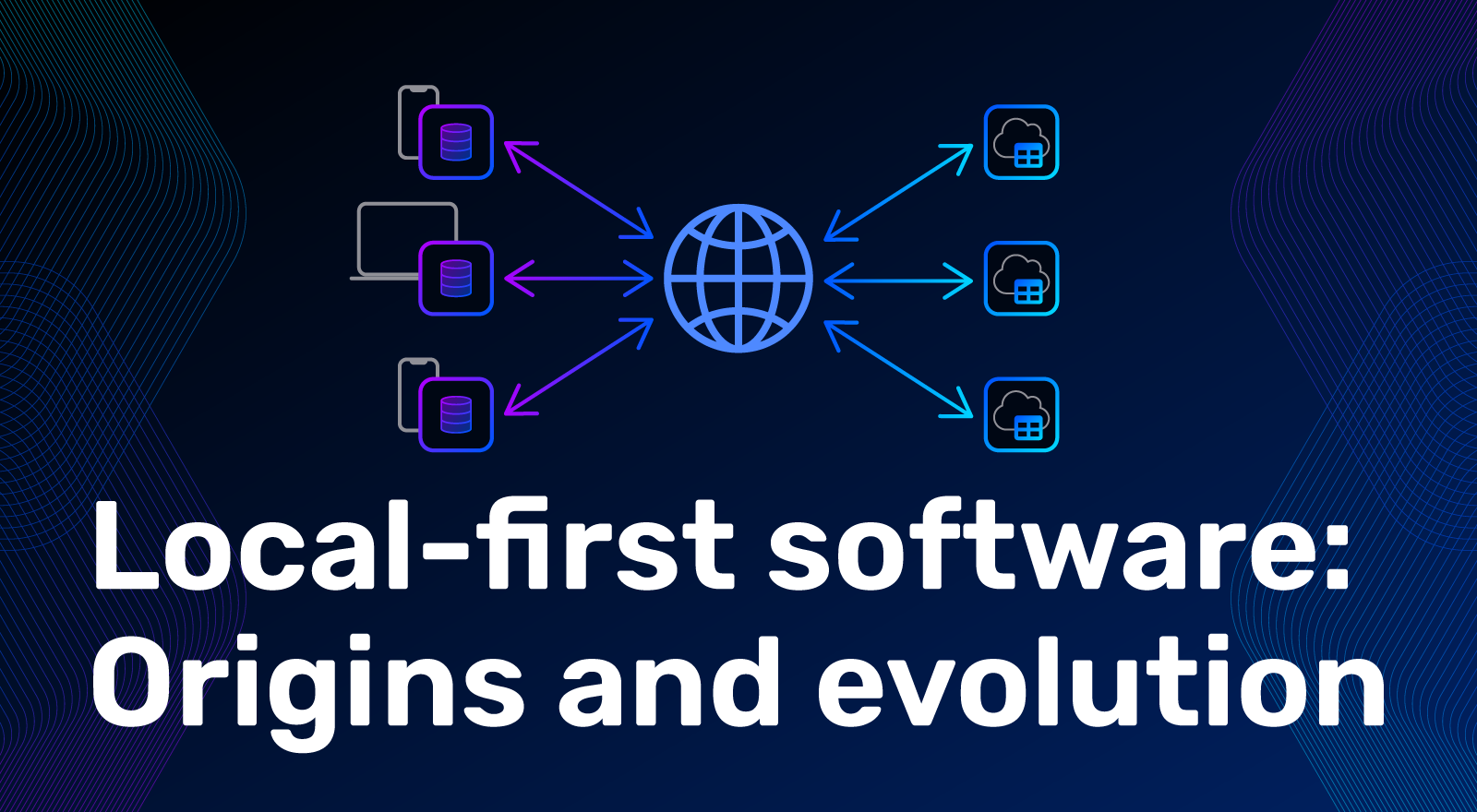
Local-First Software: Origins And Evolution
Developer interest in local-first software is continuing to grow rapidly in 2024. At the same time, it’s also apparent that developers currently have different views on what they consider to be ‘local-first software’, ranging from narrower to broader definitions. This prompted us to take a closer look at the origins and evolution of local-first.
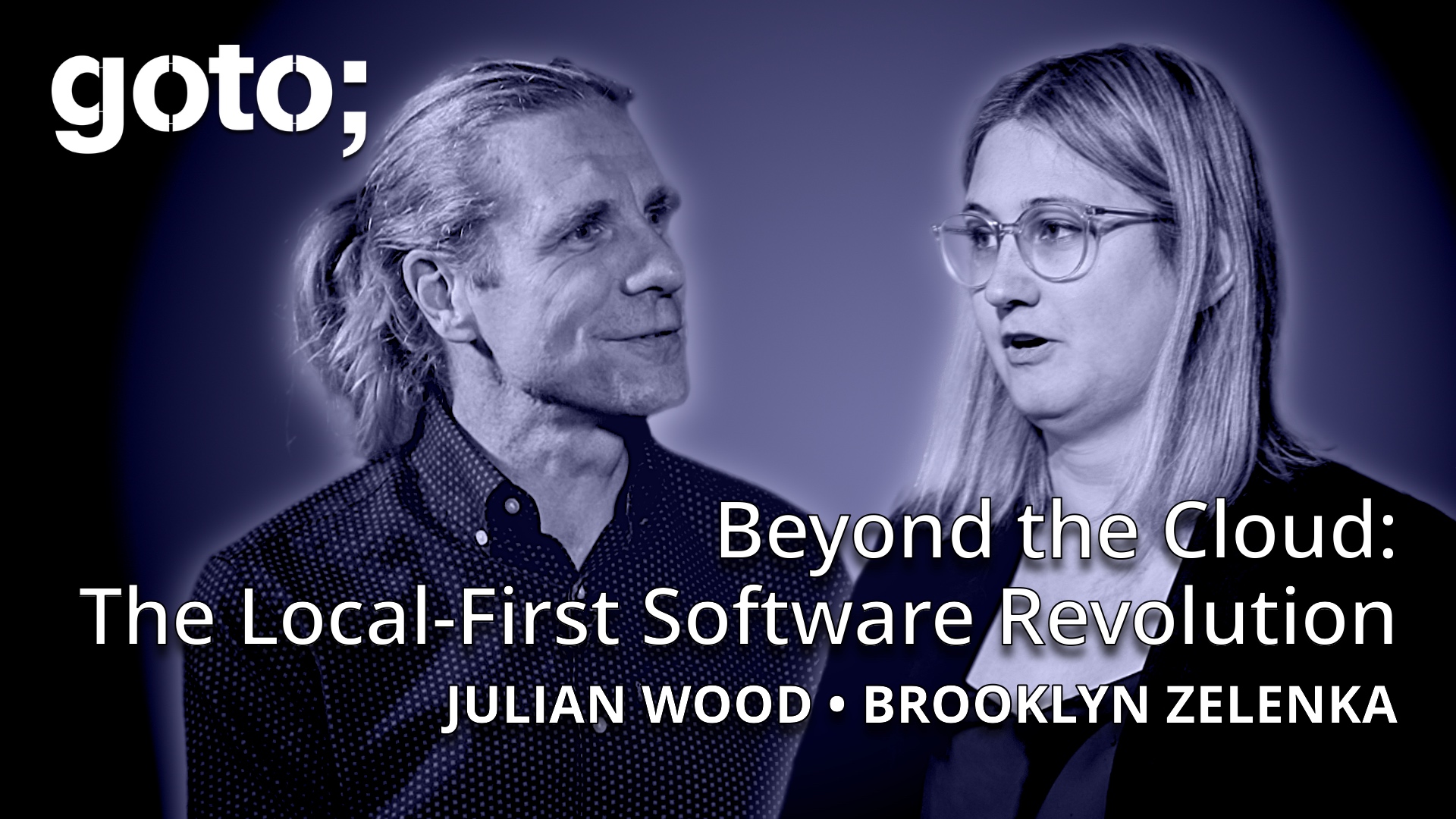
Beyond the Cloud: Brooklyn Zelenka on Local-First Software
Why rely on the cloud when your devices are already powerful? Brooklyn Zelenka explains how local-first computing is revolutionizing software development for collaboration without constant connectivity.
Nailed it, @komorama.bsky.social We have a huge opportunity here – there's no reason the future user interface for *all your computing* needs to be tied to OpenAI. We can build a new, uniquely personal computer that you own, without your entire digital life being locked to one company or provider.
