Thomas Ammann Fine Art initiates the ongoing Andy Warhol Catalogue Raisonné: Paintings, Sculptures, and Drawings project.
Pierre d'Alancaisez: The Crisis in Contemporary Art
PatternsandEros — Anggrek
Anggrek Agency Contemporary Art Agency and Exhibition Space in Zurich Switzerland

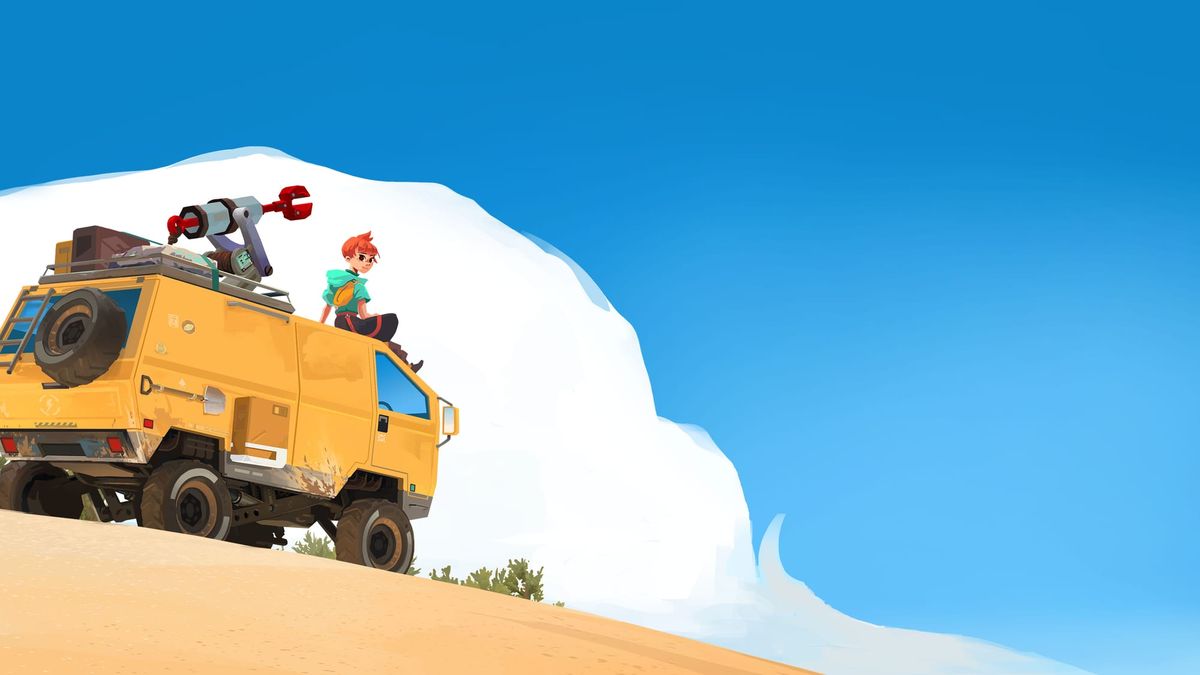
A Showcase Of Caravan Sandwitch's Beautiful Art
We chat with art director Charles Boury about the game's various visual inspirations.

An Archive of Commercial Illustration (c. 1950-75)
Illustrator Zara Picken maintains an archive of commercial illustration from the mid-20th century. So much throwback inspiration here!

What Art Does: An Unfinished Theory
Why do we need art? What Art Does is an invitation to e…

HENRYK™️ on Instagram: "Ultra Matte ‘Yves fade’ #001 collab @amelia.axton off to Turkey 🇹🇷 @sadikgundemir working with @noyanberkmaninteriors . . . ‘Using concrete, polymer and pigment, Henryk’s gestural abstracts push the limitations of painting. The Sydney-based artist’s work is textural to the point of appearing sculptural, and this bold physicality is matched by the paint colours he creates.’ @henryk_studio . . . #abstractart #abstractpainting #texturepainting #henryk #painting #australianpainters #australianartists #solidstate #blackbase #wetpaint #contemporarypainting #contemporaryartist #blue #australianartist #textureporn #texturepainting #yvesklein #yveskleinblue #yveskleinbleu #artistinresidence #gestural #gesturalabstraction #artandfashion #diyart #stroke #henryk #ombreblue #ombrefade #bluetoblack #blueartwork"
5,603 likes, 41 comments - henryk.studio on December 19, 2022: "Ultra Matte ‘Yves fade’ #001 collab @amelia.axton off to Turkey 🇹🇷 @sadikgundemir working with @noyanberkmaninteriors . . . ‘Using concrete, polymer and pigment, Henryk’s gestural abstracts push the limitations of painting. The Sydney-based artist’s work is textural to the point of appearing sculptural, and this bold physicality is matched by the paint colours he creates.’ @henryk_studio . . . #abstractart #abstractpainting #texturepainting #henryk #painting #australianpainters #australianartists #solidstate #blackbase #wetpaint #contemporarypainting #contemporaryartist #blue #australianartist #textureporn #texturepainting #yvesklein #yveskleinblue #yveskleinbleu #artistinresidence #gestural #gesturalabstraction #artandfashion #diyart #stroke #henryk #ombreblue #ombrefade #bluetoblack #blueartwork".

Database of 16,000 Artists Used to Train Midjourney AI, Including 6-Year-Old Child, Garners Criticism
Artists included Warhol, Picasso, Cezanne, van Gogh, Anish Kapoor, Yayoi Kusama, Gerhard Richter, Frida Kahlo, and Banksy.

Interface Realisms: The Interface as Aesthetic Form
Until now, digital arts have largely been understood to belong in traditional genres or forms of art: we are said to have electronic literature, net.art, or electronic, techno music. Sometimes interesting discussions have arisen concerning the very ontology of digital art, and questions such as whether net.art should be seen within the tradition of the visual arts or as a form of literature connecting it to the different traditions and questions regulating these arts.[1] While it is not my intent to disconnect digital art from traditional art, or to argue for the irrelevance of the traditional forms of art, I will in the following establish the interface as an aesthetic and critical framework for digital art.
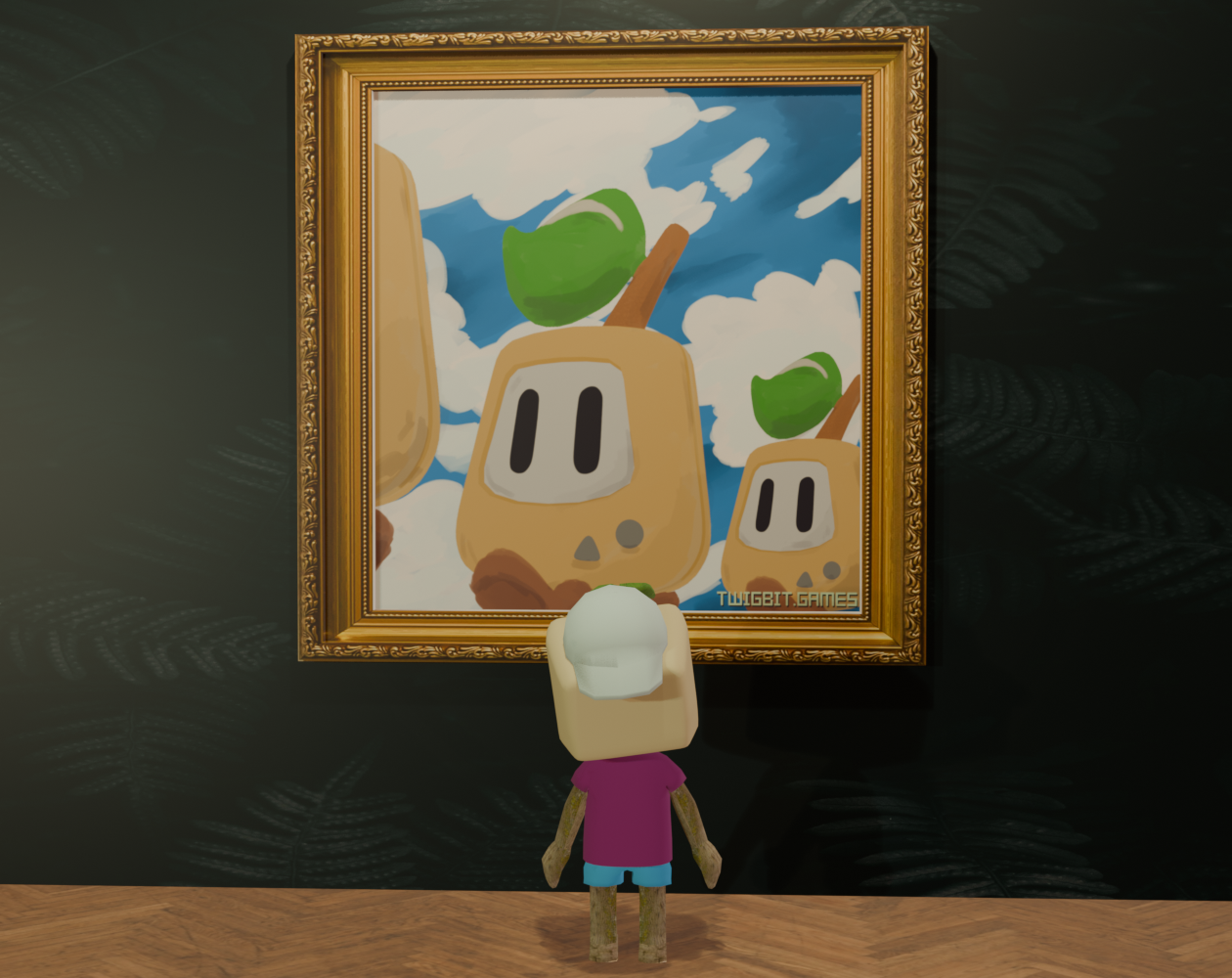
Sky Museum
A full 3D gallery where you can explore Bluesky feeds and art shares like the works of art they truly are.
Pinterest is Dead. I Built an Alternative
Arts Technologies - Serpentine Galleries
Serpentine's Arts Technologies programme explores the impact of technology through art, research and experimental projects.

Artist Corporations: A groundbreaking structure for creative people
Creative people deserve the same economic advantages as everyone else. So we’re going to build it together.
The Great Season — 13FOREST Gallery
On Friday, January 24, 13FOREST Gallery will open The Great Season, an exhibition of new and recent acrylic work by painter Nicole Duennebier. Dark and sumptuous, The Great Season highlights a fantastical six-panel painting that associates the random beauty of nature with an elaborate 19th-century parlor game. Set against black backgrounds, Duennebier’s complex forms strongly refer to Baroque still-life paintings in which fruits and vegetables simultaneously emerge and pass into different stages of maturity. A key difference in Duennebier’s work is that, rather than render images of everyday objects, she bases them on her fascination with biology, particularly bacteria, fungi and other objects hidden from view. Referring to her use of darkness, the artist states that her inky backgrounds are “like a primordial soup, a pool of black that springs forth a decadent and sometimes horrible growth.” Each of the paintings in the show is associated with lush proliferation. In Bright Beast After Nature, for instance, a black background gives rise to a nebula of unfolding, biomorphic forms that seem to divide and overtake one another. Painted in thin, translucent layers, the work suggests a still life captured in only one of many stages it will eventually pass through. With Bright Beast Dissected View Duennebier gives an equally fantastic image of the engine behind such proliferation. Similar to vivisections seen in science textbooks, the painting shows the surface of a soft, woolly plant and the interior, biological source of its existence. In content the “engine” plays with the idea of a still life, but one made of flowers, vegetables and animal viscera. Duennebier’s centerpiece in The Great Season is a vast, six-panel painting titled, Hydnellum Myriorama. Its title refers to a type of fungus found in nature and to a Victorian card game – myriorama – in which children could arrange a series of illustrated cards to form hundreds of different landscapes. In Duennebier’s six panels are hybrid images that resemble Baroque still lifes, coral, fur, crystals and close-ups of microscopic fauna. Each of the forms emerges from nothing and stands bathed in a common light source. Despite the panels’ differing environments, Duennebier negates their importance by enabling viewers to arrange the panels into aesthetic experiences of their own choice. With Hydenellum Myriorama, the random potential of generation and decline in nature is given its parallel in art. Of her own work Duennebier states: “My interests in natural phenomenon (dermoid cysts, fungus, invasive flora/fauna) and my love of candied Old Master opulence always seem to be present in my painting… Painting with attention to detail, I’ve become accustomed to the fact that nature in itself, or anything living really, never totally allows you to have a perfectly idealized experience. Everything is always spewing, dripping, rotting a little.”