Google Chrome is a browser that combines a minimal design with sophisticated technology to make the web faster, safer, and easier.
Chrome Web Store
Add new features to your browser and personalize your browsing experience.
Introduction to Google Chrome Extensions
Forget the Fate of Chrome, Focus on the Fate of the Browser
In debating what undoubtedly won't happen, we're looking past some key things that are -- and might...

Flash and Chrome
Chrome will de-emphasize Flash in favor of HTML5, giving you improved security, reduced power consumption and faster page load times.

Announcing Supporters of Chromium-based Browsers
Since Google announced the Chromium project in 2008, we have been excited to build on the great foundations of open-source web browsers and contribute to the continued d…
Chrome for iOS
ChromeAlone: Transforming a Browser into a C2 Platform
ChromeAlone - A Browser Based Cobalt Strike Like C2 Tool That Turns Chrome Into a Hacker’s Playground
ChromeAlone — a Chromium-based browser Command & Control (C2) framework capable of replacing traditional offensive security implants like Cobalt Strike.

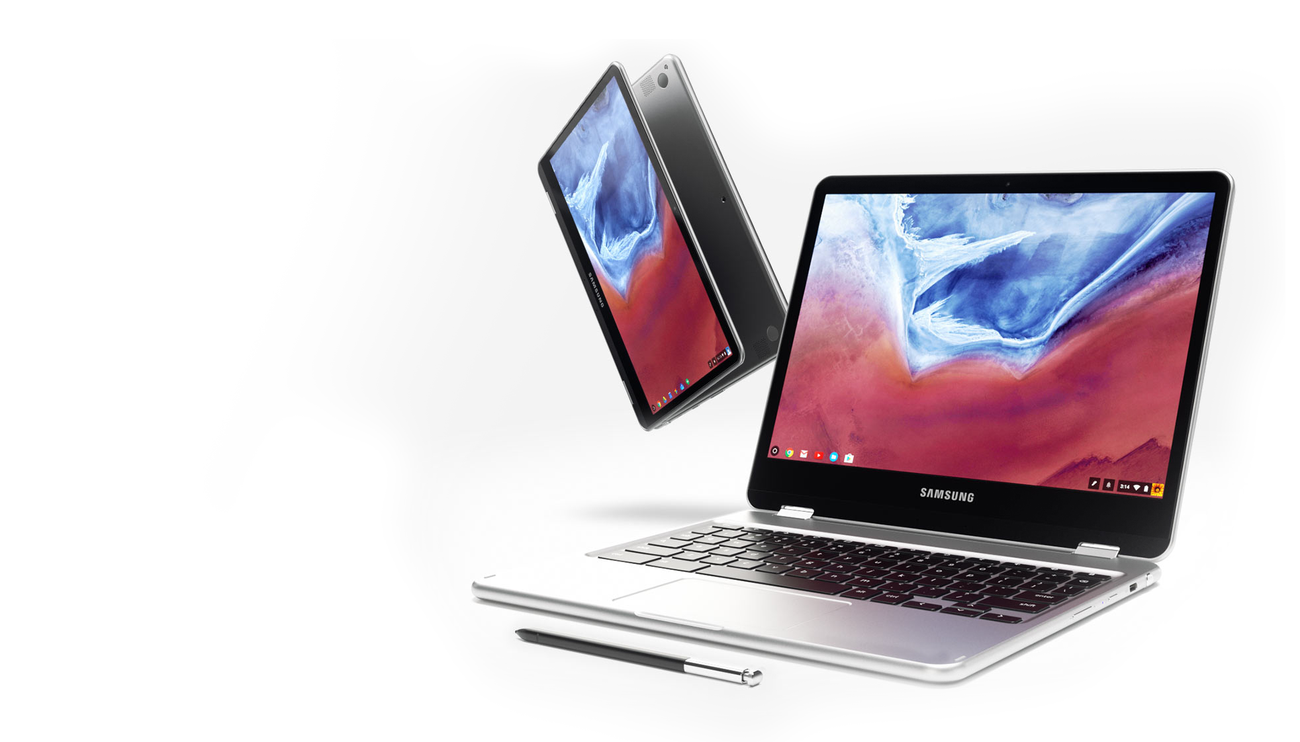
A new generation of Chromebooks, designed to work with millions of apps
Two new Chromebooks from Samsung bring together the best of Chrome OS and Android for a whole new experience.
What Comes After Chrome
I co-created the world's most popular browser. Now, I'm joining The Browser Co to fulfill an old dream.

Google Chrome
Look under the hood of Google Chrome in this comics interpretation of key engineering decisions with art by Scott McCloud.
Google announces its Chromebook successor: the Googlebook
Google has a new operating system and a new laptop platform, but no hardware just yet.

Source: Google is turning Chrome OS into Android to compete with the iPad
A source within Google has told Android Authority that Google plans to basically turn Chrome OS into Android.

Google’s Chrome Antitrust Paradox
This Article examines Google’s dominance of the browser market, highlighting how Google’s Chrome browser plays a critical role in reinforcing Google’s dominance in other markets. While Google portrays Chrome as a neutral platform built on open-source technologies, this Article shows that Chrome is, in fact, instrumental in Google’s strategy to reinforce its dominance in the online advertising, publishing, and browser markets. The examination of Google’s strategic acquisitions, anticompetitive practices, and the implementation of so-called “privacy controls” underlines that Chrome is far from a neutral gateway to the web. Rather, it serves as a key tool for Google to maintain and extend its market power, often to the detriment of competition and innovation in the digital economy.This Article illustrates how Chrome not only bolsters Google’s position in online advertising and publishing through practices such as coercion and self-preferencing, but also leverages its advertising clout to engage in a “pay-to-play” paradigm—the cornerstone of Google’s larger strategy of market control. It also outlines potential regulatory interventions and remedies by drawing on historical antitrust precedents. Lastly, this Article proposes a triad of solutions motivated by an analysis of Google’s abuse of Chrome, including behavioral remedies targeting specific anticompetitive practices, structural remedies involving an internal separation of Google’s divisions, and divestiture of Chrome from Google into an independent organization.Despite Chrome’s dominance and its critical role in Google’s ecosystem, as well as its recent legal troubles with the Department of Justice, it so far has avoided significant antitrust action. A key reason for this inaction lies in the long-standing precedent supporting the hegemony of technology firms and the uncertainty surrounding Chrome’s viability as a standalone entity. This Article attempts to address these issues to enable antitrust actions that are essential in remedying current market imbalances. Such actions are also critical to mitigate future threats to competition from an increasingly monopolistic technology landscape, thereby fostering a competitive digital environment that promotes innovation and protects consumer interests.
Google is developing an OS called “Fuchsia,” runs on All the Things
Every single operating system developed by Google to date has one thing in common: they're based on the Linux kernel. Chrome OS, Android, Chromecasts, you name it. Linux has powered Google hardware for years.