

Talk about technology, long familiar to science-fiction readers and writers, is getting popular in Academia too. Particularly interesting to humanists is the connection between technology and whatever their own particular subject happens to be; I've attended three such formal symposia in the last five years, six including SF conventions, and including informal discussions among students, in writing classes, SF classes, and elsewhere, somewhere between fifty and sixty.
Technopoly: The Surrender of Culture to Technology
A witty, often terrifying that chronicles our transform…

Becca Lewis - Reactionary Futurism - 2025/2027 Rogers Chair Series
Changing Minds: Computers, Learning, and Literacy
An impassioned guide to how computers can fundamentally change how we learn and think.Andrea diSessa's career as a scholar, technologist, and teacher has b
Coordination Tech in Science: Letters, Journals, and Whatever Comes Next | shishyko!
To modernize our scientific infrastructure, we need new contextualization and coordination technologies that decouple trust from legacy branding — shifting from gatekeeping on write to algorithmic contextualization on read.
Telepath: building a new kind of computer
So, we made a thing: Let’s back up: for as long as I can remember, I’ve been obsessed with computers, fascinated not just by what they can do but what they could become. Like many, I took my early inspiration from science fiction. I dreamed of someday having something like the Enterprise’s computer. And why not? Science fiction has always driven scientists, engineers, and inventors to create real things that change the world.
AT Protocol: explanation for non-techies? - Debbie's Blatherings - by Debbie Ridpath Ohi
Working on an explanation without tech jargon, for fellow creatives
The 1989 CBC Massey Lectures, "The Real World of Technology"
Technology has always been a part of human existence. Today though, says the experimental physicist, Ursula M. Franklin, technology has large-scale effects on culture itself. Ursula Franklin is an experimental physicist, University Professor Emeritus at the University of Toronto, a former board member of the National Research Council and the Science Council of Canada, and a companion of the Order...

Thoughts on Cyberpositionality: The Construction of Digital Communities in Digital Spaces, Damien Patrick Williams
I found Rebecca Monteleone, Martin Perez Comisso, and Elma Hajric’s “Cyberpositionality: Sociotechnical Location in the Digital Age” (2024) to be an extremely timely and important article which can…

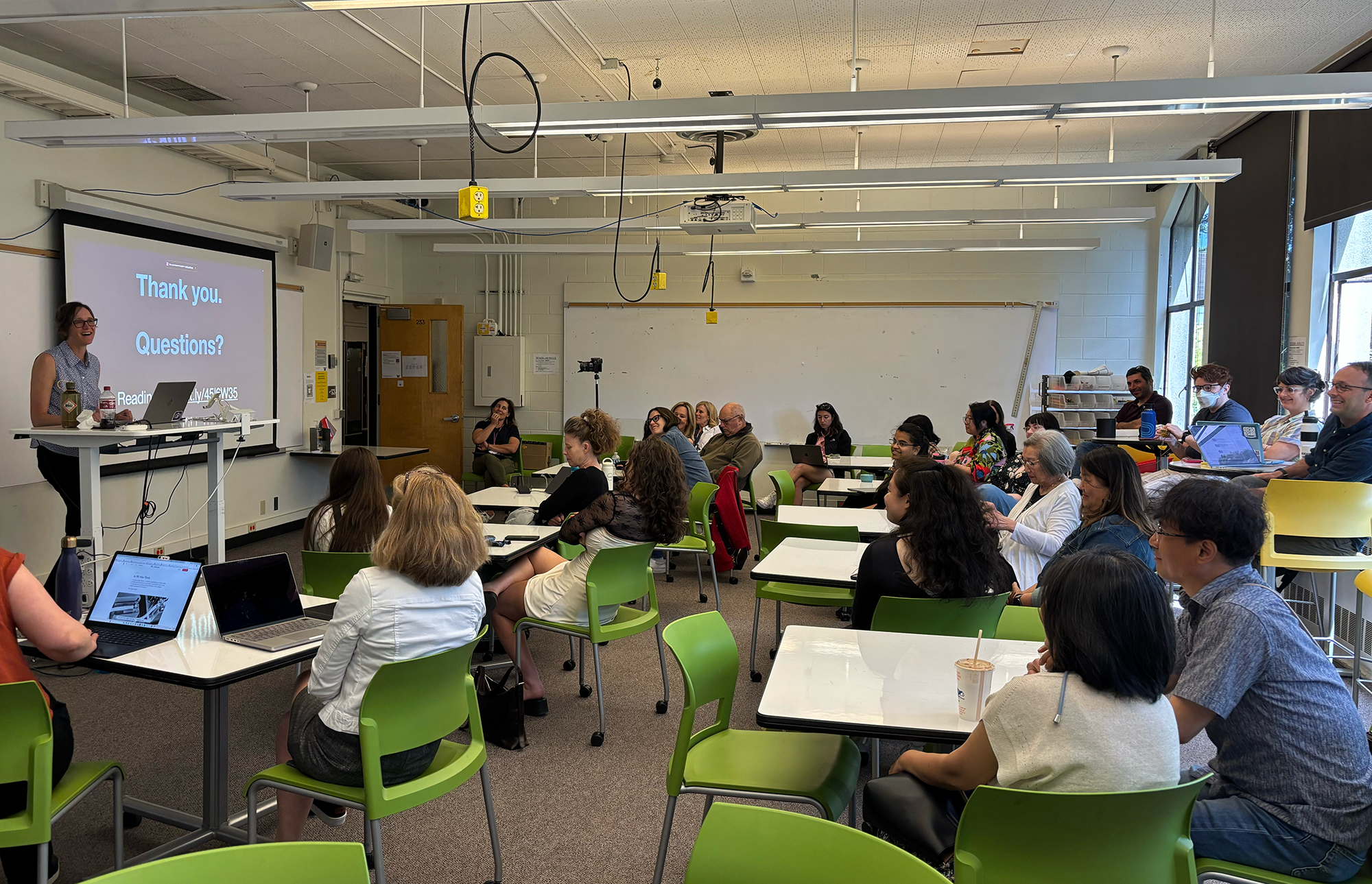
Foundations & Futures of HCI: a teach-in with Professor Kate Starbird
As part of HCDE’s 2025 graduation events, Professor Kate Starbird delivered a special teach-in exploring the foundations and future of human-computer interaction. Starbird traced how the technologies we use every day emerged from federally funded research, and emphasized the continued importance of inclusive, human-centered research. Her talk urged graduates and guests to recognize the role of public investment in shaping technology that serves people.

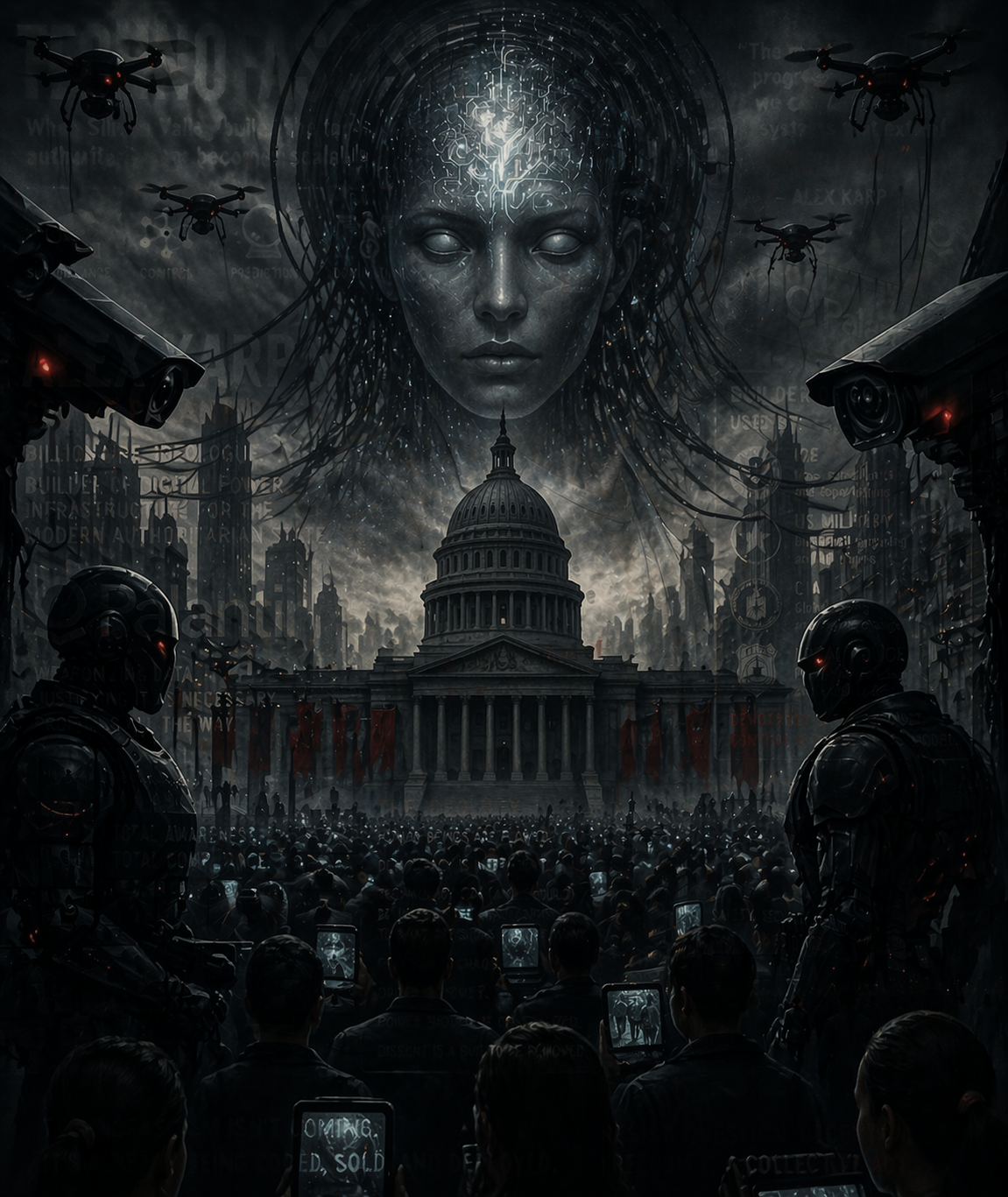
Collective Action School
Explore how you can remake tech. Tech worker organizing, unionizing, and building different technologies

Silicon Valley has a science fiction problem | Aeon Essays
Tech titans claim the genre inspired them. But all they’ve done is graft their politics onto stories of a better future

zach lieberman on Twitter / X
Today I was able to weave a line from Myron Krueger in a talk I gave : Computation is the medium of our lifetimes - it’s not just a technical medium but a cultural medium as well. We should explore the culture of computation.— zach lieberman (@zachlieberman) April 10, 2024
During the 1980s and 1990s, networks of evangelists and venture capitalists fused technological boosterism with reactionary social ideals. Our video of the week examines the deep roots of Silicon Valley's shift toward the right. Featuring @beccalew.bsky.social at @westernu.ca buff.ly/ydgntnc
