

Many students who are just now embarking on a PhD in AI are understandably anxious. It feels like our field is zooming forward ever faster. Our clever methods are often surpassed before they are published. Our deep insights seem less critical to frontier lab progress. AI is automating aspects of the research process that used to require years of specialized training.
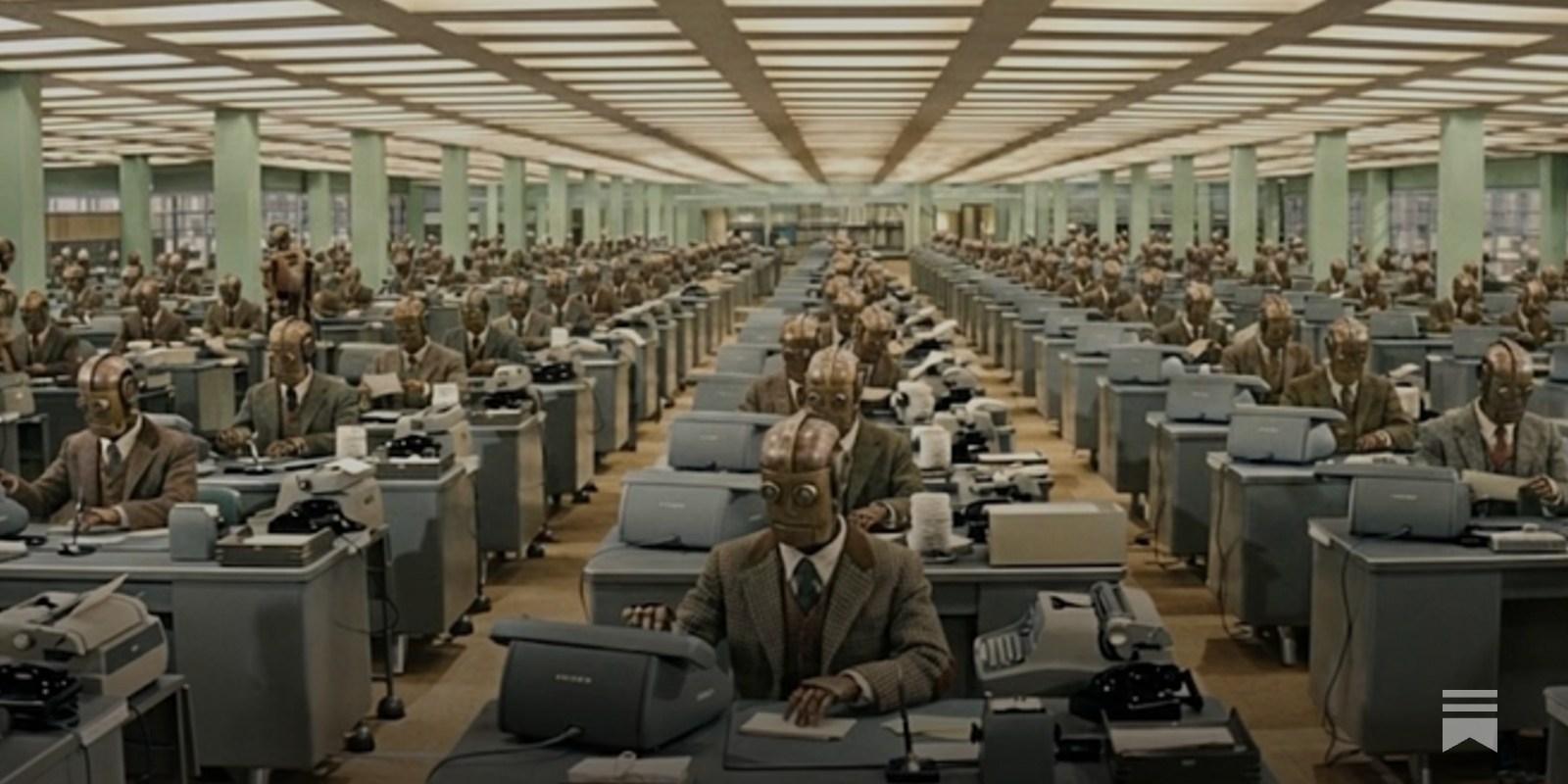
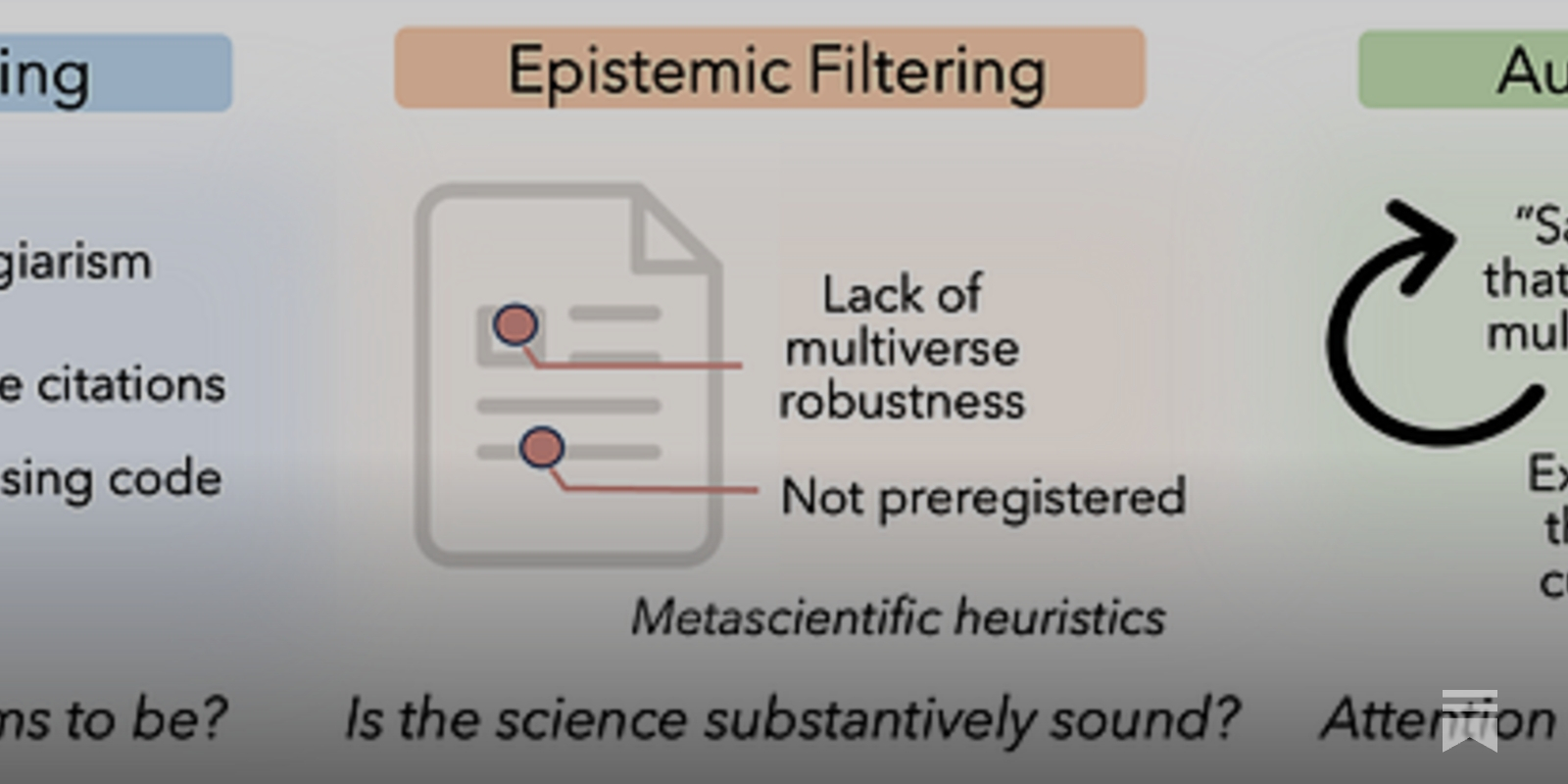
70 years of AI hype
Quoting from Olivia Guest et al. (2025) "Against the Uncritical Adoption of AI Technologies in Academia."
The Era of Experience & The Age of Design: Richard S. Sutton, Upper Bound 2025
I expect rapid progress but not towards general superintelligence
I’ve often been surprised when I hear from top researchers in industry that they think AI will be better than them at their job in a few years, and I didn’t really know why I doubted it.
Mathematicians are grappling with the possibility that AI might eclipse them
I talked to 20 mathematicians about rapid AI progress in their field.
A golden age of science is coming
AI can do things humans researchers can’t, even in groups.

PhD students who write dissertation with AI less likely to stay in academia
US PhD graduates who used artificial intelligence were more likely to work in industry.

Deep Research, information vs. insight, and the nature of science
What AI will accelerate in the scientific process, what it cannot do, and how we can prepare for new manners of scientific investigation.
Video: In a talk at the Neuro-Symbolic AI summer school, I argued that research fields progress in explore/exploit cycles, and that while the AI community is very good at the exploit phases, it is… | Arvind Narayanan
Video: In a talk at the Neuro-Symbolic AI summer school, I argued that research fields progress in explore/exploit cycles, and that while the AI community is very good at the exploit phases, it is not so good at the explore phases and tends to get stuck in local minima. Progress toward AGI (though I don't use that term) will be helped if we have strong sub-communities that have different progress criteria from mainstream AI/ML and are big and powerful enough to support scholars' career advancement. Video on YouTube: https://lnkd.in/eUCGUjRx (link goes to timestamp starting at 51:10) The above is Part 1 of the talk; Part 2 is based on this essay with Sayash Kapoor and is about the application of AI to other scientific disciplines. https://lnkd.in/eUHy7aYi Thanks to the Centaur AI Institute for inviting me and to the participants for a great discussion.

AI Isn't as Powerful as We Think | Hannah Fry
Which ‘AI scientist’ suits your lab? A guide for the perplexed
General-purpose AI tools for science, such as Claude Science, promise to accelerate research. But which is right for you?
The risks of advanced AI
Could working on AI risks be the highest-impact career choice today? Explore why AI may trigger rapid, dramatic societal change — and what you can do about it.
An AI state of the union: We’ve passed the inflection point & dark factories are coming

science in the age of AI

What does it mean to be a human researcher in the age of powerful AI?
A Call for a Values-Guided Agenda for Artificial Intelligence-Mediated Information Systems Scholarship
Togelius: Advice for young researchers
Restructuring Education in the Age of Artificial Intelligence from the Perspective of Humanistic Scientific Methodology
AI Red Penning - undisciplinary
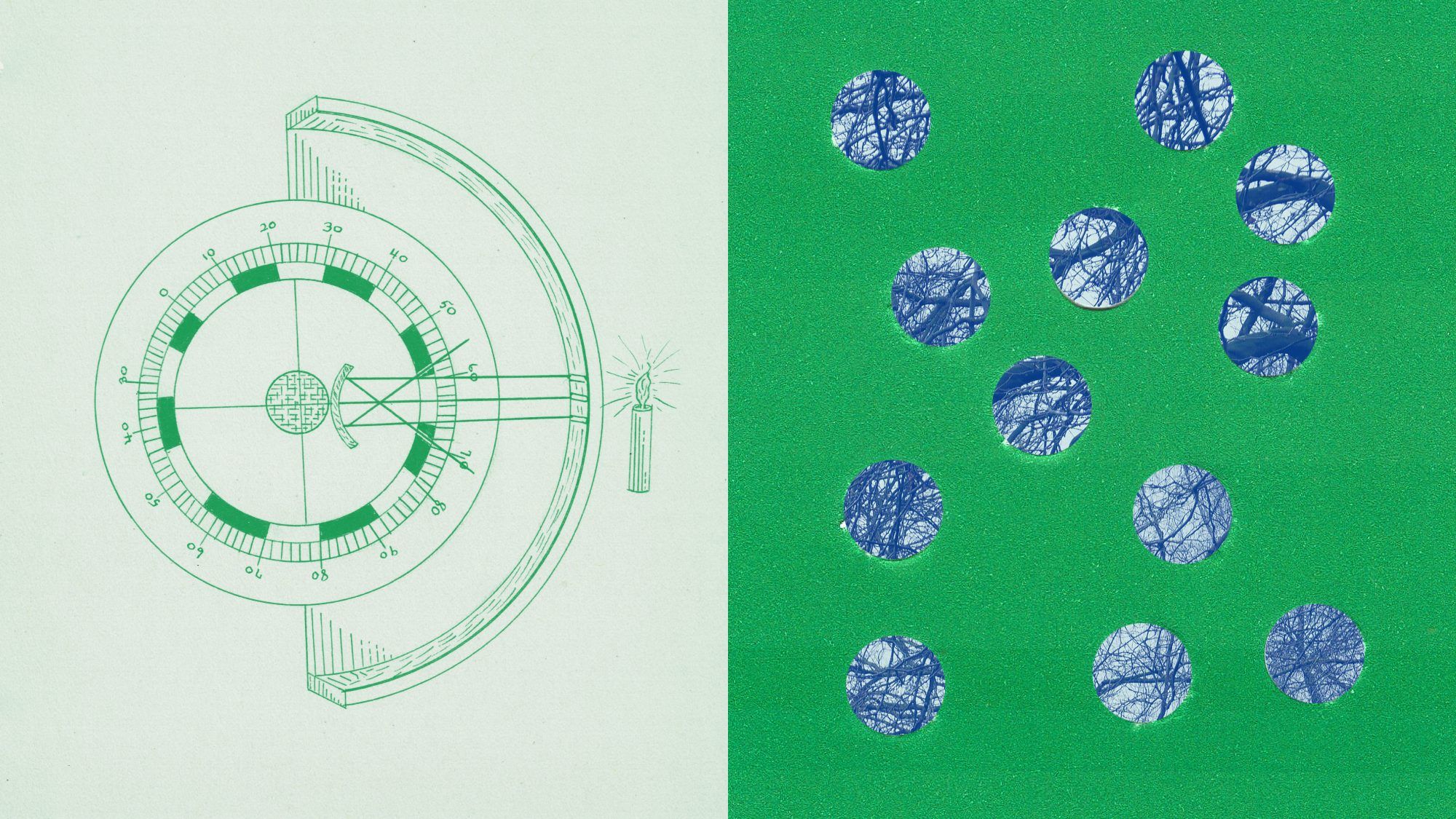
Claude-shaped science

Agentic Laboratories of the Future: Towards World Models for Scientific Discovery