

Changing the web is hard, and for good reasons. But it should not be impossible, or the web itself cannot grow and change with the needs of the people who use it.
We can have a different web
Many yearn for the “good old days” of the web. We could have those good old days back — or something even better — and if anything, it would be easier now than it ever was.
Society Desperately Needs An Alternative Web
In a world of rampant technology, and what will be the future of our planet, it is inflicting harms in the very fabric of society who depends on it. Is it too late to steer its path towards an internet intended to free information, preserve our privacy and be accountable to the needs of humanity?

The Group That Rules the Web
Billions of humans will use the Web over the next decade, yet very few of those people are in a position to define what is “the Web” and what isn’t.
It's time to rebuild the web
The web was never supposed to be a few walled gardens of concentrated content owned by a few major publishers; it was supposed to be a cacophony of different sites and voices.
Filling the potholes of the web.
People with the power to fix our inaccessible web have failed to do it for long enough. Isn’t it time to imagine ways we can repair the web without waiting for them?
How to Fix the Web | Brave
The Web is always in trouble for some reason or other. I remember when Microsoft came after Netscape and threatened to lock Web standards into IE. Only the Web is so big, with such reach to billions of users, that no one owns it. This means it will always be contested ground.
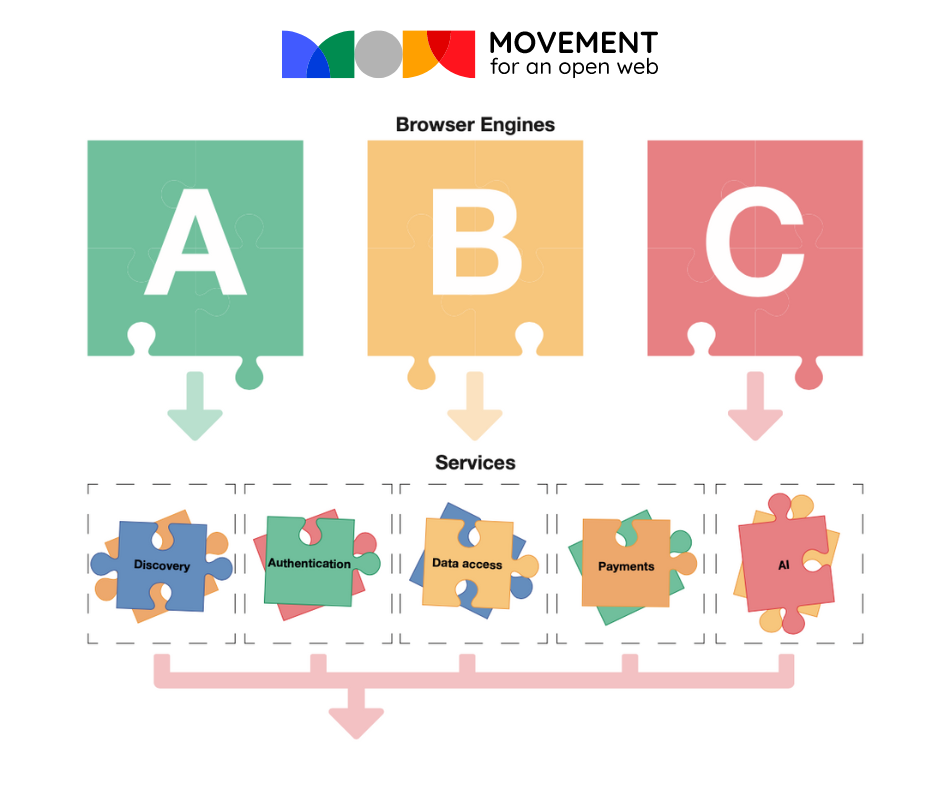
Break up the Browsers. A Proposal to Save the Open Web. - Movement For An Open Web
The Open Web is one of the world’s modern wonders. Based on core, universally recognised technical standards and owned and controlled by no one body, it is a unique structureRead More
A better web
The web as it is today is, by design, ridden with hostility. The problems faced by its users fall into three main categories: ownership of identity, ownership of data, and surveillance capitalism. Websites want to own the identity of their users. This results in compromising either the convenience by having to log in to every site separately – or security and privacy, by outsourcing identity control to other third-party sites (“Would you like to log in with your Google or Facebook account?”), thus disclosing movements throughout the internet.

Long Live the Web: A Call for Continued Open Standards and Neutrality
The Web is critical not merely to the digital revolution but to our continued prosperity—and even our liberty. Like democracy itself, it needs defending

The Internet is a Series of Webs
The fate of the open web is inextricable from the other ways our world is in crisis. What can we do about it?
The Missing Building Blocks of the Web
At a time when millions are losing trust in the the web’s biggest sites, it’s worth revisiting the idea that the web was supposed to be…


My journey to the heart of the forgotten internet
Slowly but surely, huge swaths of the internet are vanishing. But the artefacts of the early web are still out there, and they have lessons for the future.

Welcome to the Post-Naive Internet Era
The grand idealism of the free and open internet might be over for now, but in its place falls a more practical mindset. Just like Silicon Valley’s entrepreneurs are entering their “Hard Tech” era, the people building web alternatives are also entering their Post-Naive Era. Here are the names to know.
‘Building a better web is much more universal. Empowering people to own their identity, publish more freely, form many kinds of communities, and leave without losing everything.’ manton.org/2026/07/18/social-web-disconn…
Social web disconnect
www.manton.org