


"Who watches the watchers?" is a phrase we hear a great deal but, in these dystopian times, one to which we should perhaps pay more heed
Surveillance Watch: They Know Who You Are
Surveillance Watch is an interactive map revealing the intricate connections between surveillance companies, their funding sources and affiliations.
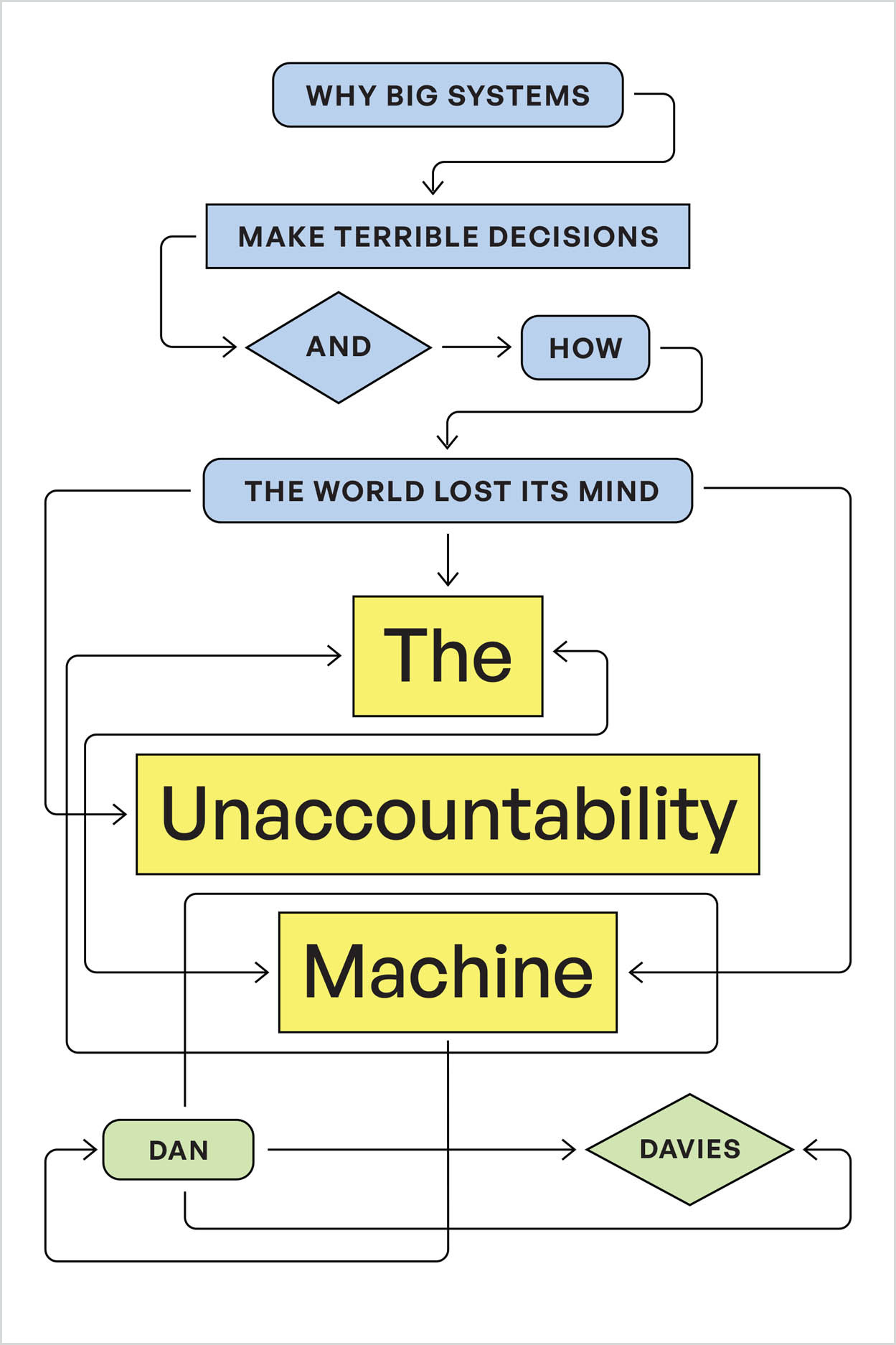
The Unaccountability Machine: Why Big Systems Make Terrible Decisions—and How the World Lost Its Mind
Longlisted for the 2024 Financial Times Book of the Year. How life and the economy became a black box—a collection of systems no one understands, producing outcomes no one likes. Passengers get bumped from flights. Phone menus disconnect. Automated financial trades produce market collapse. Of all the challenges in modern life, some of the most vexing come from our relationships with automation: a large system does us wrong, and there’s nothing we can do about it. The problem, economist Dan Davies shows, is accountability sinks: systems in which decisions are delegated to a complex rule book or set of standard procedures, making it impossible to identify the source of mistakes when they happen. In our increasingly unhuman world—lives dominated by algorithms, artificial intelligence, and large organizations—these accountability sinks produce more than just aggravation. They make life and economy unknowable—a black box for no reason. In The Unaccountability Machine, Davies lays bare how markets, institutions, and even governments systematically generate outcomes that no one—not even those involved in making them—seems to want. Since the earliest days of the computer age, theorists have foreseen the dangers of complex systems without personal accountability. In response, British business scholar Stafford Beer developed an accountability-first approach to management called “cybernetics,” which might have taken off had his biggest client (the Chilean government) not fallen to a bloody coup in 1973. With his signature blend of economic and journalistic rigor, Davies examines what’s gone wrong since Beer, including what might have been had the world embraced cybernetics when it had the chance. The Unaccountability Machine is a revelatory and resonant account of how modern life became predisposed to dysfunction.
The Who Cares Era | dansinker.com
Earlier this week, it was discovered that the Chicago Sun-Times and the Philadelphia Inquirer had both published an externally-produced "special supplement" that contained facts, experts, and book titles entirely made up by an AI chatbot. There's been a lot written about this (former Chicago Reader editor Martha Bayne's is the best), and I don't need to rehash it all. But the thing that is most disheartening to me is how at every step along the way, nobody cared.

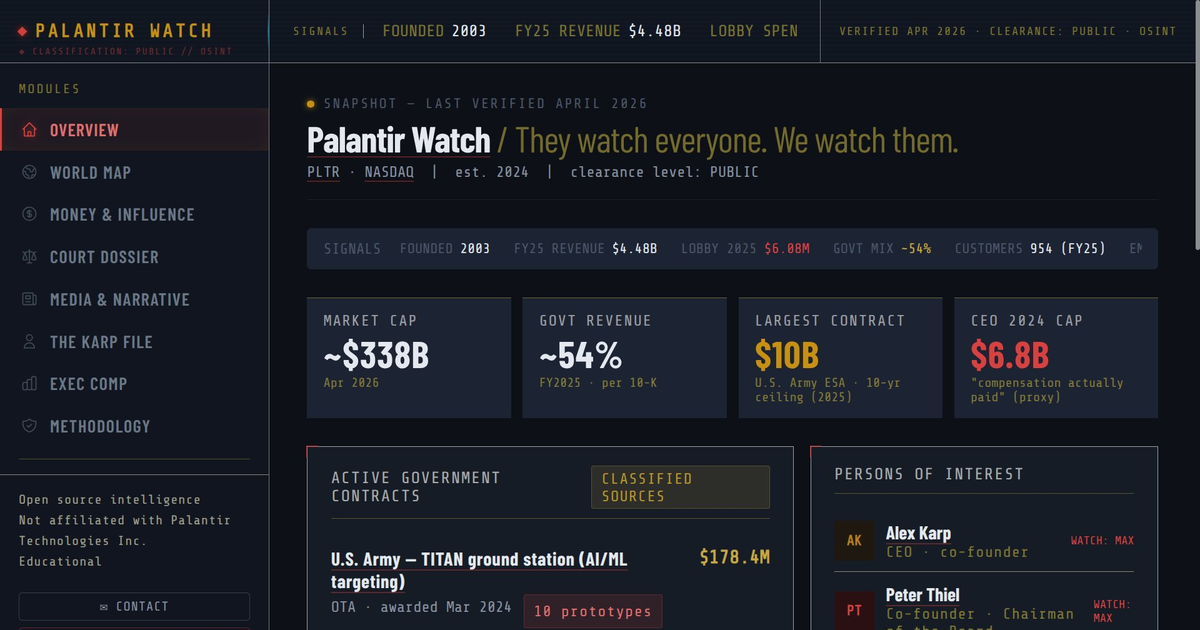
PalantirWatch — Tracking Palantir Technologies
Independent watchdog tracking Palantir's contracts, executives, lobbying, legal exposure, and global footprint.
What the Anthropic fight says about AI regulation
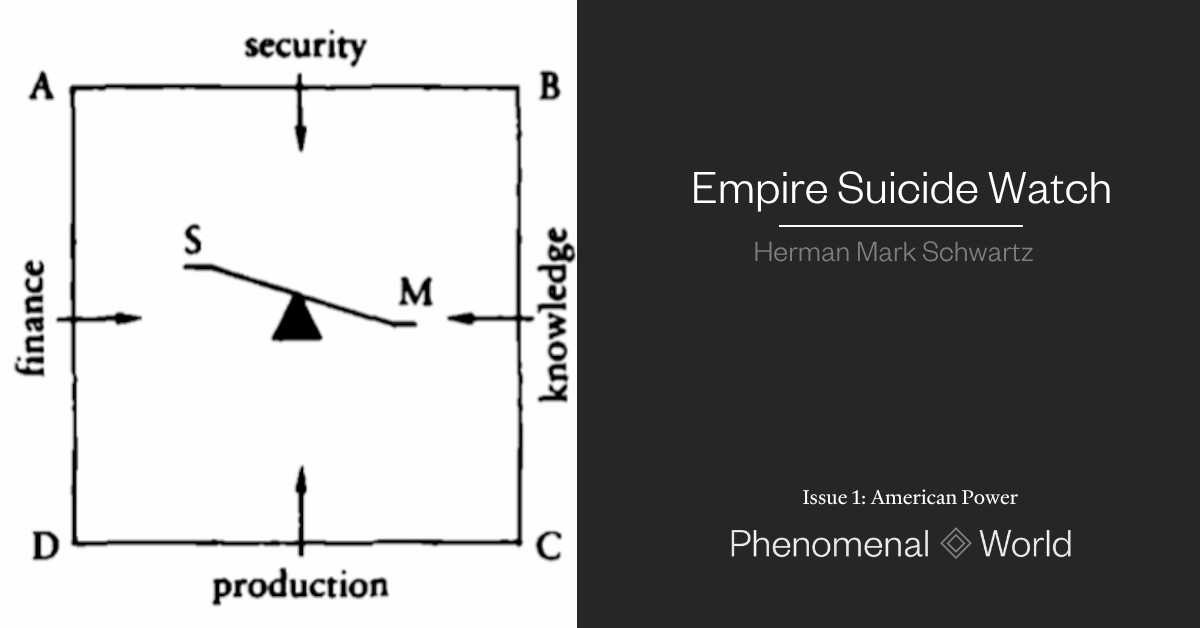
Fables of the deconstruction of American power
Labelwatch
Bluesky doesn’t have a single moderation team deciding what you see. Instead, it has labelers — and nobody’s watching the watchers. Labelwatch monitors every public labeler: who’s labeling, what they’re labeling, and whether their behavior is stable, bursty, or going dark.
Spenders and savers, tightwads and spendthrifts: Individual correlates of personal ratings of being a spender or a saver.
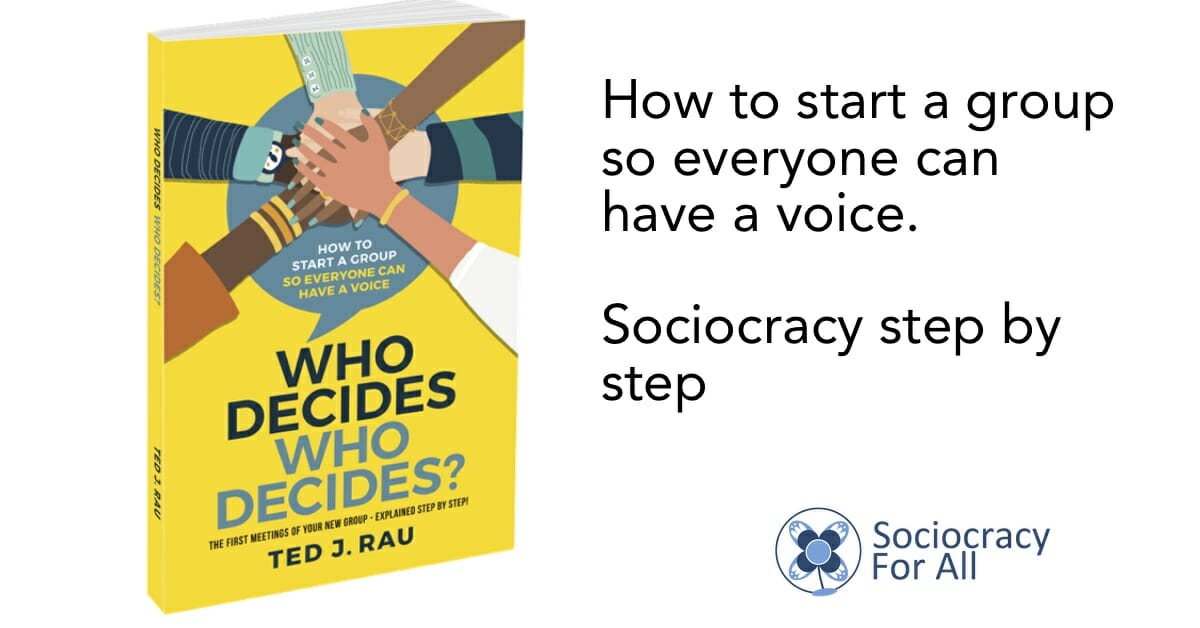
Who Decides Who Decides? - Sociocracy For All
Who Decides Who Decides is a book for starting groups with sociocracy - a guide for governance and decision-making that's clear and inclusive.
One year on: The momentum behind Jigsaw’s Sensemaking AI
How our suite of AI tools is helping public leaders bridge the gap between individual voices and concrete policy decisions

TZWS Sample Lesson page 1
TZWS Class: Level 1E - Lesson 1 - Part 1 An Introduction to Watchmaking and Watch Repair by Walt Odets
Pluralistic: They’re just trying to earn a buck (07 Oct 2025) – Pluralistic: Daily links from Cory Doctorow
Life as a prisoner of the neoliberal mind palace must suck: it's a world where every person who suffers under predatory business practices is a "consumer" who has "revealed a preference" for being screwed:
Manufacturing Consent: The Political Economy of the Mass Media
A bold and eye-opening exposé on how power and propaganda distort the news, now more relevant than ever • With an updated introduction“[A] compelling indictment of the news media’s role in covering up errors and deceptions in American foreign policy.”—The New York Times Book Review Renowned scholars Edward S. Herman and Noam Chomsky reveal how U.S. news media, far from being independent watchdogs, often function as tools of elite influence. With probing analysis, they present their Propaganda Model, a framework that explains how systemic bias shapes the stories we’re told, the voices we hear, and the truths that remain hidden.Through deeply researched case studies, from the Vietnam War to coverage of “worthy” vs. “unworthy” victims, Manufacturing Consent exposes the structural forces that drive news organizations to reinforce power rather than question it. It’s a sobering portrait of a media system more interested in maintaining order than informing the public.This edition includes an introduction updating key examples and expanding the Propaganda Model’s relevance to issues like the coverage of NAFTA, the media’s treatment of global protests, and environmental regulation.Manufacturing Consent is a powerful assessment of how propagandistic the U.S. mass media are, how they systematically fail to live up to their self-image as providers of the kind of information that people need to make sense of the world, and how we can understand their function in a radically new way.Whether you’re a student, activist, or citizen looking to see beyond the headlines, this book will transform how you understand the media—and the world around you.

"The S is for surveillance": fighting KOSA and bad internet bills in the ATmosphere and the fediverses
Part 2 of The Time Is Right: shifting from theory to practice.

Robin Berjon


"Private Government: How Employers Rule Our Lives (and Why We Don't Talk About It)" by Elizabeth Anderson A much-needed reframing to show that government can take place in private contexts too. She focuses on employers in the US, but it works well for tech monopolies in the digital space too.