

The Whale Museum, located in beautiful Friday Harbor, Washington, was opened to the public in 1979 as the first museum in the country devoted to a species livin
Happywhale
Send us your whale photos, we’ll identify the individuals for fun and for science. We'll share with you what we find!
Whales' Bubble Net Fishing | Nature's Great Events | BBC Earth
Home
Orca Network’s Whale Sighting and Education Project encourages observation of not just orcas, but all cetaceans that call the Salish Sea home. Awareness of our amazing wild neighbors helps foster stewardship and inspire action to protect critical habitat – while collated sightings data provides invaluable and ongoing insight.
Orca Behavior Institute
The Orca Behavior Institute is a non-profit whale research organization on San Juan Island, Washington. Inspiring conservation of wild killer whales.
Whale Hunting
Discovering the hidden stories of how the world really works — by Project Brazen.
Pearl Fincher Museum of Fine Arts | Discover and Engage in Art Today
Explore art exhibitions, educational programs, and events at Pearl Fincher Museum of Fine Arts. Experience engaging art and community activities in a welcoming environment.

How To Speak Whale | Book | Tom Mustill
How to Speak Whale is an unforgettable look at how close we truly are to communicating with another species – and how doing so might change our world. Discover more.
You searched for - Dorothea Lange Digital Archive | OMCA: Oakland Museum of CA
At Oakland Museum of California, our collection of California Art includes Dorothea Lange's personal archive, a gift from the artist that includes 40,000 negatives and more than 6,000 vintage prints, field notes, and personal memorabilia.
Search | The Last Museum
Search millions of artworks across the world's museum collections.

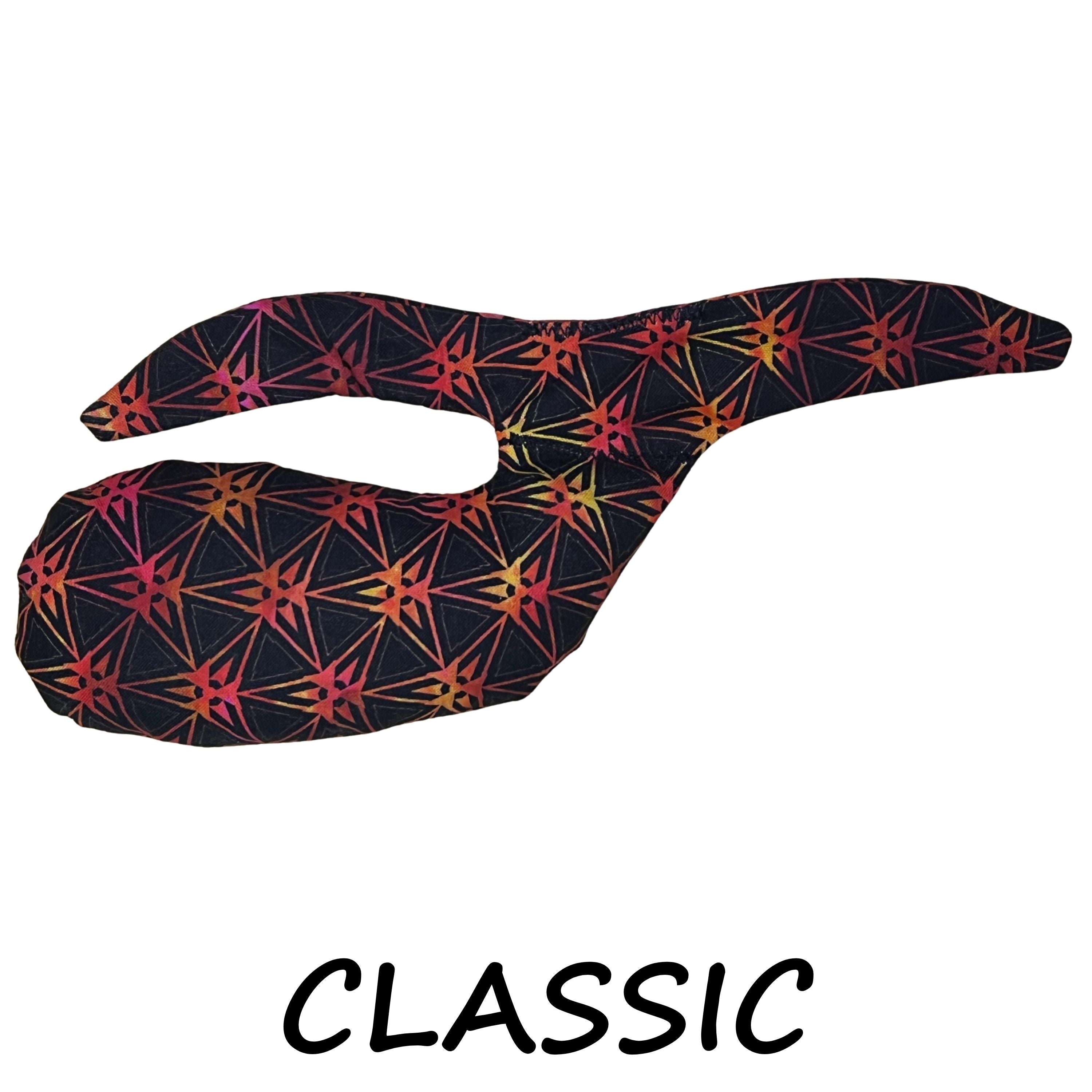
Classic
Classic whale sacs in a variety of patterns. You may see these on the shelf at your favorite disc shop or sporting goods store as well!
Large declines in organofluorine contamination indicated by subarctic marine mammal tissues
The ocean is thought to be the terminal sink for per- and polyfluoroalkyl substances (PFAS), persistent organofluorine chemicals used widely in modern commerce for decades. Industry and stewardship programs phased out the most abundantly produced legacy PFAS in the early 2000s due to toxicity concerns. However, they have since been replaced by shorter carbon chain and “novel” chemistries, and past work hypothesized likely increases in these replacement PFAS that were not previously quantifiable. To address this gap, we measured bulk extractable organofluorine (EOF) in archived liver and muscle tissues from pelagic Subarctic pilot whales over the last several decades. Results show EOF concentrations peaked in 2011 and declined by over 60% by 2023. Among a broad suite of targeted and suspect PFAS measured using high-resolution mass spectrometry, only one was consistently increasing through 2023. Tissue concentrations of four main legacy PFAS that accounted for over 75% of EOF were all decreasing by 2023. The timing of peak concentrations depended primarily on whether they were transported to the subarctic by ocean circulation or atmospheric deposition, with the latter declining much faster. Oceanic transport and bioaccumulation modeling suggests that decadal-scale lags between production and food web bioaccumulation are primarily driven by marine transport processes. Large declines in tissue concentrations in this study reinforce the effectiveness of phase-outs in chemical production. However, other work showing stable or increasing EOF in human serum suggests many emerging PFAS with more neutral physicochemical properties may be preferentially accumulating in terrestrial and nearshore environments compared to legacy PFAS.

An Eco and Cultural Adventure Tour Company
We offer whale watching, bear watching, and Hot Spring Cove tours based out of Tofino, BC. Book now and explore the Ahousaht Nation territories.

Home | The Museum of Fine Arts, Houston
Near-blind shark is world’s longest-lived vertebrate
Greenland shark found to be at least 272 years old.

What's On and Take Part - Migration Museum
The Migration Museum will be opening at our new permanent home in the City of London in 2028. While we do not currently have a venue open to the public, there are many ways you can engage with us, whether in-person at external events, community and learning sessions, online and more. Read more
