

I see a lot of posts about people leaving platforms. This one about leaving Reddit, this one about leaving WordPress, and a bunch of others about leaving Dis...
Goodbye, forever, probably.
I’m leaving developer relations and developer education. Rather than disappear completely unannounced, I wanted to tell you why.

German political parties leave X, say platform “descended into chaos”
Three German left-wing parties have announced a coordinated departure from the social media platform X, saying it has descended into chaos and promotes right-wing populist content.

The politics of ‘platforms’
Online content providers such as YouTube are carefully positioning themselves to users, clients, advertisers and policymakers, making strategic claims for what they do and do not do, and how their place in the information landscape should be understood. One term in particular, ‘platform’, reveals the contours of this discursive work. The term has been deployed in both their populist appeals and their marketing pitches, sometimes as technical ‘platforms’, sometimes as ‘platforms’ from which to speak, sometimes as ‘platforms’ of opportunity. Whatever tensions exist in serving all of these constituencies are carefully elided. The term also fits their efforts to shape information policy, where they seek protection for facilitating user expression, yet also seek limited liability for what those users say. As these providers become the curators of public discourse, we must examine the roles they aim to play, and the terms by which they hope to be judged.
Shifts in U.S. Social Media Use, 2020–2024: Decline, Fragmentation, and Enduring Polarization
Using nationally representative data from the 2020 and 2024 American National Election Studies (ANES), this paper describes how U.S. social media use has shifted across platforms, demographics, and politics. Overall platform reach declined, driven by growth in the share of Americans — especially the youngest and oldest cohorts — who report using no social media. Visiting and posting activity on Twitter/X and Facebook have fallen by nearly 50% since 2020, with the decline on Twitter/X driven primarily by reduced participation among Democratic users. While Facebook, YouTube, and Twitter/X lost ground, TikTok and Reddit grew modestly, consistent with a more fragmented digital public sphere. Platform audiences aged and became slightly more educated and racially diverse. Politically, most platforms shifted toward Republican users while remaining, on balance, Democratic-leaning. Twitter/X experienced the largest change: among posters, the partisan balance swung over 70 percentage points from Democrats to Republicans. Across platforms, political posting remains closely tied to affective polarization, as the most partisan respondents are also the most active. As casual users disengage while polarized partisans remain vocal, online discourse becomes narrower and more ideologically extreme.
Exit, Voice, and Platform Loyalty
A recent article by Renée DiResta is interesting for a number of different reasons.

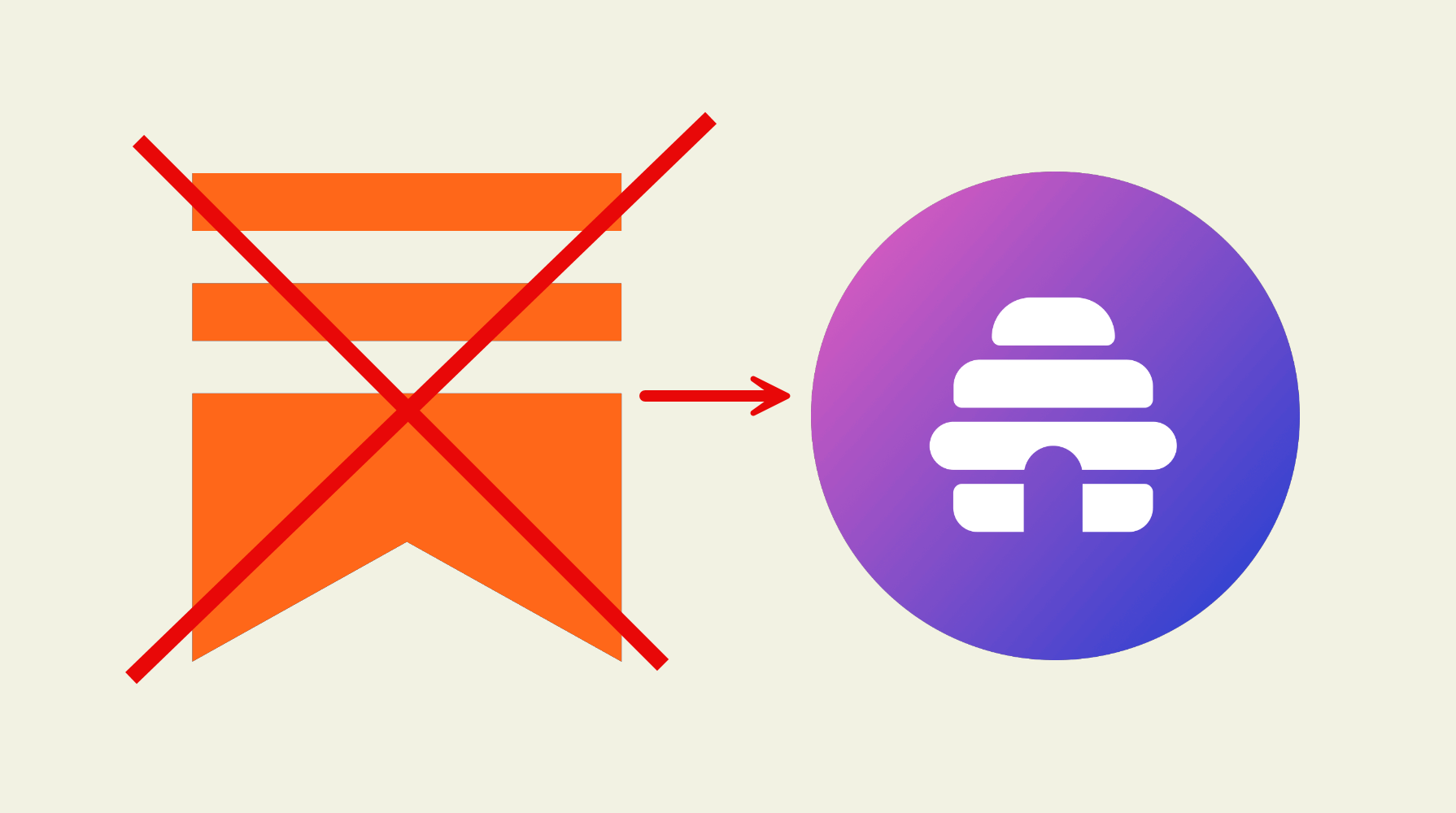
We're Leaving Substack for Beehiiv
We're switching site and newsletter platforms. We hope you continue joining us as we grow!
My 2024 thoughts on the state of social media
I see a continued fragmentation of social media as people leave X(Twitter).

Effective voice: Beyond exit and affect in online communities - Seth Frey, Nathan Schneider, 2023
Online communities provide ample opportunities for user self-expression but generally lack the means for average users to exercise direct control over community...

A guide to platform engineering | Google Cloud Blog
At PlatformCon 2025, we talked about “shift down” — one of the guiding principles behind Google’s approach to platform engineering.

RIP social media. What comes next is messy.
As social media splinters, how can we keep the new online spaces from devolving into toxic pits of despair?

It's obvious why we hate social media
We need better internet platforms. We're already building them.

I Want to Love Linux. It Doesn’t Love Me Back: Interlude – A Thank You, Where It’s Due — fireborn
This blog series has been a lot of yelling. Rightfully so—because a lot of Linux is broken. But this post? This one's different.
What if you could leave a social platform without leaving your community? @brittanyellich.com explains how the AT Protocol lets you own your identity, your data, and your social graph, opening the door to a more open, portable, and developer-friendly web. 🌐 youtu.be/_ZrChpf8FZ8
I see talk on here about the public being "platform brained", and a lot of that in my experience comes down to impatience. It's what you see when mainstream apps change layout. People have expectations about how apps are supposed to work, and learning something else is an imposed waste of effort.

jordan silver 🔵
My take on the "explaining atproto" discourse is that all the UX/filesystem/etc metaphors are still very verbose and that you can explain the same idea in a lot less words: It separates data from apps, so any app can use data from any other app. That fits in a tweet, with other sentences around it.
How is the emerging post-platforms internet like the early days of blogging? @gruber.foo sat down with @jimray.bsky.team to go long on this question, with a few other digressions along the way. atproto.com/off-protocol/2026-09-11-make-…

Make Your Own Thing - AT Protocol
atproto.comDitch Platforms

Guides, stories, and reasons to leave platforms in favor of protocols
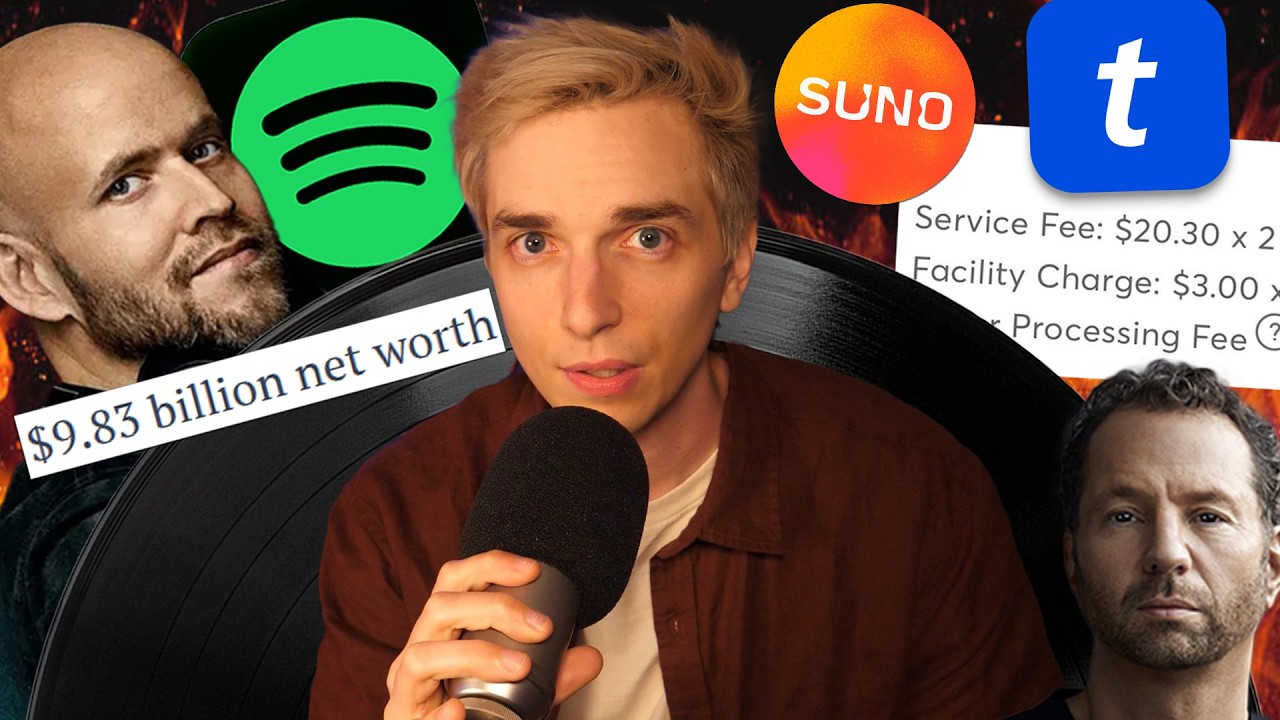
The Music Industry is Broken

Enshittification, Despotification, and the Open Internet
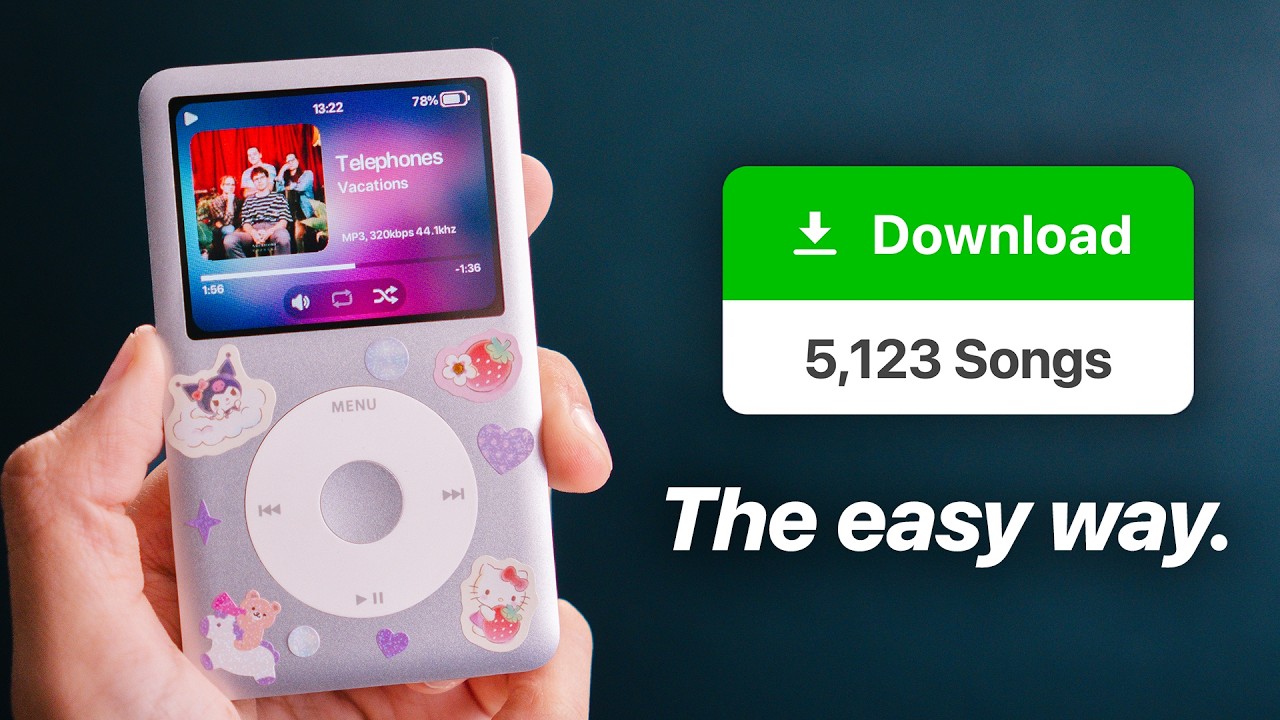
How to ACTUALLY Quit Spotify.
Kill Yr Substack | Jason Cosper
EFF is Leaving X

An Explanation (Which I Would Be Very Grateful If You Took The Time To Read)

