

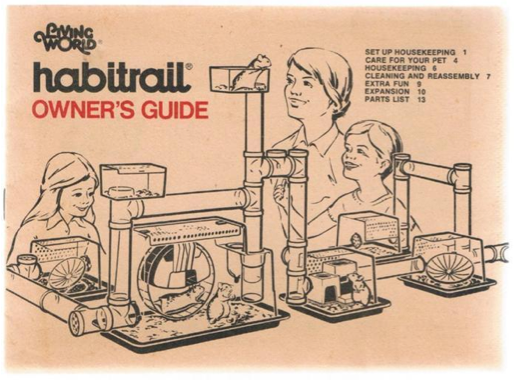
A Personal Digital Habitat is a federated multi-device information environment within which a person routinely dwells.
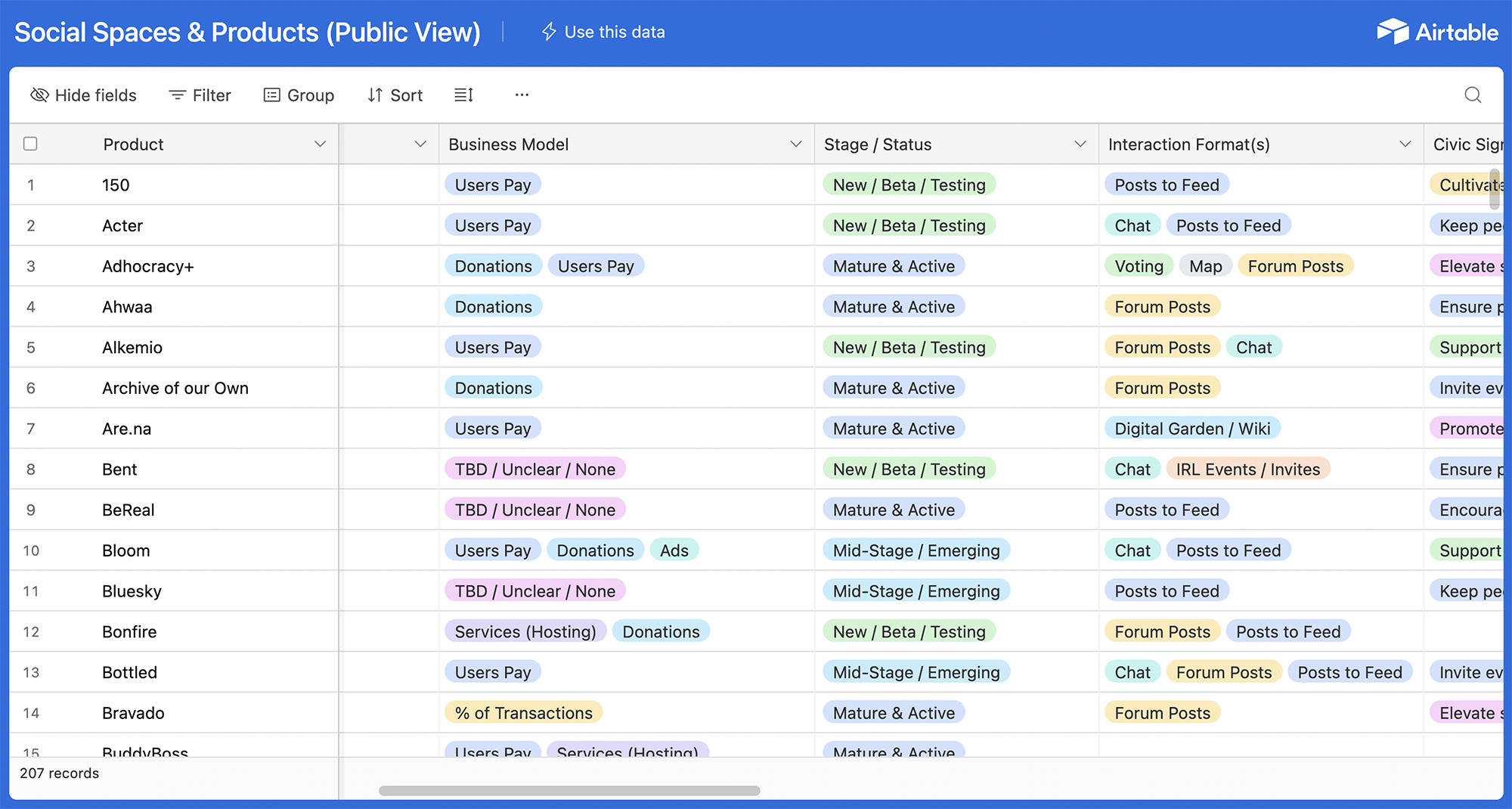
Digital Spaces Directory | New_ Public
As the social media landscape changes and a new wave of digital spaces emerges, this Directory is meant to be a resource for our field — a jumping-off-point for further exploration and research for anyone who’s interested in studying, building, stewarding, or simply using digital social platforms. We hope this will inspire creative exploration, spark new collaborations, and highlight important progress.

Blog
For quite some time now, i have been working on and off on a fully self-hosted search engine, in hope to make it easier to search across Personal data in an end to end manner. Even as individuals, we are hoarding and generating more and more data with no end in sight. Such "personal" data is being stored from local hard-disks to corporate controlled cloud-centers which makes it distributed in nature. So for following discussion, "Personal" meaning would be flexible enough to accommodate resources on a remote server and/or on different devices, as long the user could prove authentication and/or authorization to that data. Current implementation supports only "images", but eventual goal is also to support other modalities like video, text and audio, some code would be shared, while some new code would be required to better extract Features for each modality.
Thoughts on Cyberpositionality: The Construction of Digital Communities in Digital Spaces, Damien Patrick Williams
I found Rebecca Monteleone, Martin Perez Comisso, and Elma Hajric’s “Cyberpositionality: Sociotechnical Location in the Digital Age” (2024) to be an extremely timely and important article which can…

Digital Topology & Economic Power
The autonomous file, once the basic unit of user agency in personal computing, was first hollowed out through proprietary formats and data internalization, then abolished entirely by cloud platforms, relocating control toward incumbents at each stage. Enclosure succeeds not by offering users less, but by bundling genuine capability gains with topological restructuring, so that the user cannot accept the improvement without accepting the new relationship of power.

Architecture and the Internet: Designing places in cyberspace
Cyberspace, as the information space is called, has become accessible in the past decade through the World Wide Web. And although it can only be experienced through the mediation of computers, it is quickly becoming an alternative stage for everyday economic, cultural, and other human activities. As such, there is a potential and a need to design it according to place–like principles. Making places for human inhabitation is, of course, what architects, landscape architects, and town planners have been doing in physical space for thousands of years. It is curious, therefore, that Cyberspace designers have not capitalized on the theories, experiences, and practices that have been guiding physical place–making. While most 3D environments closely mimic physical spaces, they are, by and large, devoid of the essential characteristics that differentiate a ‘place’ from mere ‘space.’ And only rarely are they sensitive to, and take advantage of, the peculiarities of Cyberspace. We believe that this state of affairs is temporary, characteristic of early adoption stages of new technologies. As the Web matures, and as it assumes more fully its role as a destination rather than as means of communication, there will be a growing need to design it according to place–making principles. By looking at physical architecture as a case study and metaphor for organizing space into meaningful places, this paper explores the possibility of organizing Cyberspace into spatial settings that not only afford social interaction, but, like physical places, also embody and express cultural values. At the same time, because Cyberspace lacks materiality, is free from physical constraints, and because it can only be ‘inhabited’ by proxy, these ‘places’ may not necessarily resemble their physical counterparts.

Multi-Homed Personal Data for Education
This blogpost is part of a 20-day project I'm doing for the SURF/NPuls EduWallet Incubator this year, exploring what Personal Data Stores (PDSs) like the Solid Project can add to Wallets.
MyTerms Reclaiming Your Digital Self
Local Digital Spaces Are Essential Civic Infrastructure (SSIR)
With traditional community spaces underfunded and neglected, investing in the health of our online gathering places has become essential. <meta property=
Digitalization
Abstract “Digitization” and “digitalization” are two conceptual terms that are closely associated and often used interchangeably in a broad range of literatures. This entry considers each term in detail and argues that there is analytical value in explicitly making a clear distinction between them. The entry defines digitization as the material process of converting analog streams of information into digital bits. It defines digitalization as the way many domains of social life are restructured around digital communication and media infrastructures.
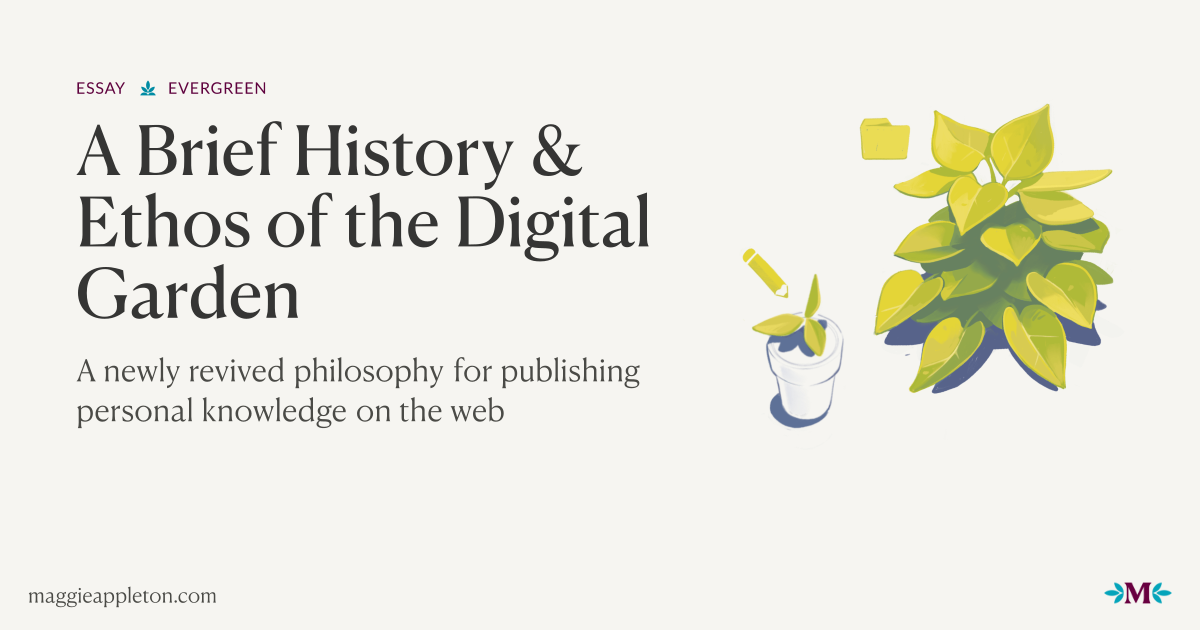
A Brief History & Ethos of the Digital Garden
A newly revived philosophy for publishing personal knowledge on the web
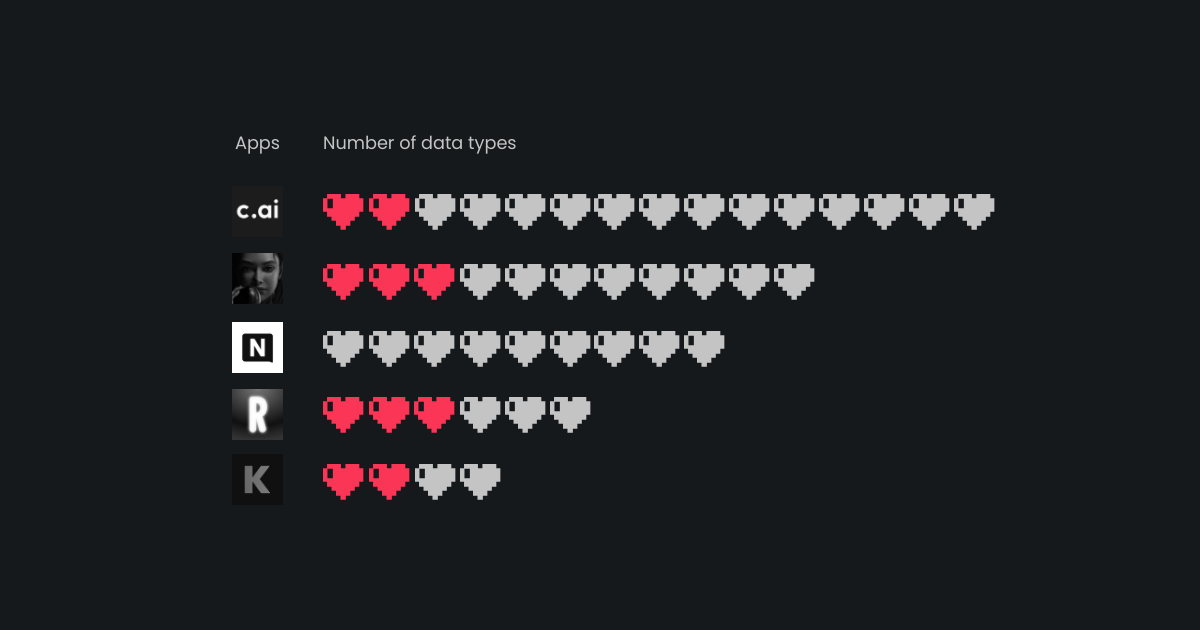
Data privacy concerns in AI companion apps - Surfshark
As AI grows, digital companions help with loneliness but raise questions about user data privacy. Many seek virtual relationships, but it's important to remember they are business-driven, not personal bonds.
The Fantasy of Cozy Tech
From the “cozy gaming” trend to a new generation of A.I. companions, our devices are trying to swathe us in a digital and physical cocoon.

Digital Placemaking

What does it mean to make a digital space into a place?

Gradients of intimacy and creating shelter: An interview with Erin Kissane
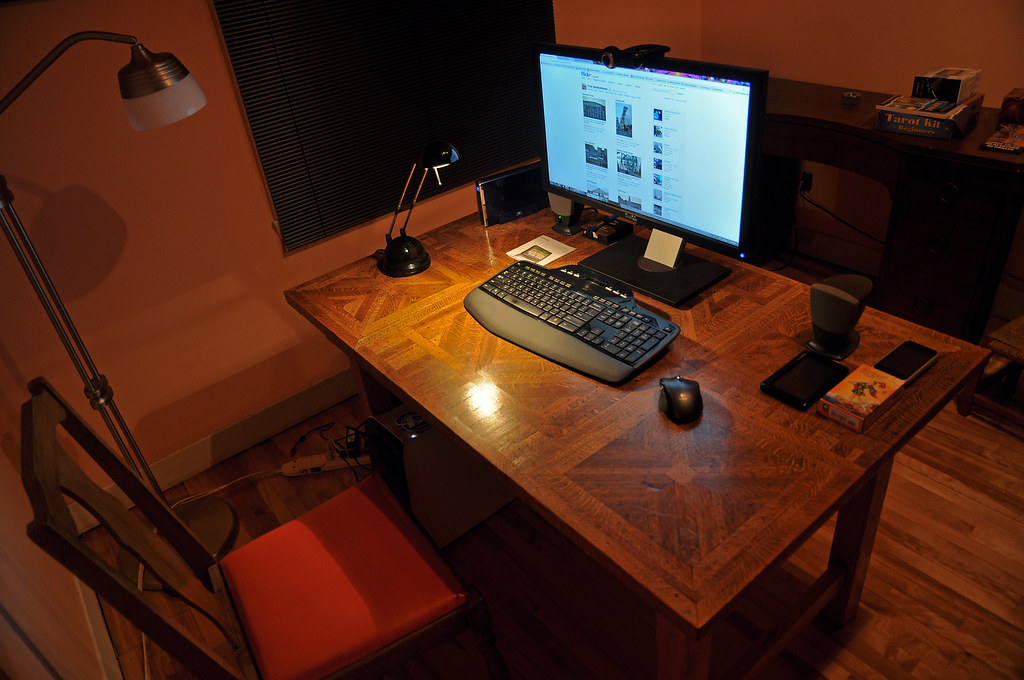
When the Internet Was a Place - Front Porch Republic

Law and Borders - the Rise of Law in Cyberspace
AI and the future of digital public squares
Ambient Co-presence

Spatial Communication in Level Design