

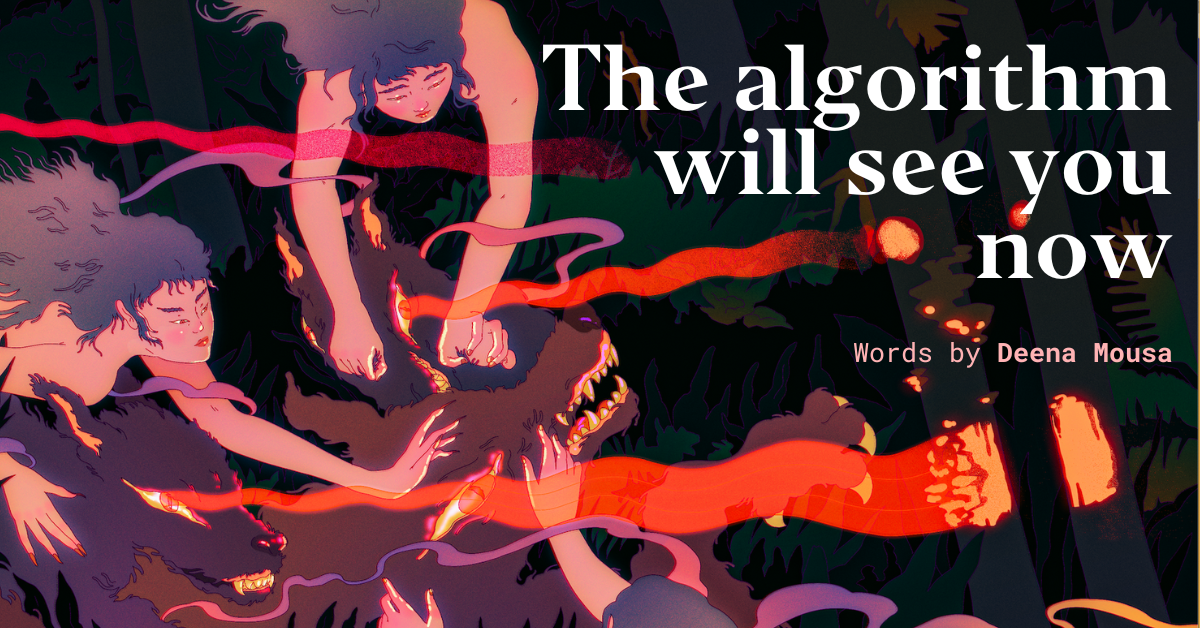
Radiology combines digital images, clear benchmarks, and repeatable tasks. But replacing humans with AI is harder than it seems.
AI Spots Pancreatic Cancer Years Before It Shows Up, Study Finds
An artificial intelligence system can spot pancreatic cancer long before it shows up on scans, raising the prospect of catching one of the deadliest tumors early enough to successfully treat, a study found.

Using AI Made Doctors Worse at Spotting Cancer Without Assistance
A new study offers the latest evidence of potential “deskilling” effects on AI users.
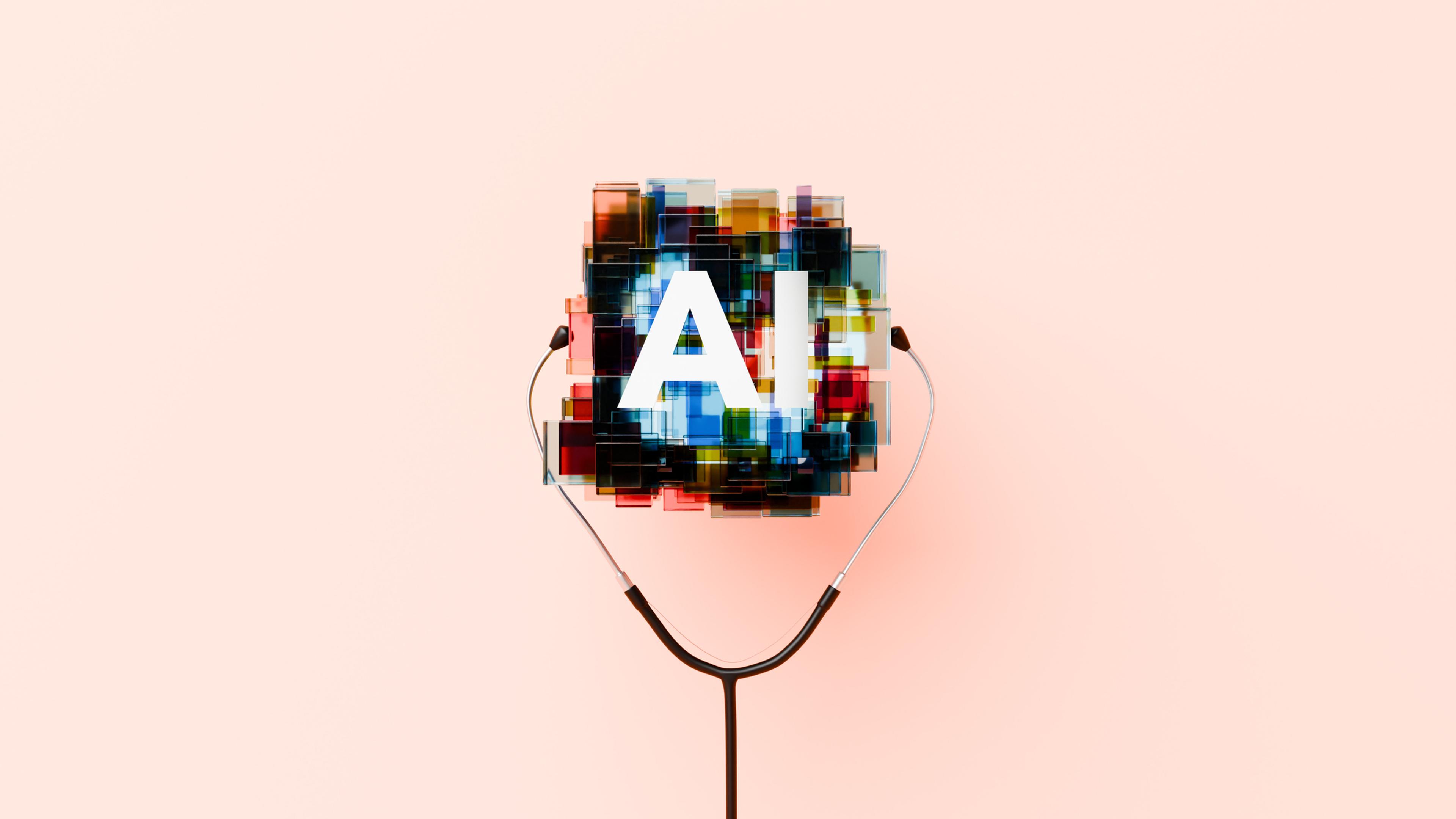
NEJM retracts case study for AI-manipulated imagery
An “Images in Clinical Medicine” item in the New England Journal of Medicine has been retracted after the authors acknowledged using AI to alter the photo. Y. Wang, X. Mu/© The New Engl…
Company Offering ‘100% Human-Written, Never AI’ Medical Research Is Entirely AI
Research Gold's team of human methodologists are either AI generated or using the identity of real people without their permission
Company Offering ‘100% Human-Written, Never AI’ Medical Research Is Entirely AI
Research Gold's team of human methodologists are either AI generated or using the identity of real people without their permission
Medical Algorithms Are Failing Communities Of Color
Medical algorithms routinely make decisions about patients’ health care, yet they are rife with bias. Health equity must be built into the development and deployment of these health algorithms.
Doctor forced to apologise after AI makes 'scary' error about illegal drugs
Artificial Intelligence is listening to many people's medical appointments, but it is not always hearing things correctly.
Accelerating Science with Human+AI Review
This issue of NEJM AI features the first two articles published through our accelerated human+AI review process. In this editorial, we describe the invitation-only “Fast Track” process used to revi...

AI model detects very early normally ‘invisible’ tissue changes of pancreatic cancer
An AI model (REDMOD) can pick up the very early subtle tissue changes of pancreatic ductal adenocarcinoma, the most common form of pancreatic cancer, which conventional imaging and the human eye find difficult to detect, finds research published online in the journal Gut. As such, it offers the potential to shift an all too common late stage, terminal disease diagnosis to one that is at an early stage (stage 0) and treatable, say the researchers. While REDMOD was more accurate than experienced radiologists, it requires testing in high risk patients, defined as those with unexpected weight loss and newly diagnosed diabetes, before it can be widely used in clinical practice, they add.
Preparing Physicians for the Clinical Algorithm Era
The U.S. government recently took steps to ensure that clinical decision support algorithms are safe for clinical use. The next and larger step will be teaching physicians how to use the algorithms ...

Preparing Physicians for the Clinical Algorithm Era
The U.S. government recently took steps to ensure that clinical decision support algorithms are safe for clinical use. The next and larger step will be teaching physicians how to use the algorithms ...
Is AI ruining our skills? Early results are in — and they’re not good
Reliance on artificial-intelligence tools degrades the abilities of physicians and software engineers, studies show.

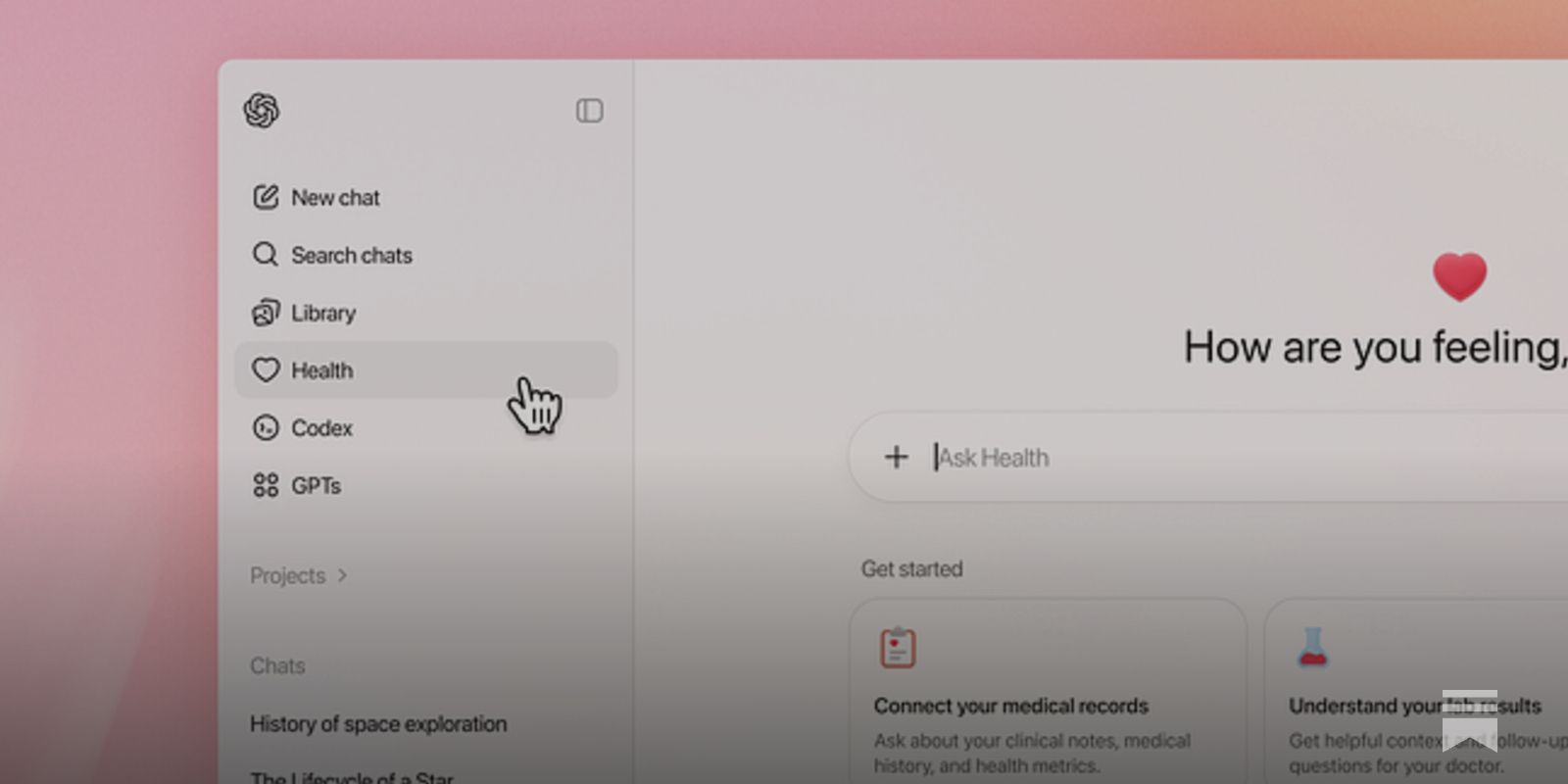
ChatGPT Health and what AI can do for a broken system
Healthcare isn’t working for patients or doctors, but AI tools can help.
The influence of artificial intelligence on individuals with disabilities
The rapid advancement of artificial intelligence (AI) is reshaping assistive technologies, offering new possibilities for enhancing the independence, …
And this includes any all scientific uses of AI and indeed any computational system, weather prediction, cancer research, medical imaging, mathematics, please just don't claim it's fine if you don't research automation in those areas. I'll post further resources below...

Emily M. Bender
But speaking of staying in one's lane, can we PLEASE switch the default position from "It's fine to use 'AI' for this thing I'm not an expert in" to "Yeah, I'd be really skeptical of any use cases and need to see strong evidence that it's okay, but I'm not the one who can produce that evidence"?
