


attacking the NDA problem with standards networks
From ZK-first to AT Protocol — our path to DDS | Agora Citizen Network
We've been building Agora — a platform for public deliberation using Polis-style clustering — for a while now. Along the way, we've written about what we think about Nostr, AT Protocol, Polis, Community Notes, and protocol interoperability. Those posts are somewhat outdated now. This one describes w...

Entering the Age of Networks - Of Souls & Silos
Institutions are out, networks are in. What are the consequences, the perils and the promise? Originally published in The Orange County Register, March 5, 2015 Everyone’s interested in human networks these days. How to make them work, how to structure…

Apple's Assault on Standards - Infrequently Noted
By subverting the voluntary nature of open standards, Apple has defanged them as tools that users can employ against the totalising power of native apps in their digital lives. This high-modernist approach is antithetical to the foundational commitments of internet standards bodies and, over time, erode them.
What people in the global majority need from networks
Or really, what some people in the global majority/Majority World need from networks, but that's too long for a headline.

Centralization, Decentralization, and Internet Standards
This document discusses aspects of centralization that relate to Internet standards efforts. It argues that, while standards bodies have a limited ability to prevent many forms of centralization, they can still make contributions that assist in the decentralization of the Internet.
Home - Nos: The Human Network
A decentralised mesh of communities and individuals built by and for the people. Nos is social media for humans, not algorithms.

We Need A New Kind Of Data Rights
Associational data rights would empower communities to reclaim power from Big Tech
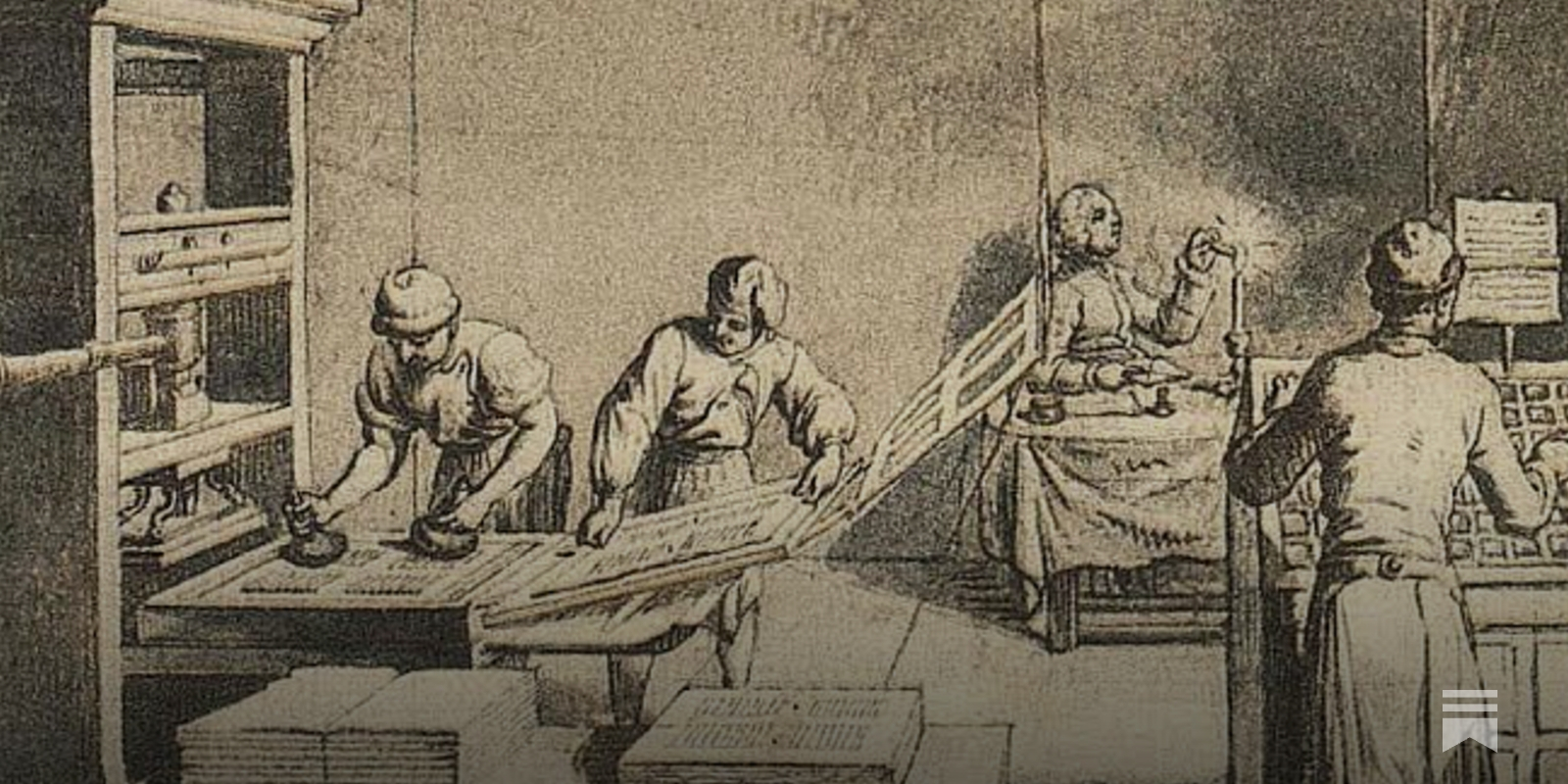
Knowledge Networks and the Politics of Protocols
Harmony without loss of Variety; Variety without loss of Harmony.

Chad Kohalyk (@chadkoh@indieweb.social)
Web publishing is facing its next challenge: a new iteration of centralizing platforms. BUT there is also a new wave of open protocols and standards that can help us gain our independence. Next month in NYC we are gathering a group of frontier technologists and popular web publishers to discuss how we can sail into this next platform shift as captains. #ProtocolsForPublishers https://pfp.unternet.co
AI Agent Standards: Navigating New NIST Governance | Nemko Digital
NIST's new AI agent standards are here. Learn what they mean for AI governance, compliance, and liability. Get ahead of the new regulations.

How can open social protocols fail us in 2025 | shazow.net
Let’s compare the possible failure modes of various open social protocols: ActivityPub/Mastodon ATProto/Bluesky Farcaster/Warpcast Some scenarios I’d like to …
There Are No Standards Police
No one requires tech companies or open source projects to use most Internet standards, and no one requires people to use them either. This post explains why the voluntary nature of its standards are critical to the Internet's health.

Indigenous Data Sovereignty (DDN3-A11)
This article explores Indigenous data sovereignty, identifies some of the data-related challenges faced by Indigenous Peoples and highlights the work done to overcome these challenges.

Preventing AI extractivism: the case for braiding indigenous data justice with ABS for stronger AI data governance
Artificial-intelligence systems are rapidly reproducing colonial extractivism by harvesting Indigenous linguistic, biometric, geospatial, and ecological data without consent, compensation, or accountability. Biotechnology offers a blueprint for curbing such practices: the Convention on Biological Diversity and its Nagoya Protocol obligate users of genetic resources to obtain Prior Informed Consent, negotiate Mutually Agreed Terms, and share benefits fairly. No comparable framework restrains the digital appropriation that underpins many AI products. Consequently, corporations and states monetize Indigenous knowledge systems under the banners of “open data” and “scientific neutrality,” eroding rights affirmed in the United Nations Declaration on the Rights of Indigenous Peoples (UNDRIP). In response to this rising risk of AI extractivism, we make the case for a binding, sui generis ABS protocol for AI data governance. First, through a series of case studies we demonstrate that AI extraction mirrors the colonial and biopiracy controversies that originally triggered Access‑and‑Benefit‑Sharing (ABS) rules in biotechnology. Second, we translate those rules into a digital register by braiding two Indigenous data‑governance frameworks—OCAP® (Ownership, Control, Access, Possession) and the CARE Principles (Collective Benefit, Authority to Control, Responsibility, Ethics)—inside the ABS triad of consent, terms, and benefit‑sharing. The resulting model grounds technical safeguards in relational accountability and Indigenous legal orders. Such an instrument would compel transparent negotiations with Indigenous rights‑holders, assign enforceable authority over data across the AI lifecycle, and require equitable redistribution of the economic value generated by models trained on Indigenous data. Embedding ABS principles into AI governance offers a decolonial pathway that centers Indigenous epistemologies, promotes ethical foresight, and transforms AI from a vehicle of digital colonialism into a space for algorithmic justice.

Web publishing is facing its next challenge: a new iteration of centralizing platforms. BUT there is also a new wave of open protocols+standards to gain independence. Next month in NYC let's discuss how we can sail into this next platform shift as captains. #ProtocolsForPublishers pfp.unternet.co
Protocols for Publishers
pfp.unternet.co