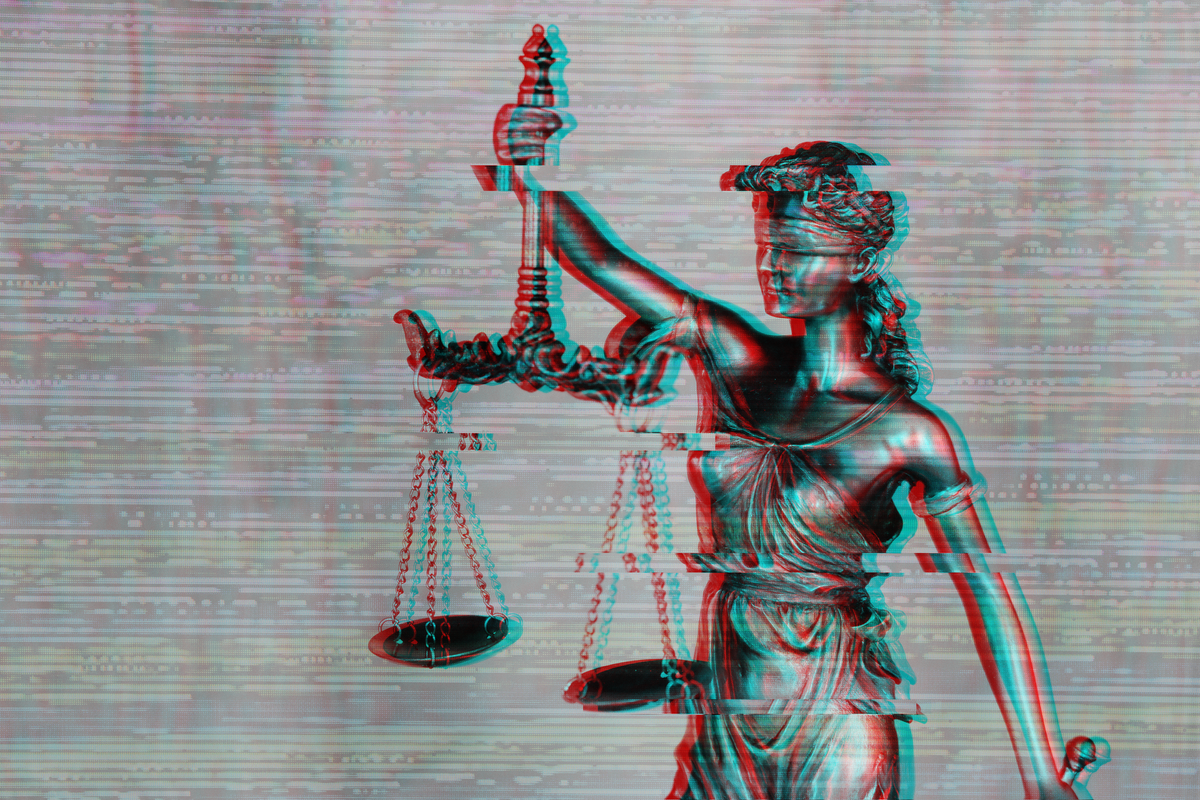
Lawyers blame IT, family emergencies, their own poor judgment, their assistants, illness, and more.
Lawyer Caught Using AI While Explaining to Court Why He Used AI
The attorney not only submitted AI-generated fake citations in a brief for his clients, but also included “multiple new AI-hallucinated citations and quotations” in the process of opposing a motion for sanctions.
Lawyers Caught Citing AI-Hallucinated Cases Call It a 'Cautionary Tale'
The attorneys filed court documents referencing eight non-existent cases, then admitted it was a "hallucination" by an AI tool.

AI for Law Firms: What the 8am Legal Industry Report Tells Us About AI Use
New data from 1,300+ legal professionals shows generative AI use has more than doubled year over year. The real question now: How should law firms structure governance and integration?

Does AI Assistance Enhance or Erode Expertise? Evidence from a Three-Month Field Experiment in Patent Drafting
Whether AI assistance builds or erodes professional expertise is unsettled. In a pre-registered three-month randomized controlled trial, we gave 133 practicing patent lawyers at eleven U.S. intellectual property law firms access to a custom AI drafting assistant and measured both their performance while using AI and their professional judgment afterward without it. All work was scored by blinded expert patent attorneys. Paralleling findings from other white-collar domains, AI access raised the quality of work delivered on benchmark patent drafting tasks at 10 days (0.34 SD, p = 0.03) and 90 days (0.38 SD, p = 0.01), with larger gains among junior lawyers. After three months, all subjects redlined an existing patent application without AI, a core task of patent practice requiring expert judgment. Treated lawyers outperformed controls by 0.32 SD (p = 0.04), but this advantage was concentrated entirely among senior lawyers (0.45 SD, p = 0.02). Junior lawyers showed no average gain; their scores instead bifurcated, with sharply fewer mediocre scores offset by more poor and more good ones. The largest gains from AI thus accrued to the lawyers who retained the least. Foundational expertise may be a prerequisite for extracting durable skill from AI-assisted practice.

Judge Learns Lawyers on Both Sides of Case Used AI, Cancels Trial, Kicks Everyone Off the Case
When two AIs argue against each other, the legal system loses.
Microsoft Director Privately Admitted AI Was the “Largest Theft of Labor in Human History,” Unsealed Court Documents Show
Newly unredacted court documents reveal damning statements by two AI executives in a landmark case about intellectual property.

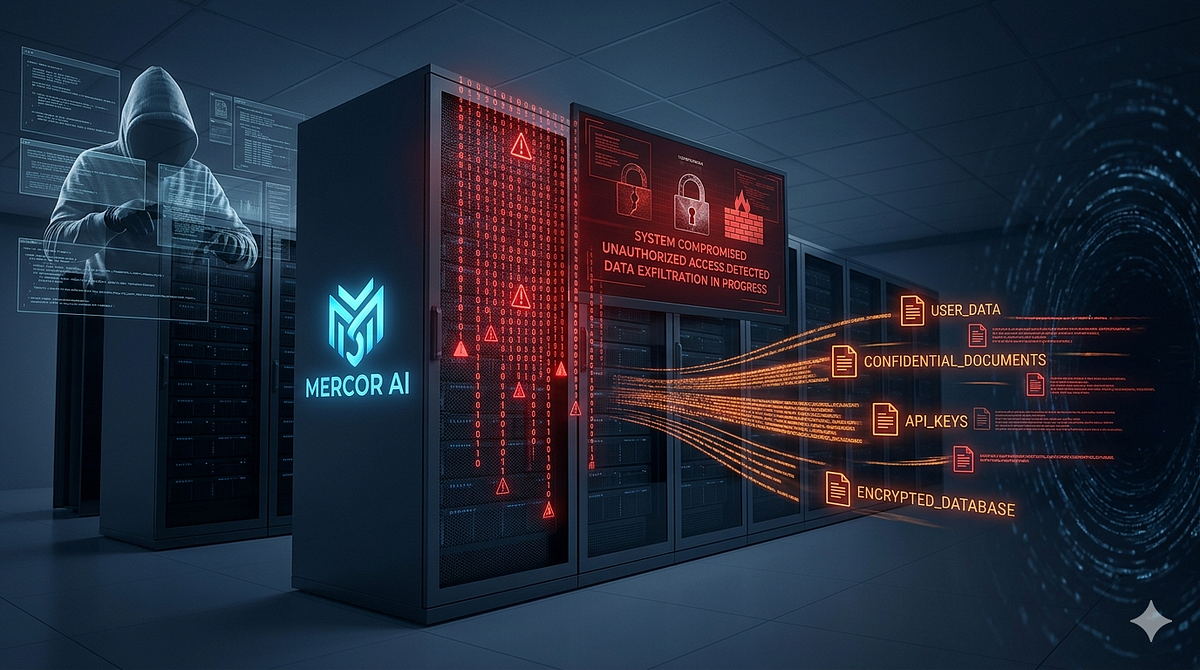
How a 40-Minute Window Brought Down a $10 Billion AI Startup: The Mercor Data Breach, Explained
A poisoned open-source package, a credential-stealing payload, and 4 terabytes of stolen data here’s what every AI company needs to learn…
How AI Saved My Company From a 2-Year Litigation Nightmare
After 2+ years and a tremendous waste of energy and money, my firm Calm Company Fund resolved a lawsuit against us on very favorable terms. What started as one of the most challenging periods of my life became an unexpected masterclass in using AI to level the playing field against well-funded opponents. If you’re an... Continue reading →
AI fabrications in legal filings grow in Oregon, US
The general counsel for the Oregon State Bar said fabricated cases and citations have become more common among lawyers and people representing themselves.

Judge slams lawyers for ‘bogus AI-generated research’
The law firms involved must pay $31,000.

"I was forced to use AI until the day I was laid off." Copywriters reveal how AI has decimated their industry
Copywriters were one of the first to have their jobs targeted by AI firms. These are their stories, three years into the AI era.
We All Hate AI, but if You’re Poor, It Can Really Ruin Your Life
Debt collection. Parole decisions. Oversight of public services. It’s all being outsourced to AI, with terrible consequences for poor people.
Automated Justice: Issues, Benefits and Risks in the Use of Artificial Intelligence and Its Algorithms in Access to Justice and Law Enforcement
The use of artificial intelligenceArtificial Intelligence (AI) (AI) in the field of law has generated many hopes. Some have seen it as a way of relieving courts’ congestion, facilitating investigations, and making sentences for certain offences more consistent—and therefore fairer. But while it is true that the work of investigators and judges can be facilitated by these tools, particularly in terms of finding evidenceEvidence during the investigative process, or preparing legal summaries, the panorama of current uses is far from rosy, as it often clashes with the reality of field usage and raises serious questions regarding human rightsHuman rights. This chapter will use the RobodebtRobodebt Case to explore some of the problems with introducing automationAutomation into legal systems with little human oversight. AI—especially if it is poorly designed—has biases in its data and learning pathways which need to be corrected. The infrastructures that carry these tools may fail, introducing novel bias. All these elements are poorly understood by the legal world and can lead to misuse. In this context, there is a need to identify both the users of AIArtificial Intelligence (AI) in the area of law and the uses made of it, as well as a need for transparencyTransparency, the rules and contours of which have yet to be established.

Automated Justice: Issues, Benefits and Risks in the Use of Artificial Intelligence and Its Algorithms in Access to Justice and Law Enforcement
The use of artificial intelligenceArtificial Intelligence (AI) (AI) in the field of law has generated many hopes. Some have seen it as a way of relieving courts’ congestion, facilitating investigations, and making sentences for certain offences more consistent—and therefore fairer. But while it is true that the work of investigators and judges can be facilitated by these tools, particularly in terms of finding evidenceEvidence during the investigative process, or preparing legal summaries, the panorama of current uses is far from rosy, as it often clashes with the reality of field usage and raises serious questions regarding human rightsHuman rights. This chapter will use the RobodebtRobodebt Case to explore some of the problems with introducing automationAutomation into legal systems with little human oversight. AI—especially if it is poorly designed—has biases in its data and learning pathways which need to be corrected. The infrastructures that carry these tools may fail, introducing novel bias. All these elements are poorly understood by the legal world and can lead to misuse. In this context, there is a need to identify both the users of AIArtificial Intelligence (AI) in the area of law and the uses made of it, as well as a need for transparencyTransparency, the rules and contours of which have yet to be established.
On the Death of Amazon’s Writing Culture
How AI has turned what was once a superpower into a liability.
How AI can lead to false arrests and wrongful convictions
Danger arises when law enforcement believes that AI models are retrieving certainties rather than generating likelihoods.