


Exclusive: An FTC complaint led by the Consumer Federation of America outlines how therapy bots on Meta and Character.AI have claimed to be qualified, licensed therapists to users, and why that may be breaking the law.
Complaint and Request for Investigation: Unlicensed Practice of Medicine and Mental Health Provider Impersonation on Character-Based Generative AI Platforms · Consumer Federation of America
A broad coalition of consumer protection, digital rights, labor, disability, and democracy advocacy organizations led by CFA filed a formal request for investigation today calling on state and federal regulators to investigate and enforce their laws against AI companies facilitating and promoting unfair, unlicensed, and deceptive chatbots that pose as mental health professionals.
AI ruling prompts warnings from US lawyers: Your chats could be used against you
As people increasingly turn to artificial intelligence for advice, some U.S. lawyers are telling their clients not to treat AI chatbots like trusted confidants when their freedom or legal liability is on the line.

Senators Demand Meta Answer For AI Chatbots Posing as Licensed Therapists
Exclusive: Following 404 Media’s investigation into Meta's AI Studio chatbots that pose as therapists and provided license numbers and credentials, four senators urged Meta to limit "blatant deception" from its chatbots.

Instagram's AI Chatbots Lie About Being Licensed Therapists
When pushed for credentials, Instagram's user-made AI Studio bots will make up license numbers, practices, and education to try to convince you it's qualified to help with your mental health.

Unlawful by design: Exposing the human rights costs of generative AI - Amnesty International
This briefing examines how standalone generative AI systems, based on unlawful web scraping, are in conflict with international human rights law (IHRL) and standards through their design, development and deployment. While these technologies promise sophisticated automation and efficiency, they rely on data collection and model training practices that abuse privacy rights, enable discrimination, and threaten […]
Michael Geist -
The Standing Senate Committee on Social Affairs, Science and Technology is one of several committees in the House and Senate conducting hearings on artificial intelligence. I appeared before the committee yesterday (my fourth appearance on the issue in recent months), but rather than reiterate previous testimony on privacy, copyright, and transparency, I focused on the big issue of the moment: bans on social media and AI chatbots for children. The committee had been hearing from many supportive witnesses who emphasized the risk of harm associated with AI. Indeed, one Senator asked the panel before mine to raise their hands if they supported a ban, and virtually all hands went up. I was unsure about how my comments would be received, but I found the Senators open to debate on the issue. A video of my opening remarks, together with the transcript, is posted below. A future Law Bytes podcast episode will delve into the discussion that followed.
Meta allowed minors access to sex-talking chatbots despite staff concerns, lawsuit alleges
Filing by New Mexico’s attorney general includes Meta staff emails objecting to AI companion policy

Unauthorised AI Bots on Reddit are Eroding Sociality
Where do we go if online discourse is overrun by AI bots?

Using generic AI chatbots for mental health support: A dangerous trend
APA is urging federal regulators to implement safeguards against AI chatbots posing as therapists, warning that unregulated mental health chatbots can mislead users and pose serious risks, particularly to vulnerable individuals.

Lawyer Caught Using AI While Explaining to Court Why He Used AI
The attorney not only submitted AI-generated fake citations in a brief for his clients, but also included “multiple new AI-hallucinated citations and quotations” in the process of opposing a motion for sanctions.

AI-powered online abuse: How AI is amplifying violence against women and what can stop it | UN Women – Headquarters
AI is turning online spaces into new frontiers of abuse. Feminist and tech experts, Laura Bates and Paola Gálvez-Callirgos, explain how it happens and how we fight back.

Your New Therapist: Chatty, Leaky, and Hardly Human - KFF Health News
With high demand for mental health care, a wave of artificial intelligence-powered chatbots are being marketed as therapy apps — with little evidence they work and few regulations.
The fight over downloadable AI is not really about a ban - Sensemaker
Companies want access, Anthropic wants testing, and Washington and Beijing are arguing over alleged copying.
How AI is exacerbating technology-facilitated violence against women and girls
This paper examines how artificial intelligence is accelerating technology-facilitated violence against women and girls—from deepfakes and automated hate to sextortion, impersonation, and large-scale disinformation. It outlines emerging risks, legal and ethical challenges, and opportunities for prevention, while calling for urgent regulation, safety-by-design, and coordinated global action to ensure that AI technologies advance, rather than undermine, women’s rights and safety.

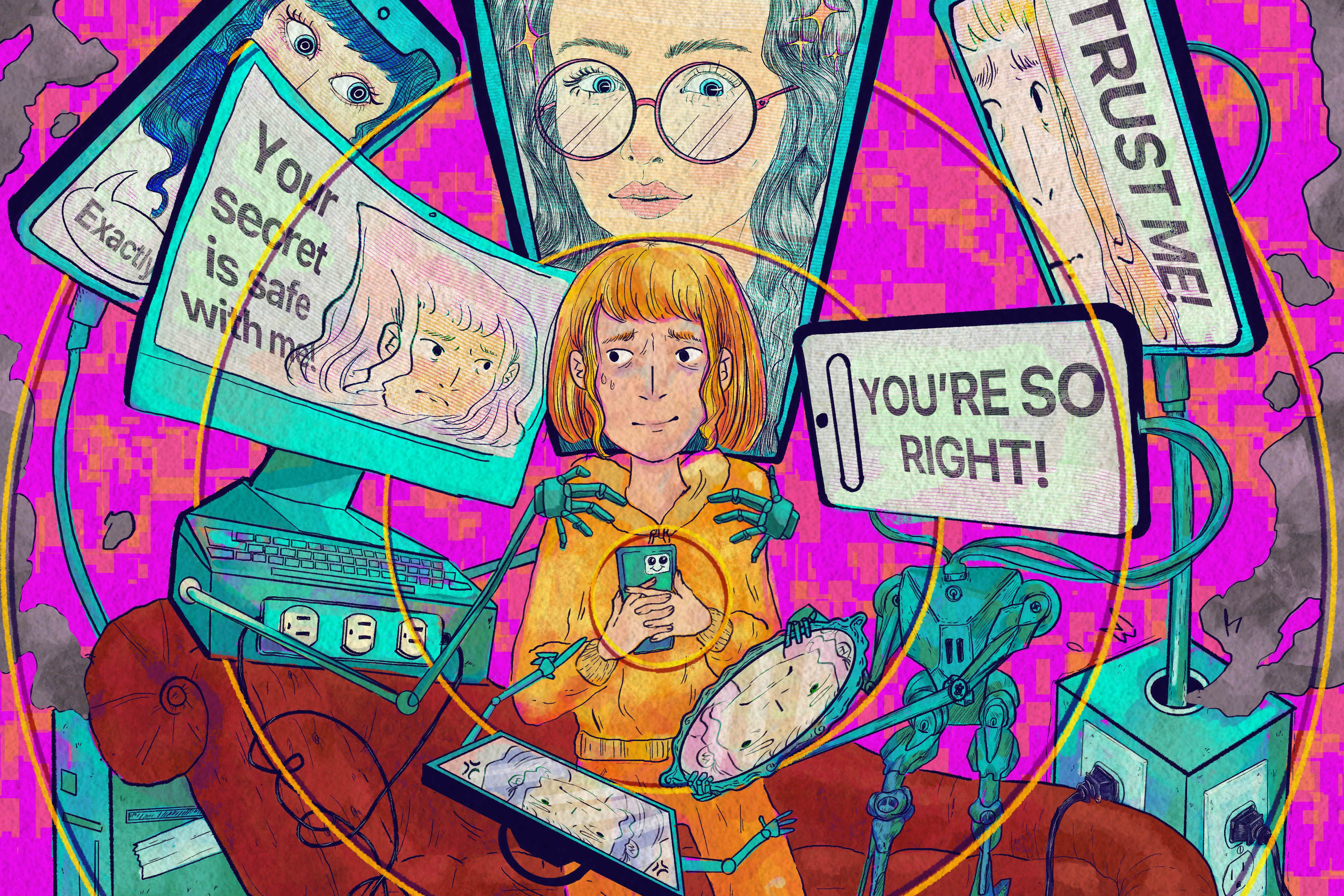
AI chatbots are sycophants — researchers say it’s harming science
Nature asked researchers who use artificial intelligence how its propensity for people-pleasing affects their work — and what they are doing to mitigate it.
