


A newly published study of how college students interact with chatbots and human strangers showed talking to a random person offers more connection than an LLM.
The scientific case for being nice to your chatbot
New research confirms that LLMs often perform better when you encourage them. But why?
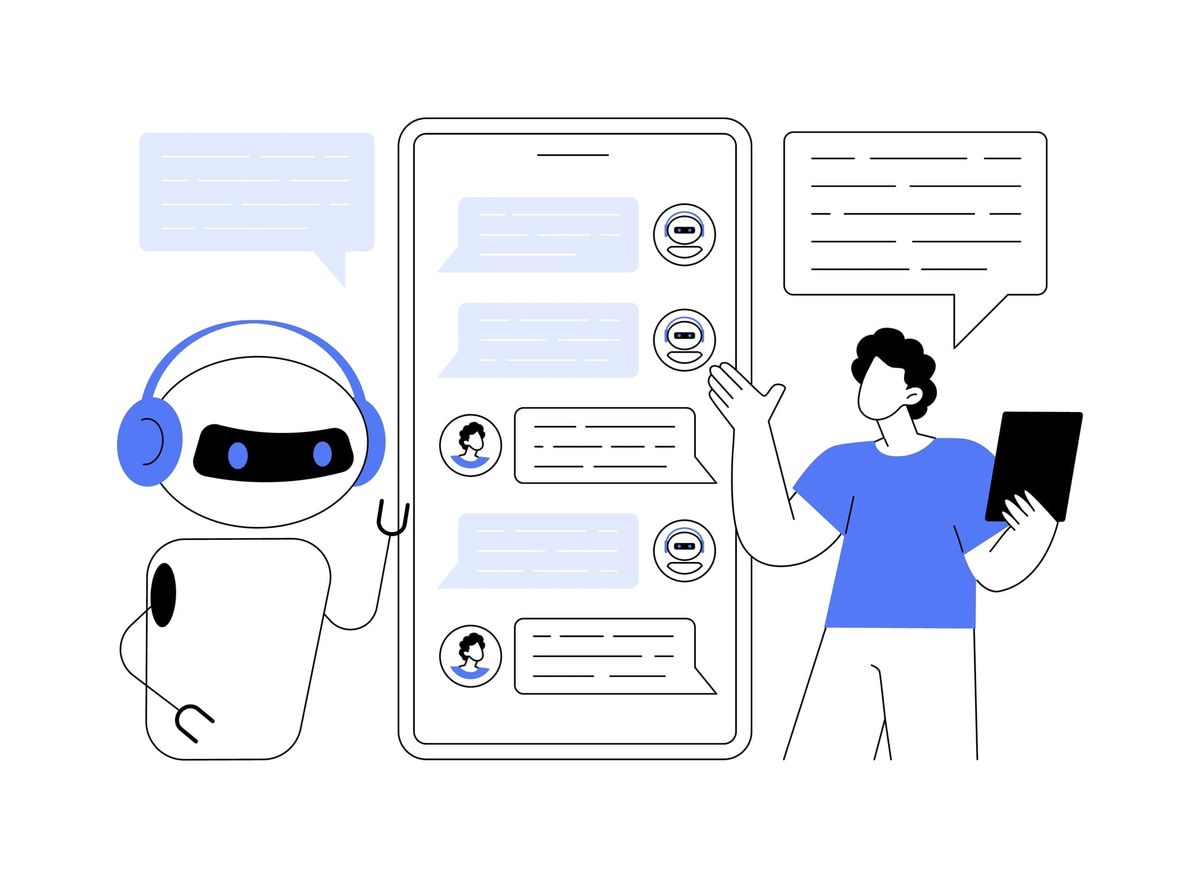
Are Chatbots Harming Our Relationships? | KQED
As our relationships with bots deepen, human-AI relationship coach Amelia Miller warns we could wake up one day to find our ability to connect with each other has atrophied, which may leave us feeling profoundly alone.
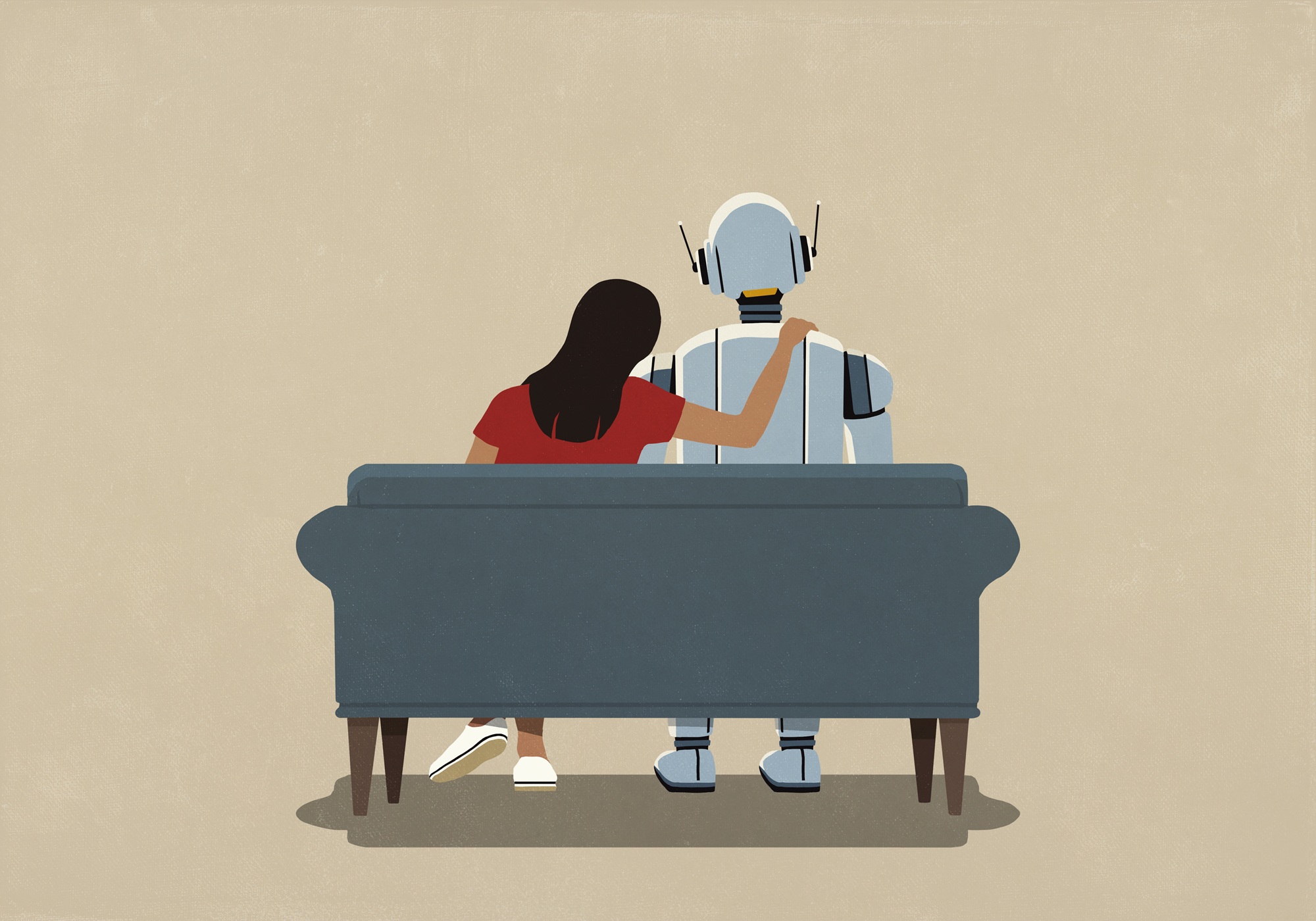
New research: AI chatbots may worsen mental illness
A new study from Aarhus University and Aarhus University Hospital suggests that the use of AI chatbots such as ChatGPT can have serious negative consequences for people with mental illness. The researchers are calling for increased awareness among healthcare professionals and for regulation.

How AI and Human Behaviors Shape Psychosocial Effects of Extended Chatbot Use: A Longitudinal Randomized Controlled Study
As people increasingly seek emotional support and companionship from AI chatbots, understanding how such interactions impact mental well-being becomes critical. We conducted a four-week randomized controlled experiment (n=981, >300k messages) to investigate how interaction modes (text, neutral voice, and engaging voice) and conversation types (open-ended, non-personal, and personal) influence four psychosocial outcomes: loneliness, social interaction with real people, emotional dependence on AI, and problematic AI usage. No significant effects were detected from experimental conditions, despite conversation analyses revealing differences in AI and human behavioral patterns across the conditions. Instead, participants who voluntarily used the chatbot more, regardless of assigned condition, showed consistently worse outcomes. Individuals' characteristics, such as higher trust and social attraction towards the AI chatbot, are associated with higher emotional dependence and problematic use. These findings raise deeper questions about how artificial companions may reshape the ways people seek, sustain, and substitute human connections.

How AI Chatbots Are 'Deskilling' Human Empathy
Sherry Turkle's latest book, Artificial Intimacy: Who We Become When We Talk to Machines, comes out on September 29.
Deaths linked to chatbots
There have been multiple incidents where interaction with a large language model (LLM) chatbot has been cited as a direct or contributing factor in a person's suicide or other fatal outcome. In some cases, legal action was taken against the companies that developed the AI involved.
Be Careful What You Tell Your AI Chatbot | Stanford HAI
A Stanford study reveals that leading AI companies are pulling user conversations for training, highlighting privacy risks and a need for clearer policies.

How to write it like you told it
What do you say to someone who wants to write but struggles with writing and is tempted to use an LLM-based chatbot?

AI chatbots are sycophants — researchers say it’s harming science
Nature asked researchers who use artificial intelligence how its propensity for people-pleasing affects their work — and what they are doing to mitigate it.

AI chatbots are sycophants — researchers say it’s harming science
Nature asked researchers who use artificial intelligence how its propensity for people-pleasing affects their work — and what they are doing to mitigate it.
Human Problems: It’s Not Always The Technology’s Fault
We have met the enemy and he is us. When a teenage boy in Orlando started texting Character.AI’s chatbot, it started as an innocent use of a new tool. Sewell Setzer III customized the chatbot to ha…

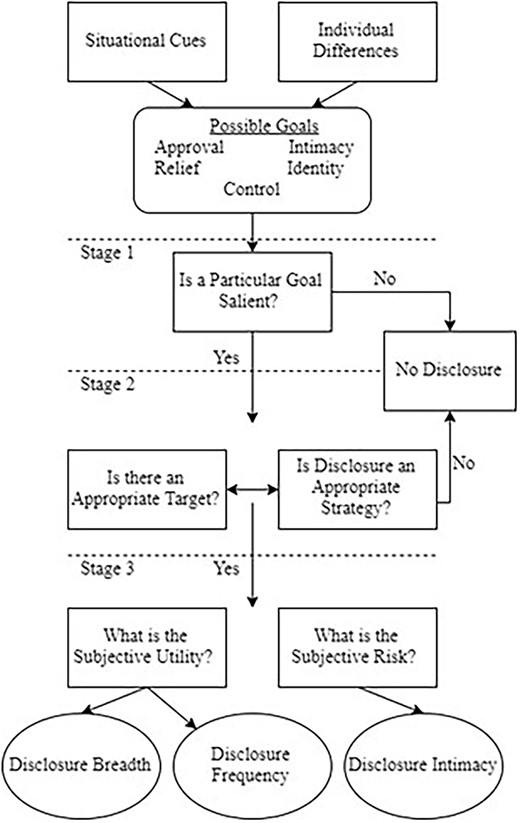
Digital Confessions: The Willingness to Disclose Intimate Information to a Chatbot and its Impact on Emotional Well-Being
Abstract Chatbots have several features that may stimulate self-disclosure, such as accessibility, anonymity, convenience and their perceived non-judgmental nature. The aim of this study is to investigate if people disclose (more) intimate information to a chatbot, compared to a human, and to what extent this enhances their emotional well-being through feelings of relief. An experiment with a 2 (human vs. chatbot) by 2 (low empathetic vs. high empathetic) design was conducted (N = 286). Results showed that there was no difference in the self-reported intimacy of self-disclosure between the human and chatbot conditions. Furthermore, people perceived less fear of judgment in the chatbot condition, but more trust in the human interactant compared to the chatbot interactant. Perceived anonymity was the only variable to directly impact self-disclosure intimacy. The finding that humans disclose equally intimate information to chatbots and humans is in line with the CASA paradigm, which states that people can react in a social manner to both computers and humans.
AI’s ‘Delusional Spirals’ (and What to Do About Them) | Stanford HAI
In a world where chatbots can stand in for friends, counselors, and even lovers, the mental health risks are a growing concern.
Conversational Design — MULE BOOKS
The interaction design book that explains why chatbots tend to suck

Let me tell you a story. Perhaps you can guess where this is going... though it does have a bit of a twist. I was poking around Google Scholar for publications about the relationship between chatbots and wellness. Oh how useful: a systematic literature review! Let's dig into the findings. 🧵
i wouldn't wish it on anyone to deprive them of working through a concept that they want to get across clearly and persuasively to people. i feel bad for people who are so removed from thinking & writing that they don't even recognize what they're avoiding by having chatbots generate stuff for them.

