

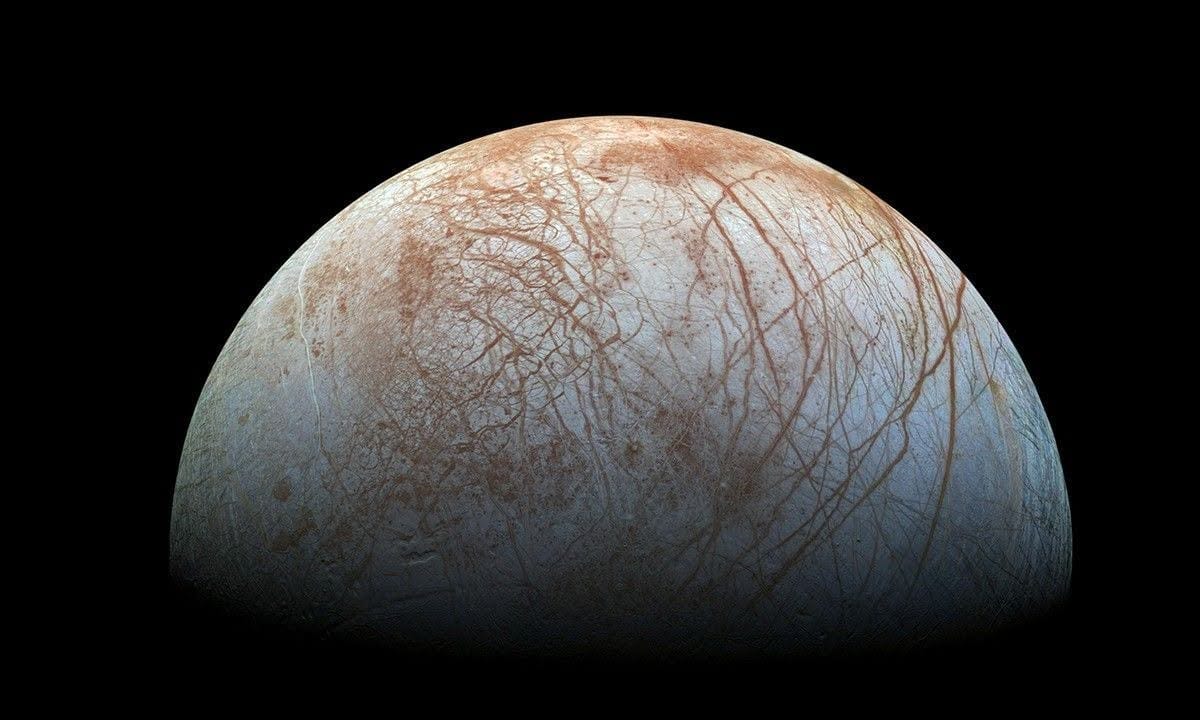
A new study suggests that bacteria dispersed through space on dust grains could potentially arrive intact and alive on Jupiter’s moon Europa.
The Octopus: An Alien Among Us
Self-replicating, bacterial life first appeared on Earth about 4 billion years ago. For most of Earth’s history, life remained at the single-celled level, and nothing like a nervous system existed …

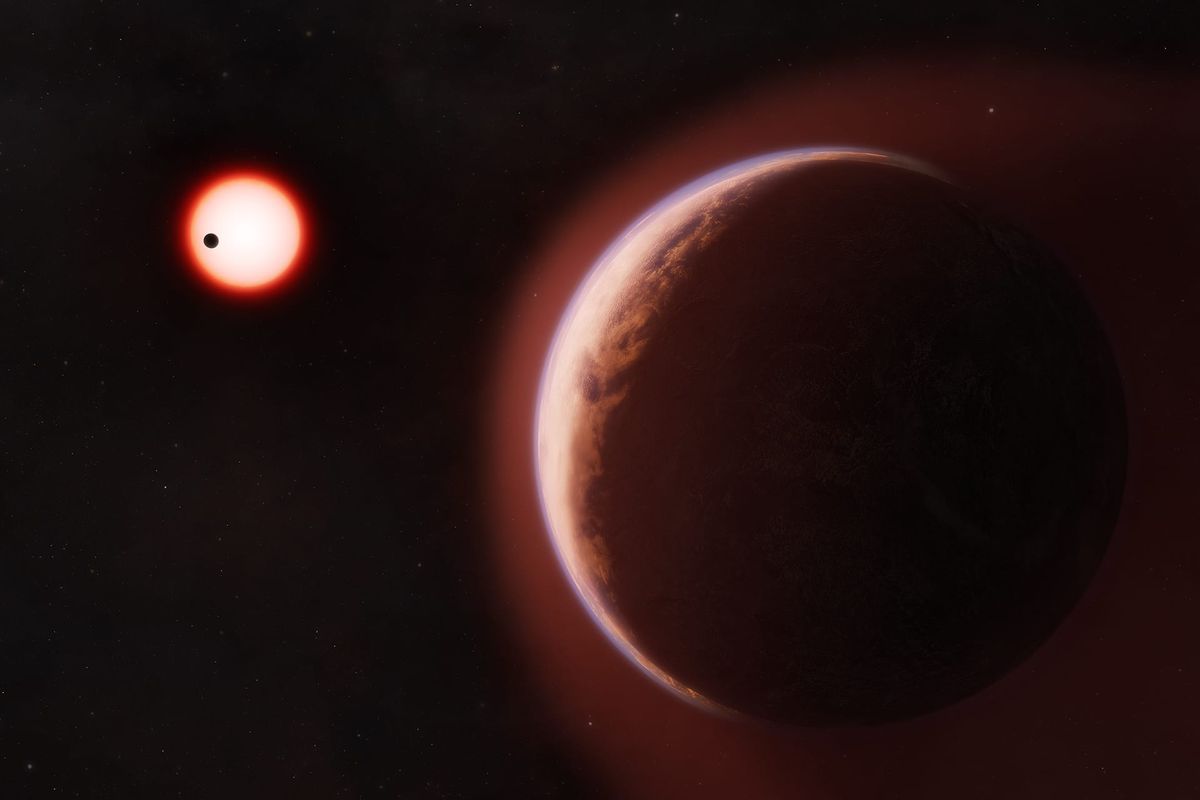
Scientists Discover Planet Has Everything to Host ‘Earth-Like Life’ In Breakthrough
For the first time, scientists found that a rocky planet in the habitable zone of its star has an atmosphere. It’s the best place to look for alien biosignatures, scientists say.
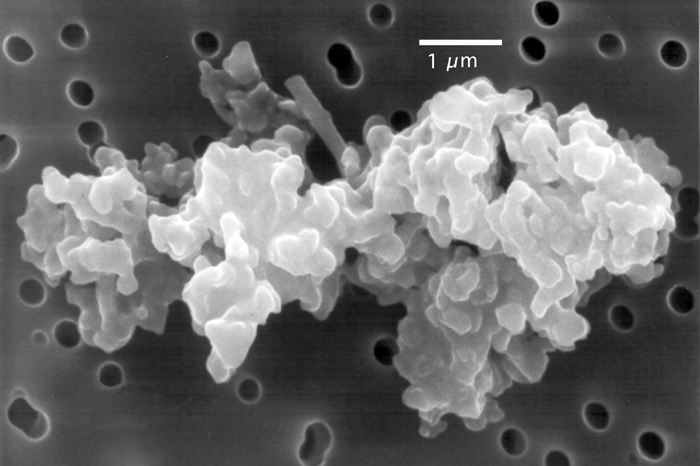
Cosmic dust
Cosmic dust – also called extraterrestrial dust, space dust, or star dust – is dust that occurs in outer space or has fallen onto Earth. Most cosmic dust particles measure between a few molecules and 0.1 mm (100 μm), such as micrometeoroids and meteoroids. Cosmic dust can be further distinguished by its astronomical location: intergalactic dust, interstellar dust, interplanetary dust, and circumplanetary dust. There are several methods to obtain space dust measurement.
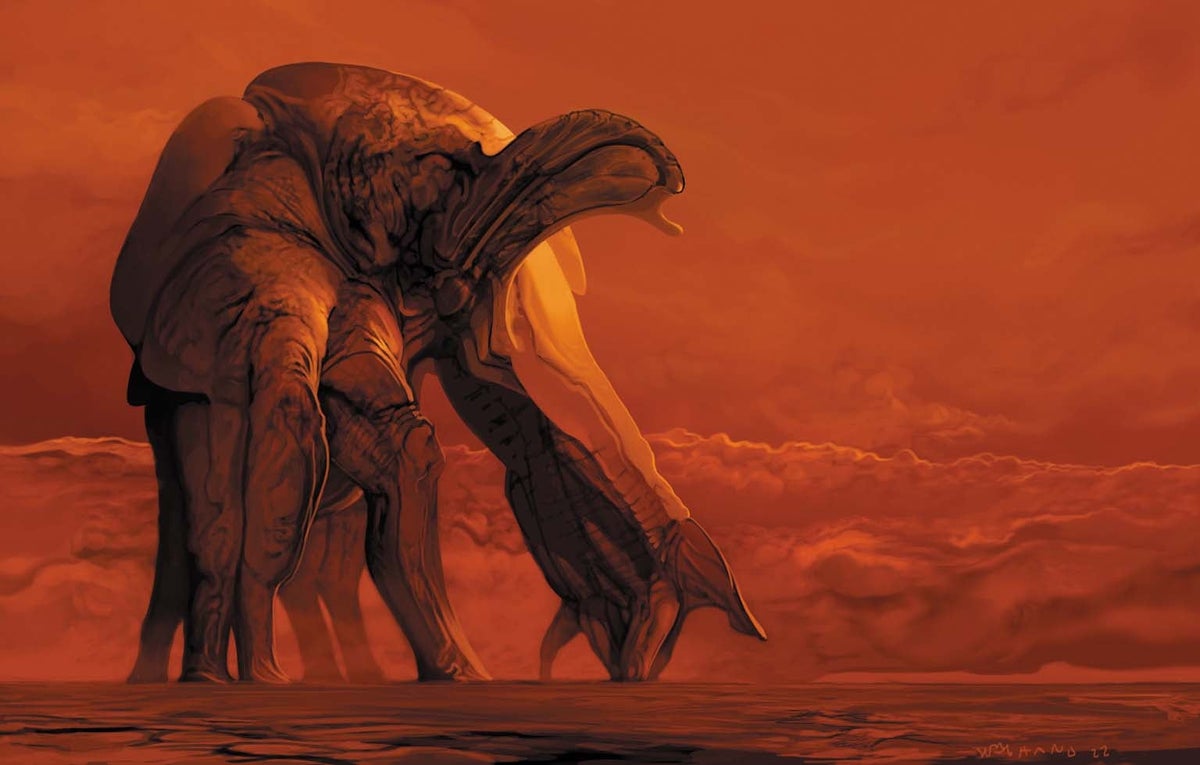
The Search for Extraterrestrial Life as We Don't Know It
Scientists are abandoning conventional thinking to search for extraterrestrial creatures that bear little resemblance to Earthlings
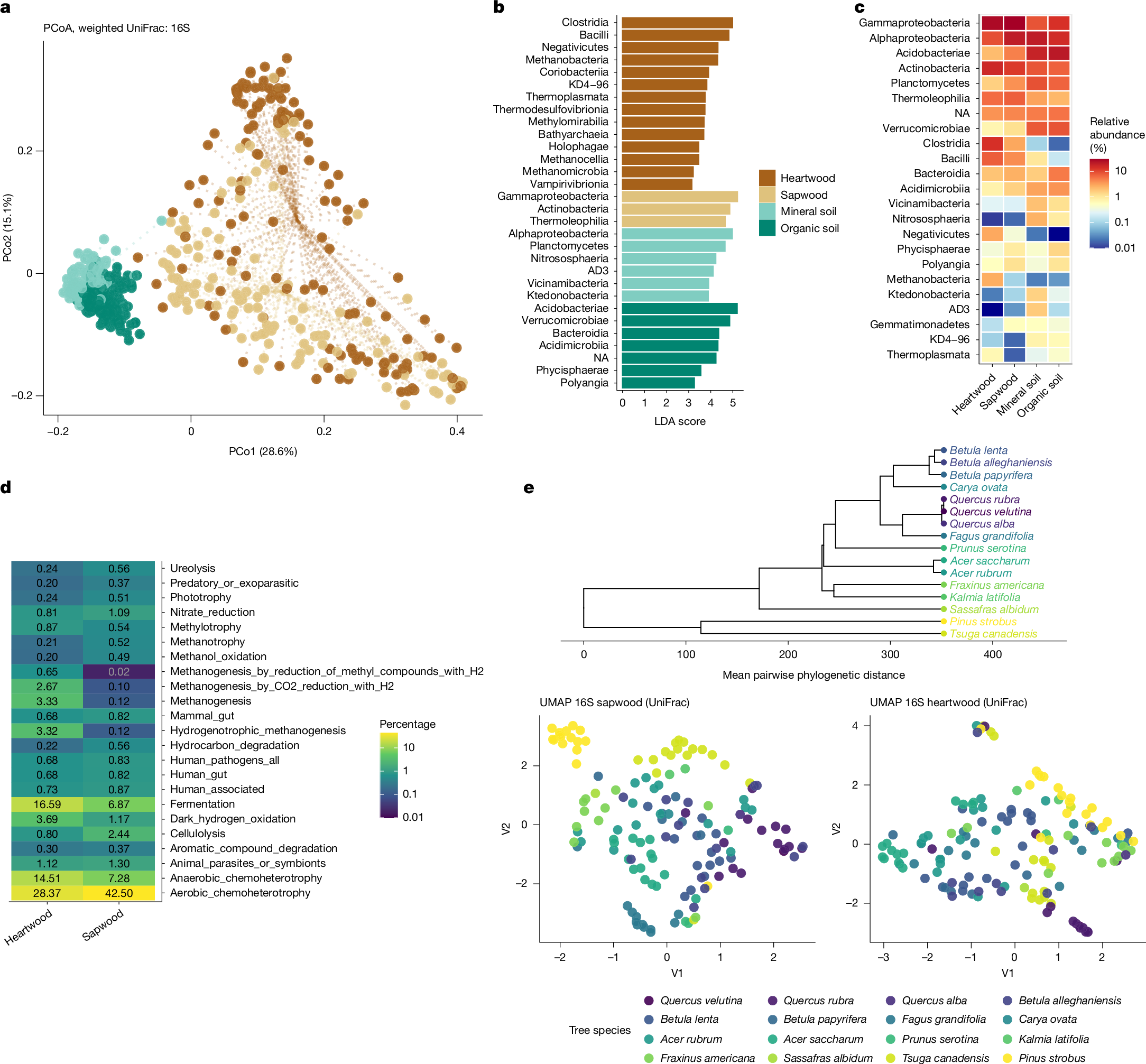
A diverse and distinct microbiome inside living trees
Nature - Microbiome analyses of living trees show that a single tree can host approximately one trillion bacteria, with microbial communities distinctly partitioned between heartwood and sapwood...

Intelligence as a planetary scale process
Conventionally, intelligence is seen as a property of individuals. However, it is also known to be a property of collectives. Here, we broaden the idea of intelligence as a collective property and extend it to the planetary scale. We consider the ways in which the appearance of technological intelligence may represent a kind of planetary scale transition, and thus might be seen not as something which happens on a planet but to a planet, much as some models propose the origin of life itself was a planetary phenomenon. Our approach follows the recognition among researchers that the correct scale to understand key aspects of life and its evolution is planetary, as opposed to the more traditional focus on individual species. We explore ways in which the concept may prove useful for three distinct domains: Earth Systems and Exoplanet studies; Anthropocene and Sustainability studies; and the study of Technosignatures and the Search for Extraterrestrial Intelligence (SETI). We argue that explorations of planetary intelligence, defined as the acquisition and application of collective knowledge operating at a planetary scale and integrated into the function of coupled planetary systems, can prove a useful framework for understanding possible paths of the long-term evolution of inhabited planets including future trajectories for life on Earth and predicting features of intelligentially steered planetary evolution on other worlds.
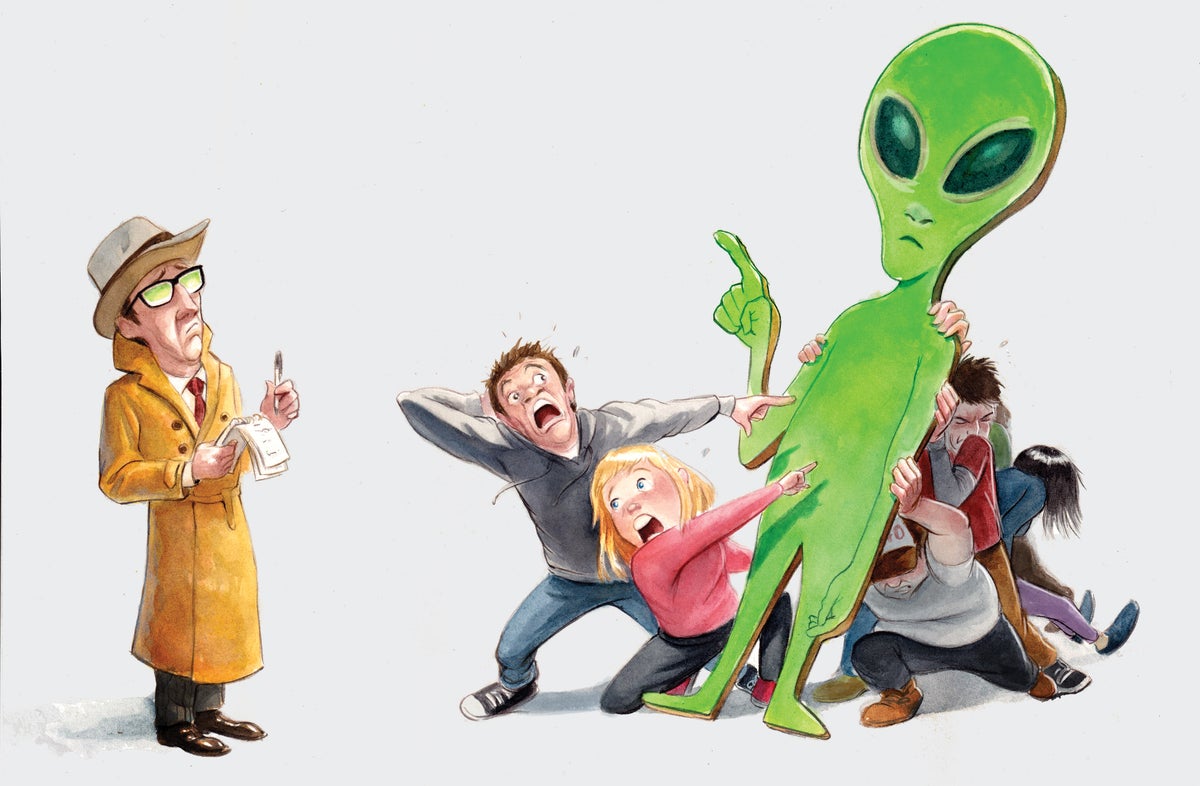
Here's What I Learned as the U.S. Government's UFO Hunter
A forthcoming investigational report from an office of the Pentagon has found no evidence of aliens, only allegations circulated repeatedly by UFO claim advocates
Symbiotic organs in insects: diversity, functional implications, and terminology
Abstract With over a million described species, insects represent the most successful group of animals on Earth. One of the drivers of insect diversity is their ability to engage in multifold beneficial symbioses with microorganisms, often involving specialized host organs to accommodate intra- or extracellular symbionts. The existence of such organs and their importance for sustaining and transmitting beneficial symbionts has been known for over a century, and specific terms have been established for categorizing organs harbouring intracellular bacteria (bacteriomes) or fungi (mycetomes), or cuticular crypts containing extracellular fungi (mycetangia). For others, however, general terms are lacking, e.g. organs containing extracellular bacteria associated with the cuticle or with the digestive tract. Furthermore, previously established terms have been misused in other contexts. Notably, ‘bacteriome’ has been increasingly employed in the microbiome field to refer to bacterial communities, instead of the term’s original meaning of specialized organs housing intracellular bacterial symbionts. Here, we review and categorize the diversity of symbiotic organs in insects and propose a unified terminology. Our hope is that this common language will facilitate communication and thereby support the field of symbiosis research in unravelling commonalities and differences in the evolution, ecology, development, physiology and molecular basis across symbiotic interactions. This article is part of the theme issue ‘Life in natural microcosms’.

Figure 9: The radiance curves of several LEDs useful to mimic the Black...
Download scientific diagram | The radiance curves of several LEDs useful to mimic the Black Body representative of the M stars (from M0 to M8 spectral type). The absorption spectra of several photosynthetic bacteria are also shown. from publication: Simulating super earth atmospheres in the laboratory | Several space missions, such as JWST, TESS and the very recently proposed ARIEL, or ground-based experiments, as SPHERE and GPI, have been proposed to measure the atmospheric transmission, reflection and emission spectra of extrasolar planets. The planet atmosphere... | Atmosphere, Earth and Extrasolar Planets | ResearchGate, the professional network for scientists.

Holobiont
A holobiont is an assemblage of a host and the many other species living in or around it, which together form a discrete ecological unit through symbiosis, though there is controversy over this discreteness. The components of a holobiont are individual species or bionts, while the combined genome of all bionts is the hologenome. The holobiont concept was initially introduced by the German theoretical biologist Adolf Meyer-Abich in 1943, and then apparently independently by Dr. Lynn Margulis in her 1991 book Symbiosis as a Source of Evolutionary Innovation. The concept has evolved since the original formulations. Holobionts include the host, virome, microbiome, and any other organisms which contribute in some way to the functioning of the whole. Well-studied holobionts include reef-building corals and humans.

The Coming Second Copernican Revolution | NOEMA
Astrobiology is rewiring our understanding of the intimate connection between life and planets as they appear in the universe.
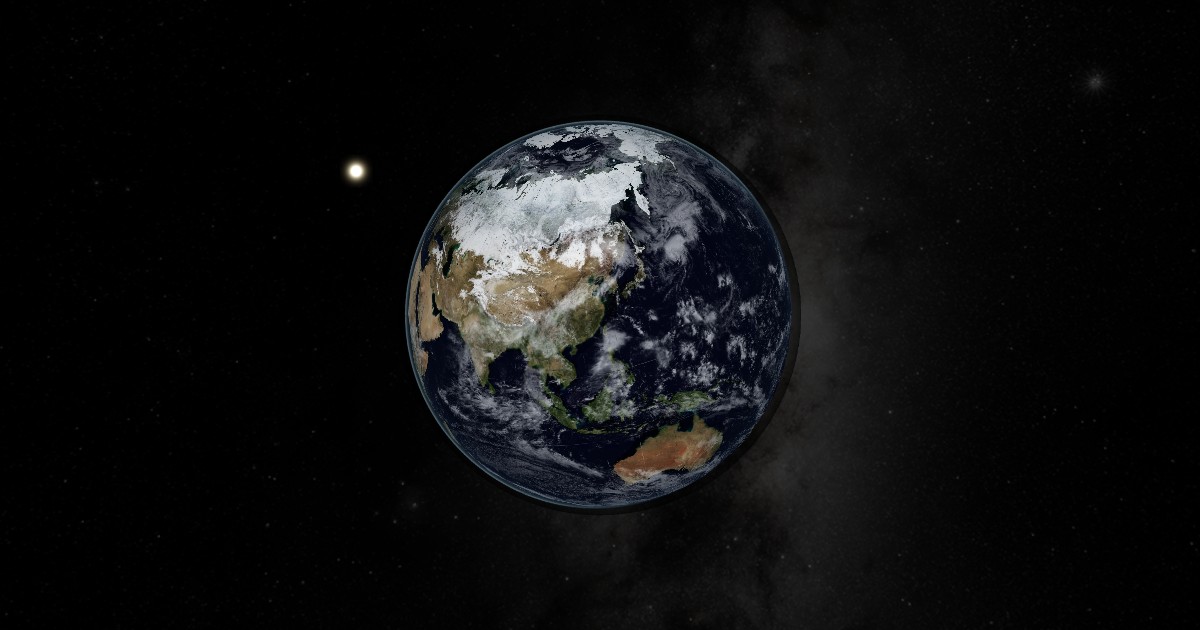
The Anthropic Hive Mind
As you’ve probably noticed, something is happening over at Anthropic. They are a spaceship that is beginning to take off.
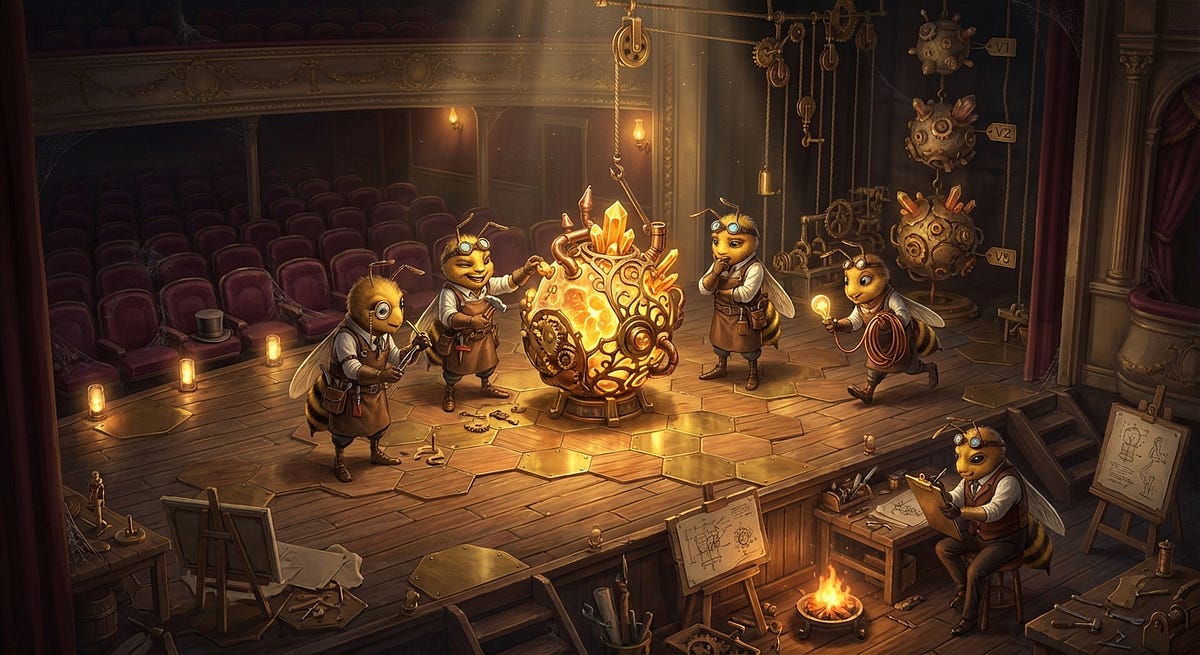
The Anthropic Hive Mind
As you’ve probably noticed, something is happening over at Anthropic. They are a spaceship that is beginning to take off.
Cognition without brains? Learning and memory in microorganisms
Memory and learning are cognitive abilities typically associated with animals that possess a complex nervous system. Interestingly, recent studies suggest that microorganisms might also display learning-like behaviours. However, a factor limiting progress in this field is the lack of shared, microbe-specific frameworks that allow microbiologists to easily compare discoveries with concepts developed in cognitive sciences. In this review, we aim to bridge this gap by providing a conceptual overview of the definitional requirements for memory and learning to classify microbial behaviours and capabilities. Additionally, we identify and address problems that cause conceptual ambiguity in the microbial cognition literature, thereby facilitating more productive debates on the topic. Finally, we provide a novel perspective on how microbes might ‘learn’ from each other.
