The attorneys filed court documents referencing eight non-existent cases, then admitted it was a "hallucination" by an AI tool.
Lawyer Caught Using AI While Explaining to Court Why He Used AI
The attorney not only submitted AI-generated fake citations in a brief for his clients, but also included “multiple new AI-hallucinated citations and quotations” in the process of opposing a motion for sanctions.
AI Hallucination Cases Database – Damien Charlotin
The most comprehensive database of AI hallucination cases in law: legal decisions from courts worldwide, searchable by country, party, AI tool, and outcome. Updated daily.
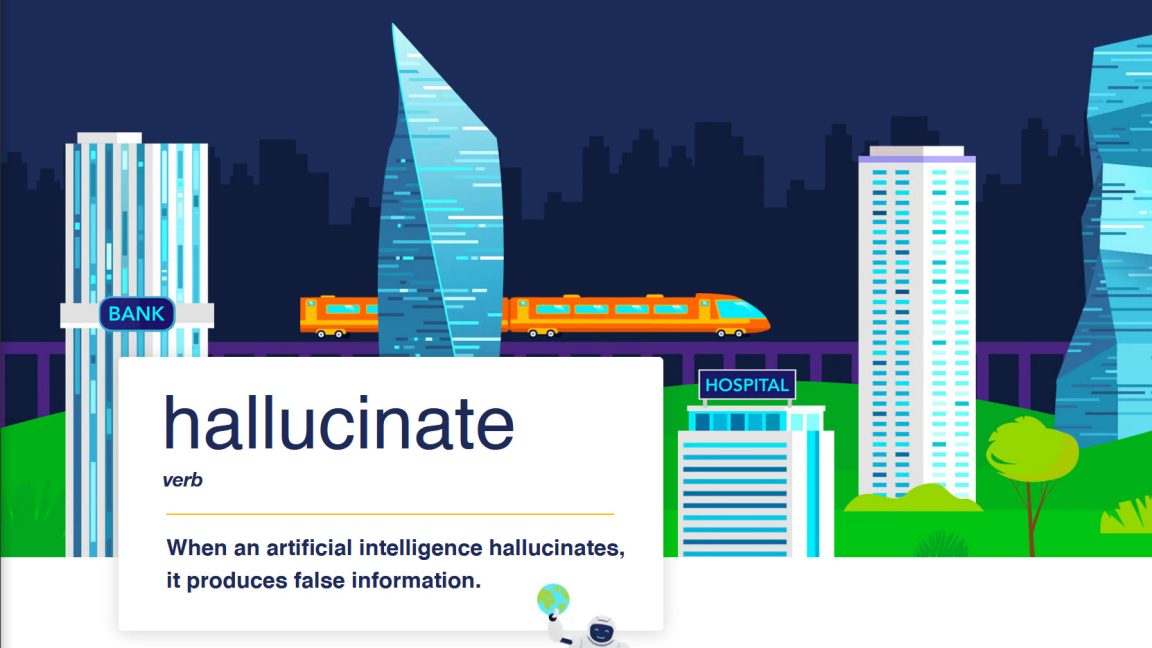
“Hallucinating” AI models help coin Cambridge Dictionary’s word of the year
Cambridge: "When an artificial intelligence hallucinates, it produces false information."
Hallucination-Free? Assessing the Reliability of Leading AI Legal Research Tools
Legal practice has witnessed a sharp rise in products incorporating artificial intelligence (AI). Such tools are designed to assist with a wide range of core legal tasks, from search and summarization of caselaw to document drafting. But the large language models used in these tools are prone to "hallucinate," or make up false information, making their use risky in high-stakes domains. Recently, certain legal research providers have touted methods such as retrieval-augmented generation (RAG) as "eliminating" (Casetext, 2023) or "avoid[ing]" hallucinations (Thomson Reuters, 2023), or guaranteeing "hallucination-free" legal citations (LexisNexis, 2023). Because of the closed nature of these systems, systematically assessing these claims is challenging. In this article, we design and report on the first preregistered empirical evaluation of AI-driven legal research tools. We demonstrate that the providers' claims are overstated. While hallucinations are reduced relative to general-purpose chatbots (GPT-4), we find that the AI research tools made by LexisNexis (Lexis+ AI) and Thomson Reuters (Westlaw AI-Assisted Research and Ask Practical Law AI) each hallucinate between 17% and 33% of the time. We also document substantial differences between systems in responsiveness and accuracy. Our article makes four key contributions. It is the first to assess and report the performance of RAG-based proprietary legal AI tools. Second, it introduces a comprehensive, preregistered dataset for identifying and understanding vulnerabilities in these systems. Third, it proposes a clear typology for differentiating between hallucinations and accurate legal responses. Last, it provides evidence to inform the responsibilities of legal professionals in supervising and verifying AI outputs, which remains a central open question for the responsible integration of AI into law.

The MyPillow guy’s lawyers got fined for using false AI-generated citations.
The attorneys defending MyPillow founder Mike Lindell in a defamation case (which he lost) were ordered to pay $3,000 each for putting AI-generated misquotes and “citations of cases that do not exist” in a brief submitted in February, as reported by ArsTechnica. More and more lawyers are getting caught — and punished — for including AI hallucinations in their work, and this trend will likely only continue to grow. [Link: Why do lawyers keep using ChatGPT? | https://www.theverge.com/policy/677373/lawyers-chatgpt-hallucinations-ai | The Verge]

18 Lawyers Caught Using AI Explain Why They Did It
Lawyers blame IT, family emergencies, their own poor judgment, their assistants, illness, and more.
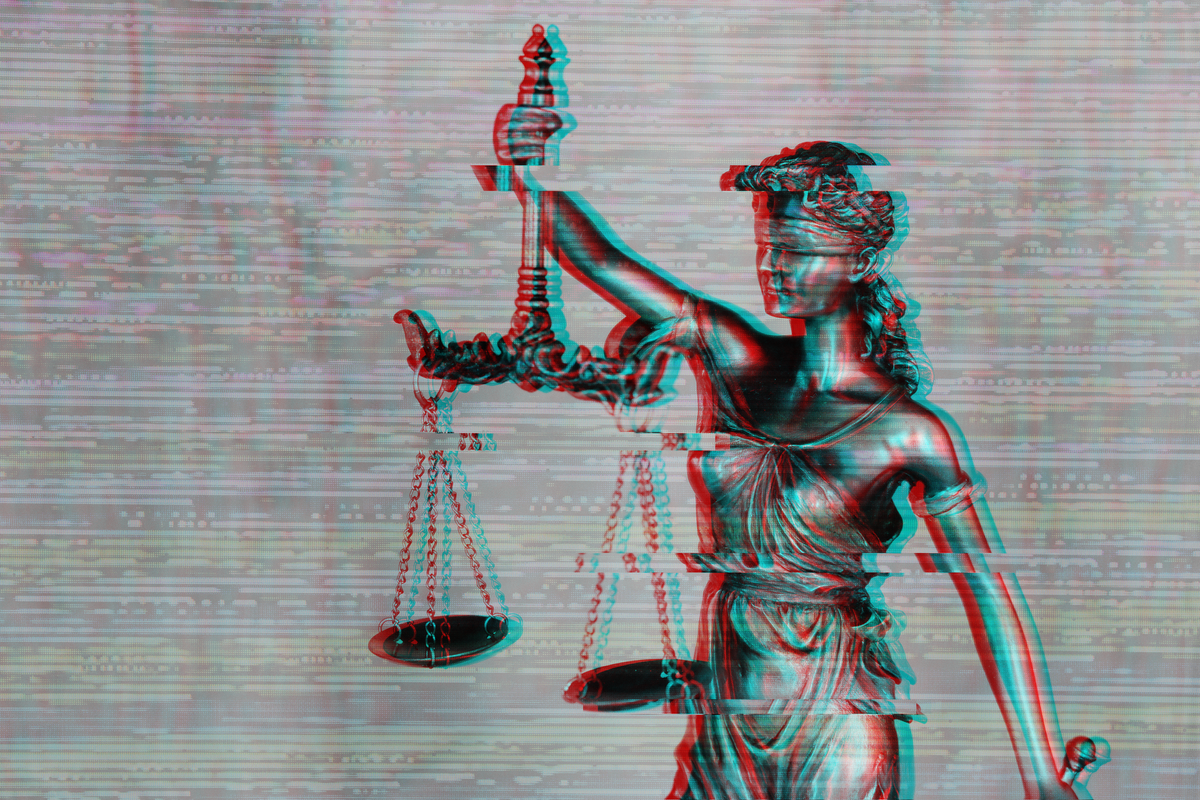
What are AI hallucinations? Why AIs sometimes make things up
When AI systems try to bridge gaps in their training data, the results can be wildly off the mark: fabrications and non sequiturs researchers call hallucinations.
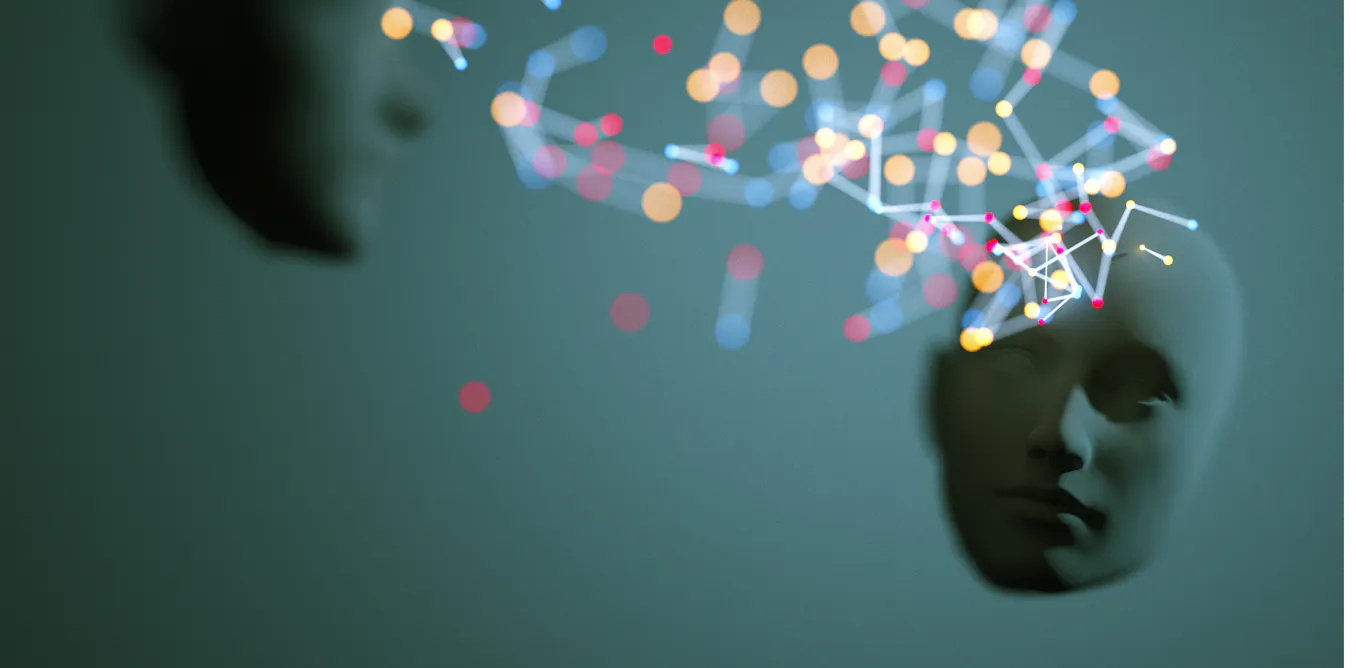
What are AI hallucinations? Why AIs sometimes make things up
When AI systems try to bridge gaps in their training data, the results can be wildly off the mark: fabrications and non sequiturs researchers call hallucinations.
AI fabrications in legal filings grow in Oregon, US
The general counsel for the Oregon State Bar said fabricated cases and citations have become more common among lawyers and people representing themselves.

AI hallucinations can’t be stopped — but these techniques can limit their damage
Developers have tricks to stop artificial intelligence from making things up, but large language models are still struggling to tell the truth, the whole truth and nothing but the truth.
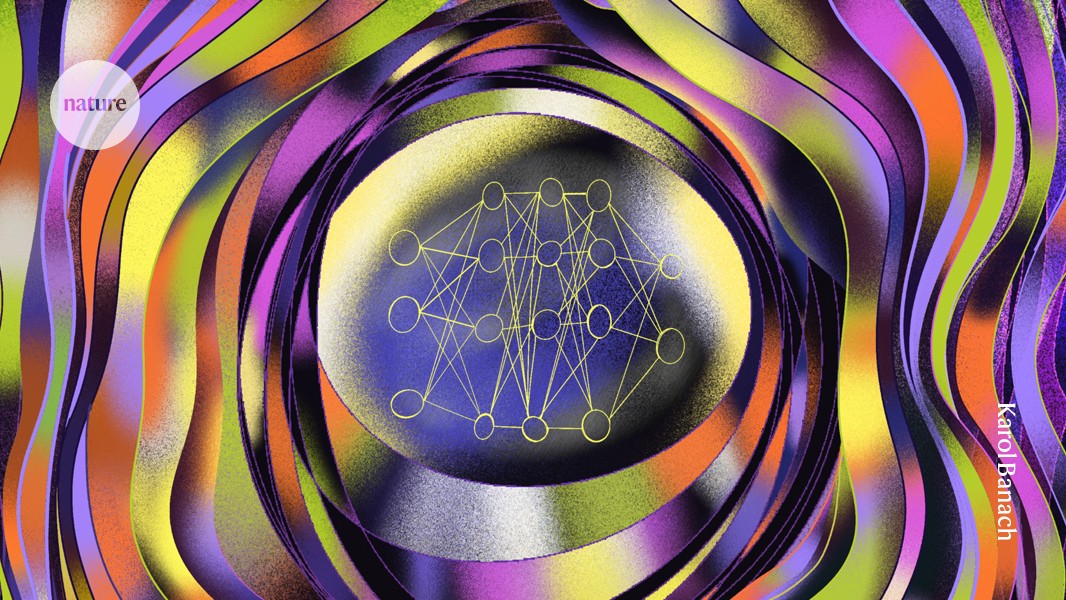
AI hallucinations can’t be stopped — but these techniques can limit their damage
Developers have tricks to stop artificial intelligence from making things up, but large language models are still struggling to tell the truth, the whole truth and nothing but the truth.
Fraudulent citations, blamed on AI hallucinations, are becoming more common in research papers
“Fabricated” citations that do not reference real academic papers are spreading in the literature, polluting the public record of science, a new study found

Lawyer fined $5K over AI-hallucinated witnesses in a murder case
Another lawyer was caught using ChatGPT in a legal brief.

AI hallucinations are making entitled customers even worse
Thanks to AI, the customer really isn’t always right.

Judge Learns Lawyers on Both Sides of Case Used AI, Cancels Trial, Kicks Everyone Off the Case
When two AIs argue against each other, the legal system loses.
AI Translations Are Adding ‘Hallucinations’ to Wikipedia Articles
AI translated articles swapped sources or added unsourced sentences with no explanation, while others added paragraphs sourced from completely unrelated material.