


As tech backlash hits the mainstream, the ‘Summer of Ludd’ proves we don’t need social media to hang out and have a good time.
Understanding the Luddites in the age of AI
The Luddites are back in fashion, but too many people still get them all wrong. This is what they really stood for, fought against, and why they matter now more than ever.
Luozhu on Twitter / X
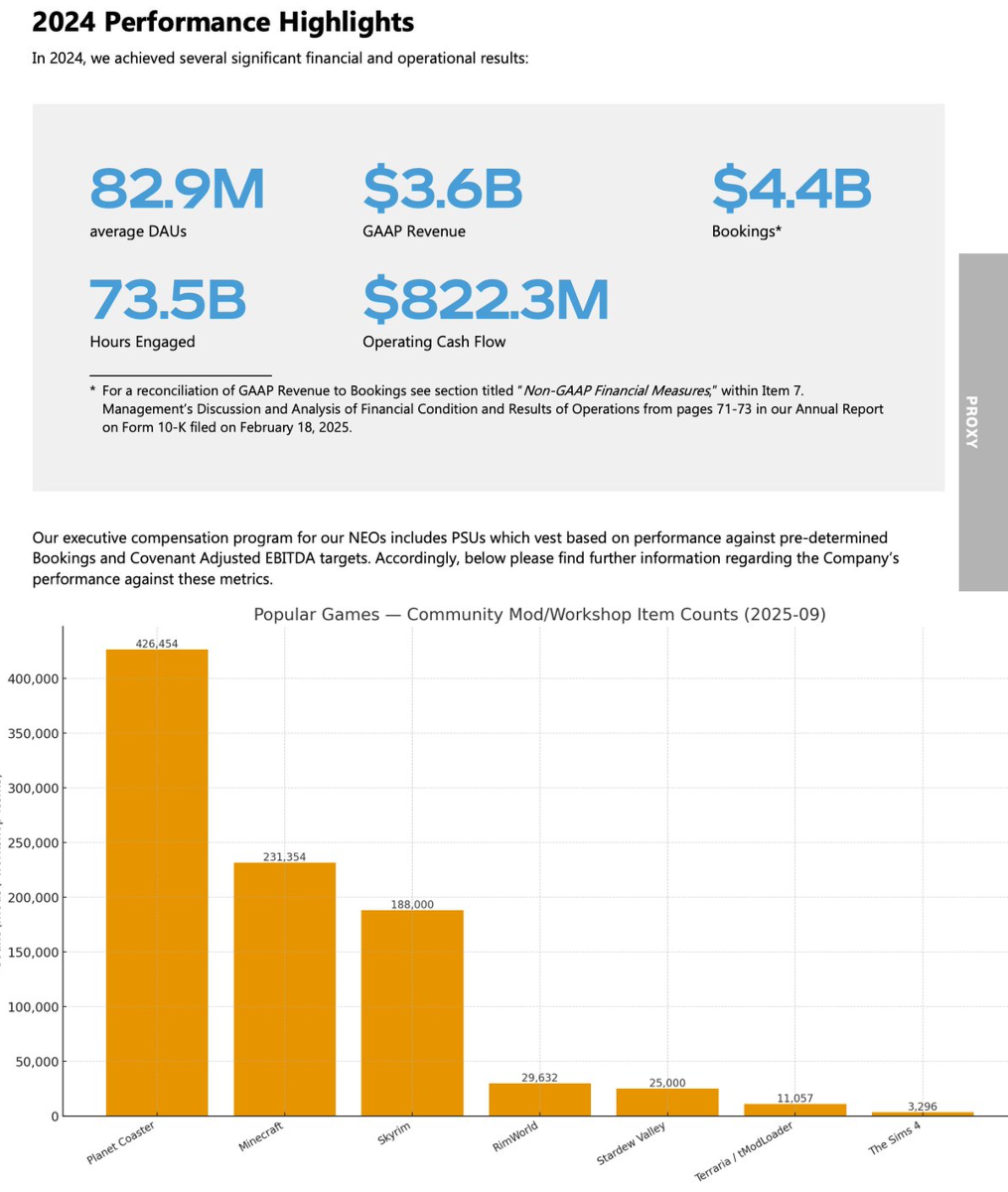
I’ve realized there’s a deeply unfair but widely accepted norm in gaming: mods are assumed to be free.For many successful titles, players don’t just buy the base game. They stay because of the thriving mod community. In extreme cases, the mods are more fun than the original.… pic.twitter.com/BQDu4OWUKo— Luozhu (@LuozhuZhang) September 4, 2025
LURK
Welcome to LURK, we host, facilitate and archive discussions around net- and computational culture and politics, proto- and post-free culture practices, (experimental) (sound) (new media) (software) art, and things like that…
The Luddite
An anticapitalist tech blog. Embrace the technology that liberates us. Smash that which does not.
The Nightmare of Eternal Spring: Why Social Media Can't Survive on "Niceness" Alone - Nightflight
Shifts in U.S. Social Media Use, 2020–2024: Decline, Fragmentation, and Enduring Polarization
The social media ecosystem appears to be in flux. Twitter’s rebranding to X has come to symbolize a broader reorganization of online publics – political reshuffling, user attrition, and uncertainty over the role of legacy platforms. Simultaneously, the shift from text-based, networked feeds toward algorithmically curated, short-form video has accelerated, with TikTok setting the pace for the wider ecosystem [18, 14, 16]. At the same time, everyday communication increasingly migrates from large, open networks to semi-private spaces such as group chats and messaging apps. Commentators describe a digital public sphere in transition: smaller, more fragmented, less dominated by traditional social networking sites, and rise of more broadcast-oriented forms of media – with some even suggesting that we are seeing the beginning of the end of the social media era.
Social Media Is Now Parasocial Media
When practitioners used the term “social media” to describe the internet tools that emerged in the mid-aughts, they were giving a name to the kinds of platforms and protocols that allowed people to socialize with friends and communities of interest by using digital technologies. Twenty years later, users of social media are far more likely to scroll than post – and the content that they consume is often strategically produced and algorithmically curated. In this essay, I argue that the very essence of social media has changed. To more effectively interrogate what we are witnessing, we need to stop presuming that these tools are “social media” and begin recognizing that they are now “parasocial media.” Doing so raises new questions about digitally mediated sociality, not to mention the politics and governance of these platforms.

How Bluesky, Alternative to X and Facebook, Is Handling Explosive Growth (Published 2024)
The fledgling social media site has been flooded with new users since the election. It hasn’t all been easy.

Rethinking the Luddites in the Age of A.I.
Brian Merchant’s new book, “Blood in the Machine,” argues that Luddism stood not against technology per se but for the rights of workers in the face of automation.

No Sense of Place: The Impact of Electronic Media on Social Behavior
Electronic media present us with a collage of experiences from everyplace. We eat dinner at home while watching starving children thousands of miles away reach out to us for food. From our easy chairs, we stare at blindfolded hostages, and coolly

Embracing the Atmosphere
Bluesky is the one! 10 top tips for joining the growing social media platform — Ned Potter
Bluesky is great, and it’s really starting to build now: in fact in under two months it has doubled to 12.5 million users [edit - since I wrote this 5 weeks ago it’s doubled again, to 24 million!]. It’s especially good for individuals seeking to rebuild their professional and personal networks away

