


Researchers find that the more people use AI at their job, the less critical thinking they use.
Microsoft Study Finds AI Makes Human Cognition “Atrophied and Unprepared”
Researchers find that the more people use AI at their job, the less critical thinking they use.
Study Finds AI Use Eats Away at Users’ Confidence in Their Own Brains
A new study out of Middlesex University argues that the ultimate effects on an AI users' brain come down to how they use it.
The Age Of Artificial Intelligence: Americans' AI Use Increases While Views On It Sour, Quinnipiac University Poll On AI Finds; 7 In 10 Think AI Will Cut Jobs With Gen Z The Most Pessimistic | Quinnipiac University Poll
"The contradiction between use and trust of AI is striking. Fifty-one percent say they use AI for research, and many also use it for writing, work, and data analysis. But only 21 percent trust AI-generated information most or almost all of the time. Americans are clearly adopting AI, but they are doing so with deep hesitation, not deep trust," said Chetan Jaiswal, Ph.D., Associate Professor of Computer Science and Associate Chair, Department of Computing, Quinnipiac University School of Computing and Engineering.
There’s a Mass Rebellion Against AI in the Workplace
Only nine percent of office workers trust their company's AI tools with "business-critical" tasks, a new survey found.

Is AI ruining our skills? Early results are in — and they’re not good
Reliance on artificial-intelligence tools degrades the abilities of physicians and software engineers, studies show.

AI overuse could spark "brain fry," new research finds
The mental strain associated with AI carries "significant costs," researchers find.
Women Who Use AI Seen As Incompetent; Men Who Use AI Seen As Pragmatic
A 2026 study found that when women and men use AI tools to create identical resumes, evaluators view the women as less competent, while crediting the men with initiative.

Software engineering may no longer be a lifetime career
I don’t think there’s compelling evidence that using AI makes you less intelligent overall1. However, it seems pretty obvious that using AI to perform a task means you don’t learn as much about performing that task. Some software engineers think this is a decisive argument against the use of AI. Their argument goes something like this:

Microsoft reports are exposing AI's real cost problem: Using the tech is more expensive than paying human employees | Fortune
Companies are racing to incentivize employees to use AI. But as some companies are finding, the more employees that use the technology, the heavier the bill.

Are We Thinking Correctly About AI Intelligence? | Quanta Magazine
Computer scientist Melanie Mitchell discusses why artificial intelligence doesn’t “think” or “reason” like humans, and how we can create better methods for measuring machine cognition.
Knowing less about AI makes people more open to having it in their lives – new research
People with less AI literacy often see the technology as ‘magical’ and awe-inspiring.
Knowing less about AI makes people more open to having it in their lives – new research
People with less AI literacy often see the technology as ‘magical’ and awe-inspiring.
AI Use Appears to Have a "Boiling Frog" Effect on Human Cognition, New Study Warns
A new study claims to offer the first causal link between AI dependency and cognitive erosion. Researchers warn of long-term implications.

What the Studies Say About How AI Affects Your Brain: A (Very Big) Compilation
The entire literature clearly points to a single surprising finding
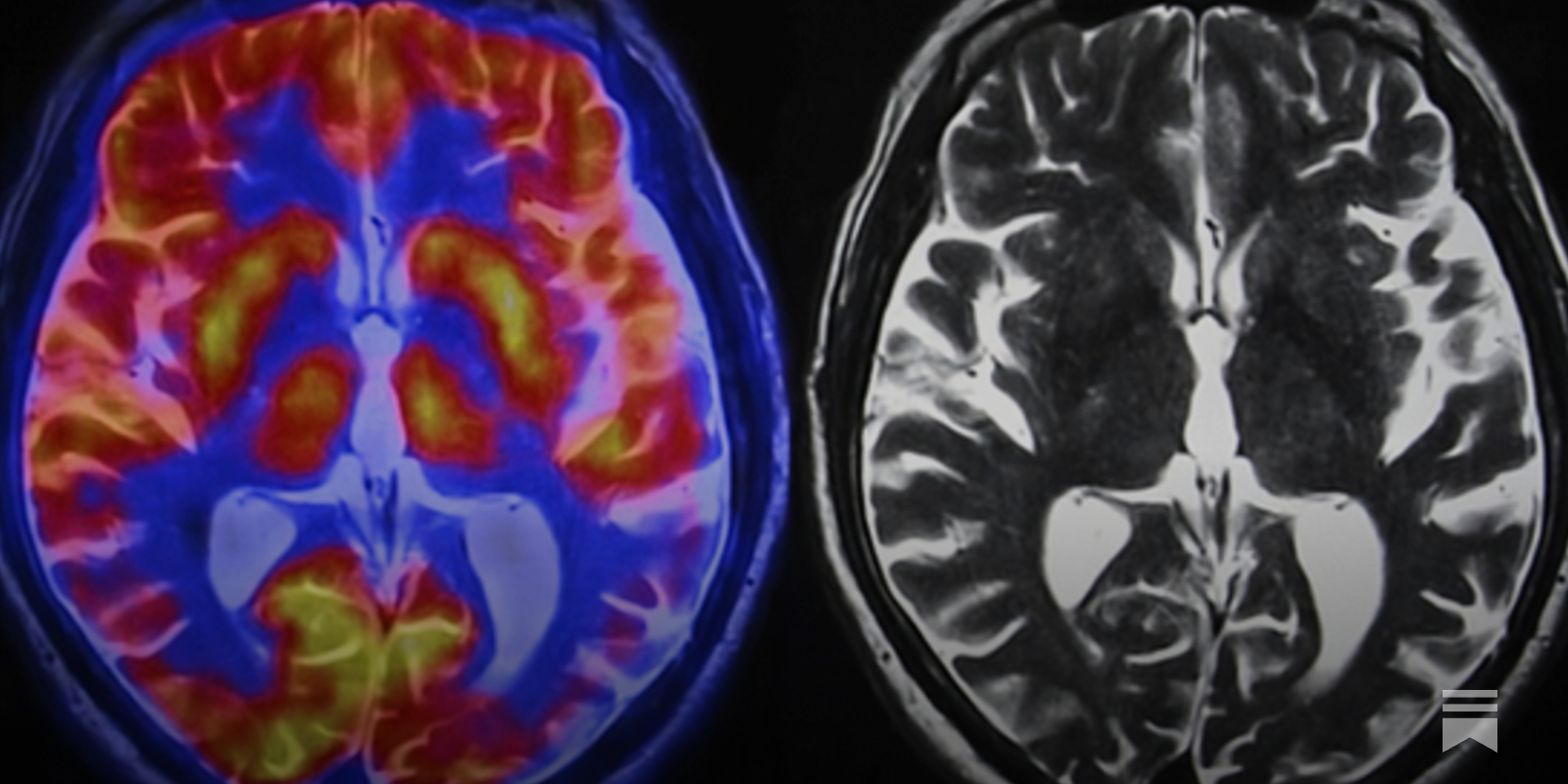
Letting AI Do Your Work Erodes Your Confidence, According to a New Study
Those who actively question the technology, however, feel more confident.
The Impact of Generative AI on Critical Thinking: Self-Reported Reductions in Cognitive Effort and Confidence Effects From a Survey of Knowledge Workers
As part of the Digital Library's transition to Open Access, new features for researchers are available in the Premium Edition. Click here to learn more.
