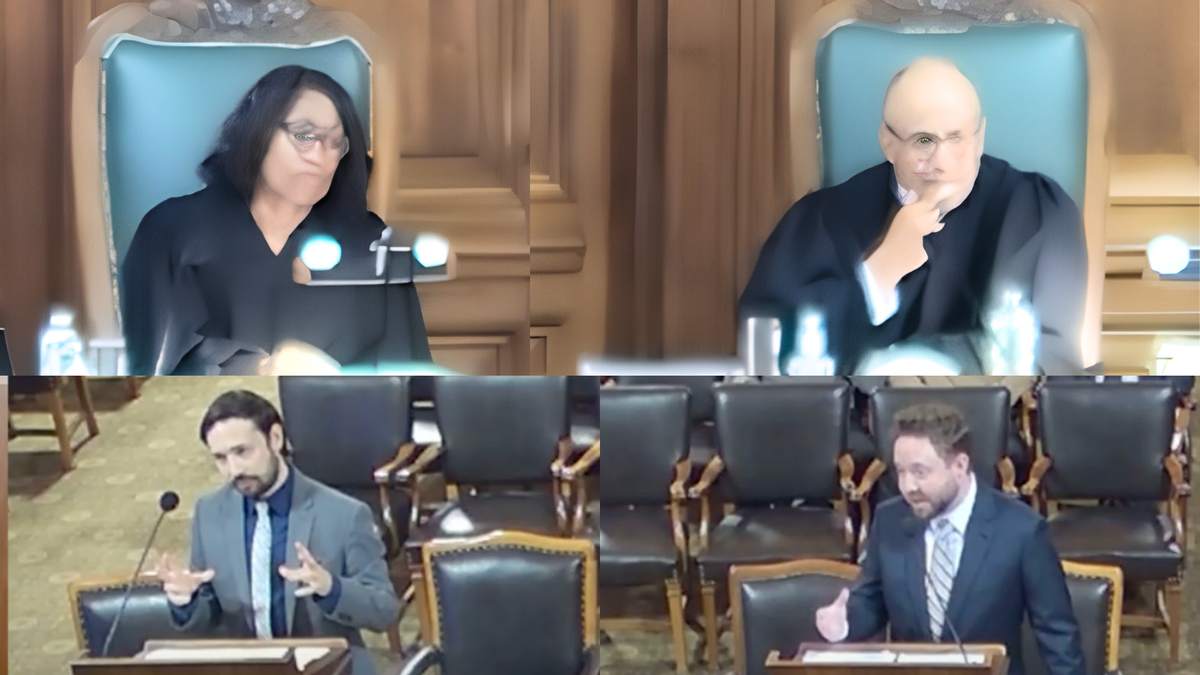
“It's striking, concerning, disappointing, and saddening to think that members of the bar would forward cases to a court that don't exist, and to think that the lawyers on the other side of that didn’t read it for whatever reason, didn’t check it.”
Mississippi Courts Won’t Say How They Provide Lawyers for Poor Clients
Six years ago, the Mississippi Supreme Court told judges around the state to file plans showing how they meet their obligations to poor defendants. So far, only one has.
Many Mississippi Courts Unprepared to Give All Poor Defendants Lawyers
A rule requiring poor criminal defendants to have a lawyer throughout the criminal process took effect Saturday.
Judge slams lawyers for ‘bogus AI-generated research’
The law firms involved must pay $31,000.

Judge Learns Lawyers on Both Sides of Case Used AI, Cancels Trial, Kicks Everyone Off the Case
When two AIs argue against each other, the legal system loses.
Exhibit Public Redacted Memorandum of Law – #1587, Att. #1 in The New York Times Company v. Microsoft Corporation (S.D.N.Y., 1:23-cv-11195) – CourtListener.com
LETTER addressed to Judge Sidney H. Stein from Davida Brook dated September 17, 2026 re: Public, Redacted Version of News' Plaintiffs' Memorandum of Law. Document filed by Daily News LP, The Center for Investigative Reporting, Inc., The Intercept Media, Inc., The New York Times Company, Ziff Davis, LLC. (Attachments: # 1 Exhibit Public Redacted Memorandum of Law)Filed In Associated Cases: 1:25-md-03143-SHS-OTW et al..(Brook, Davida) (Entered: 09/17/2026)

The Key Cases Impacted by Supreme Court Chevron Deference Ruling — ProPublica
One recent Supreme Court decision is already rippling through dozens of key lower court cases involving everything from airline fees to gun sales to abortion access, affecting people’s lives in important — and sometimes contradictory — ways.

Judges and Grand Juries Reject Trump's Efforts to Investigate
A detailed record of federal courts and grand juries rejecting the Trump administration’s use of subpoenas, search warrants, and indictments.
Why Mississippi Courts Must Produce Public Defense Plans
The state Supreme Court wants to know how local courts provide lawyers, if any, to poor people after their arrest.
Mississippi Makes Move Toward State-Funded Public Defenders
Indigent felony defendants in many counties have lacked court-appointed lawyers before indictment, even while they sat in jails for weeks or months.
Analysis: What Anthropic’s Deal with Music Publishers Does and Doesn’t Do
The January 2 court filing leaves two major questions unsettled, writes Transparency Coalition.ai's Bruce Barcott.
AI fabrications in legal filings grow in Oregon, US
The general counsel for the Oregon State Bar said fabricated cases and citations have become more common among lawyers and people representing themselves.

New evidence, new challenges: ICC judges’ perspectives on user-generated evidence and judging in an age of artificial intelligence
Evidence recorded on personal digital devices, or “user-generated evidence” (UGE), has profoundly shaped our ways of knowing about international crimes. UGE can be expected to play an important role in future cases before the International Criminal Court (ICC), yet few trials to date have relied extensively on UGE.. This research provides important insights into how ICC judges define UGE and perceive its strengths and weaknesses, and on the readiness of the Court to adapt to judging in an age of Artificial Intelligence. Using grounded theory to analyse interviews with ICC judges, we identified several key themes, including concerns about the perceived importance and potential bias of evidence sources; the practical challenges of employing UGE; the burden placed on the parties to ensure the reliability of the evidence, to rigorously challenge the opposing party’s evidence, and the importance of preparing legal professionals to address the risks associated with misinformation and disinformation.
The MyPillow guy’s lawyers got fined for using false AI-generated citations.
The attorneys defending MyPillow founder Mike Lindell in a defamation case (which he lost) were ordered to pay $3,000 each for putting AI-generated misquotes and “citations of cases that do not exist” in a brief submitted in February, as reported by ArsTechnica. More and more lawyers are getting caught — and punished — for including AI hallucinations in their work, and this trend will likely only continue to grow. [Link: Why do lawyers keep using ChatGPT? | https://www.theverge.com/policy/677373/lawyers-chatgpt-hallucinations-ai | The Verge]

This Mississippi Court Appoints Lawyers for Just 1 in 5 Defendants Before Indictment
Mississippi is known as one of the worst states for public defense. In one lower court, most defendants went without any lawyer before indictment.
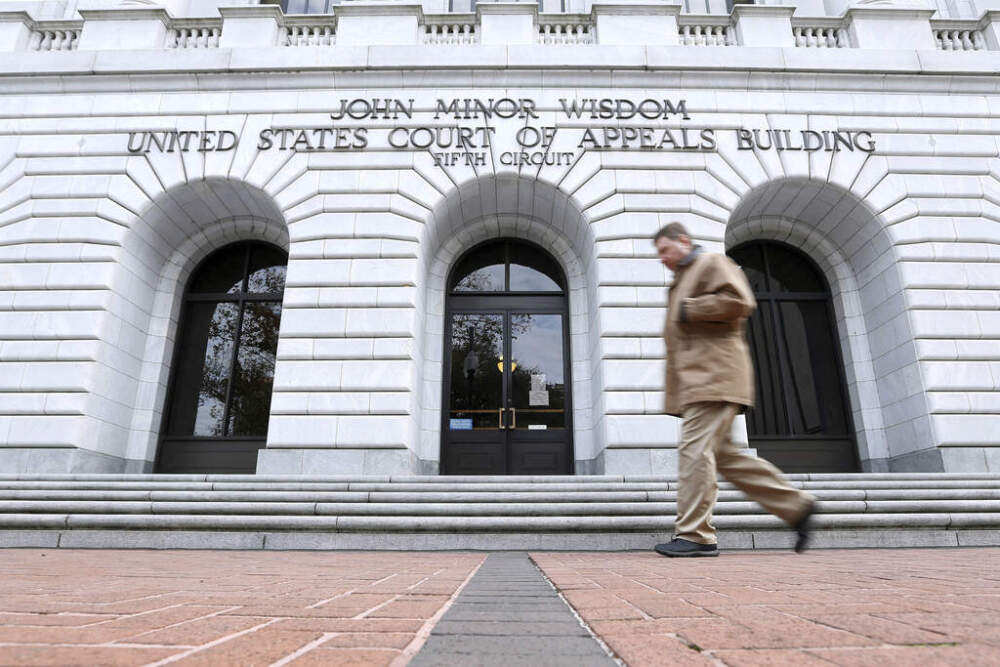
The legacy of the 5th Circuit: Past and present
Today, the 5th Circuit Court of Appeals is known as a conservative juggernaut. But that hasn’t always been the case.