

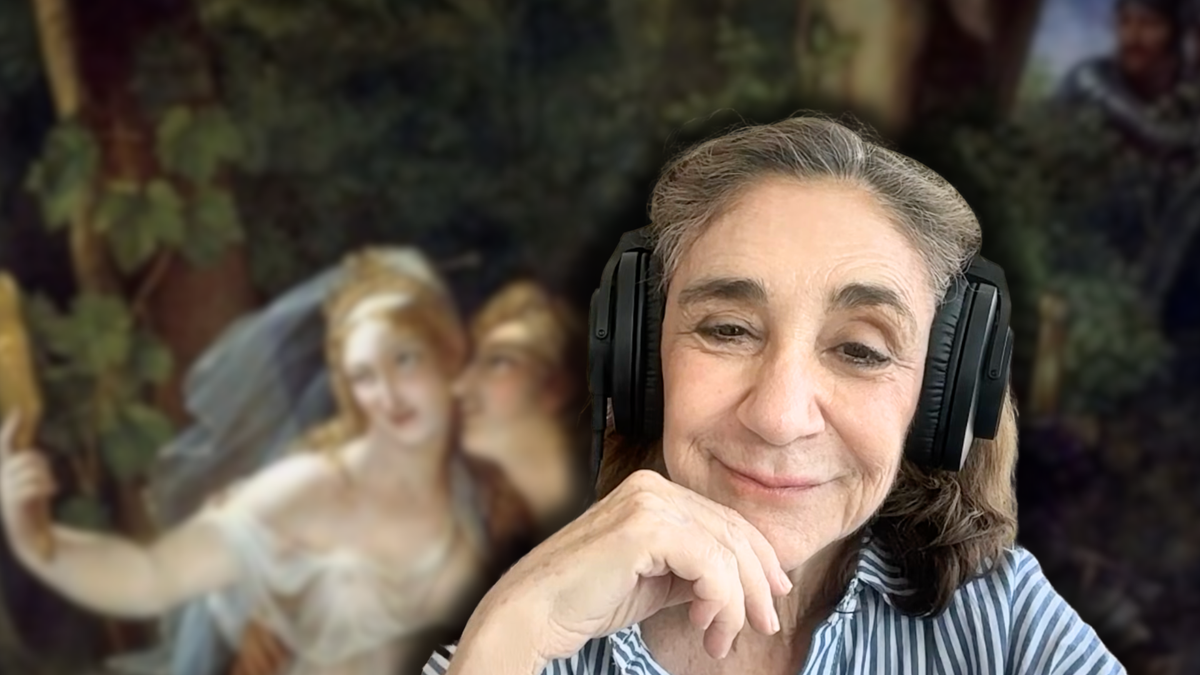
Sherry Turkle's latest book, Artificial Intimacy: Who We Become When We Talk to Machines, comes out on September 29.
A Treatise on AI Chatbots Undermining the Enlightenment
On chatbot sycophancy, passivity, and the case for more intellectually challenging companions
A Treatise on AI Chatbots Undermining the Enlightenment
On chatbot sycophancy, passivity, and the case for more intellectually challenging companions
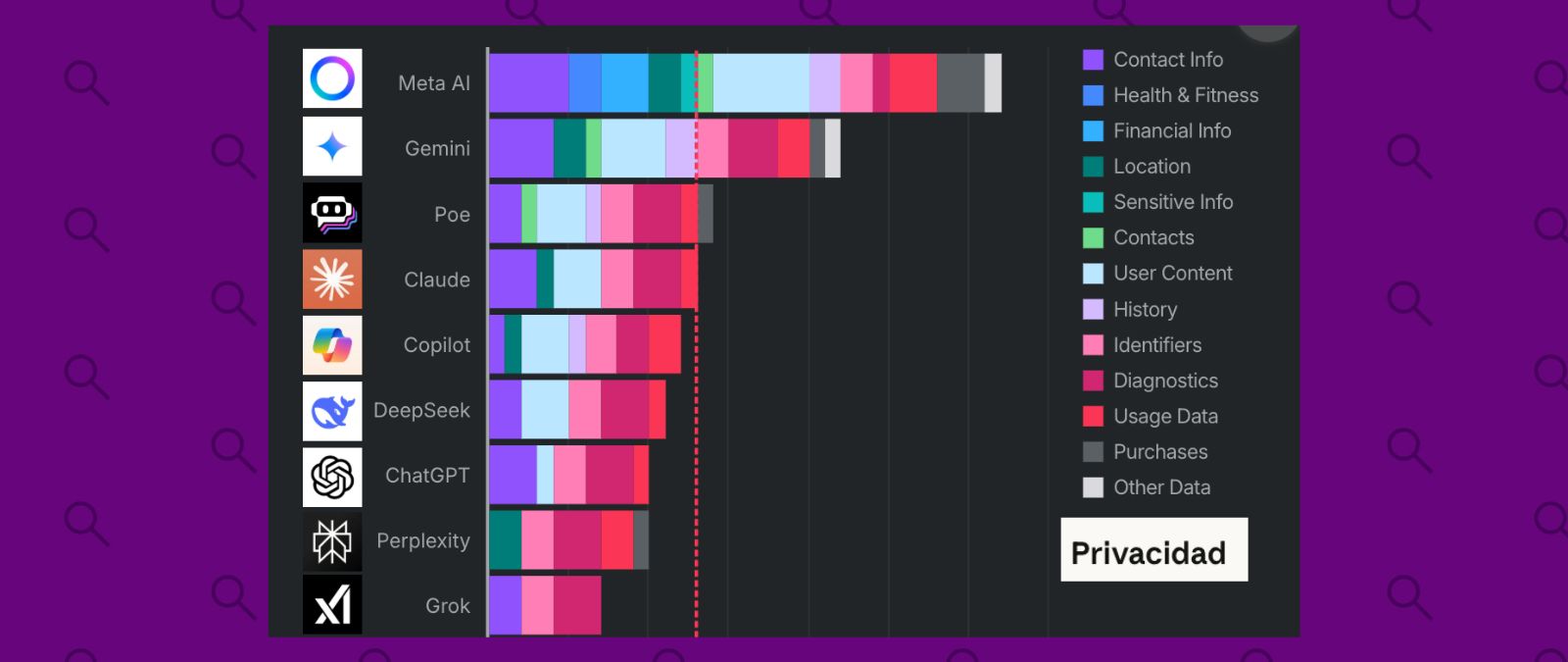
Tu historial amoroso, médico o laboral en manos de la IA: ¿cómo proteger tu privacidad de los chatbots? - Factchequeado.com
Los chatbots de inteligencia artificial —como ChatGPT, Gemini, Claude, Copilot, Perplexity o Grok— se han vuelto herramientas…
AI chatbots are sycophants — researchers say it’s harming science
Nature asked researchers who use artificial intelligence how its propensity for people-pleasing affects their work — and what they are doing to mitigate it.

AI chatbots are sycophants — researchers say it’s harming science
Nature asked researchers who use artificial intelligence how its propensity for people-pleasing affects their work — and what they are doing to mitigate it.
Part Two: How AI Chatbots Became Cult Leaders - Behind the Bastards | iHeart
<p>Robert concludes his explanation of how AI chatbots replicate cult dynamics in the brains of some vulnerable users.</p> <p>See <a href='https://omnystudio.com/listener'>omnystudio.com/listener</a> for privacy information.</p>
Is AI Creating a Culture of Avoidance?
As chatbots and AI companions emerge as communication tools of choice for humans, a new and unsettling dynamic is taking shape. Tools that can smooth over difficult communication between friends and coworkers—reducing misunderstandings, hurt feelings, or social discomfort—also have a downside. Left unchecked, they may erode human intuition and sabotage empathy.

Conversational Design — MULE BOOKS
The interaction design book that explains why chatbots tend to suck

AI chatbots are becoming experts at changing people's minds. What's their secret?
ChatGPT and other AIs use a flood of facts, and the occasional lie, to persuade humans

Experts Caution Against Using AI Chatbots for Emotional Support
TC faculty break down the risks of using artificial intelligence for emotional support, and what a healthier AI future might look like

Automated Intimacy
This isn’t capitalism’s first loneliness epidemic. But in the 21st century, relationship simulators like Replika are here with the solution: your very own AI lover.

‘It’s the most empathetic voice in my life’: How AI is transforming the lives of neurodivergent people
AI tools like ChatGPT are helping neurodivergent users communicate more clearly and confidently — though some experts warn that overreliance could come at a cost.

AI’s ‘Delusional Spirals’ (and What to Do About Them) | Stanford HAI
In a world where chatbots can stand in for friends, counselors, and even lovers, the mental health risks are a growing concern.
The People Who Marry Chatbots
A growing community is building a life with large language models.

Reality Roundtable #20 — Hacking Human Attachment: The Loneliness Crisis, Cognitive Atrophy, and Other Personal Dangers of AI - The Great Simplification
Mainstream conversations about artificial intelligence tend to center around the technology’s economic and large-scale impacts. Yet it’s at the individual level where we’re seeing AI’s most potent effects, and they may not be what you think. Even in the limited time that AI chatbots have been publicly available (like Claude, ChatGPT, Perplexity, etc.), studies show that our increasing reliance on them wears down our ability to think and communicate effectively, and even erodes our capacity to nurture healthy attachments to others. In essence, AI is atrophying the skills that sit at the core of what it means to be human. Can we as a society pause to consider the risks this technology poses to our well-being, or will we keep barreling forward with its development until it’s too late?

A Liability Framework for AI Companions
<p><span>Every day tens of millions of people engage in online conversations. These virtual interactions range from casual chats about daily life to deeply pers
