

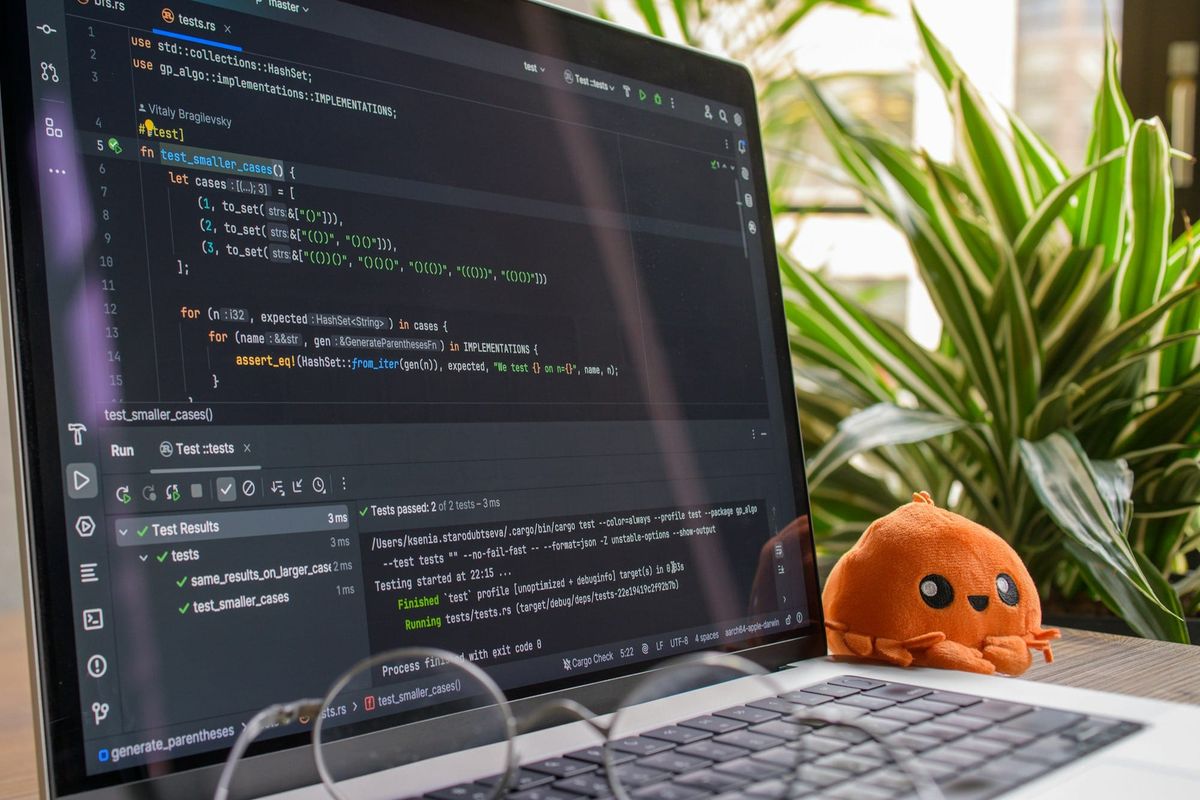
‘If the maintainers of small projects give up, who will produce the next Linux?’
Vibe Coding Is the New Open Source—in the Worst Way Possible
As developers increasingly lean on AI-generated code to build out their software—as they have with open source in the past—they risk introducing critical security failures along the way.

Vibe Coding Kills Open Source
Generative AI is changing how software is produced and used. In vibe coding, an AI agent builds software by selecting and assembling open-source software (OSS), often without users directly reading documentation, reporting bugs, or otherwise engaging with maintainers. We study the equilibrium effects of vibe coding on the OSS ecosystem. We develop a model with endogenous entry and heterogeneous project quality in which OSS is a scalable input into producing more software. Users choose whether to use OSS directly or through vibe coding. Vibe coding raises productivity by lowering the cost of using and building on existing code, but it also weakens the user engagement through which many maintainers earn returns. When OSS is monetized only through direct user engagement, greater adoption of vibe coding lowers entry and sharing, reduces the availability and quality of OSS, and reduces welfare despite higher productivity. Sustaining OSS at its current scale under widespread vibe coding requires major changes in how maintainers are paid.

Vibe Coding Kills Open Source
Generative AI is changing how software is produced and used. In vibe coding, an AI agent builds software by selecting and assembling open-source software (OSS), often without users directly reading documentation, reporting bugs, or otherwise engaging with maintainers. We study the equilibrium effects of vibe coding on the OSS ecosystem. We develop a model with endogenous entry and heterogeneous project quality in which OSS is a scalable input into producing more software. Users choose whether to use OSS directly or through vibe coding. Vibe coding raises productivity by lowering the cost of using and building on existing code, but it also weakens the user engagement through which many maintainers earn returns. When OSS is monetized only through direct user engagement, greater adoption of vibe coding lowers entry and sharing, reduces the availability and quality of OSS, and reduces welfare despite higher productivity. Sustaining OSS at its current scale under widespread vibe coding requires major changes in how maintainers are paid.
Vibecoding a high performance system
There's been a thousand posts about vibe coding. Some case studies from Indragie Karunaratne, Edward Yang, and Cloudflare stuck out to me. These are all projects where it's something the creator is already an expert in, or a read-only app where bugs are low-impact, or a well-known standard with a small design space.
Vibe Maintainer
Some attendees at an AI Tinkerers meetup in early Feb were asking me what it’s like to be the maintainer of a big OSS project where the…
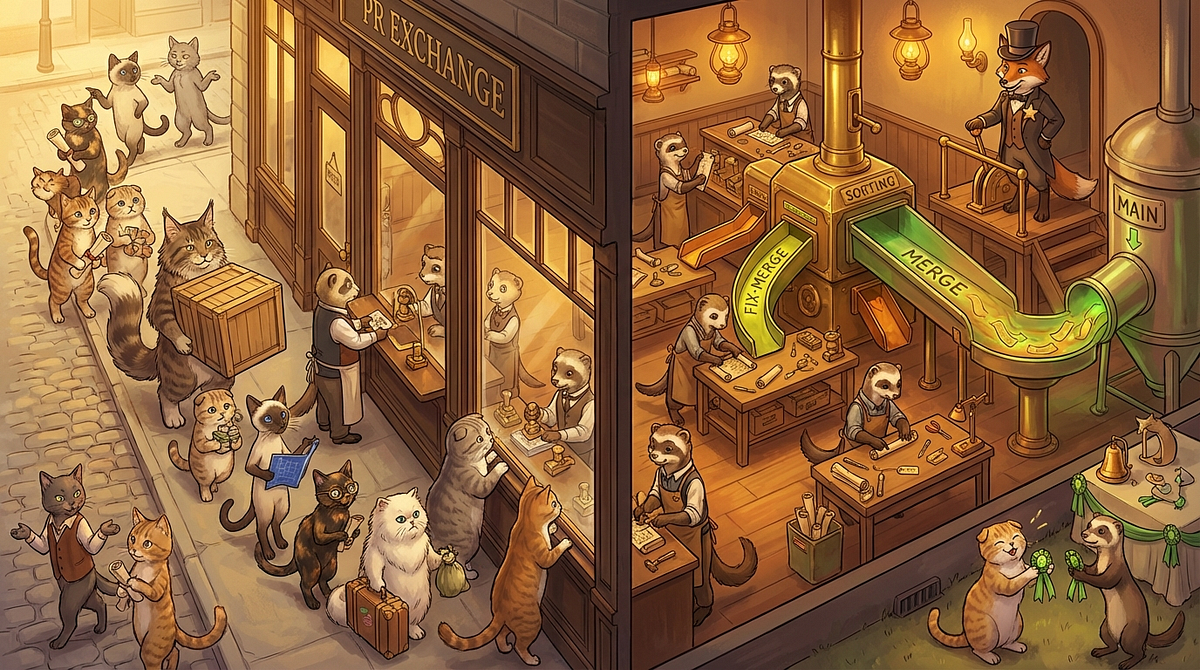
Vibe Maintainer
Some attendees at an AI Tinkerers meetup in early Feb were asking me what it’s like to be the maintainer of a big OSS project where the…

The Missing Middle of Open Source
Why serious, maintainer-driven projects struggle to sustain themselves—and what it will take to fix it.

Give Away Your Code, But Never Your Time — William Gross
As software developers, I think we can agree that open-source1 code has transformed the world. Its public nature tears down the walls that prevent some pieces of software from becoming the best they can be. The problem is that too many valuable projects stagnate, with burned-out leaders:
Open Source is Not Enough
by James Halliday // The open source movement has fundamentally changed how software gets written. But in the process, corporations have been given a vast gift of free labor.
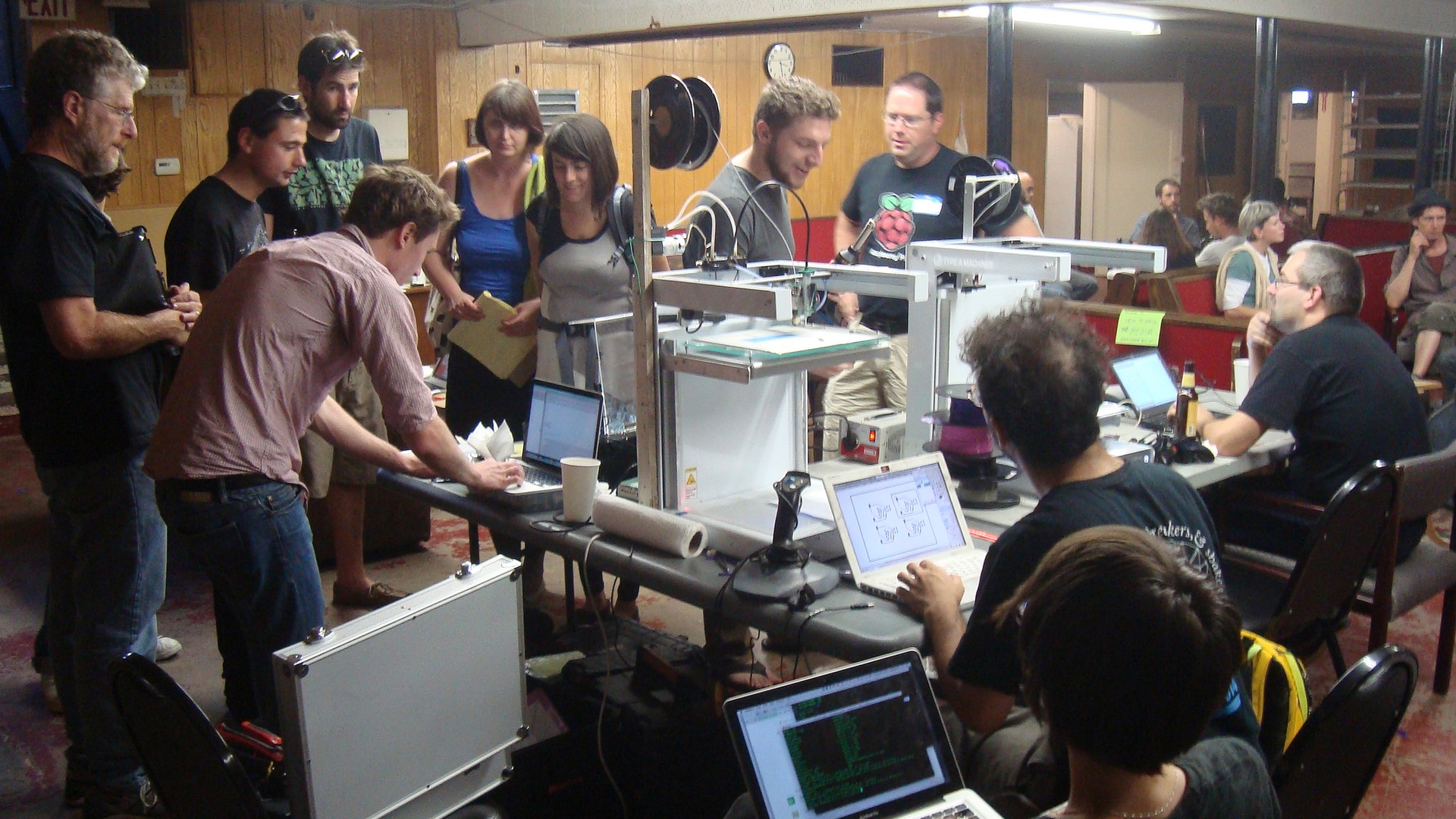
How open-source software took over the world | TechCrunch
It was just five years ago that there was an ample dose of skepticism from investors about the viability of open source as a business model. Fast-forward to today and we’ve witnessed the growing excitement in the space.
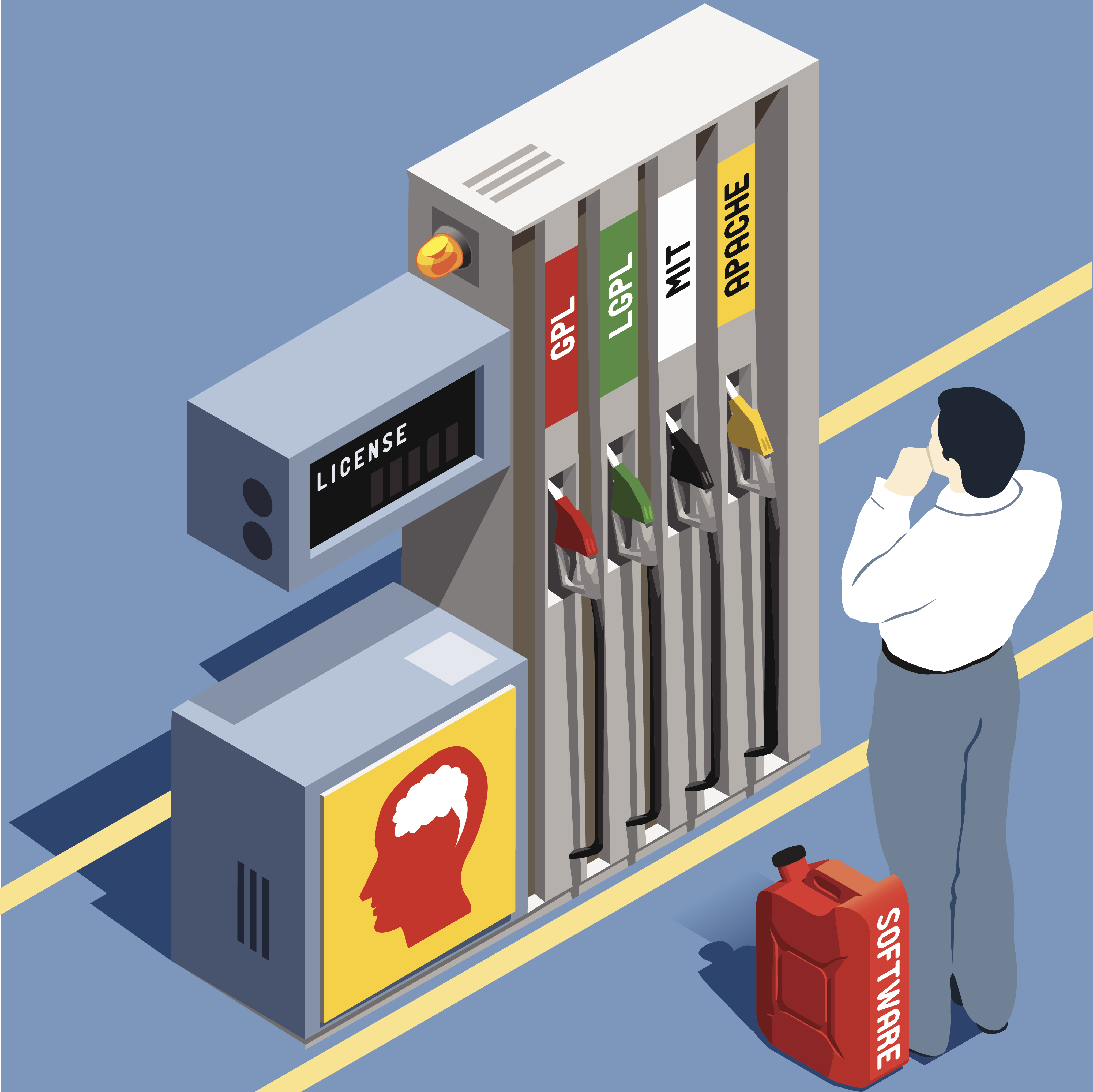
A plan for open source software maintainers
It seems to me that this is a case where problems are in fact solutions to other problems. To wit:
The Few, the Tired, the Open Source Coders
The open source movement runs on the heroic efforts of not enough people doing too much work. They need help.

Open Source Is Eating The Software World
It's been said software is eating the world. This year’s Future of Open Source survey points to the fact that open source is eating the software world.

Aaron Boodman on Twitter / X
There is this tension in dev tooling right now: Lots of people want to self-host, and not depend on a service. Lots of people also want the vibes of open source - being part of an open development community, having the code, etc.But builders still need to make a living...— Aaron Boodman (@aboodman) January 23, 2024