

One Nation vows to remove renewable energy zones and scrap compulsory land acquisition for VNI West at a regional Victorian rally.
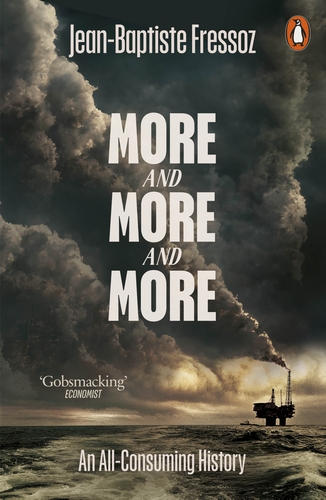
More and More and More
It has become habitual to think of our relationship with energy as one of transition: with wood superseded by coal, coal by oil, oil by nuclear and then at some future point all replaced by green sources. Jean-Baptiste Fressoz’s devastating but unnervingly entertaining book shows what an extraordinary delusion this is. Far from the industrial era passing through a series of transformations, each new phase has in practice remained almost wholly entangled with the previous one. Indeed the very idea of transition turns out to be untrue. The author shares the same acute anxiety about the need for a green transition as the rest of us, but shows how, disastrously, our industrial history has in fact been based on symbiosis, with each major energy source feeding off the others. Using a fascinating array of examples, Fressoz describes how we have gorged on all forms of energy – with whole forests needed to prop up coal mines, coal remaining central to the creation of innumerable new products and oil still central to our lives. The world now burns more wood and coal than ever before. This book reveals an uncomfortable truth: ‘transition’ was originally itself promoted by energy companies, not as a genuine plan, but as a means to put off any meaningful change. More and More and More forces its readers to understand the modern world in all its voracious reality, and the true nature of the challenges heading our way.
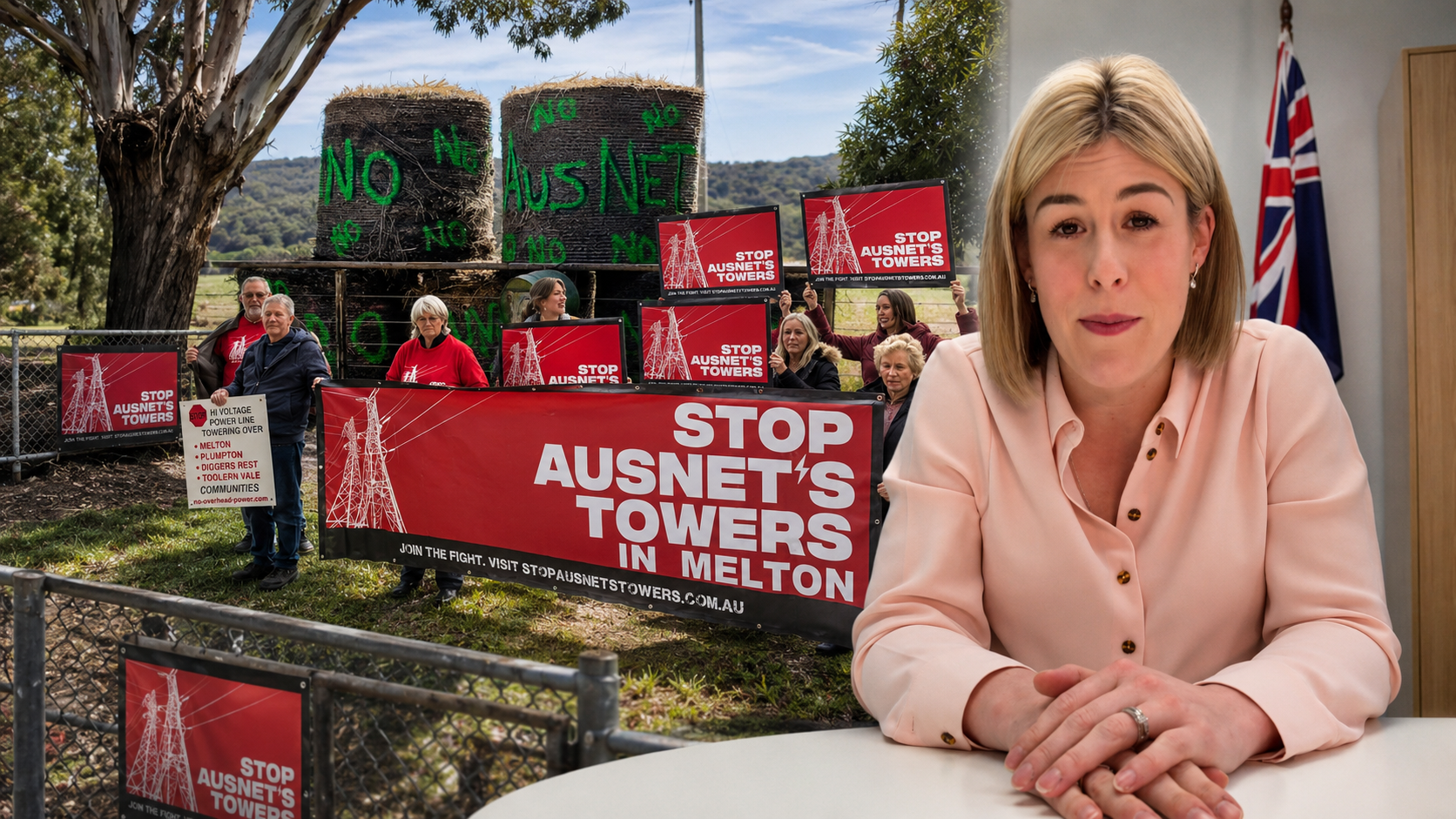
Jess Wilson vows to scrap VNI West Powerline and turn to gas in major Victorian energy election reset - The Australia Today
“Victoria doesn’t need more unnecessary poles and wires that bulldoze through regional communities"
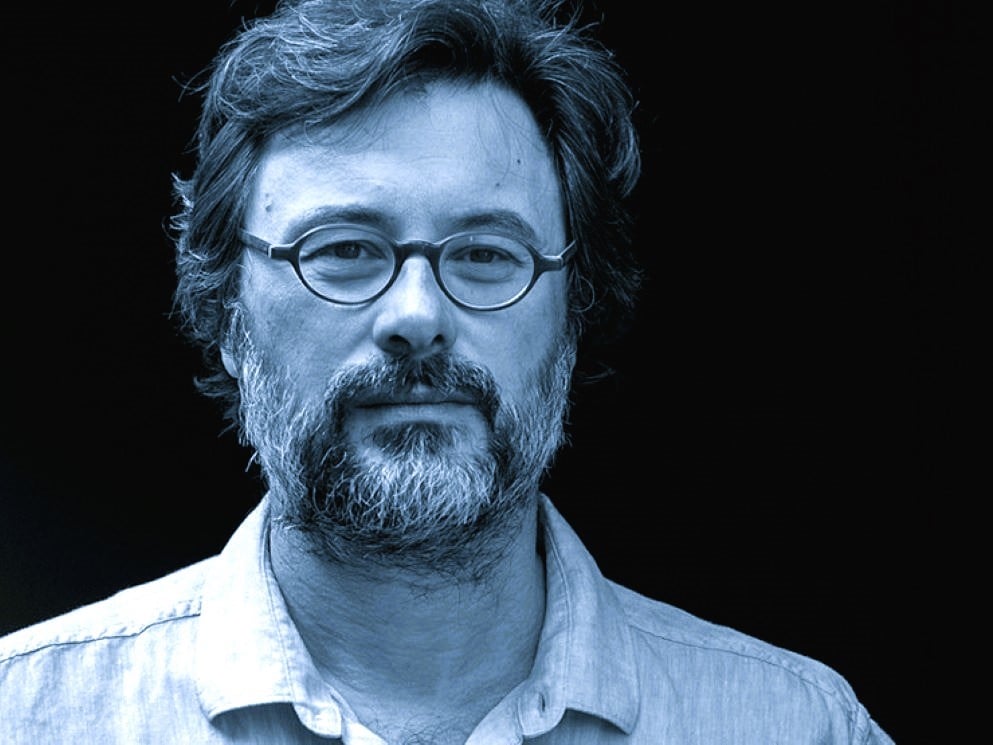
A Reality Check on Our ‘Energy Transition’ | The Tyee
To our peril, there’s been no green revolution. Just green addition to rising fossil fuel use.
Coalition vows to scrap VNI West transmission project in Victoria
The Victorian Liberal and National parties will scrap the controversial VNI West transmission project if the Coalition wins the state election in November.
The fallout from the AI-fuelled dash for gas
A supply crunch in giant turbines for gas-powered plants threatens environmental and geopolitical consequences

The ‘wicked trinity’ of late capitalism: Governing in an era of stagnation, surplus humanity, and environmental breakdown
Scholars within the fields of political ecology, environmental political theory, and international political economy tend to evaluate the prospects of state-led environmental transitions in general terms – enquiring as to the capitalist state’s inherent properties and their environmental implications. Less attention has been paid to how the state’s green capacities are conditioned by contemporary evolutions in the form and pace of capital accumulation. Capitalism’s directional pattern of historical development poses unique challenges for green state projects. Its drive to raise labour productivity metabolises nature on a growing scale, while generating conditions of overproduction and rendering a progressively larger portion of the population superfluous to the production process.Thus, the question is not simply whether the state can rise to the challenge of climate change, but rather how states are scrambling to govern the intersecting crises of climate catastrophe, economic stagnation, and surplus humanity. This ‘wicked trinity’ compounds the tensions at the heart of the capitalist state, resulting in an increasing inability to perform its role while sustaining its liberal form. This governance trilemma is illustrated by the case of the solar photovoltaic boom, where the spectacular increase in the productivity and scale of solar panel manufacturing have generated oversupply and falling profitability. States have reacted by indefinitely providing subsidies, financing automation technologies thatexacerbate labour superfluity, and relocating solar panel manufacturing to places with authoritarian labour regimes. The case of photovoltaics is a microcosm of the general predicament faced by states as they struggle to govern capitalism’s secular developmental tendencies.
The Death of the Carbon Coalition
Existing models of U.S. politics are wrong. Here’s how the system really works.

‘The damage is done’: global oil crisis has changed fossil fuel industry for ever, IEA chief says
Exclusive: International Energy Agency’s Fatih Birol, the world’s leading energy economist, also says UK should largely forgo North Sea expansion

Poll shows Hanson’s ‘bomb throwing’ could help Victorian Liberals
Labor’s Ben Carroll could become one of the state’s shortest-serving premiers, with the latest poll suggesting voters will elect a conservative government.

Cycling like the Dutch would slash the world’s carbon footprint
If everybody cycled like the Dutch, we could offset the UK or Australia’s entire carbon footprint.

Self-Burn
Thanks to Trump, people around the world are scrambling to get out of fossil fuels.

The shale revolution helped make America’s economy great
But will the country’s oil riches discourage a similar revolution in renewables?

Urban problems: nature-based solutions and a Green New Deal everywhere
Nature-based Solutions with localised Green New Deals could save our settlements, and provide a just transition to a low-carbon society

The growing Brics divide between carbon nations and electrostates
Energy systems can shape political institutions and make some nations more vulnerable to trade wars than others

Why unilateral decarbonisation can pay for itself
Anthropogenic greenhouse gas emissions are rapidly warming our planet, with potentially severe economic, social, and health consequences. Conventional estimates of climate damages suggest that while coordinated global efforts are desirable, unilateral action is rarely cost-effective due to a classic free-rider problem. Why should a country bear the costs of reducing emissions when the benefits are shared globally? This column re-evaluates this view in light of new climate damage estimates based on global temperature variation, showing that the economic case for unilateral decarbonisation is far stronger than previously thought.

Social Influence and Action — Jen Christiansen
I’m wary of climate solutions that are hyper focused on the action of individuals as opposed to systems and corporations. Do you experience carbon footprint guilt every time you board a plane to visit family too? Well, that whole schema was a product of the PR firm Ogilvy & Mather for British Petroleum. It was an effort to shift focus away from oil companies and onto individual responsibility to lower greenhouse gas emissions. For more, read “The carbon footprint sham” by Mark Kaufman for Mashable in 2021, and “Big oil coined ‘carbon footprints’ to blame us for their greed. Keep them on the hook” by Rebecca Solnit for The Guardian.
