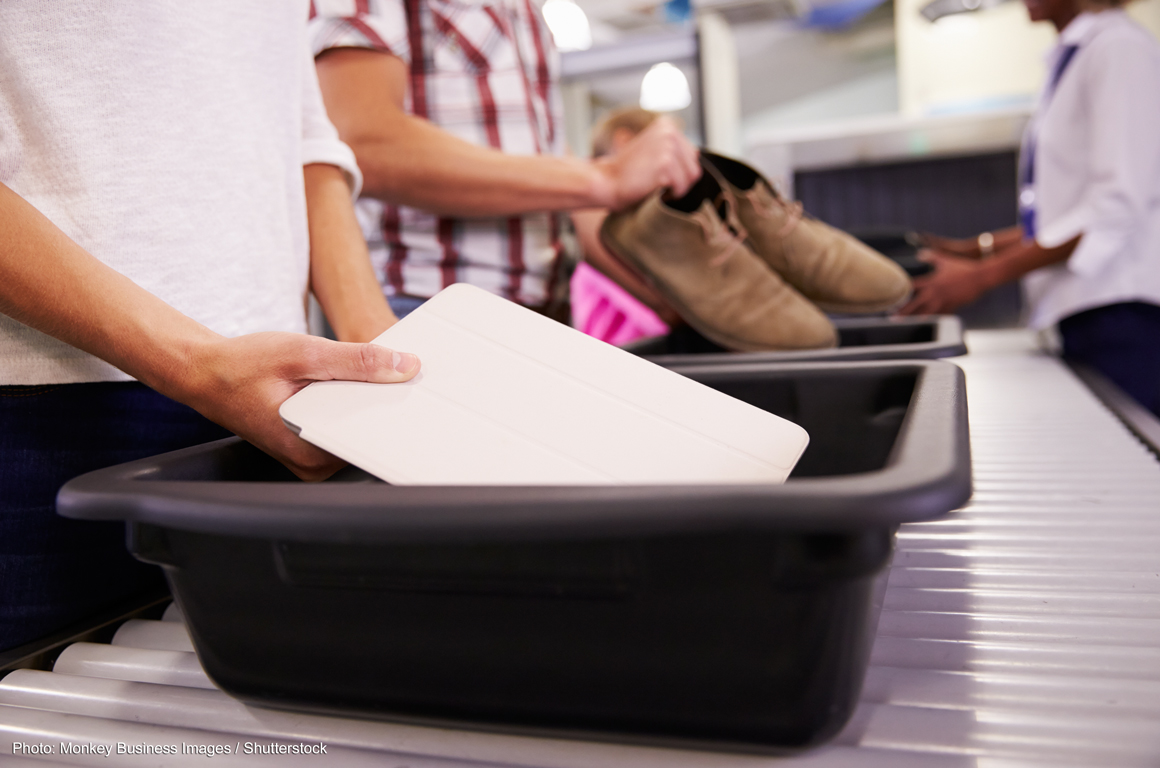
We’ve been getting a lot of questions about when border agents can legally conduct searches of travelers’ electronic devices at international airports and other ports of entry. Unfortunately, the answer isn’t simple.
Crossing the U.S. Border? Here’s How to Protect Yourself
Searches of phones and other electronics are on the rise for those entering the U.S. Take these steps to help secure your devices.
How to Protect Yourself From Phone Searches at the US Border
Customs and Border Protection has broad authority to search travelers’ devices when they cross into the United States. Here’s what you can do to protect your digital life while at the US border.

What Australians flying to the US need to know about phone and device searches at the border
Can immigration deny you entry if you refuse to hand over your phone? What can officials look at or download, and how can you protect your devices?

CBP Searched a Record Number of Phones at the US Border Over the Past Year
The total number of US Customs and Border Protection device searches jumped by 17 percent over the 2024 fiscal year, but more invasive forensic searches remain relatively rare.

Phone Searches at the US Border Hit a Record High
Customs and Border Protection agents searched nearly 15,000 devices from April through June of this year, a nearly 17 percent spike over the previous three-month high in 2022. "The real issue is the chilling effect it has on all travelers."
Know Your Rights | Enforcement at the Airport | ACLU
At the border, you are likely to encounter Customs and Border Protection (CBP) officers, and you may encounter Homeland Security Investigations (HSI) agents. HSI is part of U.S. Immigration and Customs Enforcement (ICE). Know your rights in these scenarios.
Preparing devices for travel through a US border
US border searches of electronic devices put journalists’ work at risk. But there’s a lot you can do to be prepared
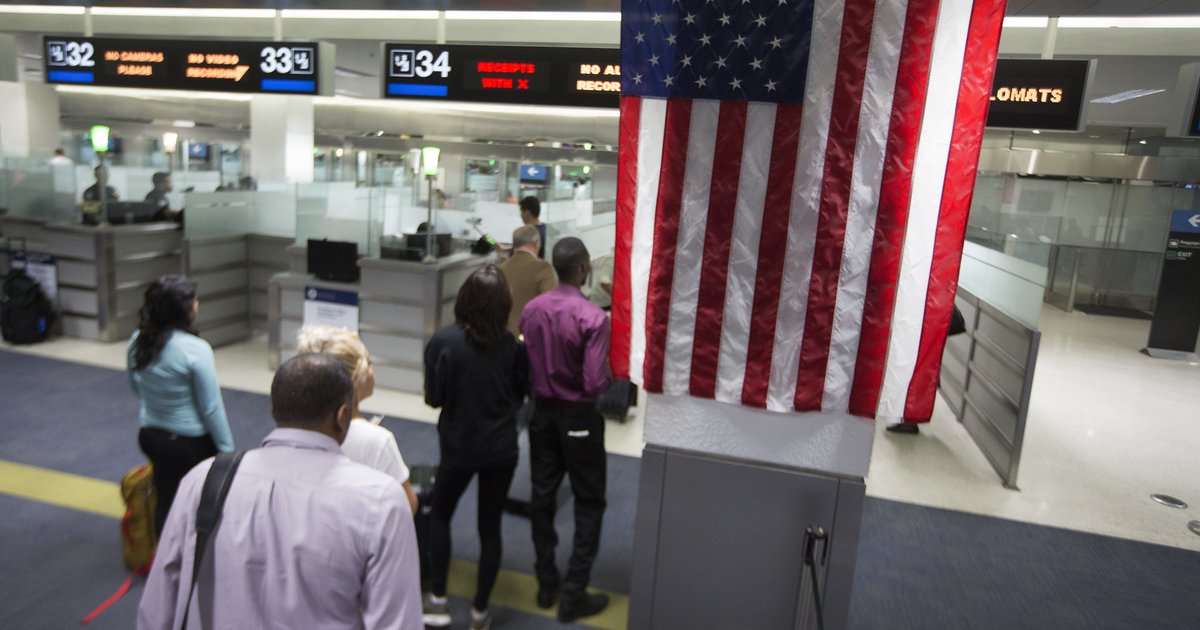
How to protect your phone and data privacy at the US border
With reports of people being turned away at airports over messages found on devices, here’s what to do to minimize risks
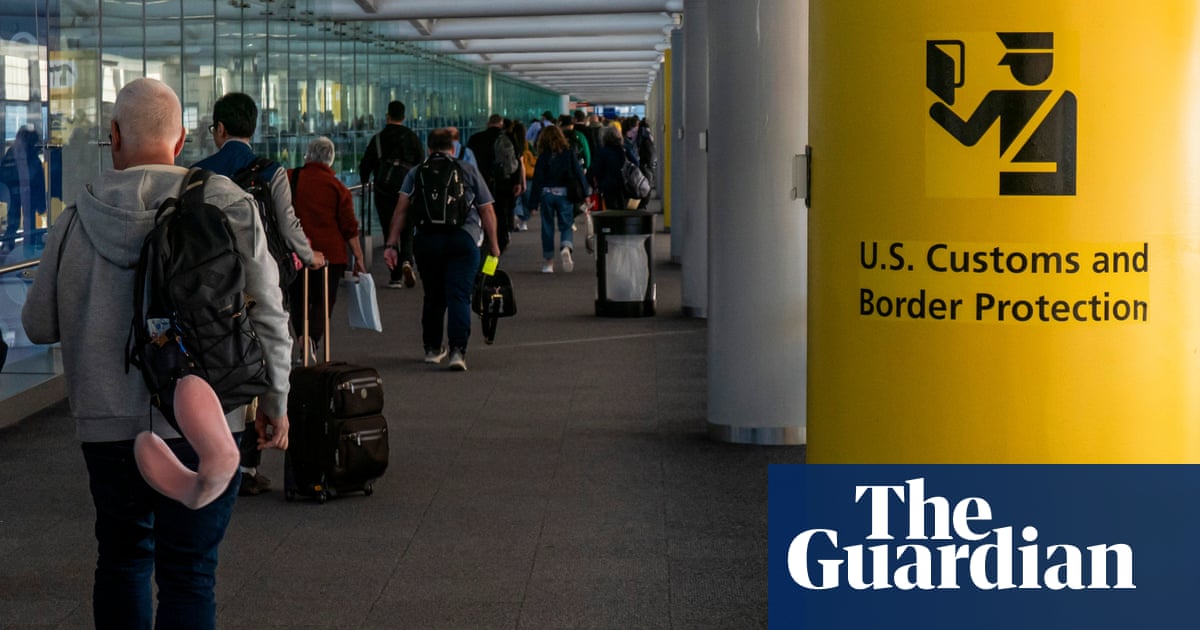
Returning from vacation? The government can search your phone without a warrant.
Reminder: The "border exemption" to your rights is real.
How to prepare your mobile phone for the Russian border: Meduza’s complete survival guide — Meduza
A growing number of Russians living overseas who return to the country temporarily are reporting psychological pressure and mobile-phone searches at the Russian border. These inspections can result in consequences far more severe than travel delays, including criminal charges and incarceration. Understanding your personal risk and exactly how to prepare your devices for the trip can be difficult, as the internet is full of fragmented and conflicting advice. Working with a lawyer and a cybersecurity expert, Meduza prepared this detailed guide answering the main questions on the topic. Is it true that FSB officers have a special machine that can find anything on a device? Do you have the right to refuse to unlock your phone, and is there any point in refusing? And what’s the most effective preparation strategy?
How to Enter the US With Your Digital Privacy Intact
Crossing into the United States has become increasingly dangerous for digital privacy. Here are a few steps you can take to minimize the risk of Customs and Border Protection accessing your data.
FBI Breaks into iPhone. We Have Some Questions.
The FBI has successfully accessed data on an iPhone that has been the subject of a legal battle between the Justice Department and Apple, according to a court filing. EFF is pleased that the Justice
Cross-Border Collaboration For Ip Protection.
Cross-Border Collaboration for IP ProtectionCross-border collaboration in IP protection occurs when multiple countries, corporations, or ins...

Digital Driver’s Licenses Threaten to Create a “Great Internet Lockdown” | ACLU
Two trends threaten the creation of a bureaucratic wall between Americans and the information they have a right to access

African Nations Turn to AI, Drones to Secure Borders - Africa Defense Forum
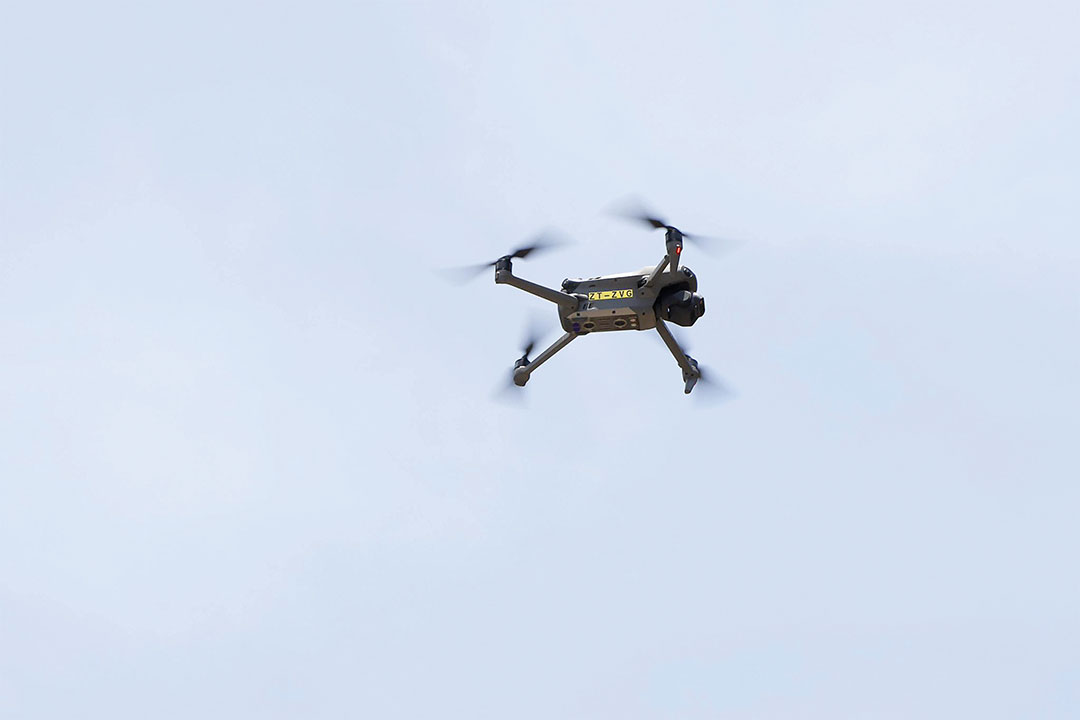
South Africa has joined Ethiopia, Kenya, Sudan and Tunisia in deploying advanced technology, such as artificial intelligence and drones, to enhance border security. South Africa’s technology upgrade includes four quadcopter drones to monitor locations known for illegal crossings. The drones can operate around the clock and use infrared cameras to track people crossing at night.
Police forensic tools may bypass key phone security feature
Up-to-date iPhones can lock out some forensic devices by rebooting. One major forensics company claims to have a workaround