

Two trends threaten the creation of a bureaucratic wall between Americans and the information they have a right to access
Online Safety Bills Are Fueling a New Wave of Internet Censorship
State and federal bills seek to limit minors’ access to social media, but civil liberties advocates warn that the resulting online censorship threatens constitutional rights without delivering real safety.
Lawful-access bill could threaten encryption, deter investment, Chamber of Commerce warns
Bill would require telecoms, internet companies to change systems to give surveillance, monitoring capabilities to authorities

There’s Only One State That is Asking the Right Questions About Digital Identity | ACLU
A digital ID system involves value-laden choices that should be made through explicit political discussion and debate
U.S. Social Media Regulations for Minors
The digital lives of American children and teenagers have become a focal point of intense national debate and legislative action. ContentsThe Federal Foundation: The Children’s Online Privacy Protection Act (COPPA)The State-Level Surge: A Patchwork of New RulesThe Next Generation of Federal Law: Congress Weighs InThe Constitutional Crossroads: Free Speech vs. State RegulationThe Great Debate: Voices […]

The Age-Gated Internet Is Sweeping the US. Activists Are Fighting Back
Half of the country now requires age verification to watch porn or access “harmful” content. Digital rights advocates are pushing back against legislation they say will make the internet less safe.

What happened to the fight for the Internet? -- Dustycloud Brainstorms
At the moment I am writing this, bad internet bills are being proposed across the US, Canada, Europe, and the UK. They're using the usual tactics: they claim they're fighting for kids or fighting security risks, but in general, that's what surveillance and censorship bills have always claimed.
Kiss your online privacy goodbye with Bill C-22, Canada
Civil liberties groups, legal experts and the Canadian Chamber of Commerce have been sounding the alarm for months on the privacy and cybersecurity issues contained in the Carney government’s Lawful Access Act, or Bill C-22. In a not-so-surprising twist, American lawmakers have now also added their voice to those warning about the bill.

Who owns your data?
A Supreme Court case about a bank robbery could redefine your digital rights.
Internet Filtering: An Interpretation of the Library Bill of Rights
In the span of a single generation the Internet has revolutionized the basic functions and operations of libraries and schools and expanded exponentially both the opportunities and challenges these institutions face in serving their users. During this time many schools and libraries in the United States have installed content filters on their Internet access. They have done so for a variety of reasons, not least of which is the requirement to comply with the Children’s Internet Protection Act (CIPA) in order to be eligible to receive federal funding or discounts through the Library Services and Technology Act, Title III of the Elementary and Secondary Education Act, and the Universal Service discount program (E-rate), or to comply with state filtering requirements that may also be tied to state funding. Their rationale for filtering is that it is better to have filtered access than no access.

#cybersafety #ageverification #privacy #minors #ai | Parry Aftab
Internet Age-Verification Causing More Risks than It’s Worth This is not a new issue. Regulators and policymakers have raised it for the last 28 years as the way the keep kids safer online. They compare it to having to flash an ID to purchase regulated content or items (porn, cigarettes, alcohol, restricted medications, age-restricted movies, amusement rides, etc.) But verification online is very different and vastly riskier than flashing an ID in real life. For one, it’s collecting personally-identifiable information about our kids. For two, it puts that information in the too-often untrustworthy digital hands of tech companies. For three, while porn, alcohol and regulated drugs may be a clear-cut case for restricting access to adults, access to the Internet is very different. Yet, regulations begun in the UK and adopted globally have begun a weighted cybersafety approach that, in my humble opinion, prefers excluding young people from digital technology over teaching the cybersafety and digital life skills. That, in my 32 years of work in the fields of cybersafety and protection of minors online, was and remains a mistake. One of my best known quotes, repeated in Congressional and state legislative testimony and in the media is: “The greatest single risk our children face online is being denied access. We have solutions for everything else.” (my testimony before the FTC) Some proponents of age-verification have opted to denying them access unless they give up confirmable personally-identifiable info, such as selfies, feeding AI with PII, and govt or school credentials. I argue that this gives social networks, game providers and digital app operators a wealth of PII to be used for profiling, marketing and collecting far too much. With their privacy at stake, too often incompetent, malicious and greedy producers and mega-tech industry players, can’t and shouldn’t be trusted with the personal info of our most vulnerable - our kids. And AI will now be tasked with collecting everything it can find about our kids to be able to “age-verify.” (It’s ability to age-verify is less reliable with youth as their data-sets are more limited.) I served on a task force appointed by 49 state attorneys general, charged to research and weigh-in on this issue. We concluded that age-verification wasn’t feasible. While this task force was formed many years ago, with the exception of a fortified AI, not much as changed. Our children’s privacy remains, or should remain, paramount. We have robust filtering and blocking technologies. The adult industry has adopted an age-gated model. And parents can restrict access using device-specific tools. And, many well-intentioned age-verification laws were adopted too quickly for thoughtful discourse. Or by governments more prone to censorship/content restrictions. I fear in our quest to protect our kids we have thrown our babies out with the bath water. #cybersafety #ageverification #privacy #minors #AI

Hack of Age Verification Company Shows Privacy Danger of Social Media
We’ve said it before: online age verification is incompatible with privacy. Companies responsible for storing or processing sensitive documents like drivers’ licenses are likely to encounter data
Act Now to Stop California’s Paternalistic and Privacy-Destroying
California lawmakers are fast-tracking A.B. 1709—a sweeping bill that would ban anyone under 16 from using social media and force every user, regardless of age, to verify their identity before
Bill C-22’s Groundhog Day: Why the Government’s Dismissal of Signal, Apple and the U.S. Congress Concerns Runs Back the Disastrous Online News Act Playbook - Michael Geist
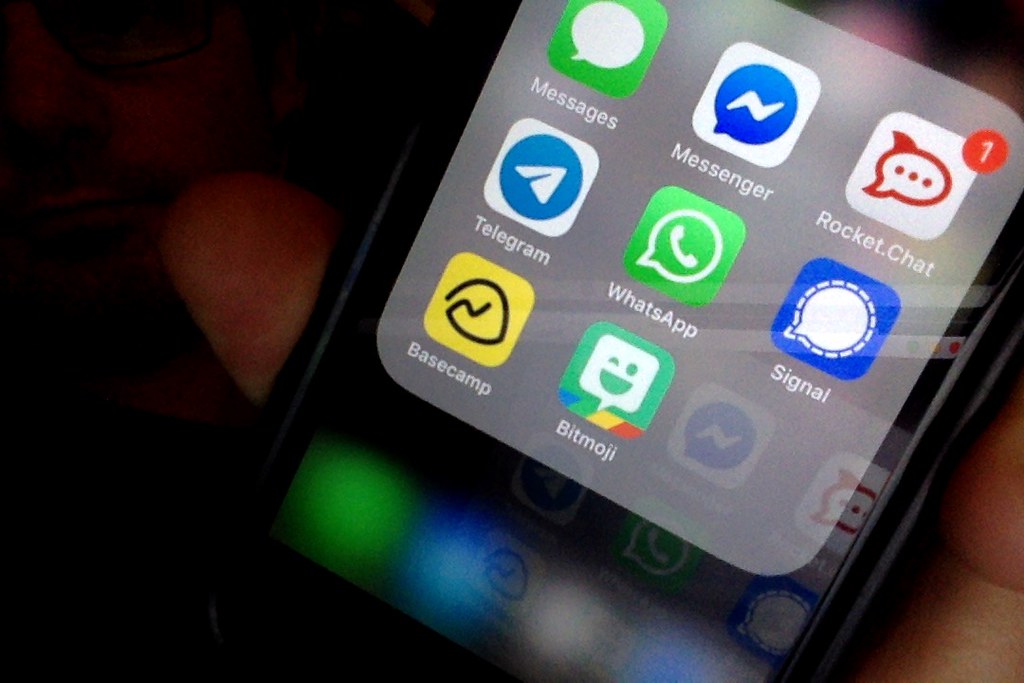
Secure messaging service Signal yesterday became the latest company to warn that Bill C-22, the lawful access bill, could force it to leave the Canadian market rather than comply with provisions it says would compromise its end-to-end encryption and create new cybersecurity risks. Signal vice-president Udbhav Tiwari told the Globe and Mail that the company “would rather pull out of the country than be compelled to compromise on the privacy promises we have made to our users.” The comments are part of a steady stream of similar warnings from Apple, Meta, the Canadian Chamber of Commerce, the Cybersecurity Advisors Network, and the chairs of the U.S. House Judiciary and Foreign Affairs Committees. Despite growing concern, the government’s response has been to launch a misleading social media campaign and repeatedly insist that the experts and companies are mistaken.
The Lawful Access Two-Headed Surveillance Monster: How Bill C-22 Went Off the Rails - Michael Geist
The government’s plans for lawful access have gone off the rails. In recent days, Signal has warned it would pull out of the Canadian market rather than comply with Bill C-22. Windscribe, the Toronto-headquartered VPN provider, has said it would relocate its headquarters out of Canada and NordVPN has warned it would consider following suit. Apple and Meta have both raised public concerns about the bill’s effect on encryption and cybersecurity. The Canadian Chamber of Commerce, the Cybersecurity Advisors Network, civil liberties groups, and a long line of legal and security experts have all called for changes. The chairs of the U.S. House Judiciary and Foreign Affairs Committees have written to Public Safety Minister Gary Anandasangaree warning that the bill threatens U.S. national security and the integrity of cross-border data flows. Even the bill’s own oversight body, the National Security and Intelligence Review Agency, has told the SECU committee it does not have the access it needs for effective oversight. If the government thought it could push through the bill largely unnoticed, it has been proven painfully wrong as there are now trade frictions with the U.S., the prospect of leading companies exiting the Canadian market, and weaker cybersecurity protections for ordinary users. How did Canada’s lawful access plan go awry so quickly?
Big Tech tried to get young people addicted. Now we’re fighting back
Two seismic court decisions in the US have intervened where legislators have failed to defend social media users from exploitation, writes campaigner Zamaan Qureshi

Fighting Bad Internet Bills (US-centric for now)

News, analysis, discussion, and actions about KOSA, the KIDS Act, age verification bills, and other bills that would surveil and censor the internet.
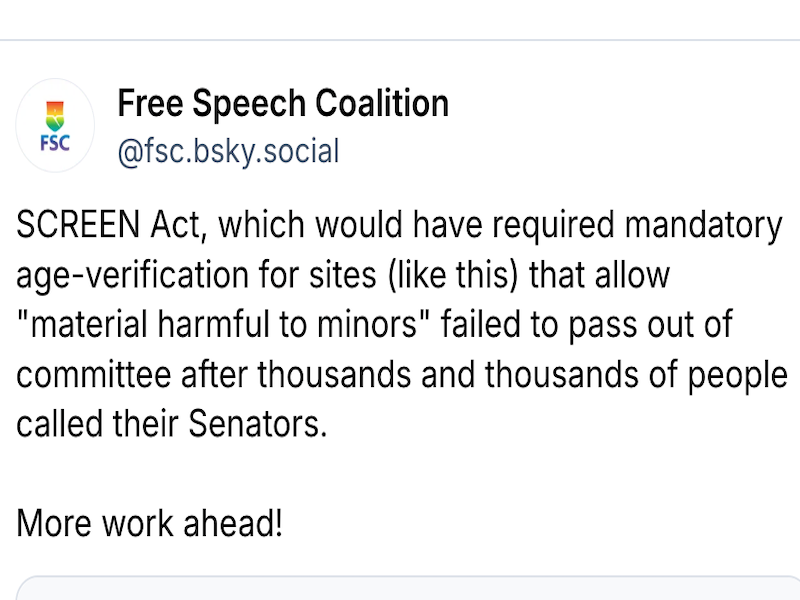
Activism makes a difference: the SCREEN Act unexpectedly fails in committee! But KOSA advances, so keep up the pressure
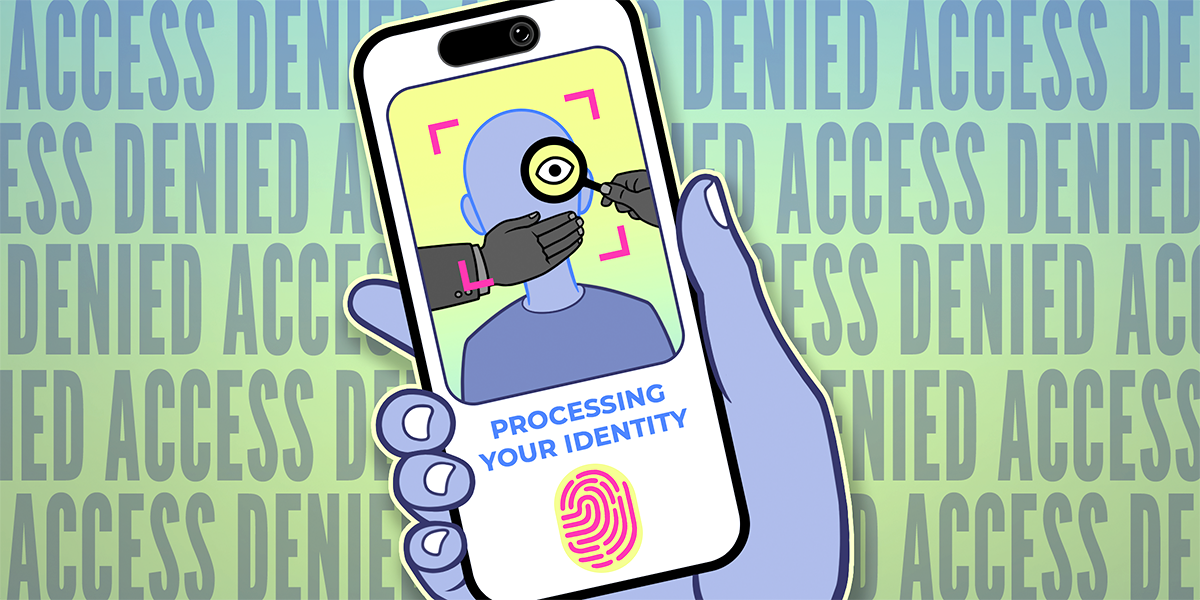
Congress Wants To Hand Your Parenting to Big Tech
Should Have Known Is the Wrong Standard for Kids’ Safety Laws
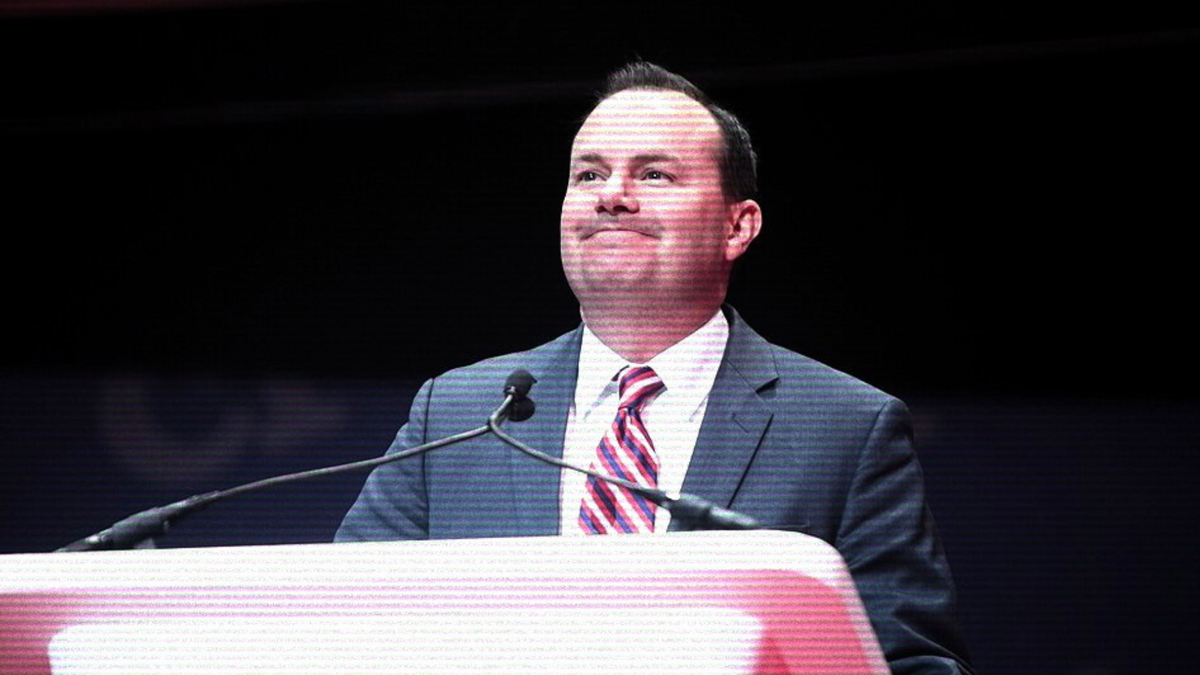
The SCREEN Act is a Christian Nationalist Nightmare
The Senate Should Reject KOSA's Privacy Risks
"The S is for surveillance": fighting KOSA and bad internet bills in the ATmosphere and the fediverses