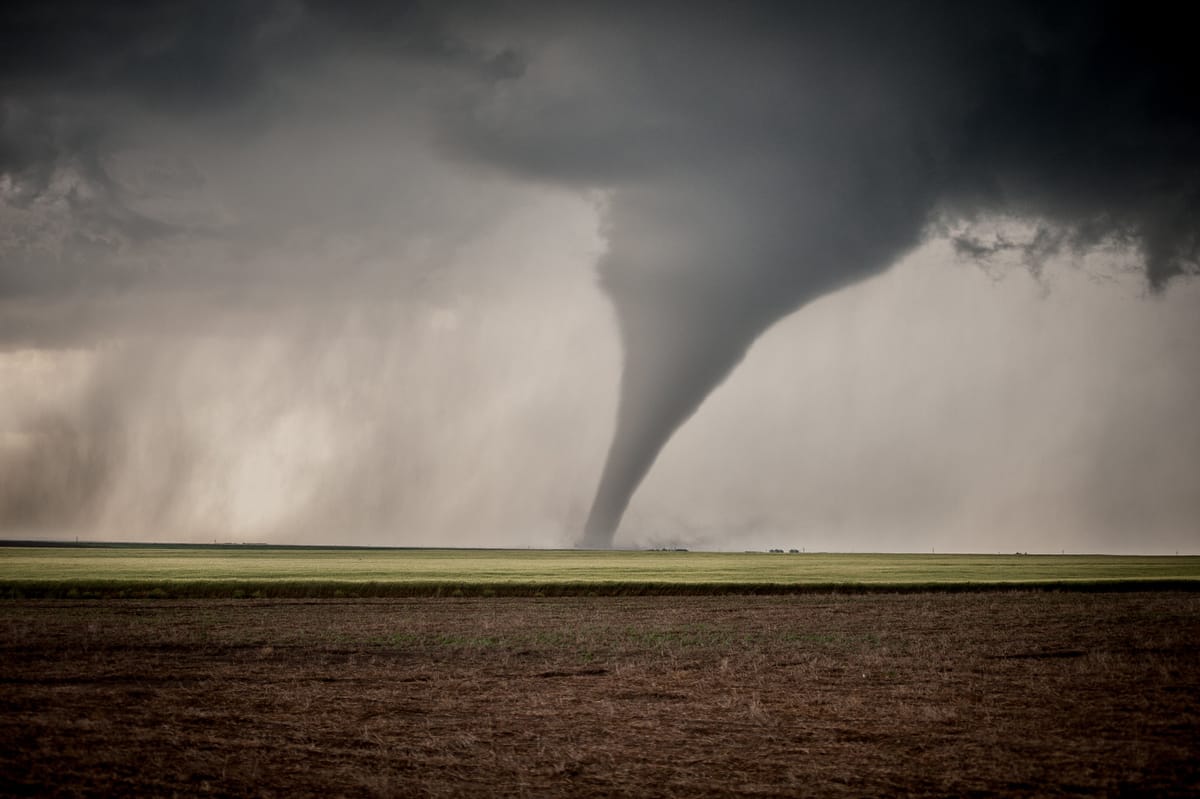
Privacy is necessary for an open society in the electronic age. Privacy is not secrecy. A private matter is something one doesn't want the whole world to know, but a secret matter is something one doesn't want anybody to know. Privacy is the power to selectively reveal oneself to the world.
Why privacy is important, and having "nothing to hide" is irrelevant
The governments of Australia, Germany, the UK and the US are destroying your privacy. Some people don't see the problem...
Why privacy is important, and having "nothing to hide" is irrelevant
The governments of Australia, Germany, the UK and the US are destroying your privacy. Some people don't see the problem...

You Really Do Have Some Expectation of Privacy in Public
When we spend time fighting the growing ubiquity of both public and private surveillance cameras we often hear a familiar refrain: “you don’t have an expectation of privacy in public.” This is not

Privacy and human behavior in the age of information
This Review summarizes and draws connections between diverse streams of empirical research on privacy behavior. We use three themes to connect insights from social and behavioral sciences: people's uncertainty about the consequences of privacy-related behaviors and their own preferences over those consequences; the context-dependence of people's concern, or lack thereof, about privacy; and the degree to which privacy concerns are malleable—manipulable by commercial and governmental interests. Organizing our discussion by these themes, we offer observations concerning the role of public policy in the protection of privacy in the information age.
Cypherpunk Retreat
This retreat brings together the top builders and front-line organizers in digital privacy to align on roadmaps, drive technical coordination, and accelerate progress toward a more private and resilient internet. The goal is not just to discuss, but to ship: to create tangible advancements that can be implemented and adopted rapidly.
Privacy Principles
Privacy is an essential part of the web. This document provides definitions for privacy and related concepts that are applicable worldwide as well as a set of privacy principles that should guide the development of the web as a trustworthy platform. People using the web would benefit from a stronger relationship between technology and policy, and this document is written to work with both.
Privacy Principles
Privacy is an essential part of the web. This document provides definitions for privacy and related concepts that are applicable worldwide as well as a set of privacy principles that should guide the development of the web as a trustworthy platform. People using the web would benefit from a stronger relationship between technology and policy, and this document is written to work with both.
Measuring the Privacy Experience
How do you know that a product respects your privacy – other than by wading through the fine print? We’ve created a framework to measure the way people actually experience privacy in tech products.
The Tor Project | Privacy & Freedom Online
Defend yourself against tracking and surveillance. Circumvent censorship.

Why Meta is retreating from encryption
In 2019, Mark Zuckerberg called privacy the future of social networking. Not anymore


How (Not) to Write a Privacy Law
After many years of failed starts, proposed information privacy legislation has begun moving forward in both houses of Congress. The docket in the recently ended 116th Congress was crowded, with a number of different proposals jostling for attention and no agreement on which deserved to be the front runner. Even so, as the 117th Congress begins, there is growing inside-the-Beltway consensus on the list of features that a successful bill will need to include. This paper critically assesses those zones of emerging consensus.
Privacy under attack: the NSA files revealed new threats to democracy
We now know the apparatus of repression has been attached to the democratic state, but our struggle for privacy is far from hopeless. By Eben Moglen

Privacy, human rights, and Tornado Cash
I am more worried about privacy than crypto crime.