

Video content for proposed legislation concerning patent eligible subject matter under US law
The Evolving Language of PERA (Patent Eligibility Restoration Act)
A History of the Language of the Patent Eligibility Restoration Act (PERA); Section 101 of Title 35 of the United States Code

§ 101 Eligibility for Natural Product Inventions: How it All Went Wrong with Funk Brothers, and the PERA Solution
The Patent Eligibility Restoration Act (PERA) is a Critically Needed, Balanced Solution for Maintaining U.S. Leadership
Why I’m Suing the US Government « bunnie's blog
Today I filed a lawsuit against the US government, challenging Section 1201 of the Digital Millennium Copyright Act. Section 1201 means that you can be sued or prosecuted for accessing, speaking about, and tinkering with digital media and technologies that you have paid for. This violates our First Amendment rights, and I am asking the court to order the federal government to stop enforcing Section 1201.
Patent Eligibility of Nature Based Food Products
Nature-Based Food Products May Be Eligible for Patenting Under 35 U.S.C. § 101
Promoting Advanced Artificial Intelligence Innovation and Security
By the authority vested in me as President by the Constitution and the laws of the United States of America, it is hereby ordered: Section 1. Purpose.
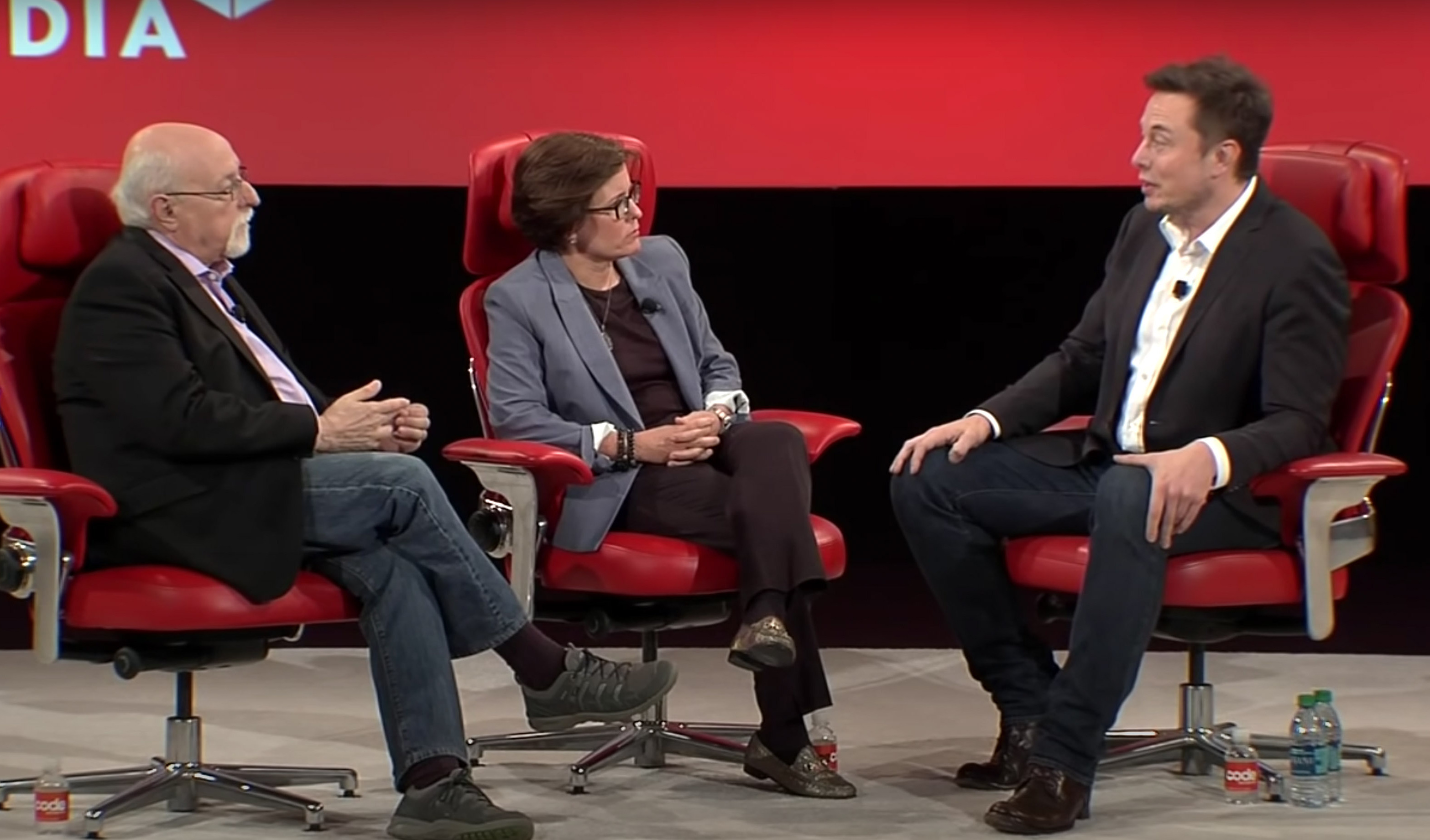
People are trying to claim real videos are deepfakes. The courts are not amused
The unleashing of powerful, generative AI on the public is raising concerns that as the technology becomes more prevalent, it will become easier to claim that anything is fake.
Fact Sheet: New Rule on the Accessibility of Web Content and Mobile Apps Provided by State and Local Governments
The Department of Justice published a Notice of Proposed Rulemaking (NPRM) on July 20, 2023 explaining how we propose updating the regulations for Title II of the Americans with Disabilities Act (ADA) to add more specific requirements about web and mobile application accessibility. This fact sheet gives a plain language summary of the technical standards that state and local governments would have to follow to meet their existing obligations under Title II of the ADA.
Technology and Below-the-Line Labor in the Copyfight over Intellectual Property
Andrew Ross, Technology and Below-the-Line Labor in the Copyfight over Intellectual Property, American Quarterly, Vol. 58, No. 3, Rewiring the "Nation": The Place of Technology in American Studies (Sep., 2006), pp. 743-766
Ushering in the Next Frontier of Quantum Innovation
By the authority vested in me as President by the Constitution and the laws of the United States of America, it is hereby ordered: Section 1. Purpose.
AI Meeting Recording Laws by State: Complete Guide (2026)
Are AI meeting recorders like Otter.ai and Fireflies legal? State-by-state consent laws, penalties, and compliance guide for AI transcription tools in 2026.

Restoring Consumer Sovereignty: How Markets Manipulate Us and What the Law Can Do About It
Abstract. For decades, there has been broad consensus within antitrust, intellectual property, and consumer law scholarship that consumers make decisions i
Chapter Eight—Technology and the Law: The Automobile · University of Wisconsin Law School Digital Repository · University of Wisconsin Law School Digital Repository
University of Wisconsin Law School Law Library 975 Bascom Mall Madison, WI 53706 608-262-3394
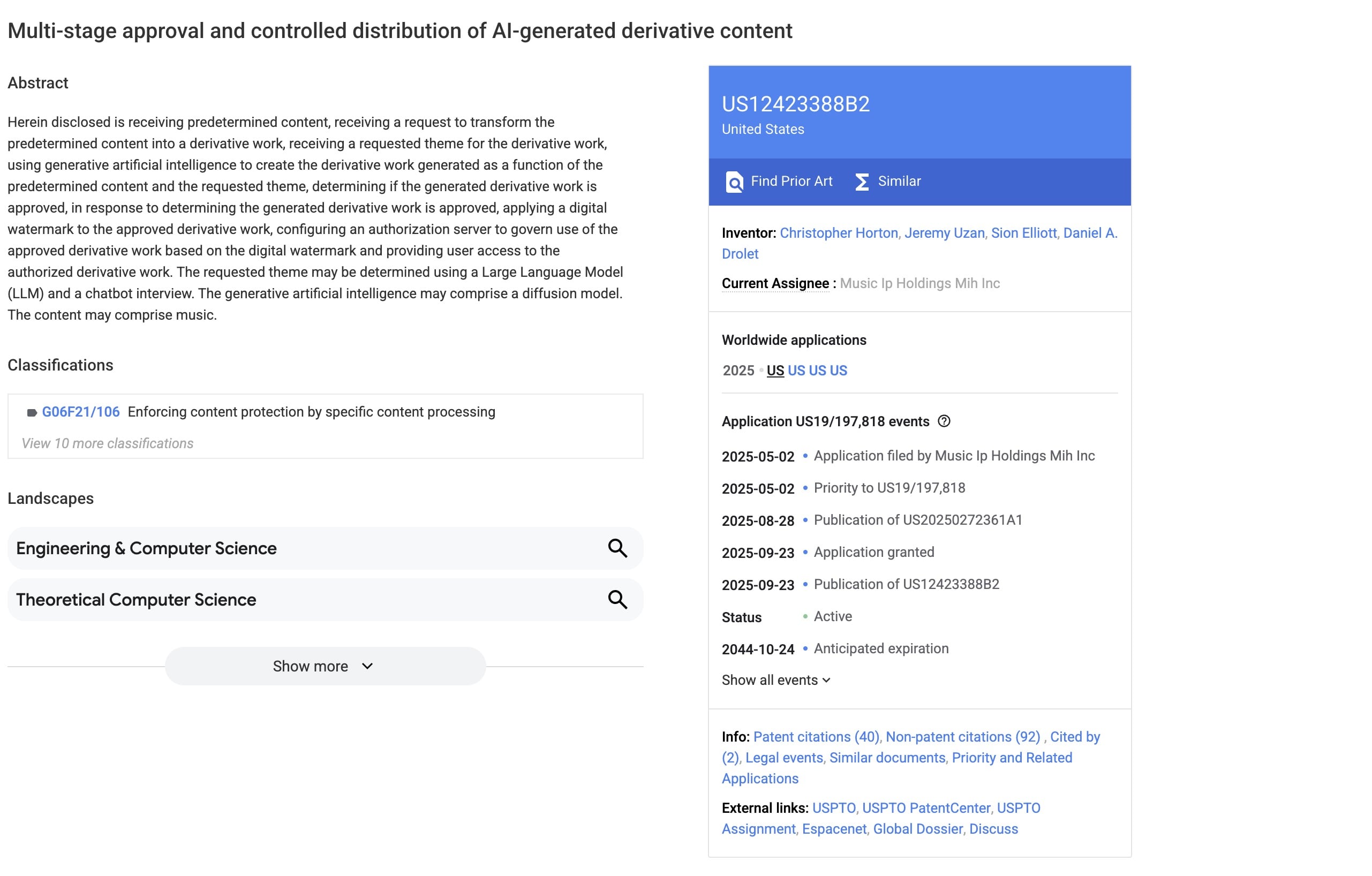
Inside the UMG-backed patent portfolio targeting AI music derivatives: A technical blueprint for the walled garden model? - Music Business Worldwide
An entity linked to UMG has been building a patent portfolio around AI-music infrastructure…
No patent if invention lies only in computer program, says Indian Patent Office
The Patent Office issues fresh guideline related to Computer Related Inventions (CRI) to bring in uniformity in examining patent claims


Patents in Open Source
The relationship between the patent system and software hasn’t always been clear. Software is a unique construction, incorporating both creative and functional aspects. While creative aspects of software are protected under copyright law, the functional aspects of software may be protectable via patent law.1 The interaction between patent law and open source licenses is the focus of this chapter.