

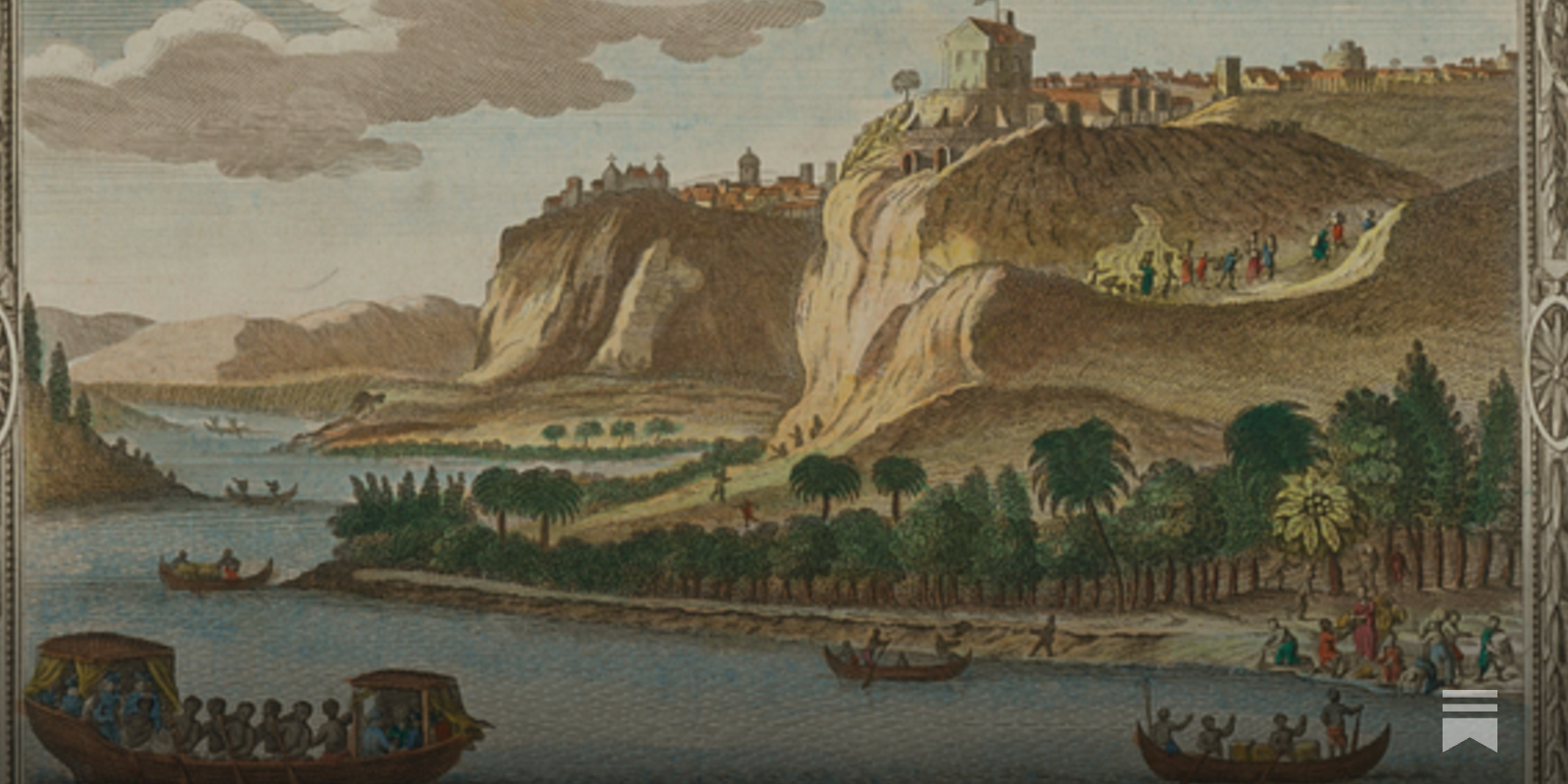
Africa was not an anarchist paradise; it underwent broadly similar processes of centralisation and state formation to those found elsewhere, with regional variation.
Na crise atual, Kwame Nkrumah voltou a ser leitura obrigatória
O líder afromarxista Kwame Nkrumah nasceu neste dia em 1909. Ele dissecou os meandros do avanço imperialista na África do século XX em sua tese contra o neocolonialismo. Com a nova ofensiva estadunidense no Sul Global, reler e se armar com os argumentos de seu livro Neocolonialismo: estágio superior do imperialismo se torna uma tarefa incontornável dos dois lados do Atlântico.

How Europe Underdeveloped Africa
The decisiveness of the short period of colonialism and…

Is all post-structuralist political theory necessarily anarchist?
14 votes, 18 comments. I'm a huge philosophy nerd, and I believe that philosophy is often one of the best guiders of political thought. I've been…
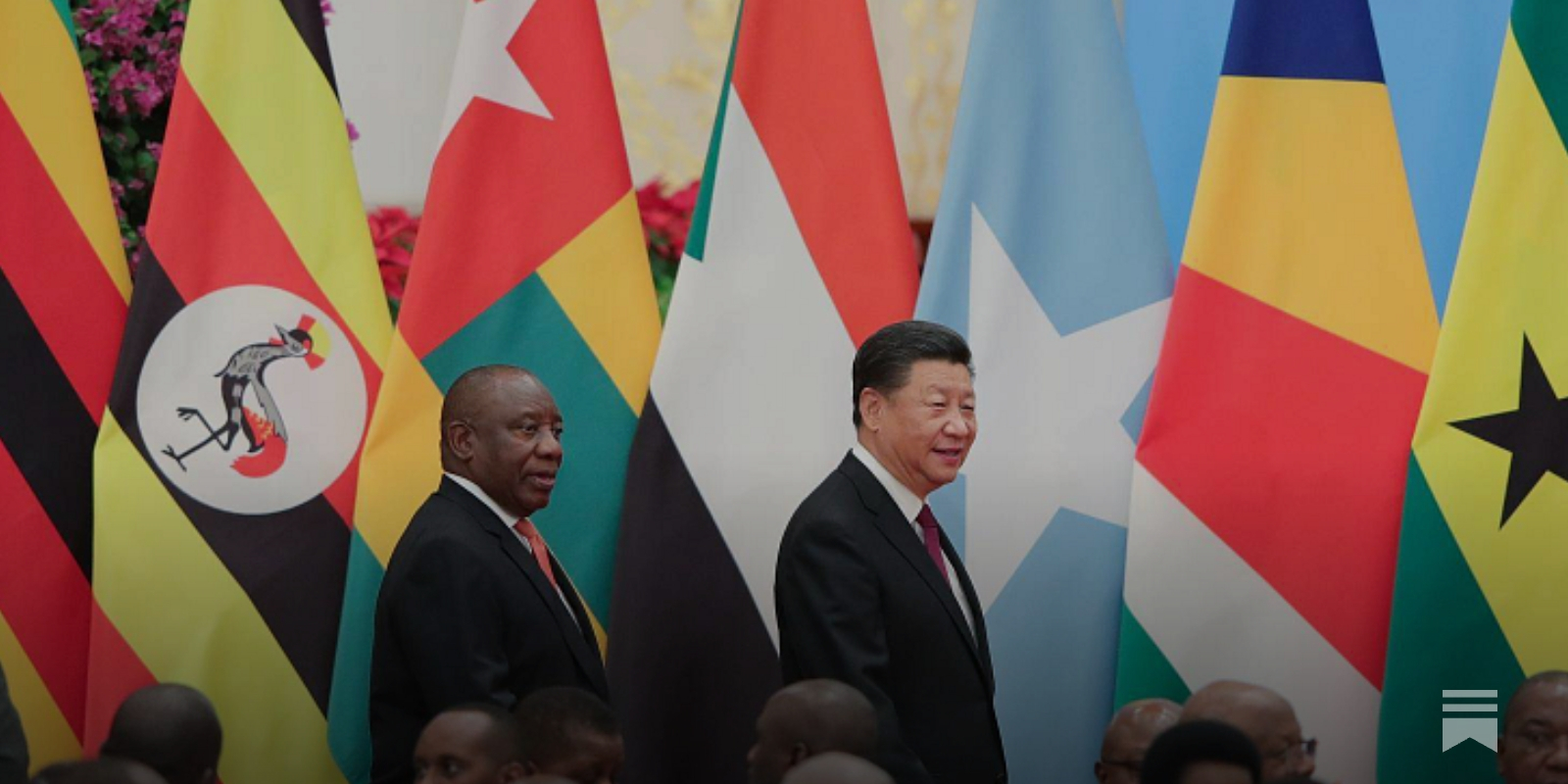
Is China doing "colonialism" in Africa?
Western claims are contradicted by empirical evidence.
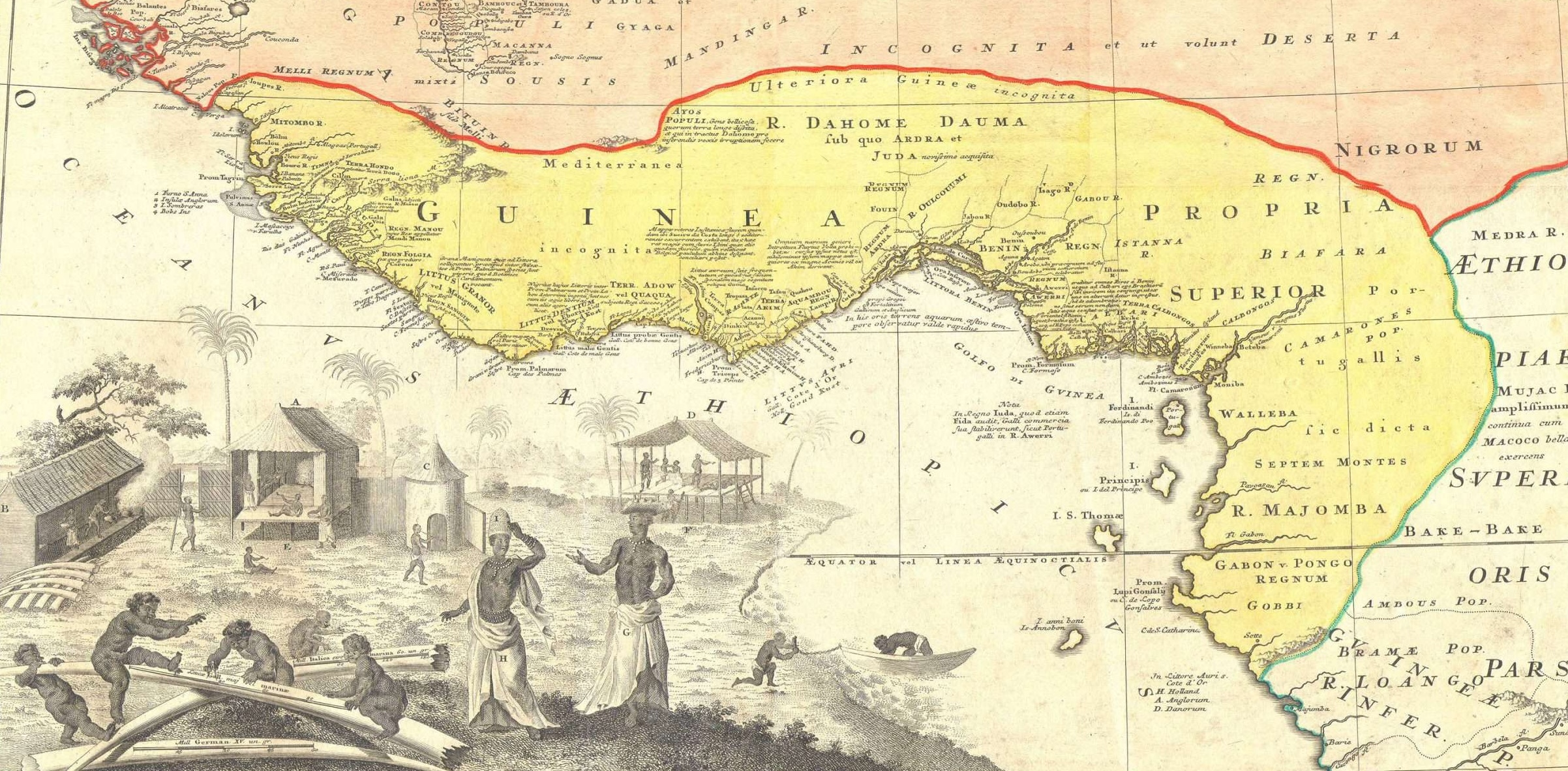
The resurgence of fortified landscapes in West Africa
West African states respond to insurgencies by building city walls and fortifying borders, balancing protection with rural vulnerabilities.

How Indigenous West African Communities Resisted the European Slave Trade
Compelling evidence of massive African resistance to Atlantic slavery can be found from the very onset of the European colonial arrival on the con-tinent. When the Portuguese gained control of the …
The Nation on No Map: Black Anarchism and Abolition
The Nation on No Map examines state power, abolition, a…

Anarchy & the Philosophy of Anarchism Collection: Mutua…
Anarchism claims that there's no need for a state and t…

When is a nation not a nation? Somaliland’s dream of independence
The long read: Though unrecognised by the international community, this self-declared state in the Horn of Africa has its own flag, parliament, currency and national identity. What has to happen before its status changes? By Joshua Keating

Immigrants against the State: Yiddish and Italian Anarchism in America
From the 1880s through the 1940s, tens of thousands of first- and second-generation immigrants embraced the anarchist cause after arriving on American shores. Kenyon Zimmer explores why these migrants turned to anarchism, and how their adoption of its ideology shaped their identities, experiences, and actions. Zimmer focuses on Italians and Eastern European Jews in San Francisco, New York City, and Paterson, New Jersey. Tracing the movement's changing fortunes from the pre–World War I era through the Spanish Civil War, Zimmer argues that anarchists, opposed to both American and Old World nationalism, severed all attachments to their nations of origin but also resisted assimilation into their host society. Their radical cosmopolitan outlook and identity instead embraced diversity and extended solidarity across national, ethnic, and racial divides. Though ultimately unable to withstand the onslaught of Americanism and other nationalisms, the anarchist movement nonetheless provided a shining example of a transnational collective identity delinked from the nation-state and racial hierarchies.
Become an Anarchist or Forever Hold Your Peace
Neither courts nor laws will suffice to halt the descent into autocracy. Massive numbers of people will have to take direct action on their own initiative—in other words, to become anarchists.

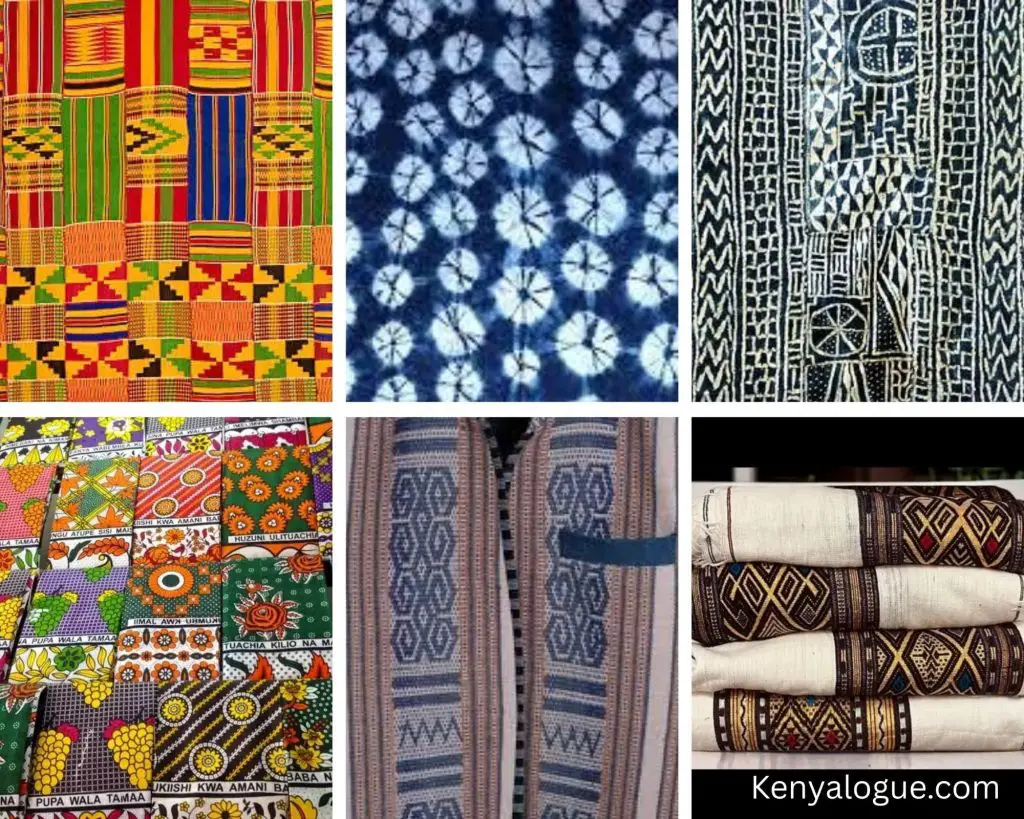
Fabrics of Africa: 40+ Fabrics That Weave Culture, Color, and Heritage of Africa - Kenyalogue
Africa’s vibrant story isn’t written only in words—it’s woven, dyed, stamped, and embroidered into cloth. From the sun-soaked looms of Ghana to the hand-pounded bark cloths of Uganda and the geometric raffia of the Congo, African fabrics carry the colors, symbols, and spirit of their people. “Fabrics of Africa” is a curated journey through the...
Marxism & the Global South
A critical history of imperialism and dependency theory, from Marx on colonialism and Eurocentrism to Baran, Frank, Wallerstein, and Samir Amin.

Marxism & the Global South
A critical history of imperialism and dependency theory, from Marx on colonialism and Eurocentrism to Baran, Frank, Wallerstein, and Samir Amin.
