

39,000+ findings about conservation agriculture and the environment – visualized.
Medieval Farms Were a Boon for Biodiversity, Research Finds
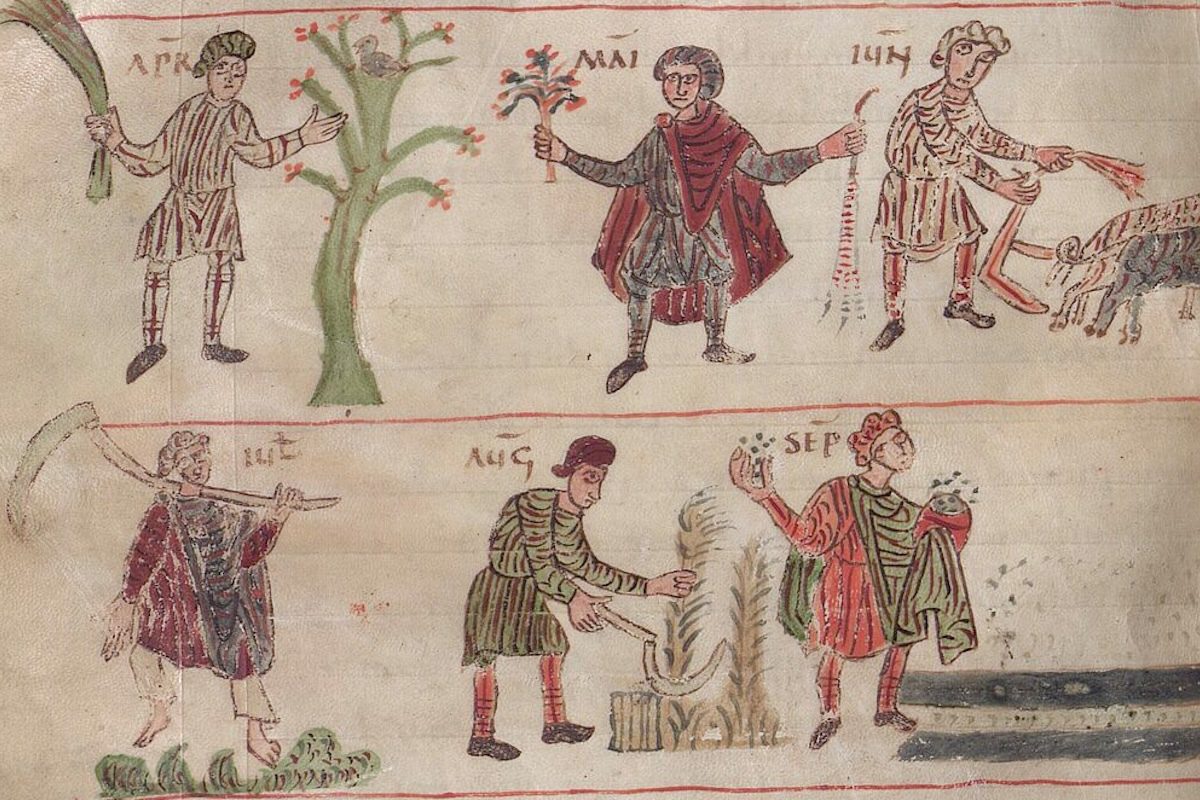
In parts of Europe, the diversity of plants was greatest in the years before the Black Death, at a time when small farms and pastures existed alongside grasslands and forests, new research reveals. The findings show how, under the right conditions, farms can be a boon to nature.
Diversification and ecosystem services for conservation agriculture: Outcomes from pastures and integrated crop–livestock systems | Renewable Agriculture and Food Systems | Cambridge Core
Diversification and ecosystem services for conservation agriculture: Outcomes from pastures and integrated crop–livestock systems - Volume 28 Issue 2
Agriculture research summaries
Read short summaries of agricultural studies tailored to B.C. farmers and producers.
Some recent developments in controlled-environment agriculture: on plant physiology, sustainability, and autonomous control
In this review, we highlight some recent developments in controlled-environment agriculture (CEA), discuss its sustainability and provide a future outlook, mainly based on recently published work f...

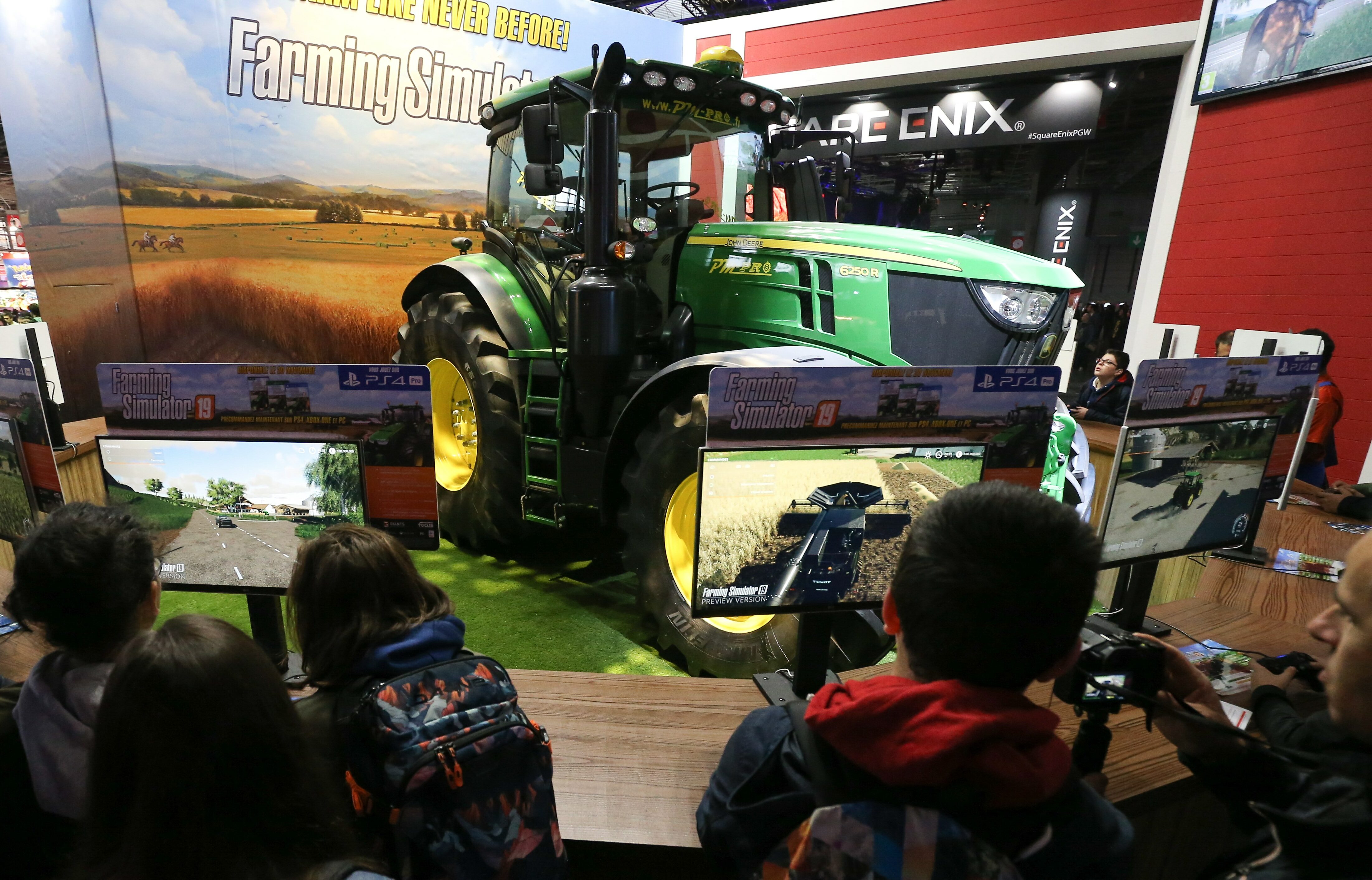
With So Few Farmers, Why Are Video Games About Farming So Popular?
An archaeologist considers what farming simulators reveal about humanity’s ancient and evolving relationship with agriculture.
A social-ecological framework for analyzing and designing integrated crop–livestock systems from farm to territory levels
Integrated crop–livestock systems are often considered a promising way to address agricultural sustainability issues. Many authors claim that complementarities and synergies between crops and livestock can improve nutrient cycling and delivery of ecosystem services (ES) in agricultural systems. They have analyzed effects of interactions at the farm level and affirmed the potential advantage of developing crop–livestock interactions at the territory level. However, potential benefits of developing synergies beyond the farm level have not been clearly identified. Thus, we developed a conceptual framework that can be used to analyze, design and perform integrated assessment of crop–livestock systems at the territory level. To address crop–livestock interaction issues, we define it as a social-ecological system called the territorial crop–livestock system (TCLS). The ecological system is represented as three interacting components, crops, grasslands and animals, allowing description of various land uses and their potential effects on nutrient cycling and ES. The social system, represented as farmers interacting with natural-resource managers and agro-food chain actors, determines land use and the nature and intensity of ES delivered. We highlight the importance of coordination and learning among actors to support implementation of complex adaptive systems such as TCLSs. We illustrate the expressive power of our conceptual framework through development of a generic typology of crop–livestock systems. Then we show how our conceptual framework can be used as an intermediary object with stakeholders in participatory design approaches. We illustrate this process by representing four archetypal TCLSs. We provide an example of the design approach implemented in Southwestern France to address severe recurrent water shortages, which includes analysis of land use in the current crop–livestock system and the associated key metabolic and ES issues, identification of options for change and multi-criteria analysis of these options. We conclude that this framework shows great potential to support development of sustainable farming systems at the territory level.
Young Agrarians
Young Agrarians is a farmer to farmer educational resource network for new and young ecological, organic and regenerative farmers in Canada.

Black Farmers Index
Black Farmers Index drives resources and exposure to agriculturalists with an online directory, workshops, events, data gathering/reporting and media features
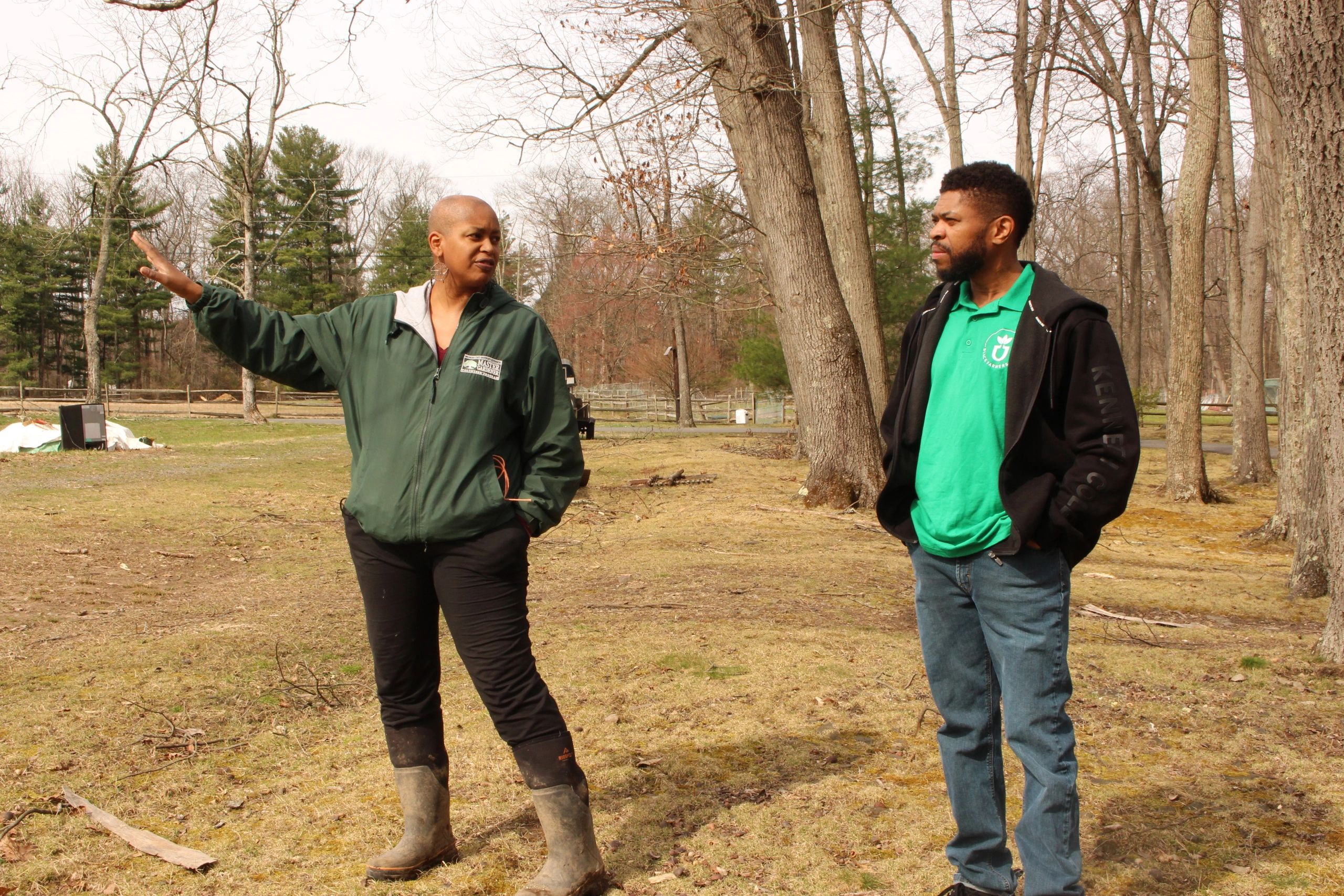
openfarmcc/OpenFarm
A free and open database for farming and gardening knowledge. You can grow anything!
Farming and Rural Affairs - One Nation Victoria
Water for farmers who irrigate, not speculators. Farmland protected from industrial energy projects, local timber backed, Labor's fisheries job cuts reversed.
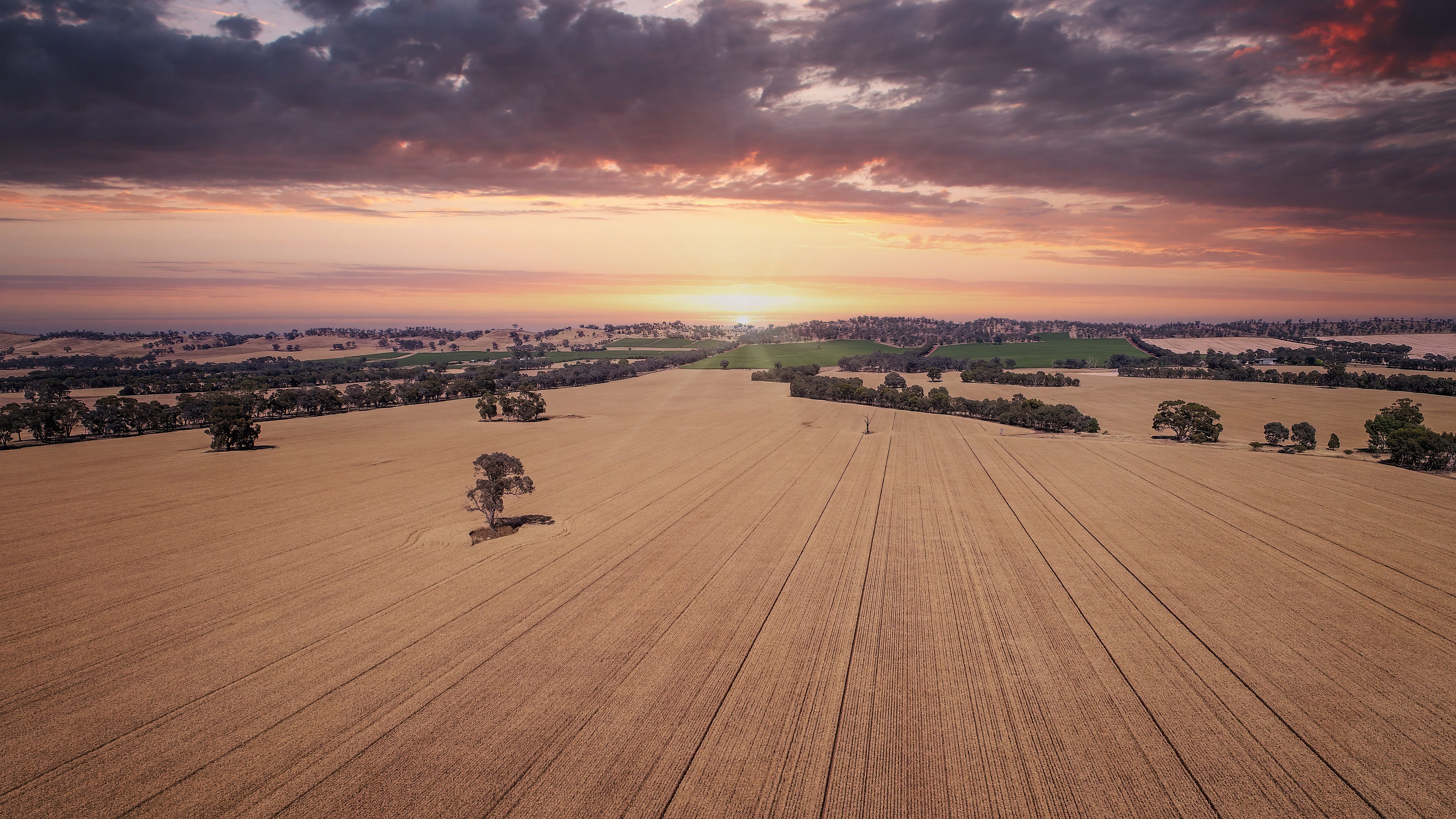
State of Conservation Technology | WILDLABS
Explore insights from the first community-sourced assessment of the State of Conservation Technology

‘Soil is more important than oil’: inside the perennial grain revolution
Scientists in Kansas believe Kernza could cut emissions, restore degraded soils and reshape the future of agriculture
The Old Farmer’s Almanac: Gardening, Weather, Moon, Calendar
The Old Farmer’s Almanac is your trusted source for long range weather forecasts, moon phases, full moon dates and times, gardening tips, sunrise and sunset times, Best Days, tide charts, home remedies, folklore, and more. All from the oldest continuously-published and best-selling farmers’ almanac in North America.
Crop–livestock integration beyond the farm level: a review
AbstractParadoxically, the number of crop–livestock farms is declining across Europe, despite the fact that crop-livestock farms are theoretically optimal to improve the sustainability of agriculture. To solve this issue, crop–livestock integration may be organized beyond the farm level. For instance, local groups of farmers can negotiate land-use allocation patterns and exchange materials such as manure, grain, and straw. Development of such a collective agricultural system raises questions, rarely documented in the literature, about how to integrate crops and livestock among farms, and the consequences, impacts, and conditions of integrating them. Here, we review the different forms of crop–livestock integration beyond the farm level, their potential benefits, and the features of decision support systems (DSS) needed for the integration process. We identify three forms of crop–livestock integration beyond the farm level: local coexistence, complementarity, and synergy, each with increasingly stronger temporal, spatial, and organizational coordination among farms. We claim that the forms of integration implemented define the nature, area, and spatial configuration of crops, grasslands, and animals in farms and landscapes. In turn, these configurations influence the provision of ecosystem services. For instance, we show that the synergy form of integration promotes soil fertility, erosion control, and field-level biological regulation services through organizational coordination among farmers and spatiotemporal integration between crops, grasslands, and animals. We found that social benefits of the synergy form of integration include collective empowerment of farmers. We claim that design of the complementarity and synergy forms of crop–livestock integration can best be supported by collective participatory workshops involving farmers, agricultural consultants, and researchers. In these workshops, spatialized simulation modeling of crop–livestock integration among farms is the basis for achieving the upscaling process involved in integrating beyond the farm level. Facilitators of these workshops have to pay attention to the consequences on governance and equity issues within farmers groups.
Crop is Stardew Valley except you arrive at your farm naked and in the boot of a car
If Stardew Valley is a cosy farming game the Crop is a what you get if you make it a horror farming game.

Digital gardening

Digital gardens in theory and practice
oleeskild/obsidian-digital-garden
Tranquil PDS
Garden and the Stream - thoughts
Digital Gardens (by owais) — Semble
digital gardens (by treethought) — Semble