


In the span of a single generation the Internet has revolutionized the basic functions and operations of libraries and schools and expanded exponentially both the opportunities and challenges these institutions face in serving their users. During this time many schools and libraries in the United States have installed content filters on their Internet access. They have done so for a variety of reasons, not least of which is the requirement to comply with the Children’s Internet Protection Act (CIPA) in order to be eligible to receive federal funding or discounts through the Library Services and Technology Act, Title III of the Elementary and Secondary Education Act, and the Universal Service discount program (E-rate), or to comply with state filtering requirements that may also be tied to state funding. Their rationale for filtering is that it is better to have filtered access than no access.
U.S. Social Media Regulations for Minors
The digital lives of American children and teenagers have become a focal point of intense national debate and legislative action. ContentsThe Federal Foundation: The Children’s Online Privacy Protection Act (COPPA)The State-Level Surge: A Patchwork of New RulesThe Next Generation of Federal Law: Congress Weighs InThe Constitutional Crossroads: Free Speech vs. State RegulationThe Great Debate: Voices […]

The "Segregate-and-Suppress" Approach to Regulating Child Safety Online
<div> In an effort to protect children online, regulators around the country and the world are enacting laws that compel Internet publishers to age-authenticat

Children’s Online Privacy Protection Act
Children's Online Privacy Protection Act, addresses the collection, use, and disclosure of personal information about children collected from children through websites or other online services.
Digital Driver’s Licenses Threaten to Create a “Great Internet Lockdown” | ACLU
Two trends threaten the creation of a bureaucratic wall between Americans and the information they have a right to access
Online Safety Bills Are Fueling a New Wave of Internet Censorship
State and federal bills seek to limit minors’ access to social media, but civil liberties advocates warn that the resulting online censorship threatens constitutional rights without delivering real safety.
Every Country Has Its Own Internet Now
A patchwork of privacy laws, teen social media bans, and "digital sovereignty" pushes means the Internet you see depends entirely on where you're standing.

Beware online "filter bubbles" | Eli Pariser
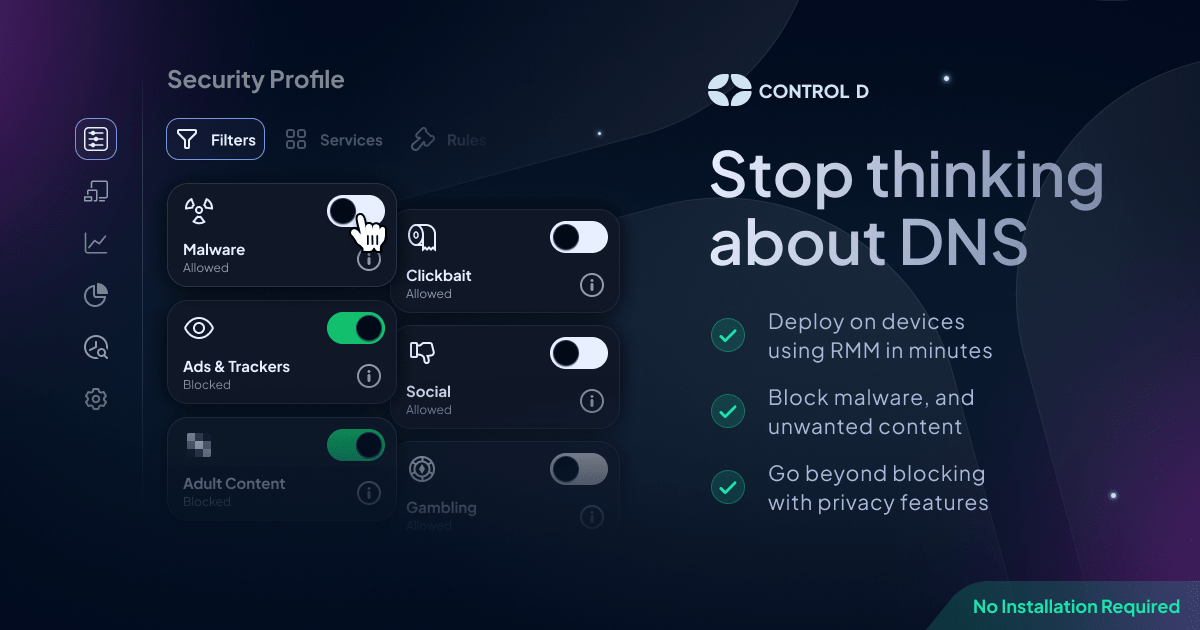
DNS Filtering Services: Security & Network Protection | Control D
Control D's DNS filtering software blocks unwanted websites, prevents malware, enforces web policies, and strengthens network security in minutes.
The Kids Online Safety Act Will Make the Internet Worse for Everyone
Lawmakers who support KOSA today are choosing to trust the current administration, and future administrations, to define what youth—and to some degree, all of us—should be allowed to read online.
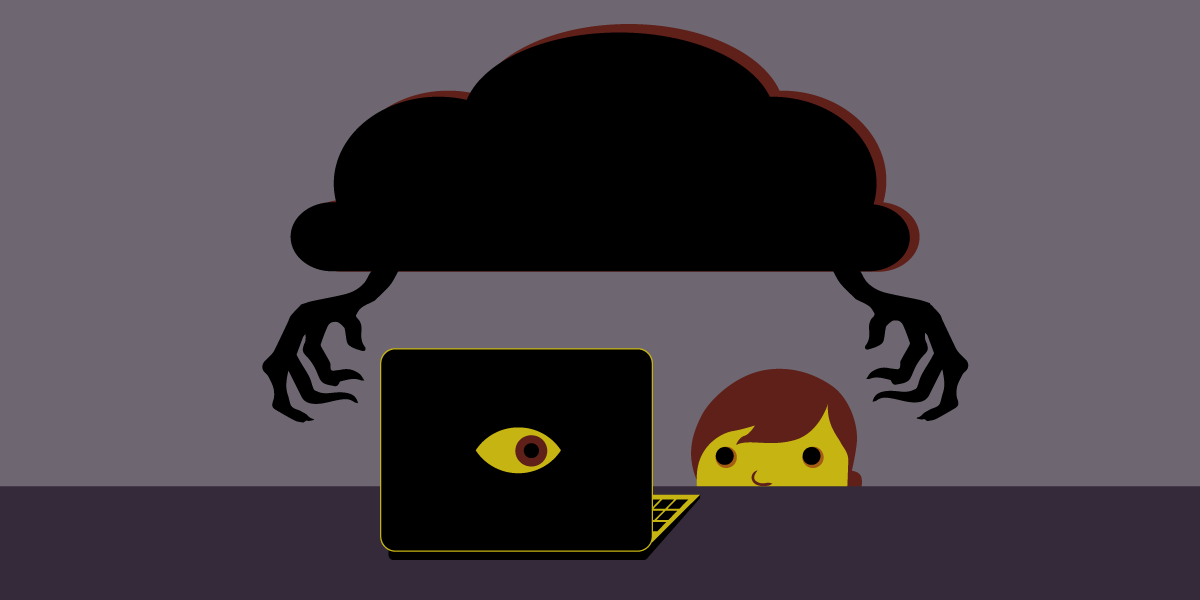
The KIDS Act Would Require Age Checks To Get Online
Buried inside the KIDS Act are provisions that will push online services to verify all users’ ages, require government-directed moderation policies for online speech, and even create new rules about
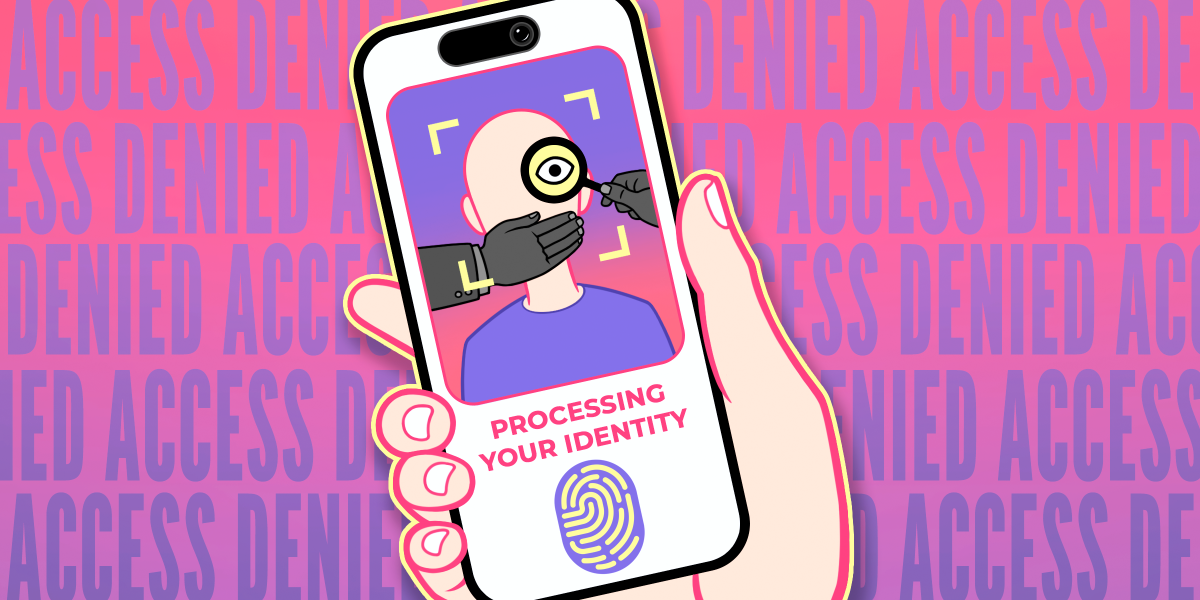
KOSA, the KIDS Act, AI, Bad Internet Bills, and a potential giveaway to big tech (UPDATED)
Just say no to bills that age restrict, censor, and surveil the internet!
Home | Protecting Kids Online
Our mission is to protect children and defend parental rights by equipping families and citizens with the tools to keep kids safe online. We oppose government surveillance disguised as child safety legislation and seek to build an informed, independent parent-led coalition to #ProtectKidsOnline.

What happened to the fight for the Internet? -- Dustycloud Brainstorms
At the moment I am writing this, bad internet bills are being proposed across the US, Canada, Europe, and the UK. They're using the usual tactics: they claim they're fighting for kids or fighting security risks, but in general, that's what surveillance and censorship bills have always claimed.
Supreme Court Halts Federal Limits on Social Media Algorithm Regulation
U.S. Supreme Court Blocks Online Transparency and Fairness Act On October 1, 2024, the U.S. Supreme Court issued a critical emergency injunction that effectively halted the enforcement of the Online…

#cybersafety #ageverification #privacy #minors #ai | Parry Aftab
Internet Age-Verification Causing More Risks than It’s Worth This is not a new issue. Regulators and policymakers have raised it for the last 28 years as the way the keep kids safer online. They compare it to having to flash an ID to purchase regulated content or items (porn, cigarettes, alcohol, restricted medications, age-restricted movies, amusement rides, etc.) But verification online is very different and vastly riskier than flashing an ID in real life. For one, it’s collecting personally-identifiable information about our kids. For two, it puts that information in the too-often untrustworthy digital hands of tech companies. For three, while porn, alcohol and regulated drugs may be a clear-cut case for restricting access to adults, access to the Internet is very different. Yet, regulations begun in the UK and adopted globally have begun a weighted cybersafety approach that, in my humble opinion, prefers excluding young people from digital technology over teaching the cybersafety and digital life skills. That, in my 32 years of work in the fields of cybersafety and protection of minors online, was and remains a mistake. One of my best known quotes, repeated in Congressional and state legislative testimony and in the media is: “The greatest single risk our children face online is being denied access. We have solutions for everything else.” (my testimony before the FTC) Some proponents of age-verification have opted to denying them access unless they give up confirmable personally-identifiable info, such as selfies, feeding AI with PII, and govt or school credentials. I argue that this gives social networks, game providers and digital app operators a wealth of PII to be used for profiling, marketing and collecting far too much. With their privacy at stake, too often incompetent, malicious and greedy producers and mega-tech industry players, can’t and shouldn’t be trusted with the personal info of our most vulnerable - our kids. And AI will now be tasked with collecting everything it can find about our kids to be able to “age-verify.” (It’s ability to age-verify is less reliable with youth as their data-sets are more limited.) I served on a task force appointed by 49 state attorneys general, charged to research and weigh-in on this issue. We concluded that age-verification wasn’t feasible. While this task force was formed many years ago, with the exception of a fortified AI, not much as changed. Our children’s privacy remains, or should remain, paramount. We have robust filtering and blocking technologies. The adult industry has adopted an age-gated model. And parents can restrict access using device-specific tools. And, many well-intentioned age-verification laws were adopted too quickly for thoughtful discourse. Or by governments more prone to censorship/content restrictions. I fear in our quest to protect our kids we have thrown our babies out with the bath water. #cybersafety #ageverification #privacy #minors #AI

Fighting Bad Internet Bills (US-centric for now)

News, analysis, discussion, and actions about KOSA, the KIDS Act, age verification bills, and other bills that would surveil and censor the internet.
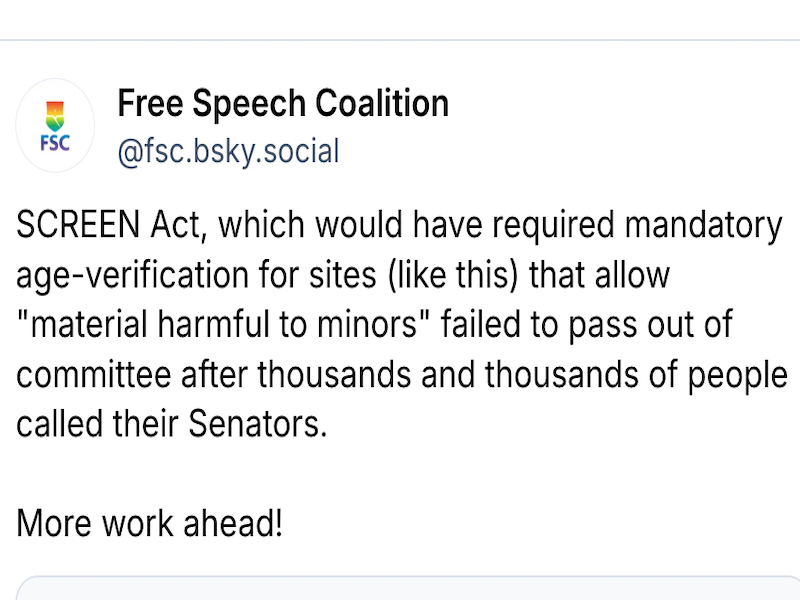
Activism makes a difference: the SCREEN Act unexpectedly fails in committee! But KOSA advances, so keep up the pressure
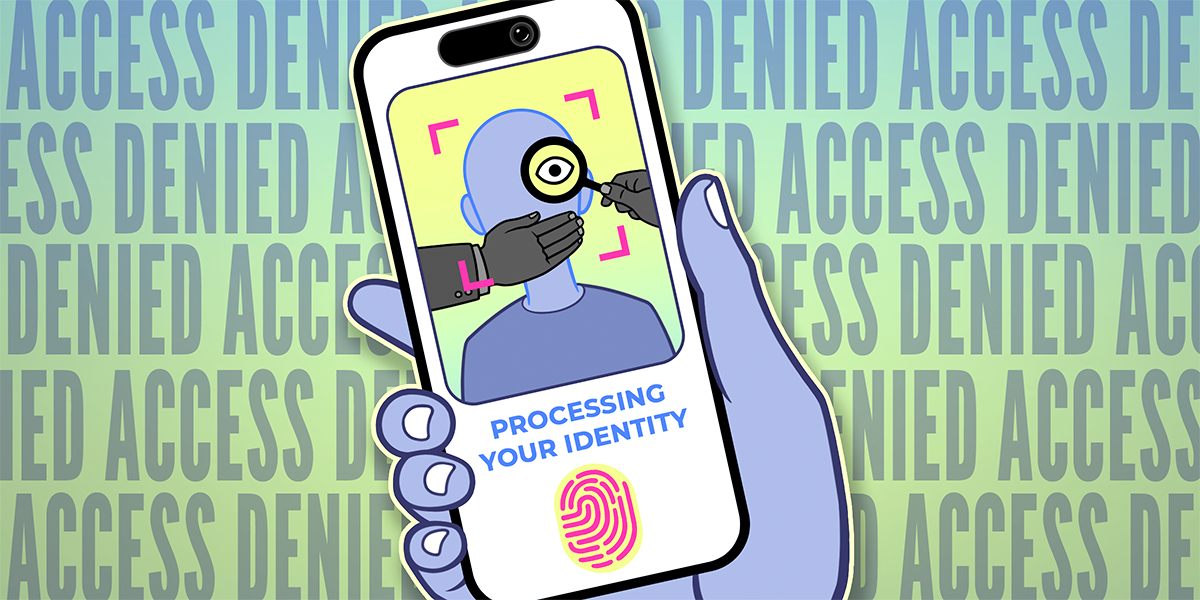
Congress Wants To Hand Your Parenting to Big Tech
Should Have Known Is the Wrong Standard for Kids’ Safety Laws
The SCREEN Act is a Christian Nationalist Nightmare
The Senate Should Reject KOSA's Privacy Risks
"The S is for surveillance": fighting KOSA and bad internet bills in the ATmosphere and the fediverses