


In this unique primer, an experienced civil engineer and instructor presents the physics and fundamentals that underlie the many fields of engineering. Far from a dry, nuts-and-bolts exposition, however, 101 THINGS I LEARNED® IN ENGINEERING SCHOOL probes real-world examples to show how the engineer's way of thinking can-and sometimes cannot-inform our understanding of how things work. Questions from the simple to the profound are illuminated throughout: Why shouldn't soldiers march across a bridge? Why do buildings want to float and cars want to fly? What is the difference between thinking systemically and thinking systematically? How can engineering solutions sympathize with the natural environment? Presented in the familiar, illustrated format of the popular 101 THINGS I LEARNED® series, 101 THINGS I LEARNED® IN ENGINEERING SCHOOL offers an informative resource for students, general readers, and even experienced engineers, who will discover within many provocative new insights into familiar principles.
Khan Academy's Engineering Principles
⭐ Read about our 2019 revision of the principles! ⭐ By Ben Kamens You know those super-frustrating movie ... Read more
Learning to Learn: You, Too, Can Rewire Your Brain (Published 2017)
How an engineering professor who “flunked my way” through high school math and science went on to create the world’s most popular online course.

All the best engineering advice I stole from non-technical people
As I focus on becoming a better manager of engineers, I have been reflecting more and more on the advice that produced a 10X boost in my…

My Thoughts on the Bun Rust Rewrite - Andrew Kelley
When Jarred joined the Zig community about 5 years ago, I described him as someone who had strong "beginner energy". That is, he moved fast and tried a lot of different stuff, jumping head first into problems that he was not yet equipped to solve, leading to mediocre outcomes in terms of engineering, but learning a whole heck of a lot in the process. I see it as quite a healthy attitude, particularly for young people and students. This is the best way to level up and learn new things.
Prompt Engineering Guide – Nextra
A Comprehensive Overview of Prompt Engineering
The Engineering Leadership Report 2026
Our survey of 600 engineering leaders exploring how the role is evolving, where the challenges lie, and what the future holds for the job.

Don't Feed the Thought Leaders
In this article, the author shares their experience as an engineering manager and the challenges they faced when trying to reach alignment and prev...

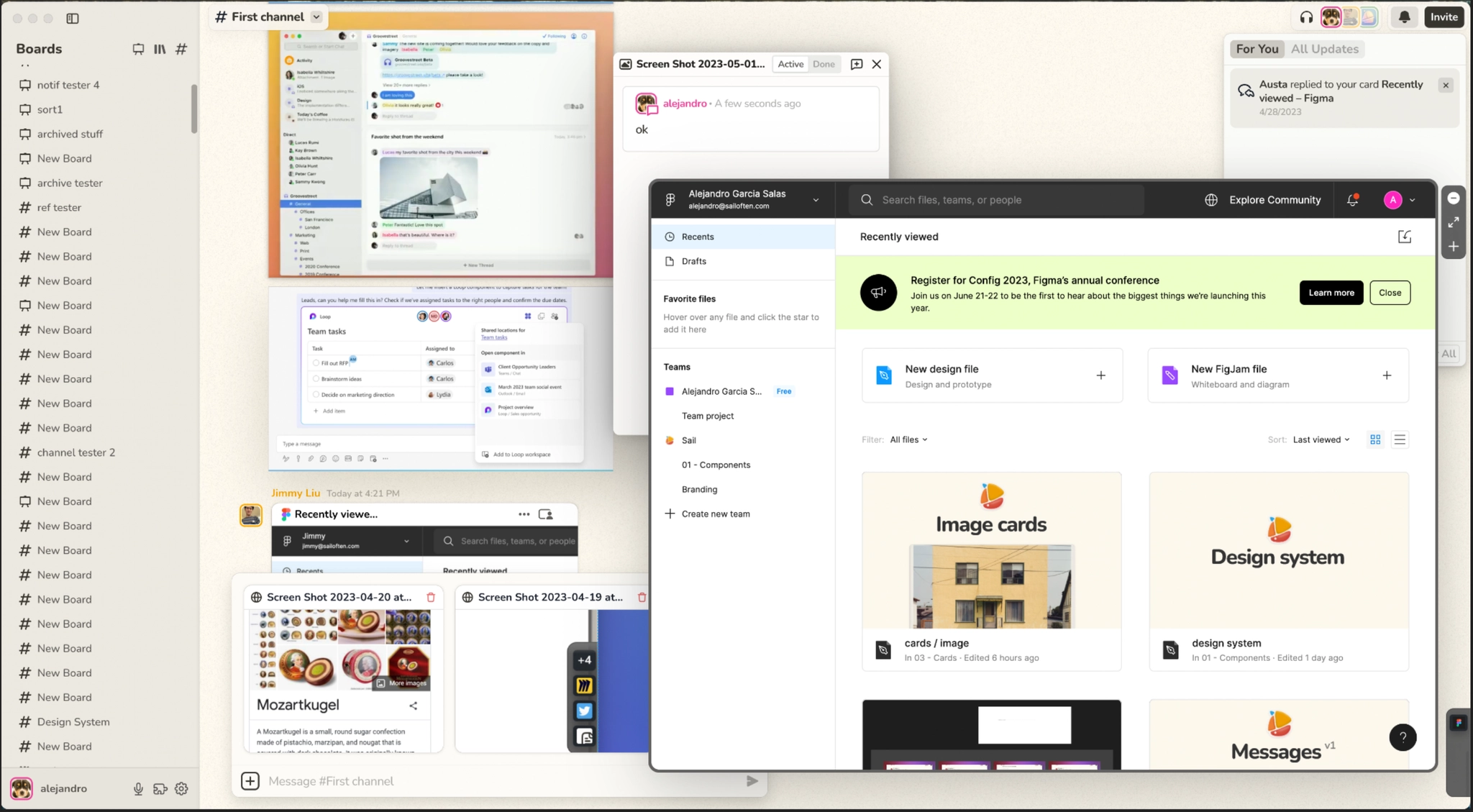
Get Your Reps: product, design, and engineering lessons from building Sail & Muddy - Alejandro García Salas
product, design, and engineering lessons from building Sail & Muddy
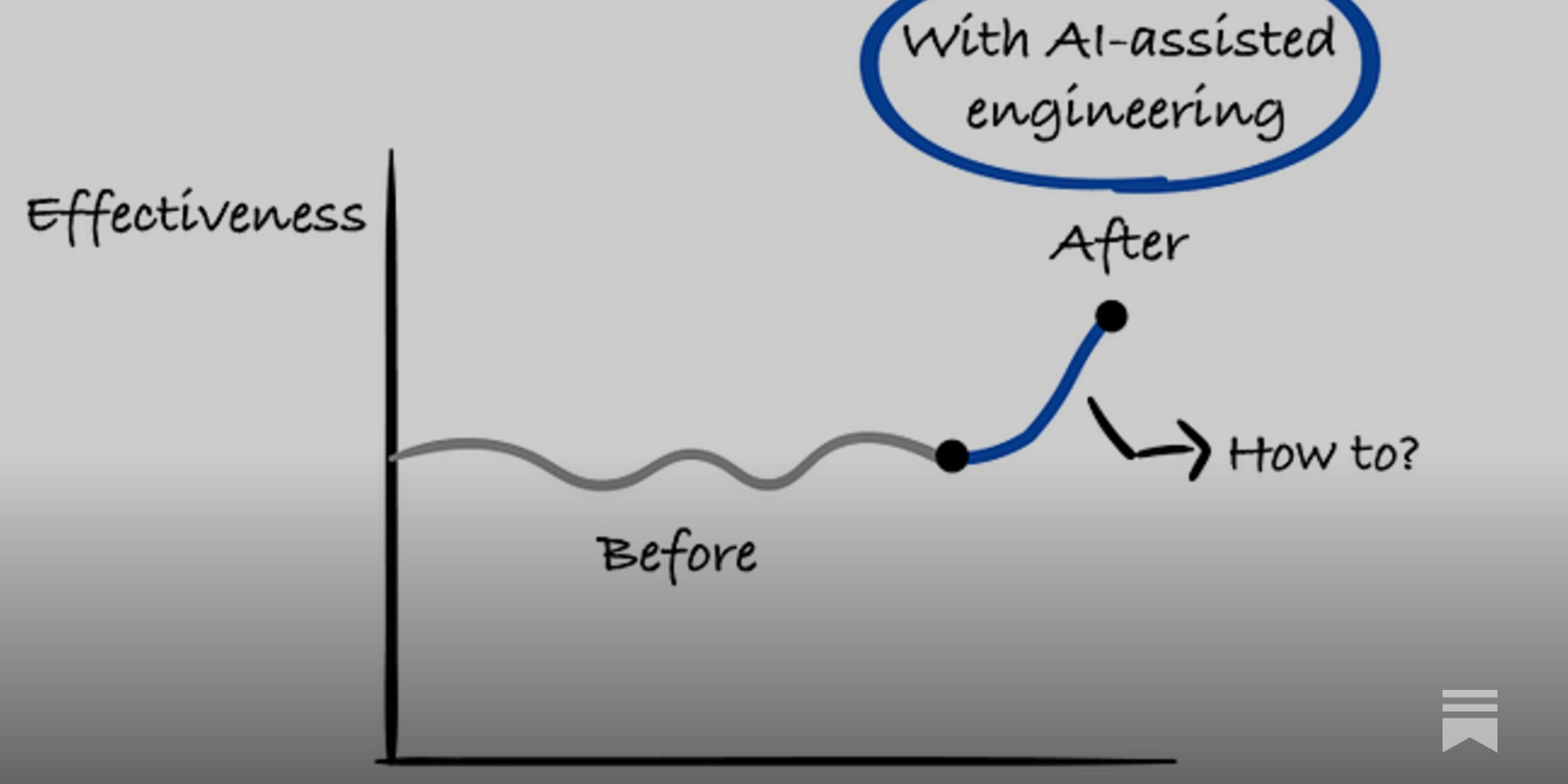
How to Do AI-Assisted Engineering
15 experienced engineers and engineering leaders share their real-world experiences with AI-assisted engineering.
The golden mean of design and engineering - The Intercom Blog
For great products to be built, both design and engineering need to be in balance. If you have a super strong engineering team but a weak or underserved design team, you will struggle.

What is First Principles Thinking?
First Principles thinking breaks down true understanding into building blocks we can reassemble into something that simplifies our problem.
Cognitive engineering
Cognitive engineering is an interdisciplinary field that applies principles from cognitive psychology, cognitive neuroscience, and human factors to design and develop engineering systems that effectively support or enhance human cognitive processes.[1][2] The field emerged in the 1980s when Donald Norman and others recognized the need to better understand how humans interact with complex technological systems.[3]
What is First Principles Thinking?
First Principles thinking breaks down true understanding into building blocks we can reassemble into something that simplifies our problem.