

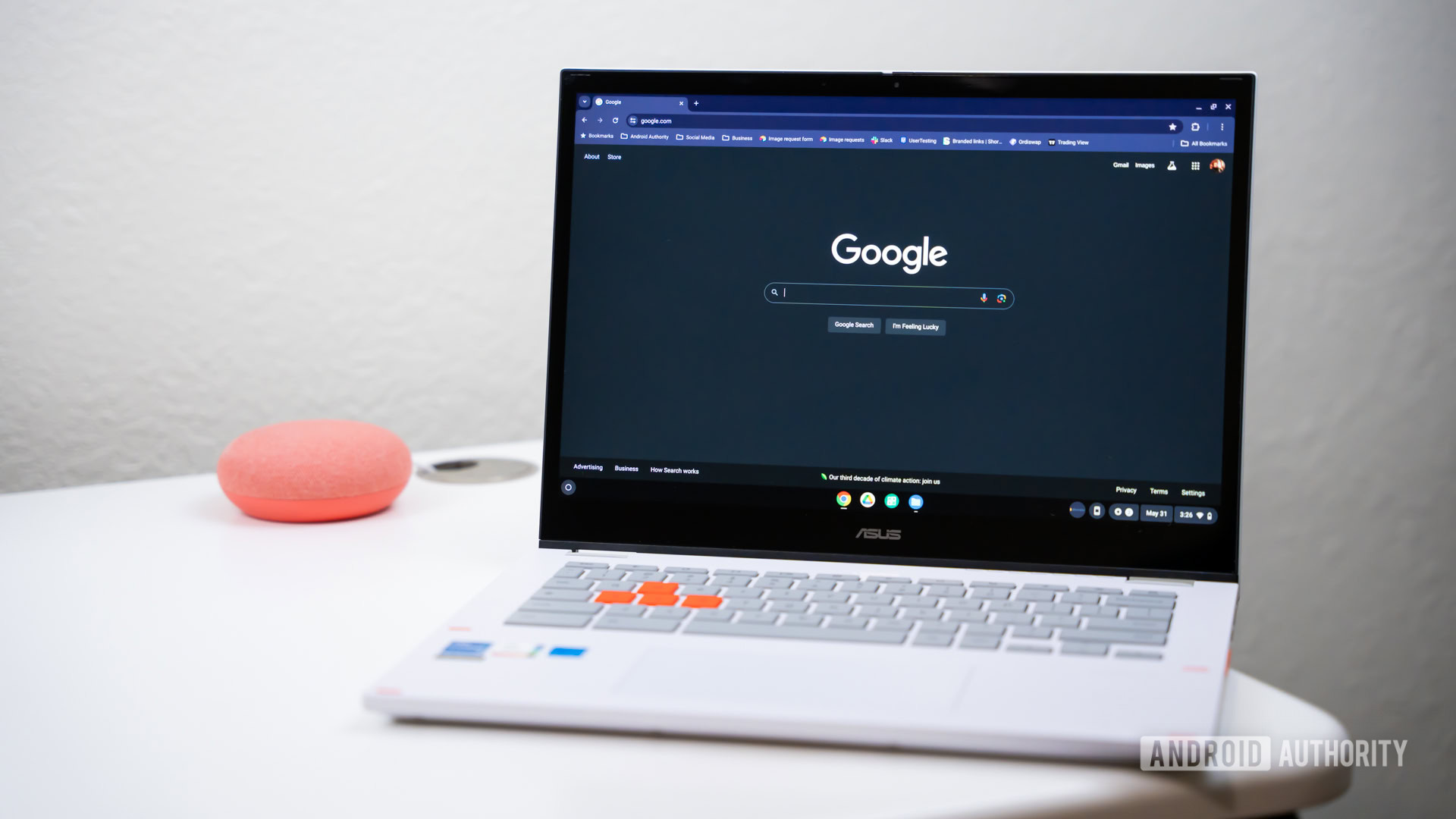
A source within Google has told Android Authority that Google plans to basically turn Chrome OS into Android.
Google's new 'Aluminium OS' project brings Android to PC: Here's what we know
Goodbye ChromeOS, hello Aluminium OS: Here's everything we know about Google's plans to bring Android to PCs!
Google is developing an OS called “Fuchsia,” runs on All the Things
Every single operating system developed by Google to date has one thing in common: they're based on the Linux kernel. Chrome OS, Android, Chromecasts, you name it. Linux has powered Google hardware for years.

Google announces its Chromebook successor: the Googlebook
Google has a new operating system and a new laptop platform, but no hardware just yet.

A new generation of Chromebooks, designed to work with millions of apps
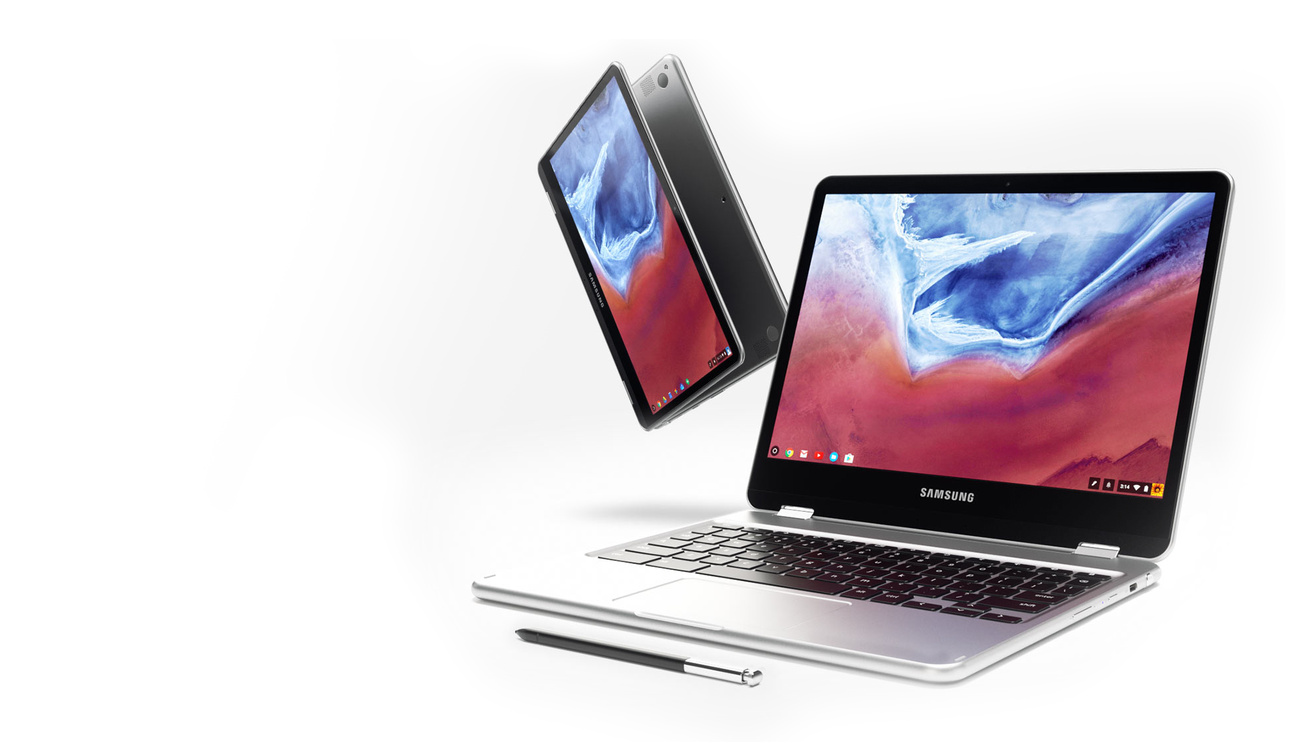
Two new Chromebooks from Samsung bring together the best of Chrome OS and Android for a whole new experience.
Chrome for iOS
Chrome
Google Chrome is a browser that combines a minimal design with sophisticated technology to make the web faster, safer, and easier.
What does it look like for the web to lose?
There is always some degree of tension between “native apps” and “the web” as platforms. If you’re going to write a native app for Android devices, well, I’ll qu…

Report: Google preps ‘Jarvis’ AI agent that works in Chrome
Google might be ready to share more about agents that work in Chrome and are powered by Gemini 2.0 this December with Project Jarvis.

AluminiumOS - Android For PC
Aluminium OS is Google's ground-up Android desktop operating system — not a stretched phone interface, not a browser with apps bolted in. A real desktop OS, with Gemini AI at its core, launching across HP, Lenovo, Acer, ASUS and more in 2026.
Google is finally building its own DeX: First look at Android's Desktop Mode
Here's an early look at Android's Desktop Mode, Google's version of Samsung DeX! This brings a PC-like interface to Pixel and stock Android.
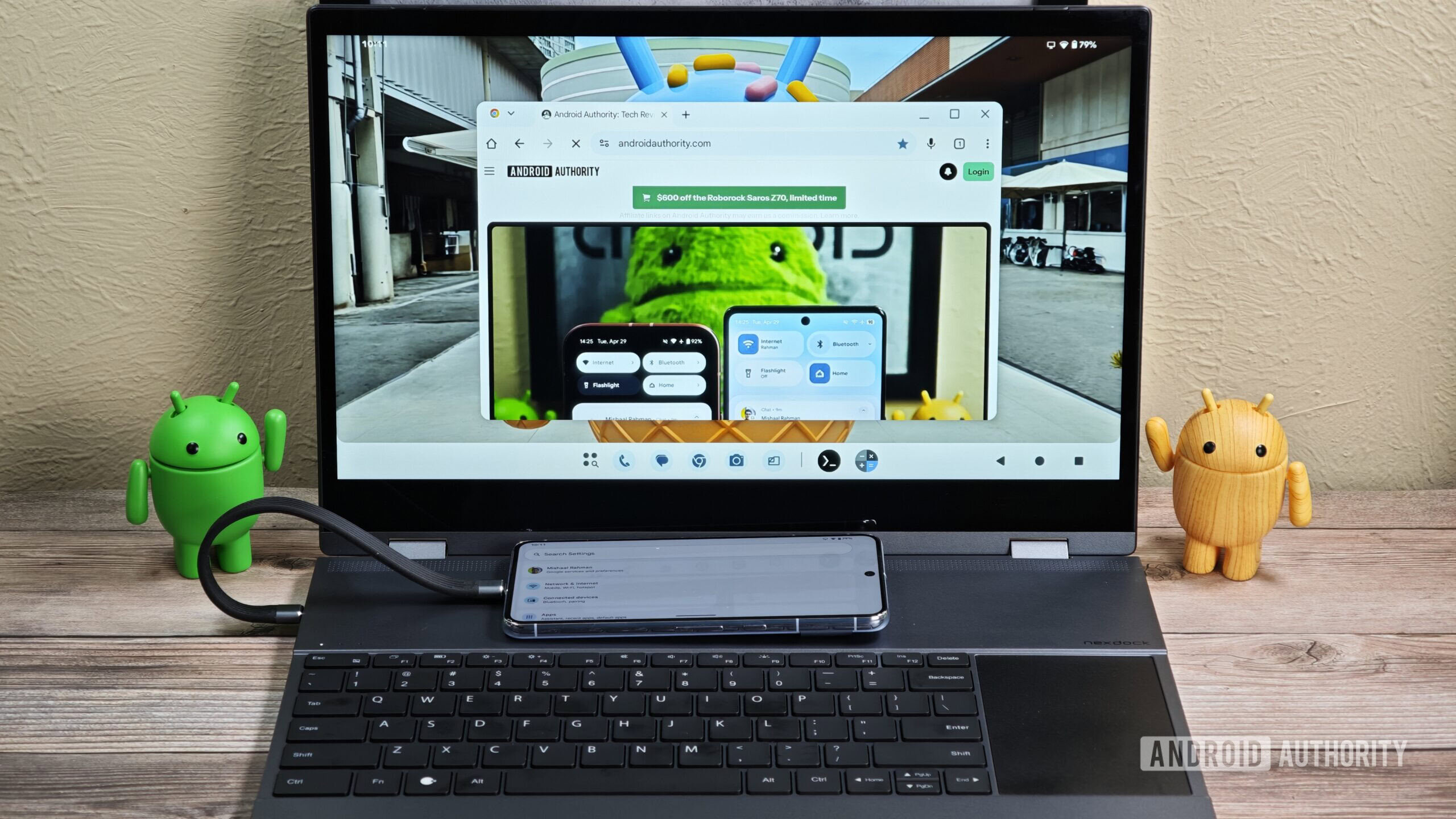
Google teases an Android desktop mode, made with Samsung’s help
Google’s own version of DeX.

Google Faces Huge Forces in Fight Over Android's Future
Enormous--and enormously complex---forces that have gathered against Android in Europe, all stemming from a case on the other side of the Atlantic.
Google’s Chrome Antitrust Paradox
This Article examines Google’s dominance of the browser market, highlighting how Google’s Chrome browser plays a critical role in reinforcing Google’s dominance in other markets. While Google portrays Chrome as a neutral platform built on open-source technologies, this Article shows that Chrome is, in fact, instrumental in Google’s strategy to reinforce its dominance in the online advertising, publishing, and browser markets. The examination of Google’s strategic acquisitions, anticompetitive practices, and the implementation of so-called “privacy controls” underlines that Chrome is far from a neutral gateway to the web. Rather, it serves as a key tool for Google to maintain and extend its market power, often to the detriment of competition and innovation in the digital economy.This Article illustrates how Chrome not only bolsters Google’s position in online advertising and publishing through practices such as coercion and self-preferencing, but also leverages its advertising clout to engage in a “pay-to-play” paradigm—the cornerstone of Google’s larger strategy of market control. It also outlines potential regulatory interventions and remedies by drawing on historical antitrust precedents. Lastly, this Article proposes a triad of solutions motivated by an analysis of Google’s abuse of Chrome, including behavioral remedies targeting specific anticompetitive practices, structural remedies involving an internal separation of Google’s divisions, and divestiture of Chrome from Google into an independent organization.Despite Chrome’s dominance and its critical role in Google’s ecosystem, as well as its recent legal troubles with the Department of Justice, it so far has avoided significant antitrust action. A key reason for this inaction lies in the long-standing precedent supporting the hegemony of technology firms and the uncertainty surrounding Chrome’s viability as a standalone entity. This Article attempts to address these issues to enable antitrust actions that are essential in remedying current market imbalances. Such actions are also critical to mitigate future threats to competition from an increasingly monopolistic technology landscape, thereby fostering a competitive digital environment that promotes innovation and protects consumer interests.
Google launches first developer preview of Android Things, its new IoT platform | TechCrunch
Google today announced Android Things, its new comprehensive IoT platform for building smart devices on top of Android APIs and Google's own services.

Chromebook Market Size: Trends, Growth, and Forecast (2025-2034)
Introduction The Chromebook Market has emerged as a significant segment in the global education and enterprise computing sectors, offering affordable, cloud-based solutions. Chromebooks, powered by Google's Chrome OS, have gained popularity due to their simplicity, security, and cost-effectiveness.

GrapheneOS (@GrapheneOS@grapheneos.social)
Apple and Google are gradually expanding their use of hardware-based attestation. They're convincing a growing number of services to adopt it. Google's Play Integrity API and Apple's App Attest API are very similar. Apple brought it to the web via Privacy Pass, which Google intends on doing too.