

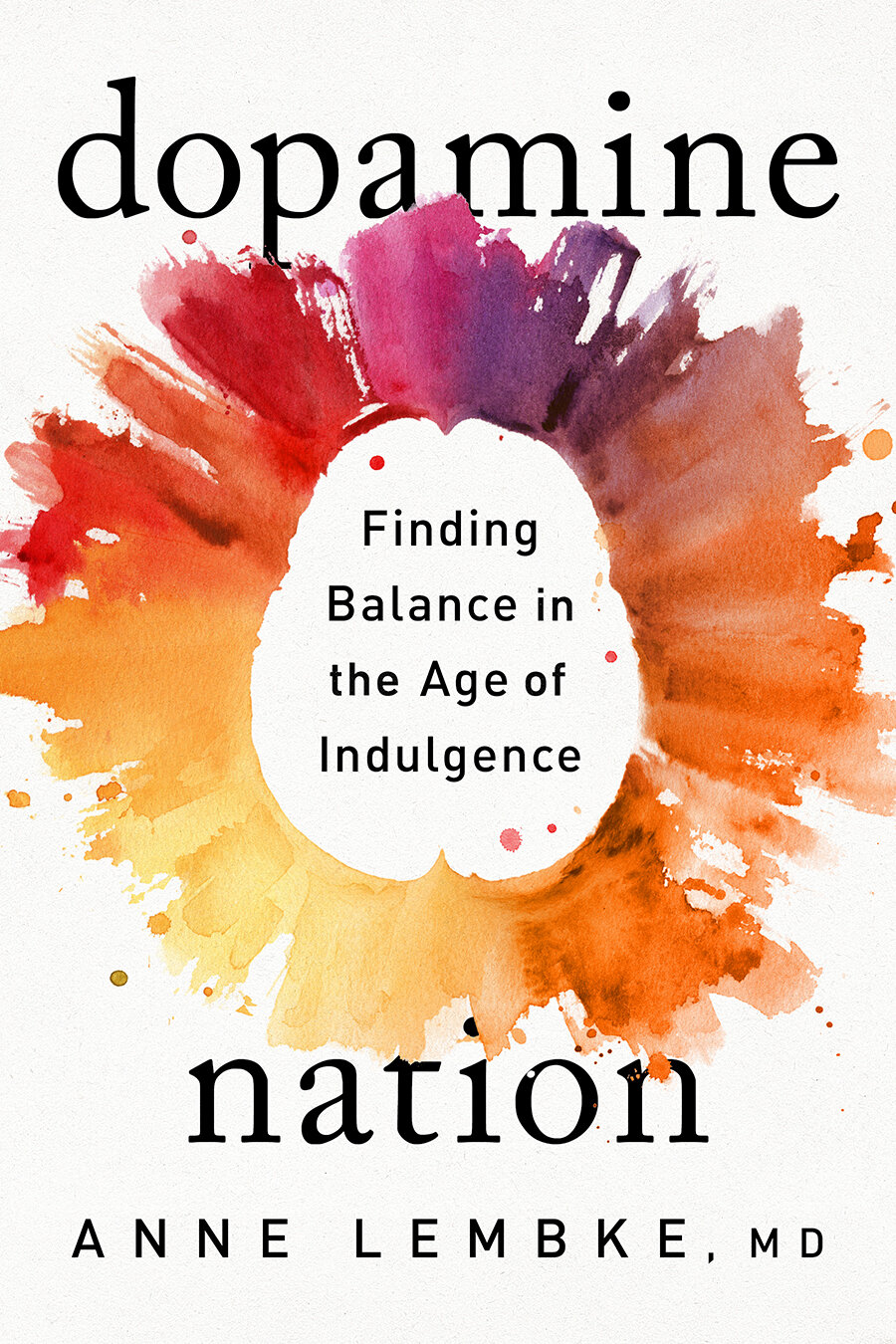
In Dopamine Nation, Dr. Anna Lembke, psychiatrist and author, explores the exciting new scientific discoveries that explain why the relentless pursuit of pleasure leads to pain.

Dopamine Fracking
The act of pumping immense, disproportionate resources into a previously casual or complex and layered activity to forcefully extract and squeeze out the purest, most concentrated dopamine hit
Introducing The Psyche Network
Who Gets to Define Human Suffering?
As psychiatry concedes long-standing criticisms of diagnosis, a deeper question emerges: What now justifies its authority over human suffering?
Dopamine Trap
Dopamine Trap does narrative driven decay. With organic noise, apocalyptic soundscapes, and scathing poetry his productions cast lovecraftian solopsisms on the roof of the skull, dripping with tumors of unresolved inter-generational trauma, resignation and reckless, violent love. He delights in emptiness and the granular implications of percussive silence.
Anil Seth on Twitter / X
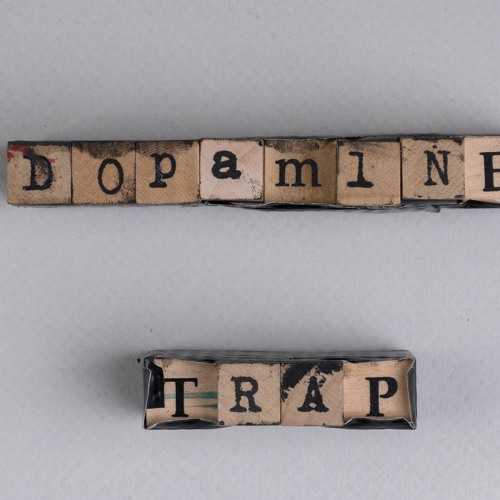
1/ This new preprint on 'pain representation' in LLMs, from @camhberg and colleagues, is getting a LOT of attention - mainly from folks who take it as evidence supporting calls for AI welfare. I have a lot of respect for the authors, so let's take a look 👀 pic.twitter.com/NoSdPXvrmY— Anil Seth (@anilkseth) September 20, 2026
How tiny experiments can set you free | Anne-Laure Le Cunff | TEDxNashville | Transcript
When Dr Anne-Laure Le Cunff was told she might die, her first instinct was to check her calendar. In this talk, she reveals how our desperate need for control keeps us stuck and how tiny experiments can set us free. Dr Anne-Laure Le Cunff is a neuroscientist, author, and entrepreneur who studies curiosity – both in the lab and in life. Her research at King’s College London explores how our brains seek, learn, and adapt, spanning areas from ADHD to AI and mental health. She founded Ness Labs, a science-based learning platform helping people live more experimental lives. Her bestselling book Tiny Experiments offers a practical guide to transforming uncertainty into curiosity, creativity, and self-discovery. Through her research and writing, she bridges science and everyday life, showing how curiosity can help us loosen control, embrace change, and uncover who we truly are.
Life Forms with Music: On Susie Ibarra — United States Artists
Anne Ishii on Susie Ibarra's impactful practice
AI Needs to Feel Pain
A Stanford researcher is pioneering a dramatic shift in how we treat depression — and you can try her new tool right now
Woebot is a free therapy chatbot created by a clinical psychologist at Stanford University. It launched as a stand-alone app in January.
Leading Innovation in Psychiatric Treatment | Alto Neuroscience
We leverage brain biology to develop personalized medicines, helping patients get better faster.
Computational Psychiatry Needs Systems Neuroscience
This piece was originally published in The Transmitter. I am adapting it here with some additional context for readers of this newsletter.
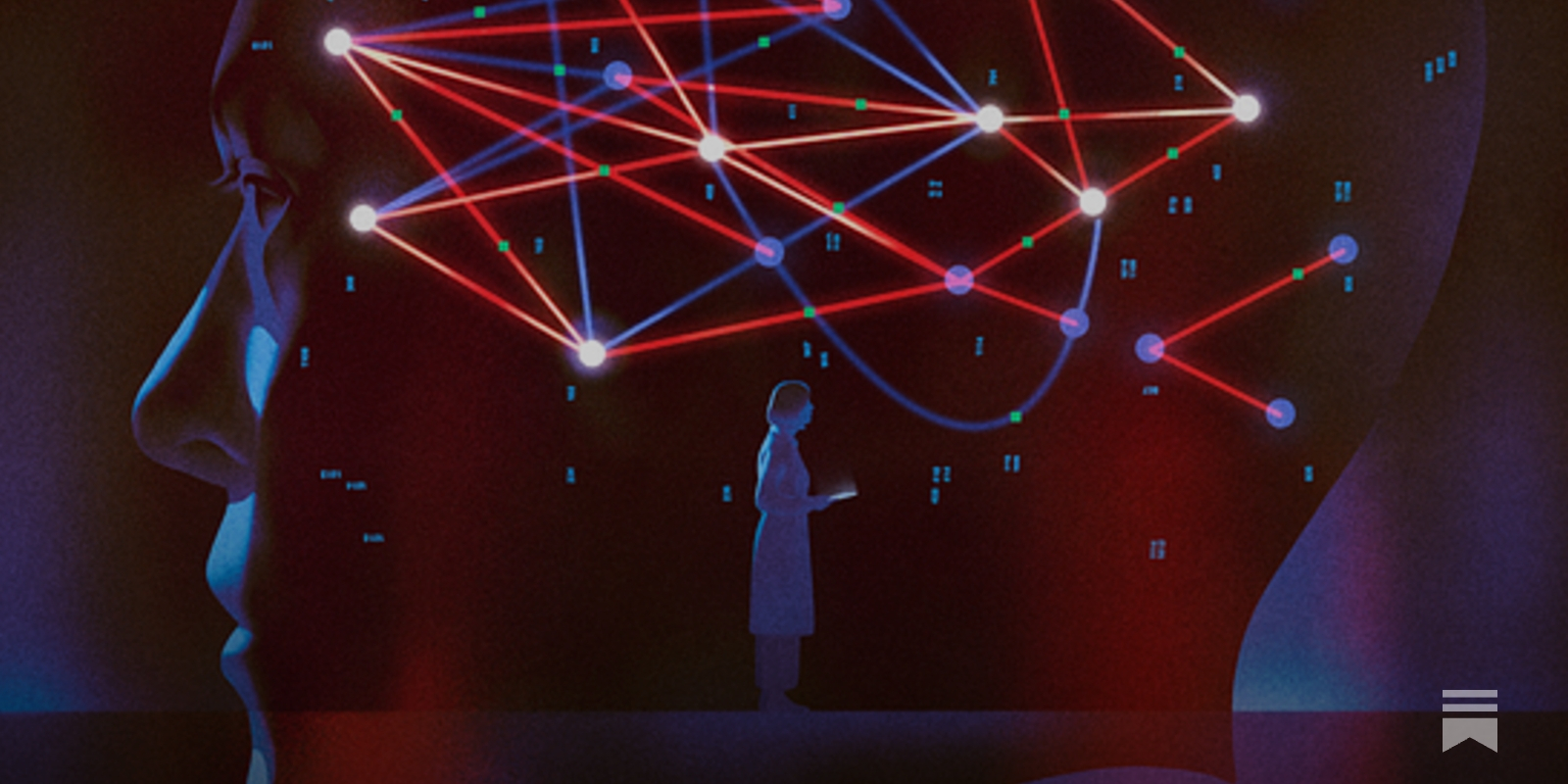
Doris Tsao
Doris Tsao is the Chief Scientist for Neuro at Astera. Previously, she was a professor at UC Berkeley in the Neuroscience Department.

Mystified magicians of the mind
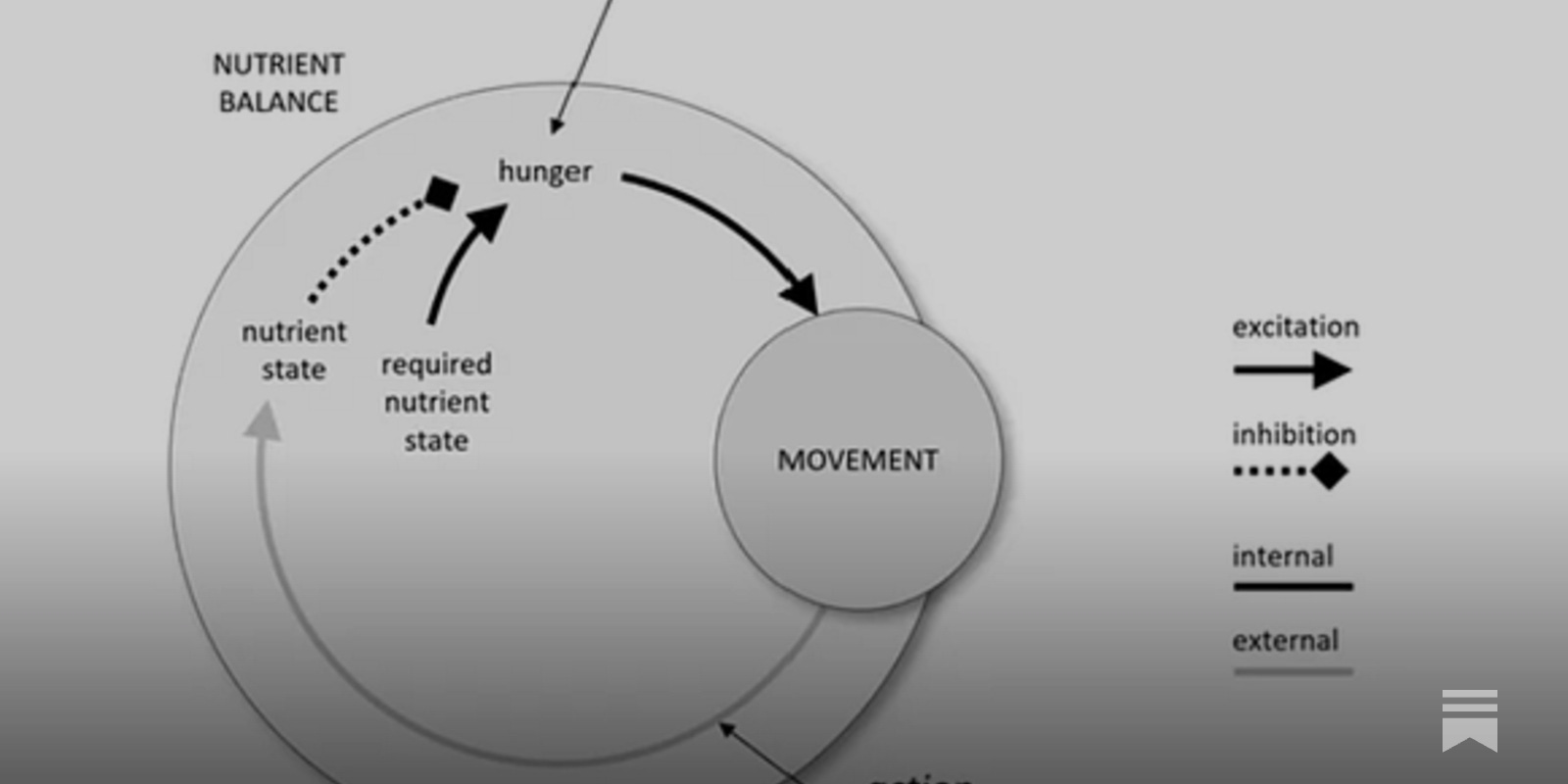
My conversation with neuroscientist Paul Cisek
Logarithmic Scales of Pleasure and Pain
Rating, ranking, and comparing peak experiences suggest the existence of long tails for bliss and suffering.
AI* psychosis/therapy/companions/sycophancy

* I’m neither “pro-AI” nor “anti-AI.” I’ve been blocked for being perceived as both. —Actually, I’m honestly more anti-AI than pro-AI thus far, aside from specialized models and specific use cases, but I’m willing to consider information that’s new to me

As people turn to AI for spiritual guidance, experts warn of emotional dependency

China has cracked down on AI relationships. Is it ahead of the game?
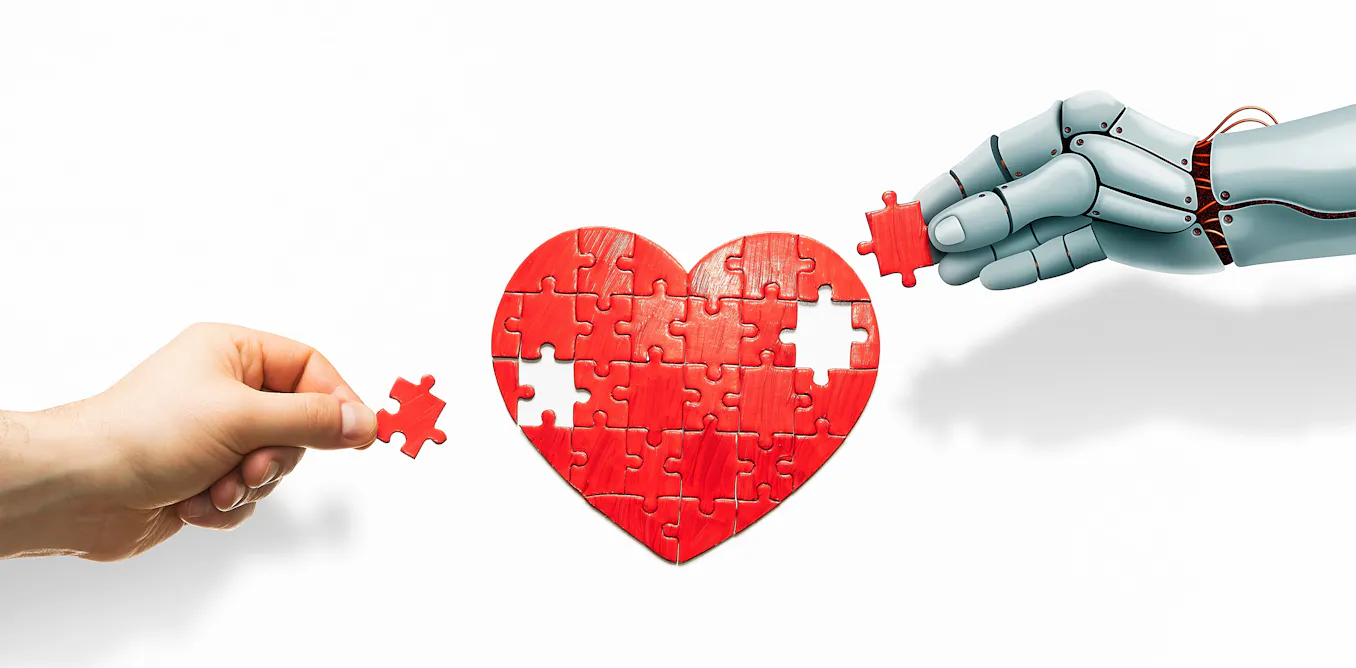
How deep do AI relationships really go? An expert in attachment theory explains
How AI Chatbots Are 'Deskilling' Human Empathy
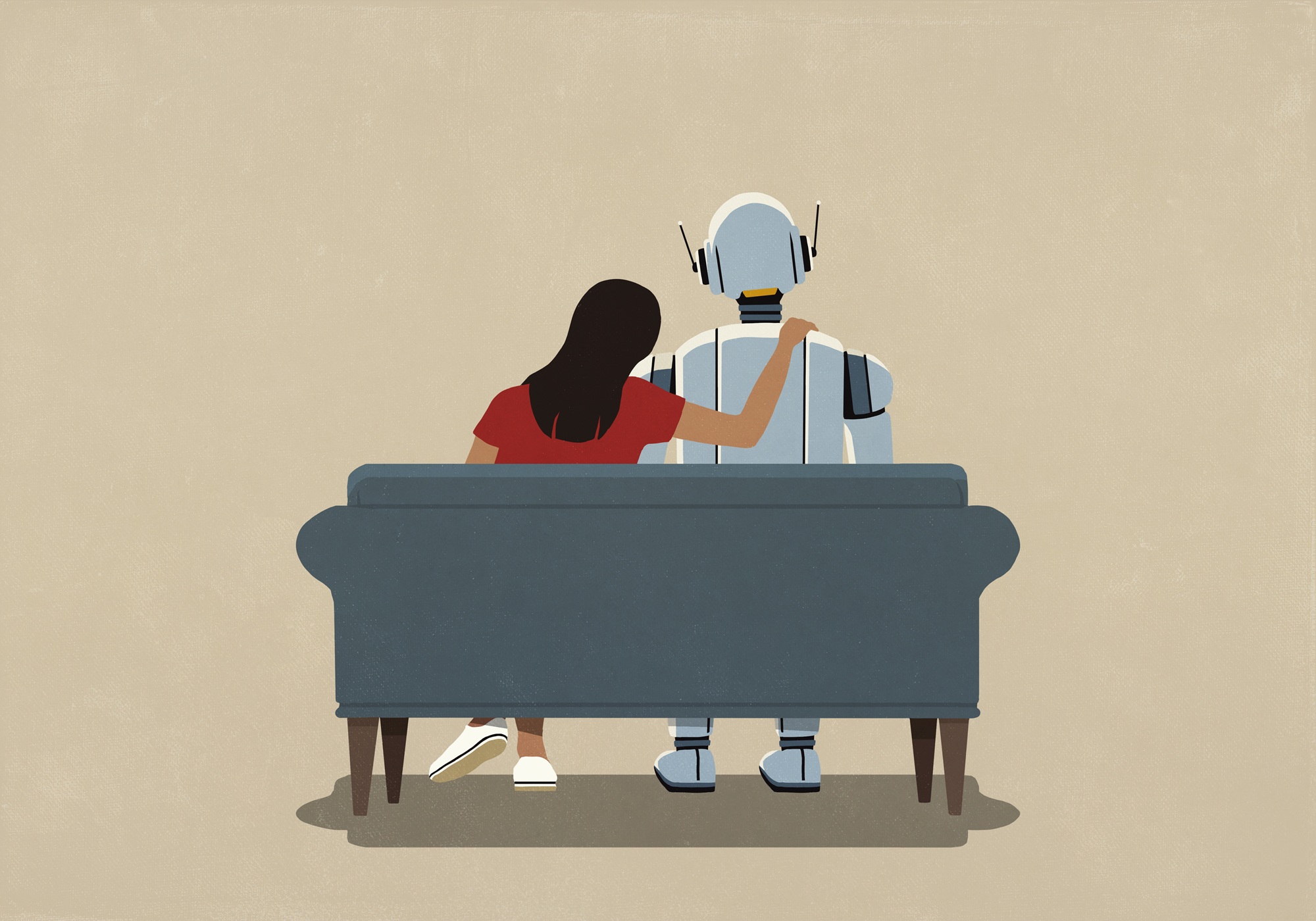
Are Chatbots Harming Our Relationships? | KQED

ChatGPT Helped Tumbler Ridge Shooter Focus on Guns, Tactics, and Terror