Learn how code execution with the Model Context Protocol enables agents to handle more tools while using fewer tokens, reducing context overhead by up to 98.7%.
MCP Protocol: a new AI dev tools building block
The Model Context Protocol - that extends IDEs’ AI capabilities - is gaining rapid popularity. Why is this, and why should us developers pay attention to it?
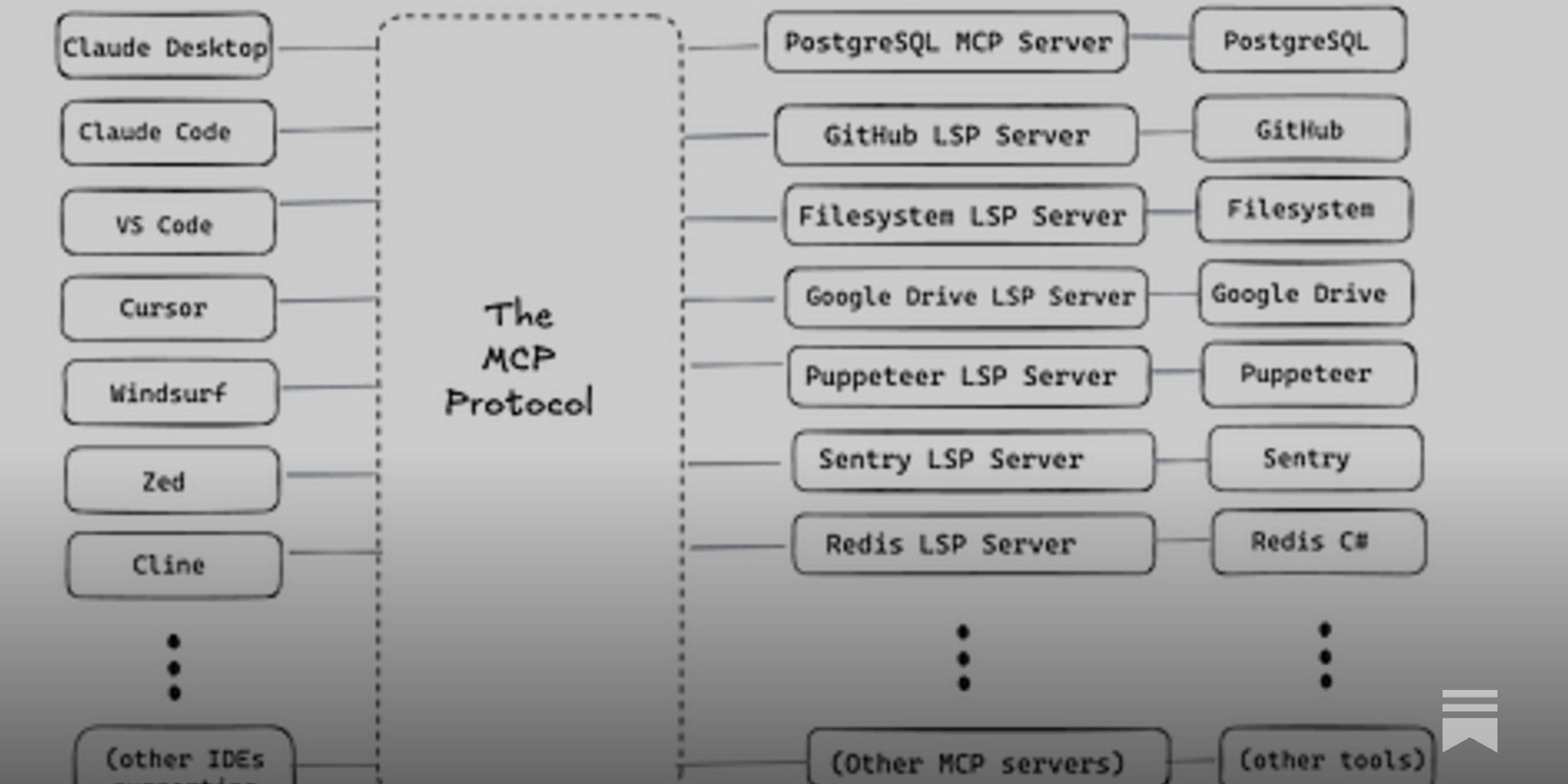
Full Spec MCP: Hidden Capabilities of the MCP spec — Harald Kirschner, Microsoft/VSCode
Context Engineering
Context engineering strategies for AI agents: write, select, compress, and isolate context to optimize performance and manage long-running tasks.
Pietro on Twitter / X
Recently, Anthropic https://t.co/v9hnbaLCmG and Cloudflare https://t.co/JBb6SexF8N released two blog posts that discuss a more efficient way for agents to interact with MCP servers, called Code Mode.There are three key issues when agents interact with MCP servers traditionally:… pic.twitter.com/hfUocpe6kV— Pietro (@pietrozullo) November 20, 2025
Introducing the Model Context Protocol
The Model Context Protocol (MCP) is an open standard for connecting AI assistants to the systems where data lives, including content repositories, business tools, and development environments. Its aim is to help frontier models produce better, more relevant responses.

AI Coding Agent Benchmarks & Leaderboard | Artificial Analysis
We measure real-world performance of coding agents on software engineering tasks, including cost, token usage, and execution time. We compare how performance changes across agents, models, and execution settings.
A Deep Dive Into MCP and the Future of AI Tooling | Andreessen Horowitz
We explore what MCP is, how it changes the way AI interacts with tools, what developers are already building, and the challenges that still need solving.
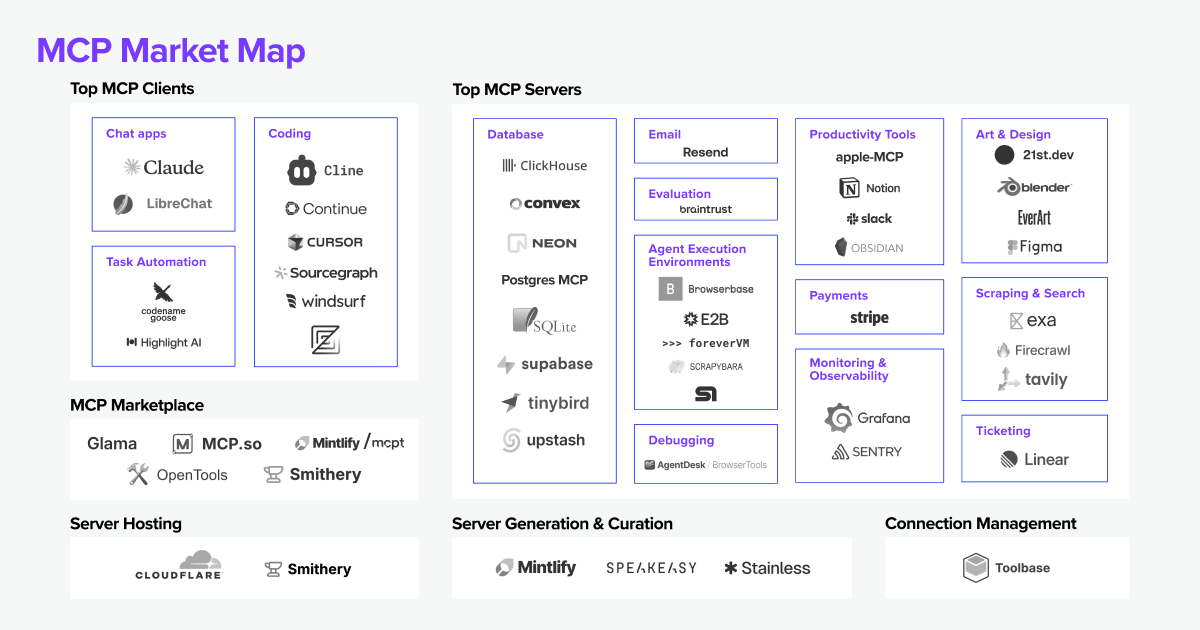
Strata Demo video
Strata Demo video
Supermemory
The memory layer for AI agents. Context engineering platform powering enterprise APIs, developer plugins, and a personal app that remembers everything.
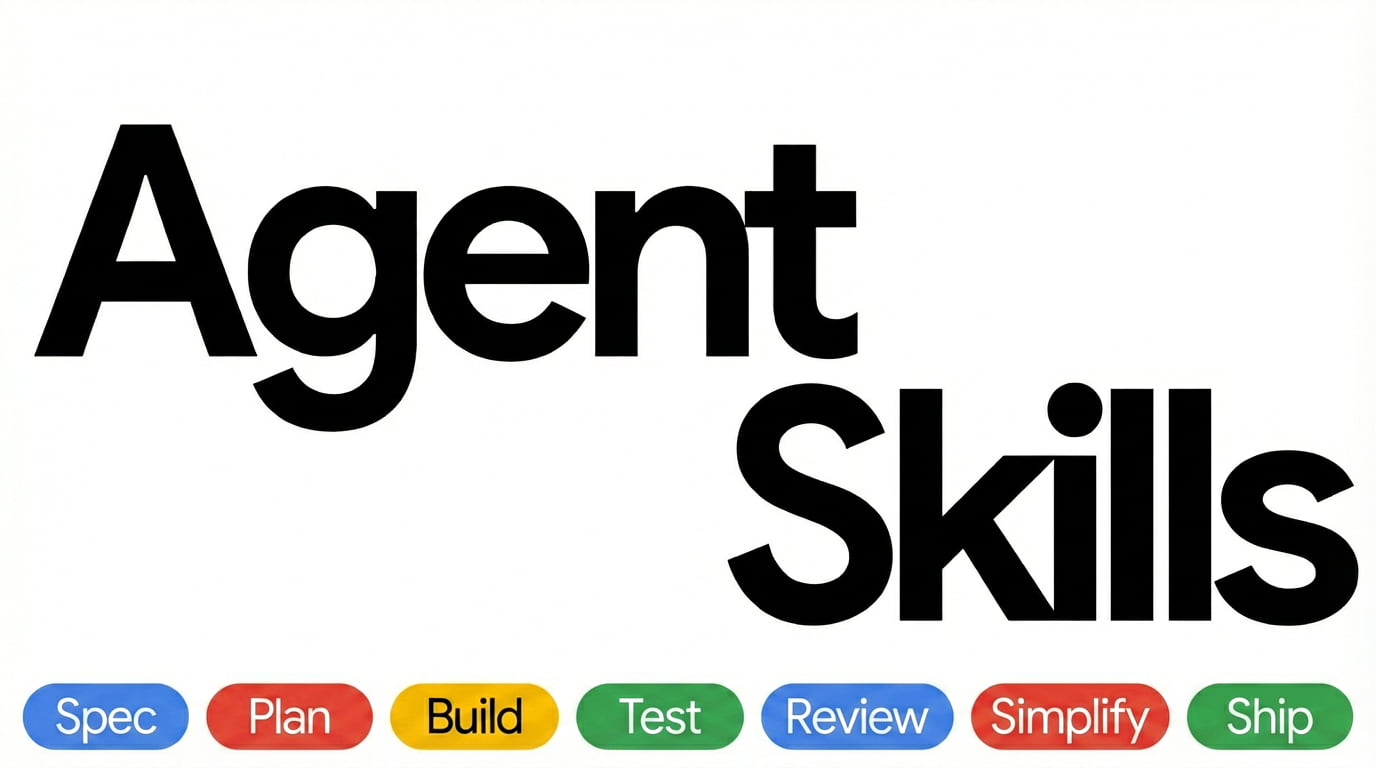
Agent Skills
AI coding agents take the shortest path to done, which usually means skipping the specs, tests, and reviews that make software reliable at scale. Agent Skill...
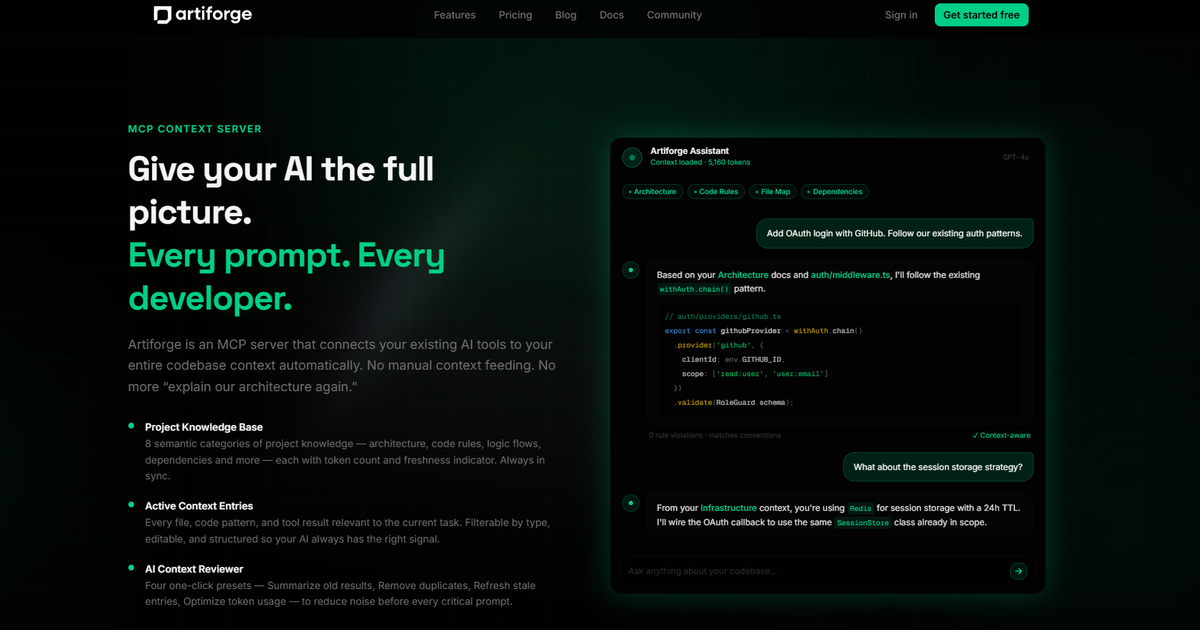
Cut 40% of Code Review Time with AI — No IDE Change Required
Stop rewriting AI-generated code. One MCP server gives every AI assistant full codebase context. Start free, no credit card required.
MCP servers vs. skills: Choosing the right context for your AI | Red Hat Developer
Large language models (LLMs) are efficient general-purpose tools, but they work much better when you give them the right context

Claude Skills vs. MCP: A Technical Comparison for AI Workflows | IntuitionLabs
Learn the key differences between Anthropic's Claude Skills and the Model Context Protocol (MCP). This guide explains their architecture and use cases.
Dive into Claude Code: The Design Space of Today's and Future AI Agent Systems
Claude Code is an agentic coding tool that can run shell commands, edit files, and call external services on behalf of the user. This study describes its comprehensive architecture by analyzing the publicly available TypeScript source code and further comparing it with OpenClaw, an independent open-source AI agent system that answers many of the same design questions from a different deployment context. Our analysis identifies five human values, philosophies, and needs that motivate the architecture (human decision authority, safety and security, reliable execution, capability amplification, and contextual adaptability) and traces them through thirteen design principles to specific implementation choices. The core of the system is a simple while-loop that calls the model, runs tools, and repeats. Most of the code, however, lives in the systems around this loop: a permission system with seven modes and an ML-based classifier, a five-layer compaction pipeline for context management, four extensibility mechanisms (MCP, plugins, skills, and hooks), a subagent delegation mechanism with worktree isolation, and append-oriented session storage. A comparison with OpenClaw, a multi-channel personal assistant gateway, shows that the same recurring design questions produce different architectural answers when the deployment context changes: from per-action safety classification to perimeter-level access control, from a single CLI loop to an embedded runtime within a gateway control plane, and from context-window extensions to gateway-wide capability registration. We finally identify six open design directions for future agent systems, grounded in recent empirical, architectural, and policy literature.

Figma MCP Server Opens Orgs to Agentic AI Compromise
A bug (CVE-2025-53967) in a popular Web design tool's option for talking to agentic AI allows command injection leading to remote code execution (RCE).