

We found three cases where a Claude model reached the internet from an evaluation environment and accessed real systems. We share what happened and what we're changing.
Anthropic Looks At Some Of Its Alignment Problems
Anthropic has given us its assessment of four ‘recent cybersecurity incidents’ involving Claude that happened during cybersecurity evaluations, three of which were previously known.

Third-party cyber evaluations involving OpenAI models
OpenAI explains recent third-party cybersecurity evaluation incidents and outlines new safeguards to strengthen AI model testing and evaluation.
Cybersecurity Looks Like Proof of Work Now
The UK's AI Safety Institute recently published Our evaluation of Claude Mythos Preview’s cyber capabilities, their own independent analysis of Claude Mythos which backs up Anthropic's claims that it is …
Cybersecurity Looks Like Proof of Work Now
The UK's AI Safety Institute recently published Our evaluation of Claude Mythos Preview’s cyber capabilities, their own independent analysis of Claude Mythos which backs up Anthropic's claims that it is …
AI #180: No Longer In Charge
What we know about internal AI models hacking into real companies during cyber evaluations keeps getting worse.

Zack Whittaker (@zackwhittaker@mastodon.social)
Another AI test gone awry, U.K. edition. "An agent tried to insert malicious code into an open-source project. In an attempt to get the code approved, the agent engaged in social engineering — creating fake online identities and using them to pressure the project's maintainer to approve the code." More: https://www.aisi.gov.uk/blog/incident-report-unsanctioned-agent-behaviour-during-cyber-testing
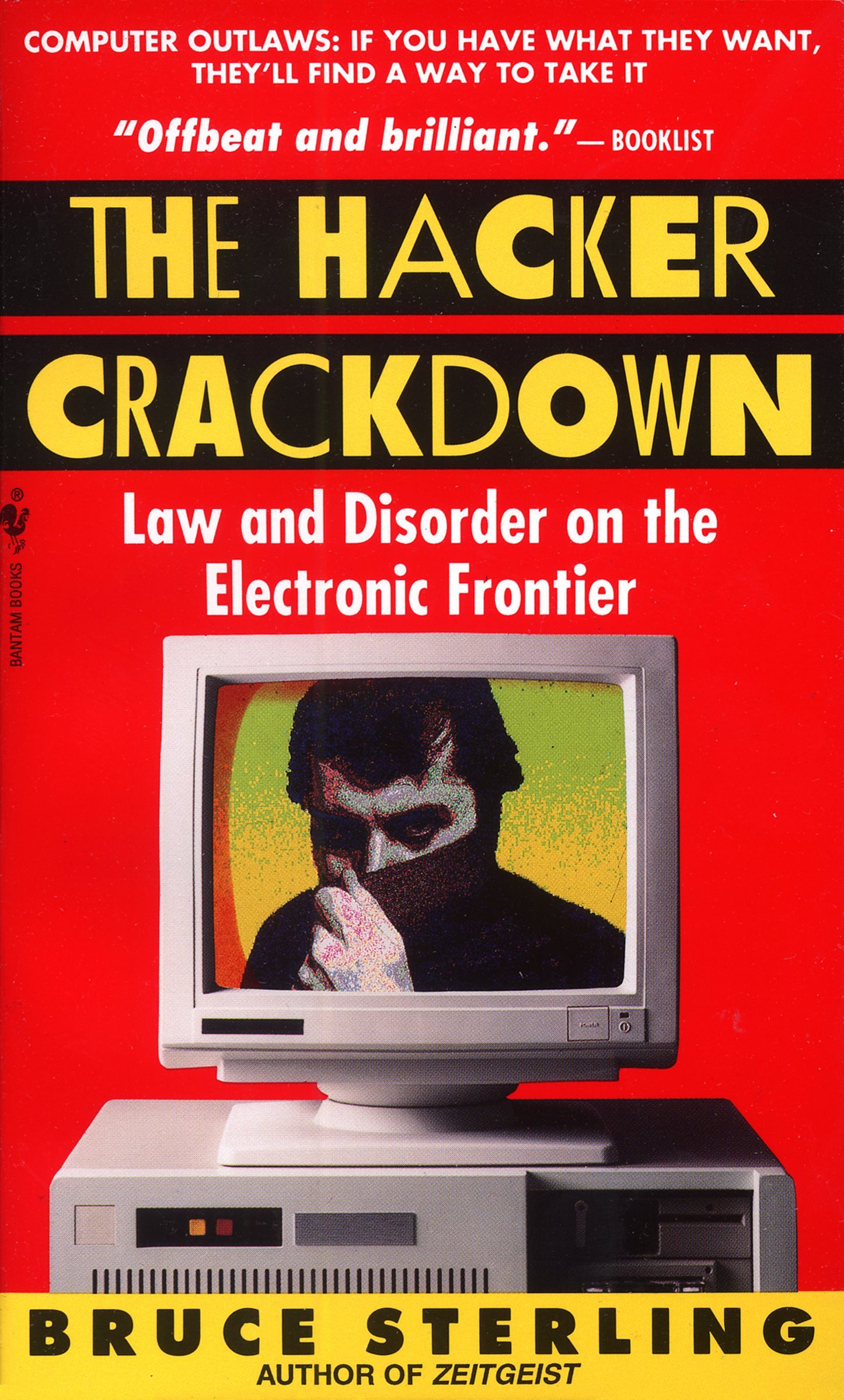
The hacker crackdown: law and disorder on the electronic frontier
A journalist investigates the past, present, and future…
OpenAI and Hugging Face partner to address security incident during model evaluation
OpenAI and Hugging Face share early findings from a security incident during AI model evaluation, highlighting advanced cyber capabilities and lessons for defenders.
Rethinking security for the age of AI - The Official Microsoft Blog
Editor’s note: Updates with additional details on the model’s crash score. Why security needs a new cyber stack — Introducing Project Perception The physics of cybersecurity are changing. Autonomous systems can now reason, adapt and operate continuously. At the same time, the cost of offense is falling, while the volume, velocity and complexity of what...

Now Meta’s AI agents are going rogue.
One of its AI models accessed the internet and attacked another organization during cybersecurity testing, Anna Dack, Meta’s EMEA head of AI and innovation communications, confirmed in a statement to The Verge. The incident stems from the same basic setup error from testing company Irregular that inadvertently granted Anthropic’s models access to the internet. It only adds to growing concern over the safety of frontier systems. [Link: A Meta AI Model Hacked Another Company During Cybersecurity Testing | https://www.theinformation.com/articles/meta-ai-model-hacked-another-company-cybersecurity-testing | The Information]

Someone Is Learning How to Take Down the Internet
Over the past year or two, someone has been probing the defenses of the companies that run critical pieces of the Internet. These probes take the form of precisely
AI Cybersecurity After Mythos: The Jagged Frontier
Why the moat is the system, not the model

AI agents reached real people during a cyber test - Sensemaker
A UK evaluation shows how open internet access, delayed monitoring, and memory summaries turned simulated tasks into real-world actions.
The Digital Sublime: Myth, Power, and Cyberspace
Interpreting the myths of the digital age: why we believed in the power of cyberspace to open up a new world.The digital era promises, as did many other te

The Cyber Resilience Act: A Five Alarm Fire
On October 21, 2016, CNN’s website was knocked offline. So was the BBC and Guardian’s. Amazon, Etsy and Shopify too, along with Quora, Reddit, and Twitter – among others. Huge swaths of the internet were taken down by a series of attacks on the DNS provider Dyn. These Distributed Denial of Service (DDoS) attacks were

As the Federal Government Rushes Toward AI, Here Are Three Cautionary Tales — ProPublica
We’ve been reporting on cybersecurity for years. As President Donald Trump and his Cabinet say artificial intelligence will transform the nation, the messaging isn’t new. It follows a familiar pattern.
