

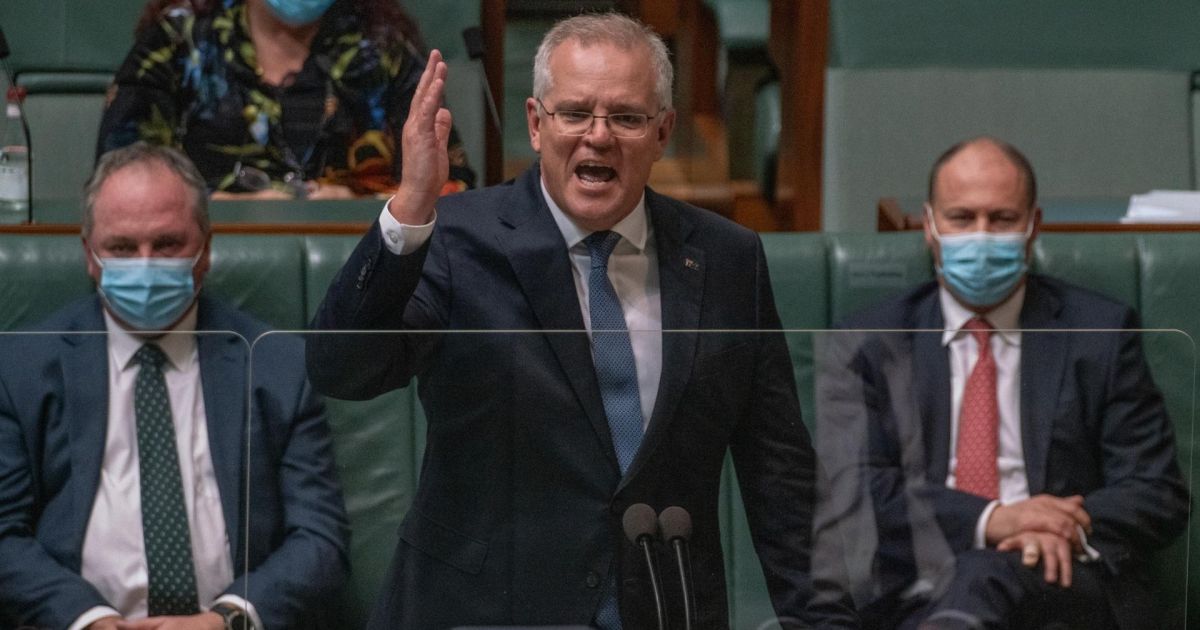
Scott Morrison and Barnaby Joyce were the most unpopular leaders of any party since 1987, new analysis of the 2022 federal election from The Australian National University (ANU) shows. The findings come from the joint ANUpoll/Comparative Study of Electoral Systems survey of more than 3,500 voters, which examined Australians' political attitudes before and after the 21 May vote. Study co-author Professor Ian McAllister said the findings show leaders were more important than in previous elections.
Landslide
The 2025 Australian federal election saw an unexpected landslide victory for the Labor Party, the Liberal Party’s worst ever result and the continued rise of the non-major-party vote. In this book, Australia’s leading election analysts explore what contributed to this outcome, including the effectiveness of party and third-party campaigns, the changing demography of the

Leadership Change, Policy Issues and Voter Defection in the 2010 Australian Election
Leadership change formed the backdrop to the 2010 Australian federal election, with the replacement of Kevin Rudd as Prime Minister by Julia Gillard, the country's first female Prime Minister. Thi...

Victorian election polls 2026 — average and ledger — Australian Election Tracker
Victorian state election 2026 polls: sourced statewide primary votes and a transparent weighted average with uncertainty bands. Latest tracker average (as of 2026-10-10): Labor 24.5%, Coalition 29.1%, One Nation 22.6%, Greens 14.9%, Others 8.9%. Not a forecast.

Victoria is about to have the most unpredictable election in living memory
Much has been written about the rise of Pauline Hanson's One Nation in the past 12 months. The Victorian election will give us our best look yet at the decline of the two-party system.
Guardian Essential poll: Labor’s housing and tax changes fail to win over voters as support for One Nation swells
Just 25% of Australians polled back the budget while the majority believe the government has fallen short of expectations over the past year
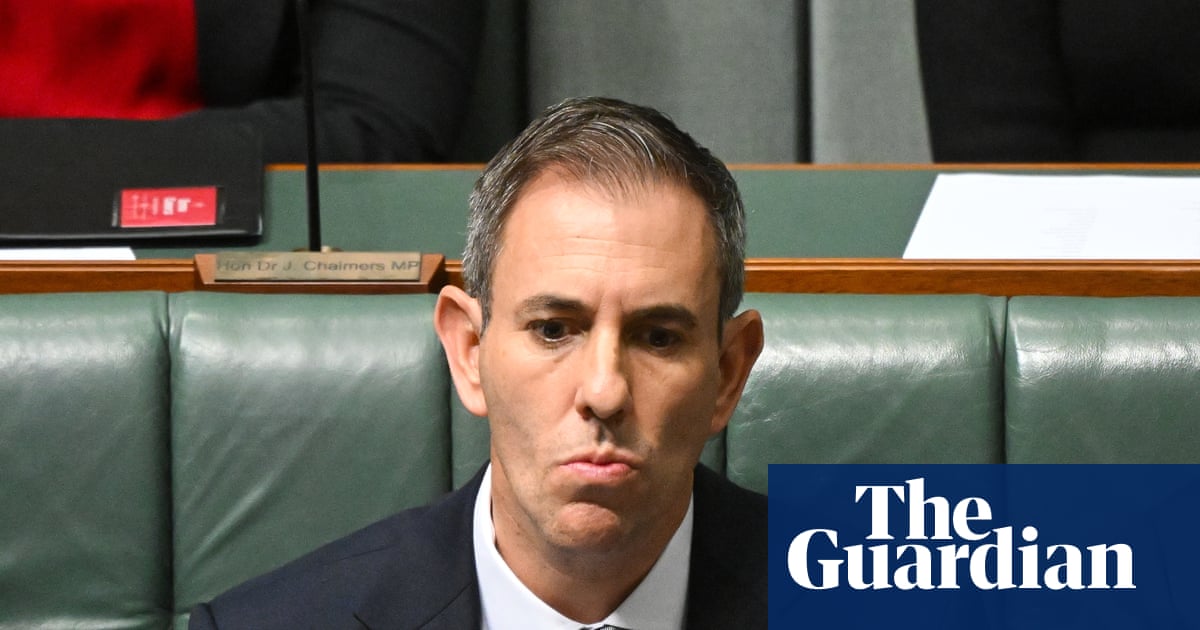
Voter Studies | Australian Election Study
The AES routinely collects data among a nationally representative sample of voters and among major party candidates standing for election (the latter is the Australian Candidate Study – ACS). Both the voter and candidate instruments combine a common set of questions. More details on the general methodology used are detailed below, and specific information about the methods used for a particular year is available from the information page for that wave.
'I am shocked': Unpacking One Nation's spectacular rise in the polls
Pauline Hanson's One Nation has seen the fastest polling rise in modern Australian politics. What is going on?
Persuasion and resistance: A survey experiment on messaging for and against One Nation | School of Politics & International Relations
Since the May 2025 federal election, One Nation's primary vote has risen sharply across published polling. If an election were held today, it would likely be the second-largest bloc in the House of Representatives. What drives this surge — and what, if anything, suppresses it — remains contested, with explanations ranging from economic grievance and cultural backlash to anti-establishment disaffection. While these accounts have been tested experimentally for radical-right parties abroad, they remain largely untested in Australia.
An Examination of Ranked Choice Voting in the United States, 2004-2022
From the perspective of social choice theory, ranked-choice voting (RCV) is known to have many flaws. RCV can fail to elect a Condorcet winner and is susceptible to monotonicity paradoxes and the spoiler effect, for example. We use a database of 182 American ranked-choice elections for political office from the years 2004-2022 to investigate empirically how frequently RCV's deficiencies manifest in practice. Our general finding is that RCV's weaknesses are rarely observed in real-world elections, with the exception that ballot exhaustion frequently causes majoritarian failures.

The Twilight of the Polls? A Review of Trends in Polling Accuracy and the Causes of Polling Misses
Polls have had a number of high-profile misses in recent elections. We review the current polling environment, the performance of polls in a historical context, the mechanisms of polling error, and the causes of several recent misses in Britain and the US. Contrary to conventional wisdom, polling errors have been constant over time, although the level of error has always been substantially beyond that implied by stated margins of error. Generally, there is little evidence that voters lying about their vote intention (so-called ‘shy’ voters) is a substantial cause of polling error. Instead, polling errors have most commonly resulted from problems with representative samples and weighting, undecided voters breaking in one direction, and to a lesser extent late swings and turnout models. We conclude with a discussion of future directions for polling both in terms of fixing the problems identified and new approaches to understanding public opinion.

Victorian Election is ‘too close to call’ today: ALP/Greens (46 seats) narrowly ahead of L-NP/ONP (42 seats); One Nation set to win over 10 seats in Lower House - Roy Morgan Research
Before all candidates are locked in, before preference deals are done, and before the campaign begins in earnest in the next few weeks Roy Morgan has created a Winnability Score. It combines current State voting intention with how closely an electorate's voter profile aligns with each party's core support base. In other words, it measures not only who is currently voting for a party, but also which voters are most likely to be persuaded to support that party.

Victorian State Election November 28th 2026 - Vote Climate One
The disturbing rise of One Nation has radically changed the Australian political landscape. Vote Climate One is now forced to overhaul our strategic preferencing advice, not just federally, but for this state election as well. We now have the threat of the Liberal Party preferencing One Nation and a potential coalition between One Nation and …

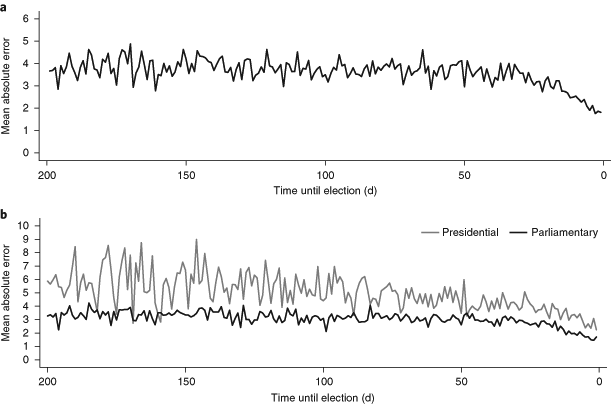
Election polling errors across time and space
Are election polling misses becoming more prevalent? Are they more likely in some contexts than others? Here we undertake an over-time and cross-national assessment of prediction errors in pre-election polls. Our analysis draws on more than 30,000 national polls from 351 general elections in 45 countries between 1942 and 2017. We proceed in the following way. First, building on previous studies, we show how errors in national polls evolve in a structured way over the election timeline. Second, we examine errors in polls in the final week of the election campaign to assess performance across election years. Third, we undertake a pooled analysis of polling errors—controlling for a number of institutional and party features—that enables us to test whether poll errors have increased or decreased over time. We find that, contrary to conventional wisdom, the recent performance of polls has not been outside the ordinary. However, the performance of polls does vary across political contexts and in understandable ways.
Victorian State Voting Intention: L-NP (26%) and ALP (26%) level on primary and ahead of One Nation (23.5%); however, L-NP narrowly leads ALP on two-party preferred basis (51% cf. 49%) - Roy Morgan Research
In early August the L-NP Coalition 26% (up 2% since April) and ALP 26% (up 0.5%) are level on primary vote ahead of One Nation 23.5% (down 1%) and 24.5% (down 1.5%) support Other Parties and Independents including the Greens 12.5% (down 1%), Other Parties 4% (unchanged) and Independents 8% (down 0.5%) according to a special SMS Roy Morgan Poll conducted from August 5-7, 2026, with a representative Victoria-wide cross-section of 2,084 electors.
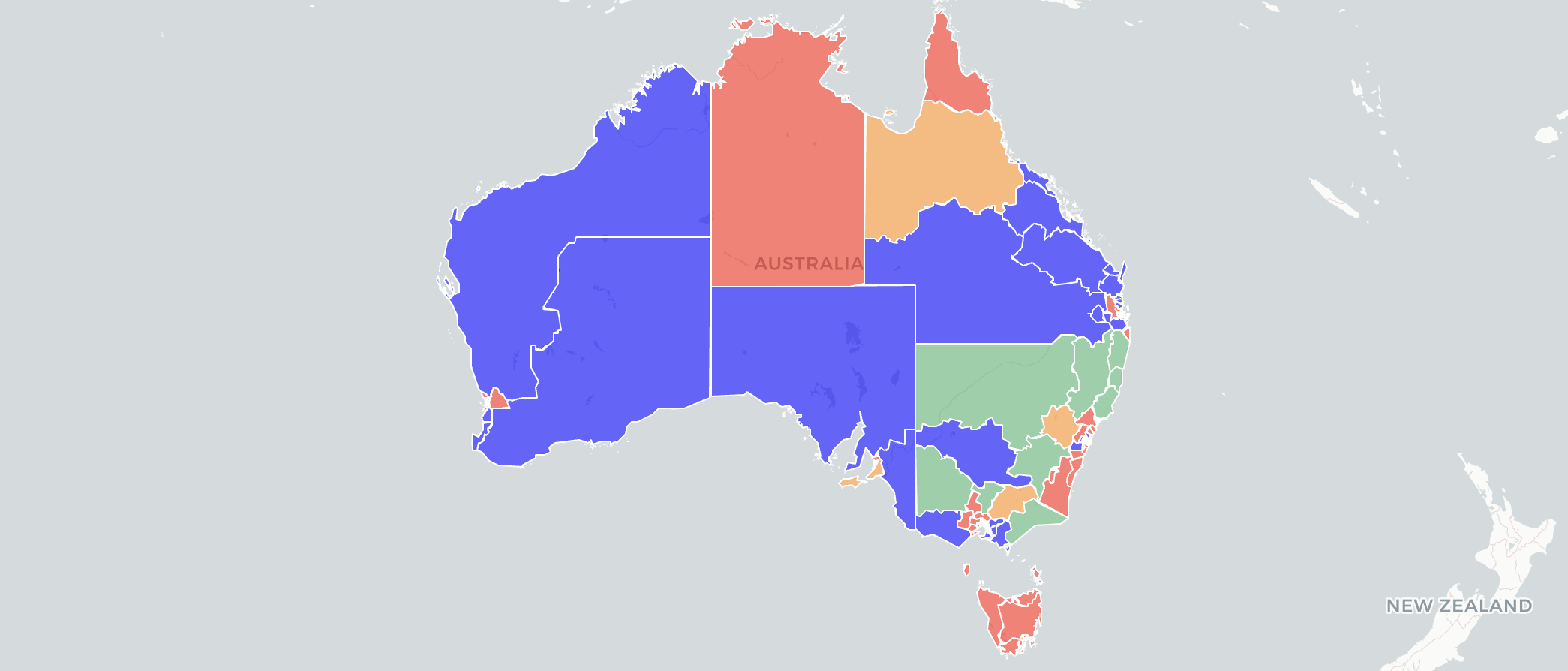
How the swing was distributed, and how the pendulum performed
Now that we have a complete two-party-preferred vote for all of Australia, we can look at the distribution of seat margins and swings across the country. For this post, I have produced a number of …
Is Australia's two-party political system dead?
With the rise of One Nation's popularity and younger voters increasingly turning to the Greens, the traditional two-party system in Australian politics has been dismantled, a former political strategist argues.