


If your typical morning involves skipping breakfast, pounding coffee, and jumping straight into work stress, your heart may be paying the price. Cardiologists have long known that heart attacks are more likely to occur in the morning than at any other time of day. Research published in Circulation ...
What the Most Successful People Do Before Breakfast
One of the big differences between the most successful people I've met and others is how they use their morning. The time before breakfast dramatically increases your productivity.

Sorry, There’s Nothing Magical About Breakfast (Published 2016)
Don’t feel bad if you’d rather skip it. Studies have not proved its importance.

Stem cell therapy lowers risk of heart failure after a heart attack | New Scientist
People who receive stem cell therapy within a week of their first heart attack have nearly a 60 per cent lower risk of developing heart failure years later


How I became a morning person (and why I decided to make the change)
It’s early and dark. The alarm sounds, and you reach over to switch it off. After a short pause, you sit up. You swing your legs off the…

Acute Effects of Coffee Consumption on Health among Ambulatory Adults
Coffee is one of the most commonly consumed beverages in the world, but the acute health effects of coffee consumption remain uncertain. We conducted a prospective, randomized, case-crossover trial...

It’s Stanford time, baby: 8-hour time-restricted press releases linked to a 91% higher risk of hype
You and the blog readers might find this interesting: https://newsroom.heart.org/news/8-hour-time-restricted-eating-linked-to-a-91-higher-risk-of-cardiovascular-death.
Opinion | Yes, Your Sleep Schedule Is Making You Sick (Published 2017)
What jet lag, insomnia and mental illness have in common.

Sending Out an SMS: Automatic Enrollment Experiments for Overdraft Alerts
ABSTRACT At‐scale field experiments at major U.K. banks show that automatic enrollment into “just‐in‐time” text alerts reduces unarranged overdraft and unpaid item charges 17% to 19% and arranged overdraft charges 4% to 8%, implying annual market‐wide savings of £170 million to £240 million. Incremental benefits from “early‐warning” alerts are statistically insignificant, although economically significant effects are not ruled out. Prior to the experiments, over half of overdrafts could have been avoided by using lower‐cost liquidity available in savings and credit card accounts. Alerts help consumers achieve less than half of these potential savings.

Sleep deprivation is not a badge of honor
Forgoing sleep is like borrowing from a loan shark. Sure you get those extra hours right now to cover for your overly-optimistic estimation, but at what price? The shark will be back, and if you ca…

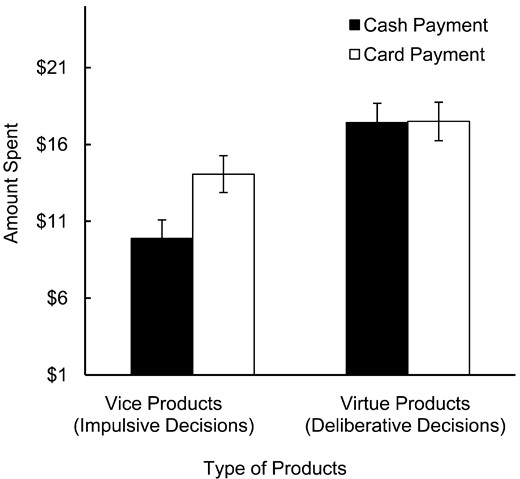
How Credit Card Payments Increase Unhealthy Food Purchases: Visceral Regulation of Vices
Abstract. Some food items that are commonly considered unhealthy also tend to elicit impulsive responses. The pain of paying in cash can curb impulsive urg
Evidence mounts that Long Covid is damaging the hearts of those affected
There are also increasing signs that the condition can disrupt the autonomic nervous system

I Train CEOs—This 16-Minute Morning Habit Builds Muscle and Boosts Productivity
The neuroscience-backed session builds muscle while increasing your focus and executive function.

Sleep: Educational Impact and Habit Formation
In a field experiment among US university students, incentives for sleep increase both sleep and academic performance. Our primary intervention pairs bedtime reminders with morning feedback and immediate rewards for sleeping at least 7 hours on weeknights. The intervention raises the share of weeknights with 7+ hours of sleep by 26% and average sleep by 19 minutes during a 4-week treatment period, with posttreatment effects of 8 minutes. Immediate incentives outperform both delayed incentives and reminders/feedback alone during treatment but have no distinguishable impacts posttreatment. The primary intervention improves average semester course performance by 0.075–0.089 grade points, a 0.10–0.11 standard deviation increase. Our results demonstrate that incentives targeting sleep can be a cost-effective approach to improve educational outcomes.
There's even more evidence that one type of exercise is the closest thing we have to a miracle drug
Aerobic exercise, which raises your heart rate for a sustained period, is "key for your head, just as it is for your heart," researchers say.
People who receive stem cell therapy within a week of their first heart attack have nearly a 60 per cent lower risk of developing heart failure years later

Stem cell therapy lowers risk of heart failure after a heart attack
www.newscientist.com