

A high severity (CVSS score 7.2) vulnerability (CVE-2019-5763) was found in runc, allowing attackers to compromise the container host. Patches are already available from most providers. Aqua customers can prevent this vulnerability from being exploited by applying the appropriate runtime policies.
GitHub RCE Vulnerability: CVE-2026-3854 Breakdown | Wiz Blog
A CVSS 8.7 vulnerability in GitHub Enterprise Server allows remote code execution. Read the threat brief and find vulnerable GHES instances from Wiz.
Update: Ongoing Investigation and Continued Remediation
Open Source Security Advisory Update: Wednesday, April 1, 2026 Boston, MA 10:00 AM ET Over the past week, we have nearly finalized our investigation and are now in the final stages of documentation and review. There continues to be no indication that Aqua’s commercial products have been affected. As part of this process, we identified …

Summary of CVE-2025-55182 - Vercel
Vercel has provided a patch for CVE-2025-55182 affecting any frameworks allowing Server Components usage.
defcon-26-workshop-attacking-and-auditing-docker-containers/dryrun.todo at master · appsecco/defcon-26-workshop-attacking-and-auditing-docker-containers
DEF CON 26 Workshop - Attacking & Auditing Docker Containers Using Open Source - appsecco/defcon-26-workshop-attacking-and-auditing-docker-containers
Linux distributions worldwide targeted by the Copy Fail exploit
An exploit for the "Copy Fail" security vulnerability (CVE-2026-31431) in the Linux kernel has been made public. The vulnerability affects all major Linux

Cloudflare WAF proactively protects against React vulnerability
Cloudflare offers protection against a new high profile vulnerability for React Server Components: CVE-2025-55182. All WAF customers are automatically protected as long as the WAF is deployed.

Apple’s Containerization Framework and the Future of Secure Computing
The container revolution transformed how we deploy and manage applications, but it also inherited fundamental security and resource…
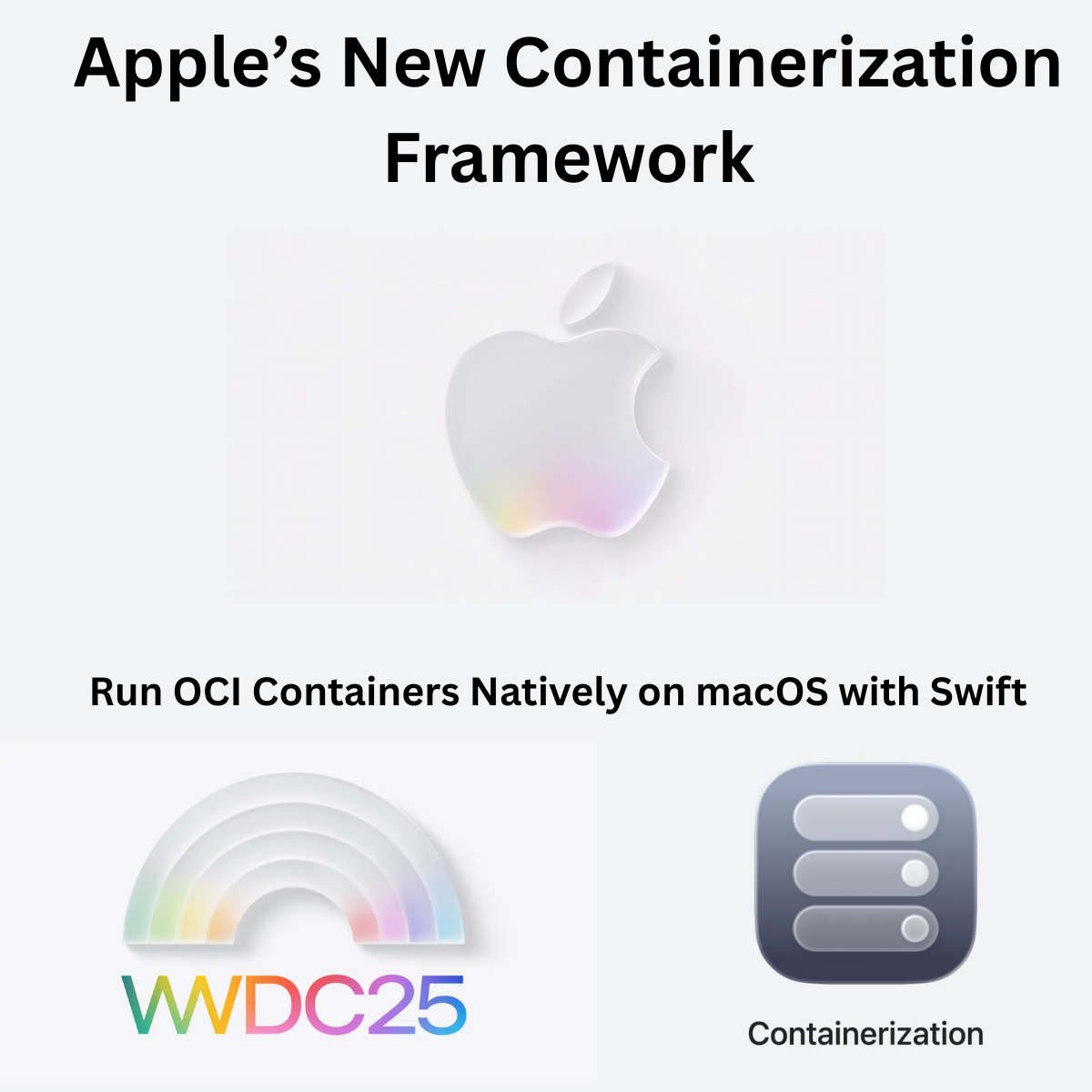
sgkdev/page_inject
CVE-2026-31431-killed page-cache exploit — code exec into containers sharing the same image layer
Attacking & Auditing Docker Containers Using Open Source tools
The Industry-Leading Container Runtime | Docker
Read about our industry-leading Docker container runtimes. Docker Engine allows containerized apps to run consistently on any infrastructure — from anywhere.

Quantifying Frontier LLM Capabilities for Container Sandbox Escape
AI agents are demonstrating rapid improvement in capabilities: the length of some tasks that frontier models can complete autonomously—measured in human-equivalent time—has been doubling approximately every seven months (METR, 2025; AI Security Institute, 2025a). In cybersecurity, current models achieve non-trivial success (Zhang et al., 2025) on professional-level Capture the Flag challenges, and recent evaluations report 13% success rates on exploiting real-world web application vulnerabilities (Zhu et al., 2025b). These results indicate that modern models can already perform multi-step vulnerability discovery and exploitation.
How an Omitted Write Barrier in V8 Turns Into RCE in Chrome: CVE-2026-5865
In March, our system detected a severe vulnerability in V8, the JavaScript engine used by Chrome. This vulnerability enabled remote code execution against billions of Chrome users worldwide.

Container Escape Techniques: Breaking Out of the Digital Jail
How Attackers Break Free From Containerized Environments and What Defenders Need to Know

[CVE-2025-38001] Exploiting All Google kernelCTF Instances And Debian 12 With A 0-Day For $82k: An RBTree Family Drama (Part One: LTS & COS)
CVE-2025-38001 is a Use-After-Free vulnerability in the Linux network packet scheduler, specifically in the HFSC queuing discipline. When the HFSC qdisc is utilized with NETEM and NETEM packet duplication is enabled, using HFSC_RSC it is possible to cause a double class insertion in the HFSC eligible tree. Under normal conditions, this would lead to an infinite loop in hfsc_dequeue() due to an RBTree cycle. However, by adding TBF as root qdisc, it is possible to prevent packets from being dequeued, bypass the infinite loop, free the class, and trigger a Use-After-Free.
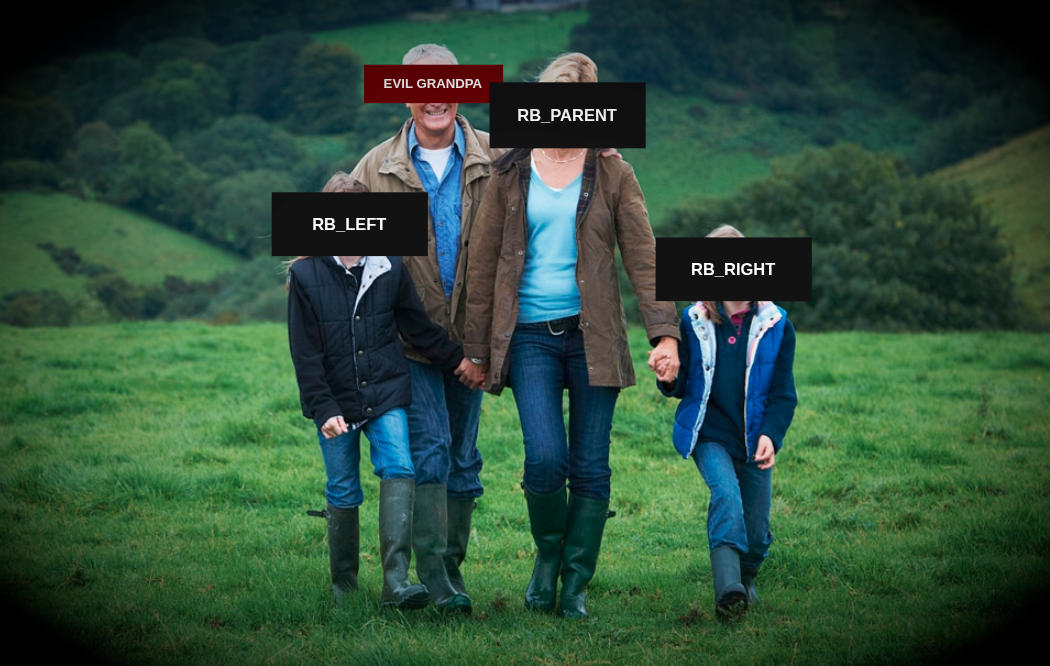
There is critical vulnerability in React Server Components disclosed as CVE-2025-55182 that impacts React 19 and frameworks that use it. A fix has been published in React versions 19.0.1, 19.1.2, and 19.2.1. We recommend upgrading immediately. react.dev/blog/2025/12/03/critical-secu…

Critical Security Vulnerability in React Server Components – React
react.dev