doi.org/10.1215/9780822390329
Social Reproduction Theory: Remapping Class, Recentering Oppression
This groundbreaking collection explores the profound power of Social Reproduction Theory to deepen our understanding of everyday life under capitalism. While many Marxists tend to focus on the productive economy, this book focuses on issues such as child care, health care, education, family life and the roles of gender, race and sexuality, all of which are central to understanding the relationship between economic exploitation and social oppression. In this book, leading writers such as Lise Vogel, Nancy Fraser, David McNally and Susan Ferguson reveal the ways in which daily and generational reproductive labour, found in households, schools, hospitals and prisons, also sustains the drive for accumulation. Presenting a more sophisticated alternative to intersectionality, these essays provide ideas which have important strategic implications for anti-capitalists, anti-racists and feminists attempting to find a path through the seemingly ever more complex world we live in.
Black Marxism, Revised and Updated Third Edition by Cedric J Robinson | East Bay Booksellers
In this ambitious work, first published in 1983, Cedric Robinson demonstrates that efforts to understand Black people’s history of resistance solely through the prism of Marxist theory are incomplete and inaccurate.
Black Marxism: The Making of the Black Radical Traditio…
In this ambitious work, first published in 1983, Cedric…

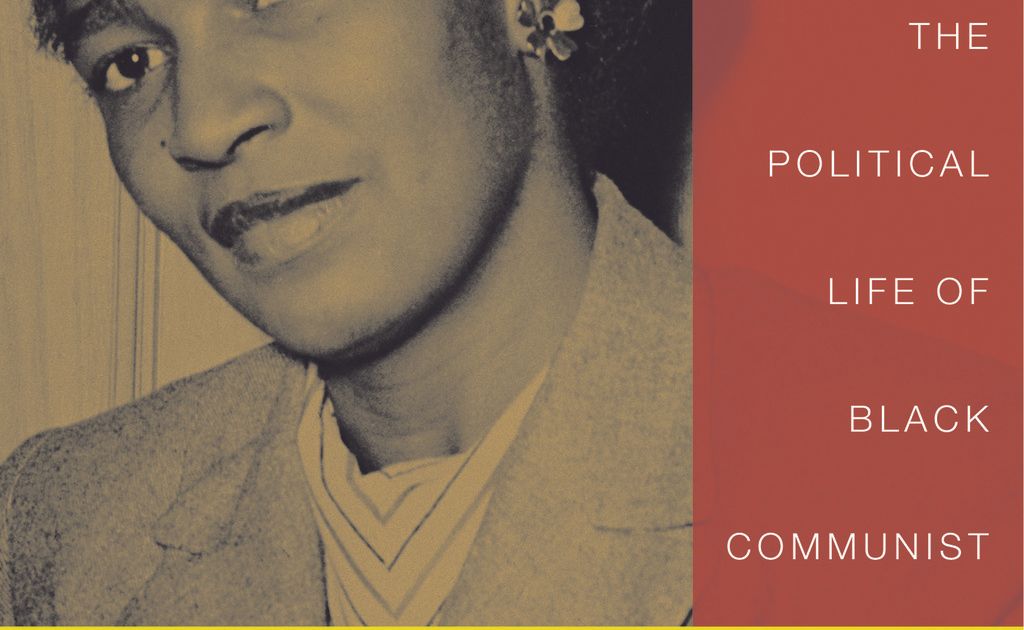
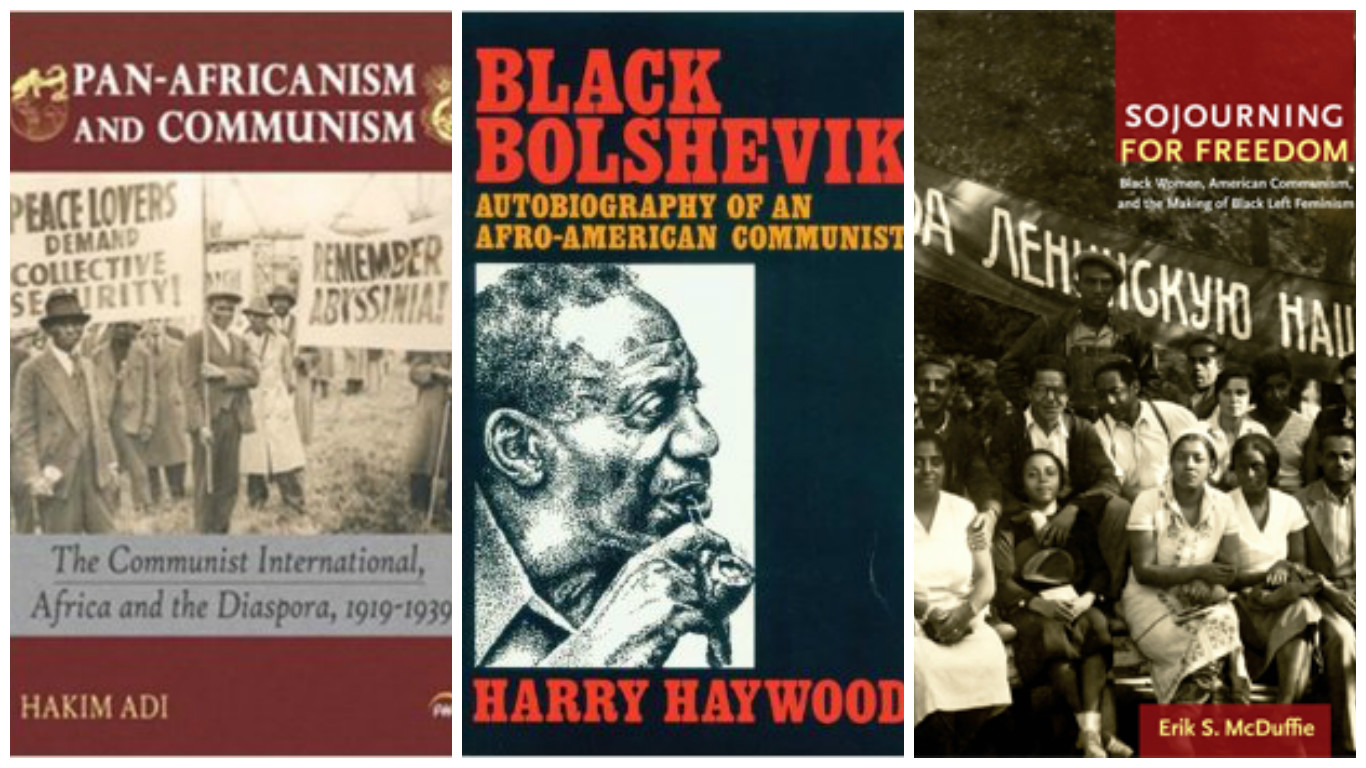
The #BlackCommunistReadingList - AAIHS
Here is a list of recommended books on African Americans and Communism. As a graduate student at the University of Illinois, I read many of these books to gain an intellectual understanding of why black Americans and other people African descent saw Communism as a political ideology through which to achieve black liberation. Harry Haywood’s
The Communist and the Caricature: The Missed Opportunity in August Nimtz and Kyle Edwards' "The Communist and the Revolutionary Liberal in the Second American Revolution"
Nimtz and Edwards offer caricatures where a fascinating and nuanced reality was available.
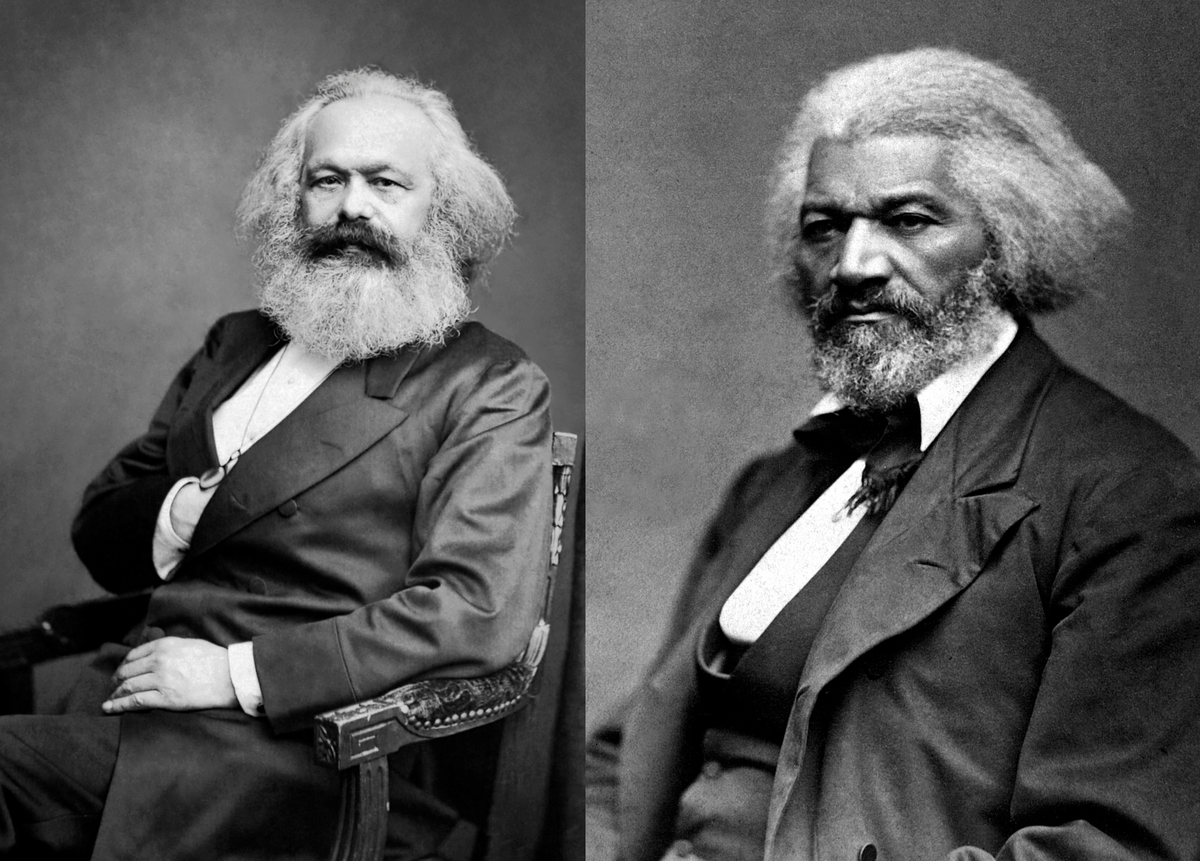
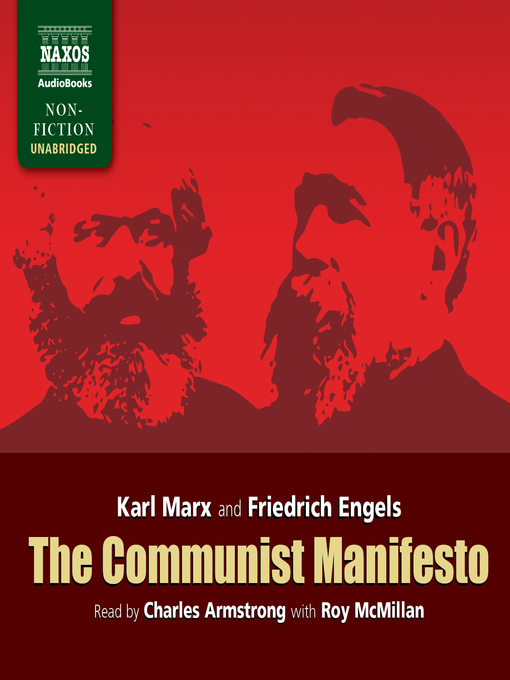
The Communist Manifesto
Without question one of the most significant books in modern history, The Communist Manifesto is a brief, populist pamphlet that distils the core ideas of Communism into accessible prose. Published just months before violent uprisings threatened to destabilise much of the European establishment, it outlines a view of history as a constant battle between the classes that will inevitably result in revolution. An ang...
Black Hat | The Paper Pilot
The Paper Pilot's digital garden of thoughts on philosophy, politics, and sociology
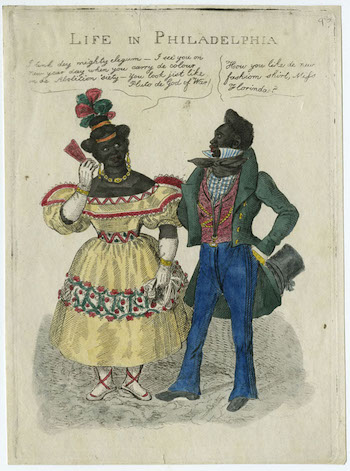
The American Black Bourgeoisie, a story
*The American Black Bourgeoisie is affirmed on this date in 1619. They are America’s Black upper class based on financial income. The Black Bourgeoisie comprises engineers, lawyers, accountants, doctors, politicians, business executives, venture capitalists, CEOs, celebrities, entertainers, entrepreneurs, and heirs with annual incomes of $200,000 or more. This social class sometimes referred to as the […]
The Alternative to Capitalism Nobody Talks About | Eleanor Finley & Camila Vergara
American Babylon
A gripping portrait of black power politics and the struggle for civil rights in postwar Oakland

annotations: Un bref essai sur les différences entre Marx et Keynes
Traduction française de "A short essay on the differences between Marx and Keynes" de Branko Milanovic
Prejudice on the Left | The Paper Pilot
The Paper Pilot's digital garden of thoughts on philosophy, politics, and sociology
Leftism | The Paper Pilot
The Paper Pilot's digital garden of thoughts on philosophy, politics, and sociology
Anarchism and The Black Revolution and Other Essays
An analysis of white supremacy vs the black struggle an…

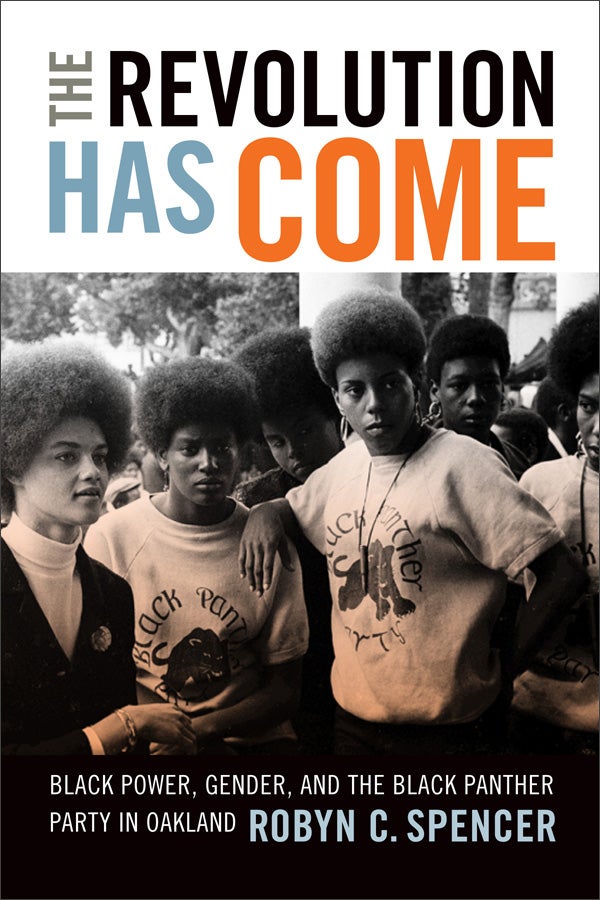
The Revolution Has Come: Black Power, Gender, and the Black Panther Party in Oakland
"Tearing down myths and distortions on virtually every page, The Revolution Has Come is the first substantive account of the Black Panther Party’s Oakland chapter—the iconic gathering that birthed the party and held on to its very last breath. Robyn C. Spencer’s incisive attention to gender, state repression, black radical alliances, philosophical and ideological debates, and the organization’s long decline makes this one of the most original studies of the Panthers to appear in years." - Robin D. G. Kelley, author of Freedom Dreams: The Black Radical Imagination
Marxism & the Global South
A critical history of imperialism and dependency theory, from Marx on colonialism and Eurocentrism to Baran, Frank, Wallerstein, and Samir Amin.