


Artworks exploring the nexus of queerness, the body, and technology
Queering design systems thinking by John Voss
Queerness challenges simple narratives and universal truths. What happens when you apply it to a discipline that seeks to build a clear, single source of truth?

Queering Swiss Photography
Wir gründen eine queere, feministische Fotoagentur namens Tender Photo. Für diversere Perspektiven mit Haltung, eine solidarisch-sorgsame Bildproduktion und für eine widerständige Community. Mach mit!
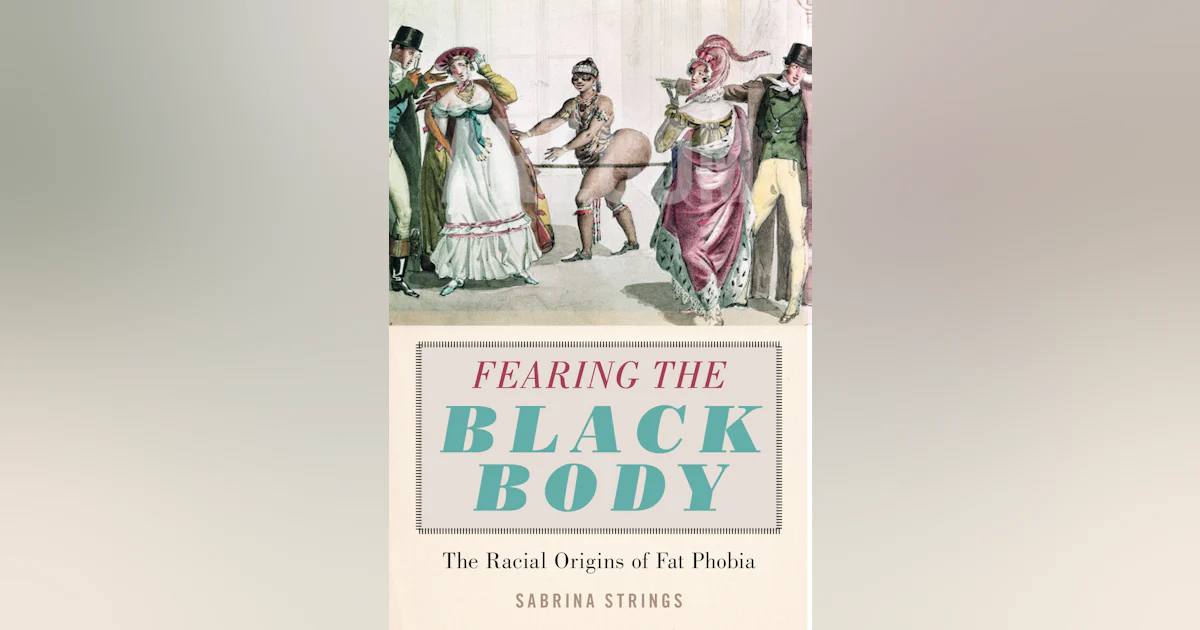
Fearing the Black Body
Winner, 2020 Body and Embodiment Best Publication Award, given by the American Sociological AssociationHonorable Mention, 2020 Sociology of Sex and Gender Di...
Southland Institute
Through engaging questions of how approaches of progressive, critical, queer, and antiracist pedagogical traditions might be applied to interdisciplinary programming in typography, graphic design, and critical art-making, we are working to assemble a growing toolkit of pedagogies -- all of which are intended to be used, shared, recombined, interpreted, and questioned -- as part of the perpetual project of exploring approaches to sharing and transmitting knowledge.
Fandom as an Alternative Network

The Future of Sex Work Slams Up Against Big Tech
As influencers peddle more sexually explicit content, Big Tech's biggest platforms—Facebook, Instagram, and Twitter—are increasing restrictions.
You Can Form a Part of Yourself Online: The Influence of New Media on Identity Development and Coming Out for LGBTQ Youth
Internet-based new media are increasingly utilized by lesbian, gay, bisexual, transgender, and queer (LGBTQ) youth, yet little is known about the ways in which it influences their identity developm...
You Can Form a Part of Yourself Online: The Influence of New Media on Identity Development and Coming Out for LGBTQ Youth
Internet-based new media are increasingly utilized by lesbian, gay, bisexual, transgender, and queer (LGBTQ) youth, yet little is known about the ways in which it influences their identity developm...
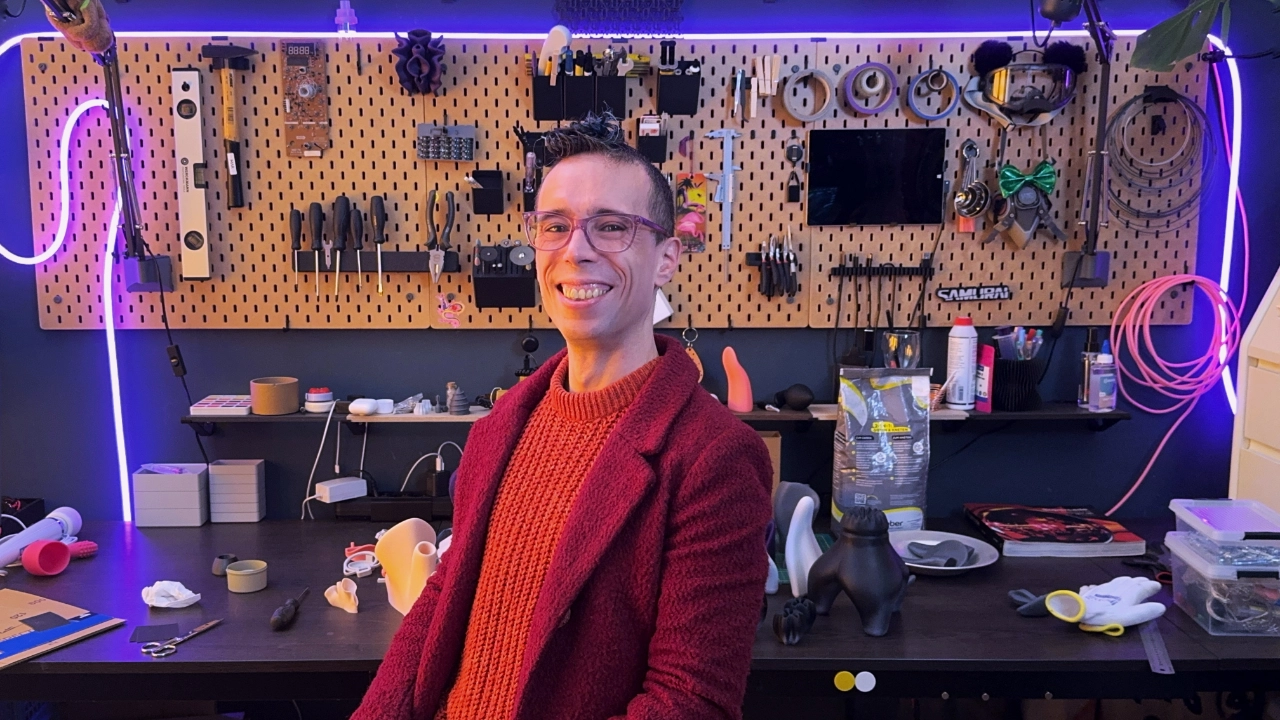
About — Every Object an Archive
We interview people about their experiences with technological objects that were once everywhere, but are now being replaced or redesigned. We are interested in the physical experience of living with these objects, their handfeel and relationships to our bodies. We are also interested in how they shaped our habits, relationships, and ways of being. Technologies are more than physical objects: whole worlds of infrastructure, process, policy and culture are built around them.

Home
Inclusive LGBTQ+ sexual and reproductive health info, stories and services — created by and for our communities at Word on the Sheets.
Home
Inclusive LGBTQ+ sexual and reproductive health info, stories and services — created by and for our communities at Word on the Sheets.
A Queer and Feminist Defense of Being Anonymous Online
From the earliest days of digital communities, online abuse has been connected to anonymity. While concerns around the impact of anonymity, particularly for women, people of color and LGBTQ folks, is legitimate, this paper argues that a flat rejection of digital anonymity is problematic, foreclosing certain forms of queer and feminist praxis. To make this case, I turn to the platform politics of Craigslist. Using Craigslist as a case study, I discuss the persistent stigma attached to online anonymity, before addressing specific tactics of online anonymity associated with queer and feminist values of privacy and mutual aid. Drawing on accounts of Craigslist users who saw anonymity as a protective form of control over their personal information, I outline ways in which anonymity is not solely an enabler for misogyny and homophobia, and can instead (or rather, also) be a subversive tool for self-expression and intimacy.