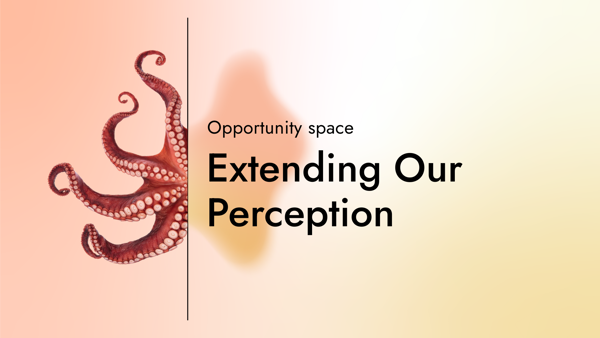
The world is rich with information hidden from human senses and not captured by our algorithms. The next era of AI will require Hypersensory Intelligence — AI and novel sensors engineered together to perceive reality in fundamentally new ways, catalysing breakthroughs across disciplines.
AI for science: What can it do? Can it do things? Let’s find out!
A what we’re reading spotlight

AI Is Evolving — And Changing Our Understanding Of Intelligence
Advances in AI are making us reconsider what intelligence is and giving us clues to unlocking AI’s full potential.

Intelligence Rising
Artificial Intelligence (AI) is expected to be one of the most transformative technologies in human history.

The Age of Wonders and Terrors
Twenty years ago, when the idea of AI taking over the world in our lifetimes still struck most of us as the unconstrained fantasy of those who knew too much science fiction and too little science, …

The AI We Deserve
Critiques of artificial intelligence abound. Where’s the utopian vision for what it could be?

What AI is Really For - Christopher Butler
After three years of immersion in AI, I have come to a relatively simple conclusion: it’s a useful technology that is very likely overhyped to the
Mundo AI - The Data Layer for Perceptual Intelligence
Mundo develops data, evaluations, and applied research for frontier labs and AI companies to advance perceptual intelligence across audio, video, and emerging modalities.

The Next Great Divergence: How AI could split the world again if we don’t intervene | Brookings
Michael Muthukrishna and Philip Schellekens argue that AI, like past general-purpose technologies, could drive a new global divergence unless deliberate action ensures its benefits are broadly shared rather than geographically concentrated.

How AIs See Our World
AIs are increasingly perceiving our world, but in order to comprehend it, our user interfaces must operate in reverse.

Consciousness in Artificial Intelligence: Insights from the Science of Consciousness
Whether current or near-term AI systems could be conscious is a topic of scientific interest and increasing public concern. This report argues for, and exemplifies, a rigorous and empirically grounded approach to AI consciousness: assessing existing AI systems in detail, in light of our best-supported neuroscientific theories of consciousness. We survey several prominent scientific theories of consciousness, including recurrent processing theory, global workspace theory, higher-order theories, predictive processing, and attention schema theory. From these theories we derive "indicator properties" of consciousness, elucidated in computational terms that allow us to assess AI systems for these properties. We use these indicator properties to assess several recent AI systems, and we discuss how future systems might implement them. Our analysis suggests that no current AI systems are conscious, but also suggests that there are no obvious technical barriers to building AI systems which satisfy these indicators.

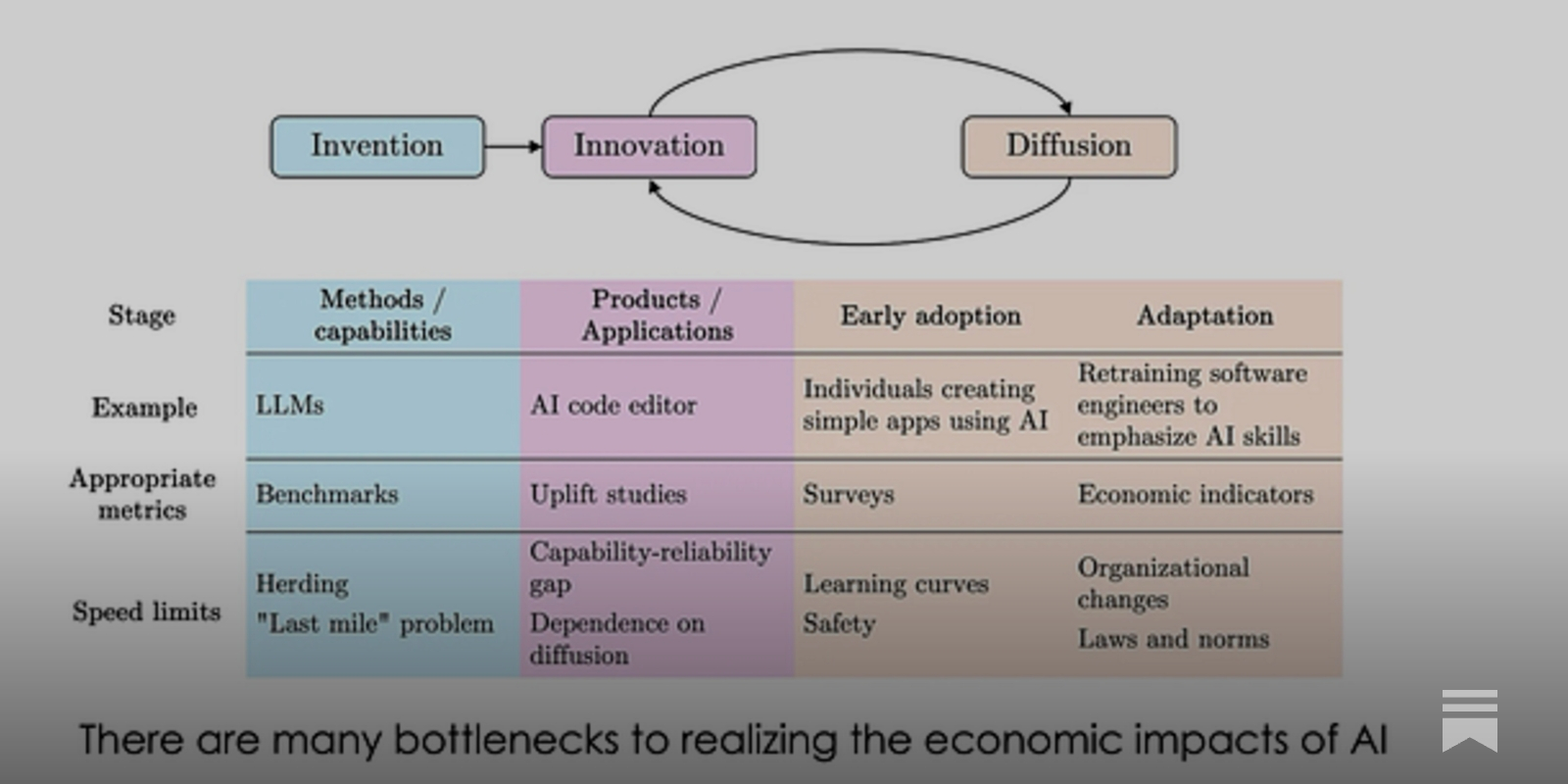
Is AI Hiding Its Full Power? With Geoffrey Hinton
Meta’s new AI glasses could have a ‘super-sensing’ mode with facial recognition
Facial recognition on your face.


Anthropomorphism Is Breaking Our Ability to Judge AI
Tech Policy Press fellow James Ball asks, how should we interact with a technology designed to ‘speak’ with us on what appear to be human terms?
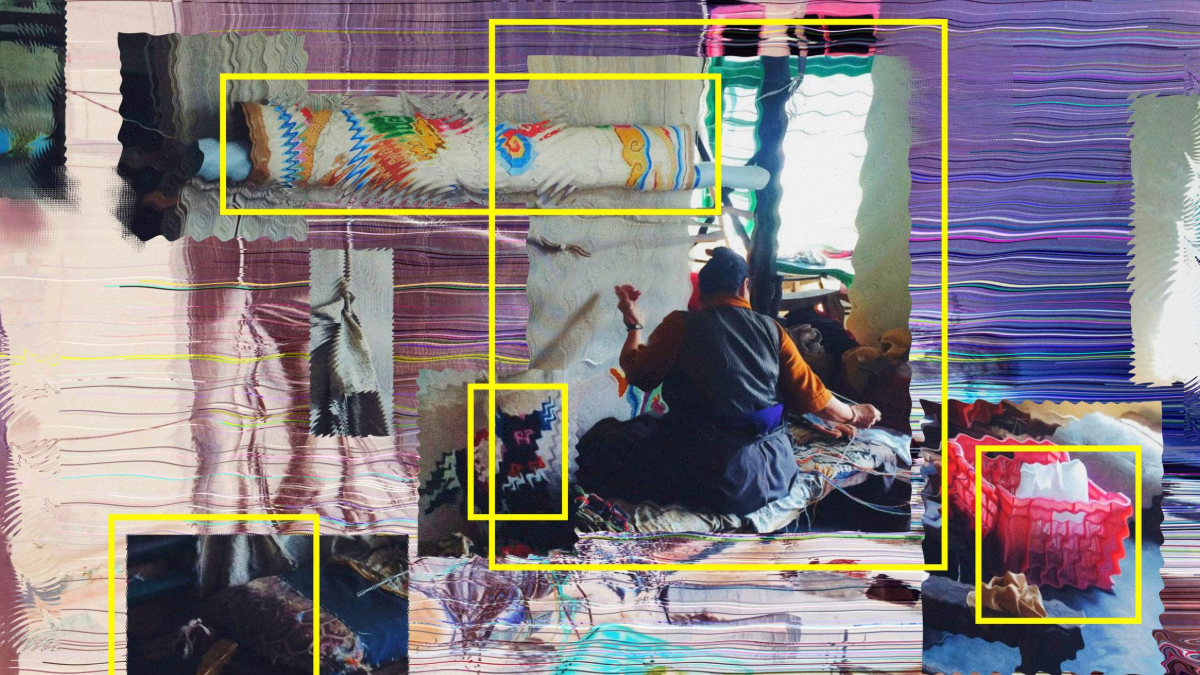
Human Intelligence, the Secret of Artificial Intelligence
Artificial intelligence is mysterious: we speak to it and it seems to understand what we say. Proof that it understands is that it responds with text or speech that makes sense, and sometimes more …