


A Lego Model of Technological Unemployment
When Robots Take All of Our Jobs, Remember the Luddites
What a 19th-century rebellion against automation can teach us about the coming war in the job market

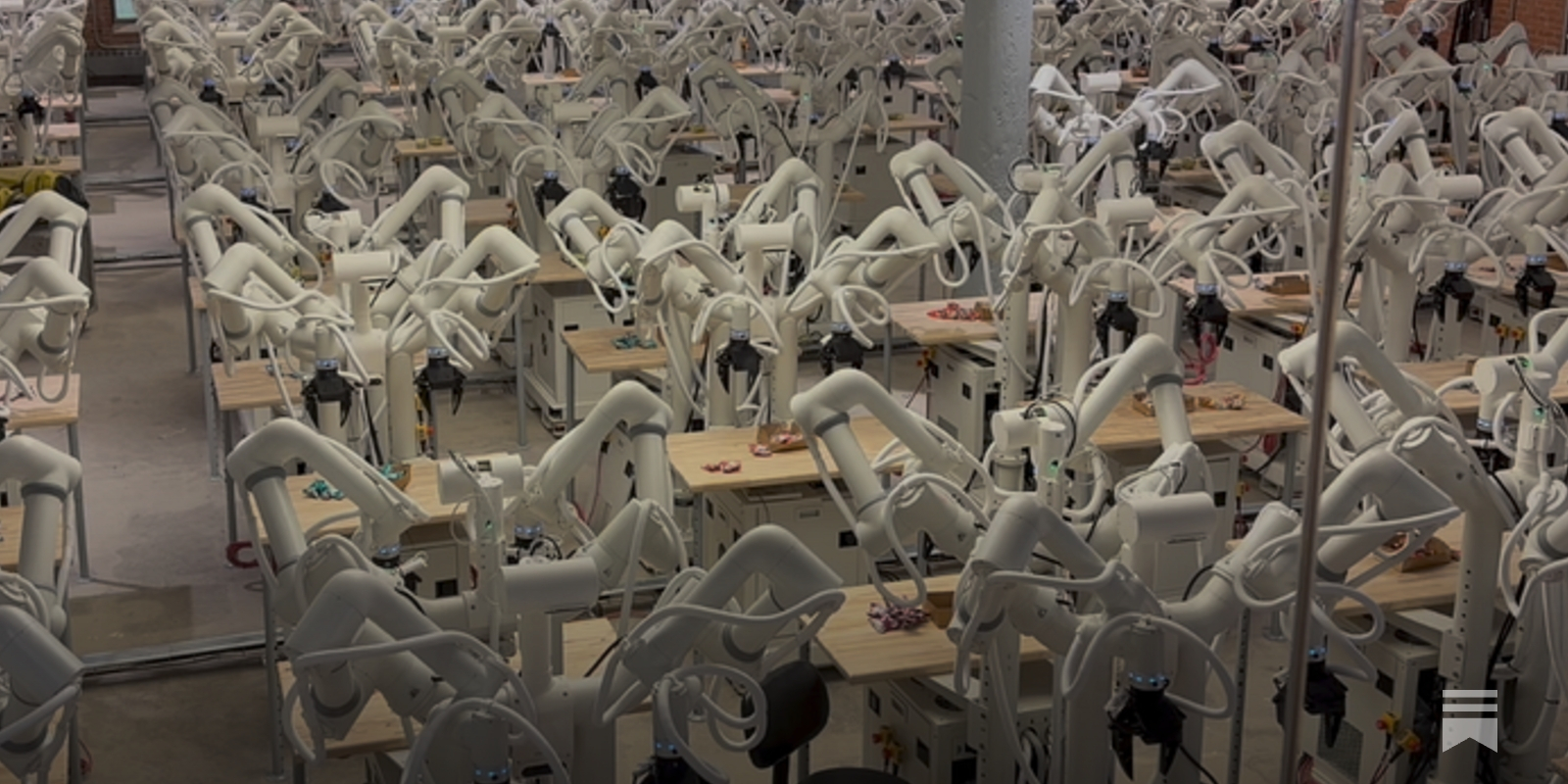
Robot startups are trying everything they can think of to get more data
Free apartment cleanings, exoskeletons, 100 robots in a warehouse...
The best argument I’ve heard for why AI won't take your job
In the first episode of the Platformer podcast, Box CEO Aaron Levie makes the case that you'll keep your job — but soon, you might not recognize it

Tech companies are cutting jobs and betting on AI. The payoff is far from guaranteed
AI experts say we’re living in an experiment that may fundamentally change the model of work

Current and former Block workers say AI can’t do their jobs after Jack Dorsey’s mass layoffs: ‘You can’t really AI that’
The CEO said he cut the company’s workforce by 4,000 people – almost in half – because of gains in AI productivity

Bosses Are Blowing More Money on AI Agents Than It'd Cost Them to Just Pay Human Workers
Some organizings are finding themselves spending more on AI token fees than they do paying human salaries.
AI tools are 'deskilling' workers, philosophy professor says
A philosophy professor warns that AI reliance is weakening workers' judgment, creativity, and problem-solving.
Programming Still Sucks. — Writing
Sorry Peter. — I'm at a birthday party, and while most people here also work in tech, there's always a Guy with a Real Job. You know, a physical job, building some or other thing people need. And this Guy always asks some variant of the same question: aren't you worried AI is taking your job? I glance around and see a few faces turning around toward us, rolling their eyes ever so slightly before returning to their previous conversation. Yes, this question again.
Still Waters, Rapid Currents: Early Labor Market Transformation under Generative AI
We study the early labor market impacts of AI chatbots by linking large-scale adoption surveys to administrative labor market records in Denmark. We document rapid currents: most employers in exposed occupations have adopted chatbot initiatives, workers report productivity benefits, and new AI-related tasks are widespread. Yet these currents have not broken the surface: using difference-indifferences, we estimate precise null effects on earnings and recorded hours at both the worker and workplace levels, ruling out effects larger than 2% two years after the launch of ChatGPT. What moves is the structure of work: employers absorb AI through task reorganization—including new tasks in content generation, AI oversight, and AI integration—and adopters transition into higher-paying occupations where AI chatbots are more relevant, though still too few to move average earnings. Technological change reshapes work well before it surfaces in earnings or hours.

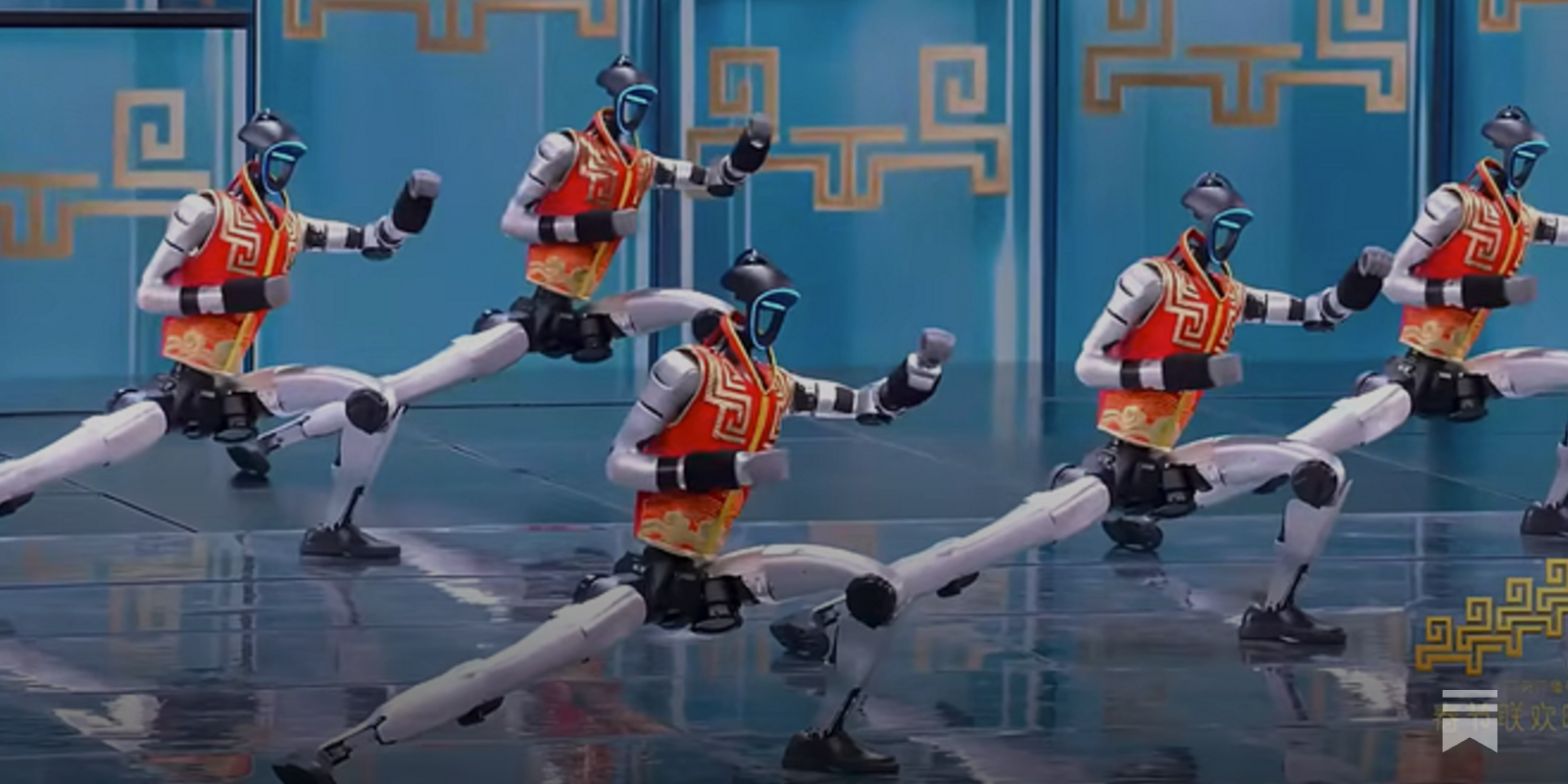
Why humanoid robots won’t catch up to human workers any time soon
A deep dive into the current state of humanoid robotics.
AI Was Supposed To Take Your Job. Why Hasn't It?
AI Exec: We May Have Pulled Off “The Largest Theft of Labor in Human History”
Documents from our lawsuit reveal how tech leaders talk when they think no one is listening.

Companies Are Blaming AI for Layoffs. The Real Reason Will Piss You Off.
180,000 tech workers lost their jobs in 2025. Companies say it’s because of AI. Oxford researchers call BS.

Automation is coming for the gig economy
A safety net for people who have fallen out of the formal labour market is being dismantled

The Future of Not Working (Published 2017)
As automation reduces the need for human labor, some Silicon Valley executives think a universal income will be the answer — and the beta test is happening in Kenya.
