

Asothia began with a simple frustration shared by researchers everywhere: brilliant ideas were being slowed down by fragmented funding systems - and people were leaving the academy because of it.
What Scientists Said: Results from Astera's First Essay Competition
Astera recently hosted its first essay competition, focused around metascience.
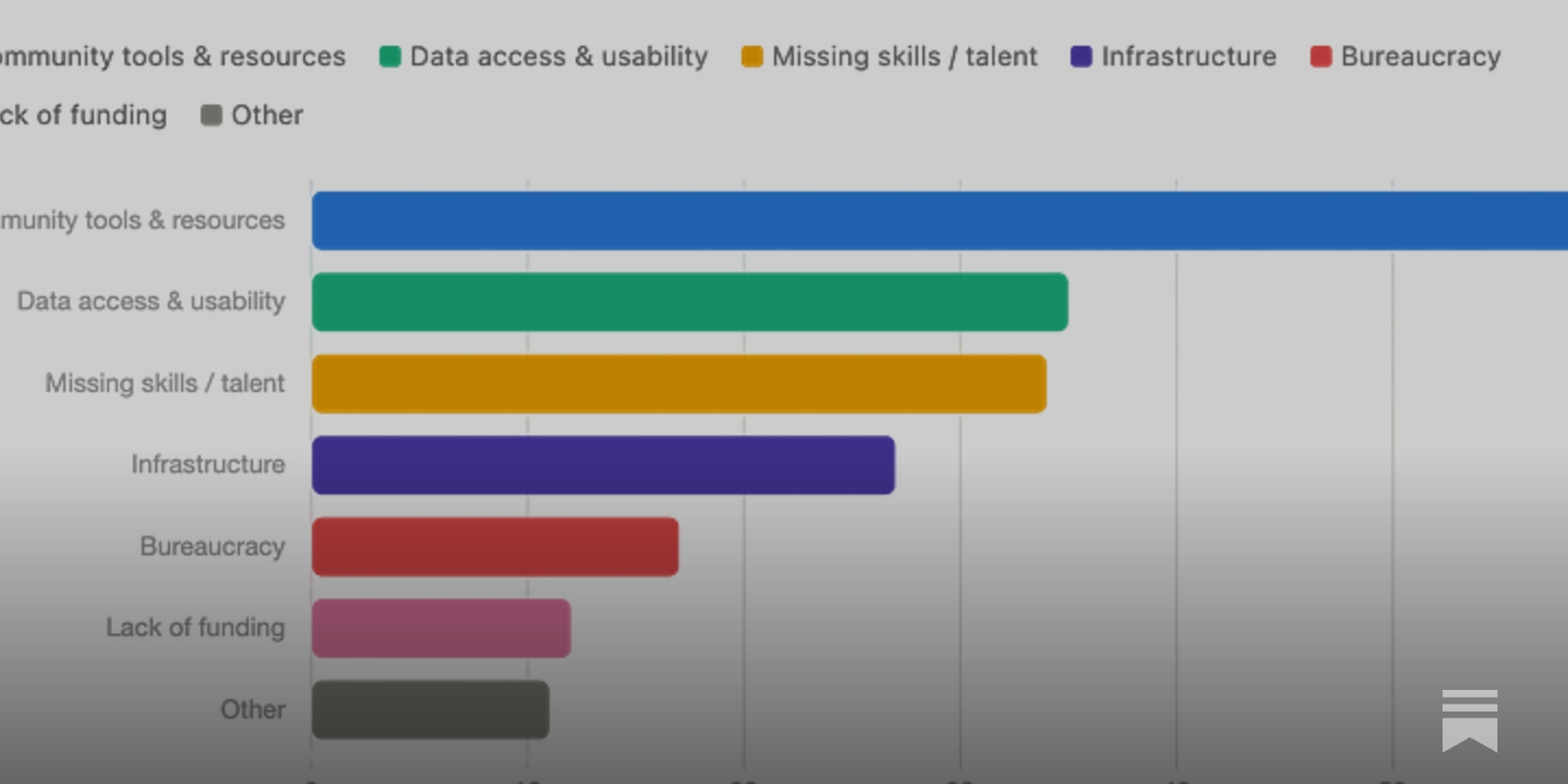
Coordinated Research Programs — Renaissance Philanthropy – A brighter future for all through science, technology, and innovation (V2)
In many cases, ambitious R&D problems are not well-suited to individual academic labs, startups, or other existing institutions.

Don’t change the subject
Many creatives know this phenomenon: They start a new project on a promising topic with excitement, but when they can’t come up with an original idea instantly — they lose interest. They come to th…
Geniuses with Autism & Asperger's | Hidden Talents ABA
Discover 15 inspiring figures with Autism or Asperger's, showcasing their contributions and resilience throughout history.

From SenseNets to Cosmik - Cosmik Labs
End of the Astera fellowship, beginning of a journey
Second Renaissance Research Call - Where Does the Thinking Go?
Trees of change, forum discussions, and getting Second Renaissance to constantly evolve its vision.
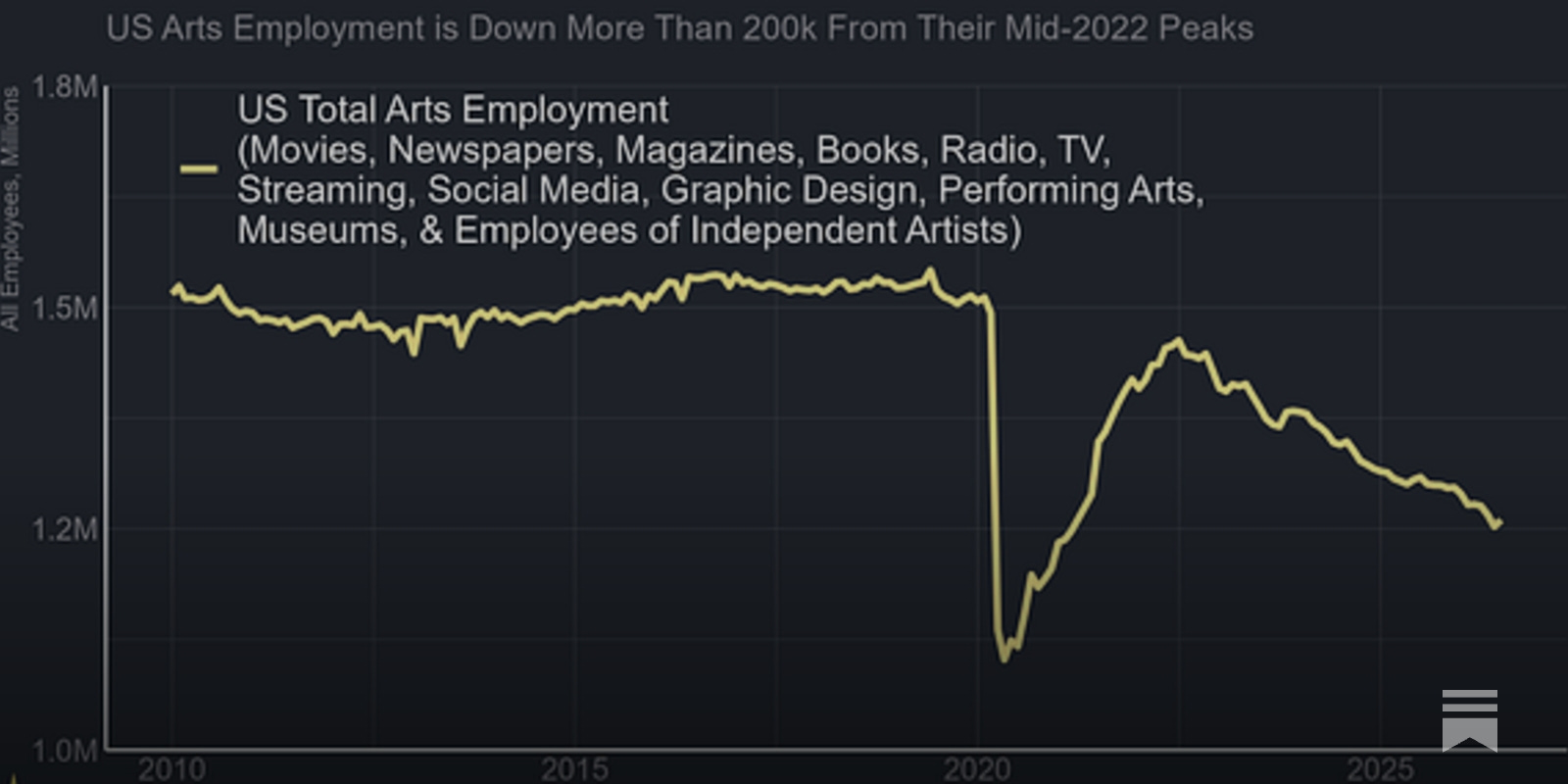
AI and the Fall? of the Creative Class
America is Losing Hundreds of Thousands of Jobs in Media, Film & the Arts. How Much is AI to Blame?
A balanced review of Math Academy
And some thoughts on motivation and structure, for autodidacts


Will AI spark a scientific renaissance — or a diffuse monoculture?
Artificial intelligence’s ability to enrich science will depend not only on model capability, but also on whether researchers, reviewers and funders reward originality over speed.

No. 020: Astra solves ten open math problems, AI agents fail at open-ended research, peer review under strain - The Hallway Track
The Hallway Track No. 020 - How AI is affecting the practice of science
Once you understand that this is a model of science written by non-scientists who hate universities but love venture capital and redirecting money to political allies, everything makes a lot more sense. nytimes.com/2026/07/22/us/politics/trump-…

Trump’s Plan for Science: More Money for A.I., Less for Universities
www.nytimes.comI can't stop thinking about this essay: akamatsu.leaflet.pub/3mkwouogdzs2j If so much of research is going to come from large companies, then maybe the way academia survives is to take advantage of our yet unrealized potential for open collaboration
A protocol for attributable modular research contribution
akamatsu.leaflet.pubI can't stop thinking about this essay: akamatsu.leaflet.pub/3mkwouogdzs2j If so much of research is going to come from large companies, then maybe the way academia survives is to take advantage of our yet unrealized potential for open collaboration
A protocol for attributable modular research contribution
akamatsu.leaflet.pubThe Academy

Collection of ideas to do with academic institutions, including comments on trends, innovations and new policies, and common practices

Ingredients for a persuasive review proposal
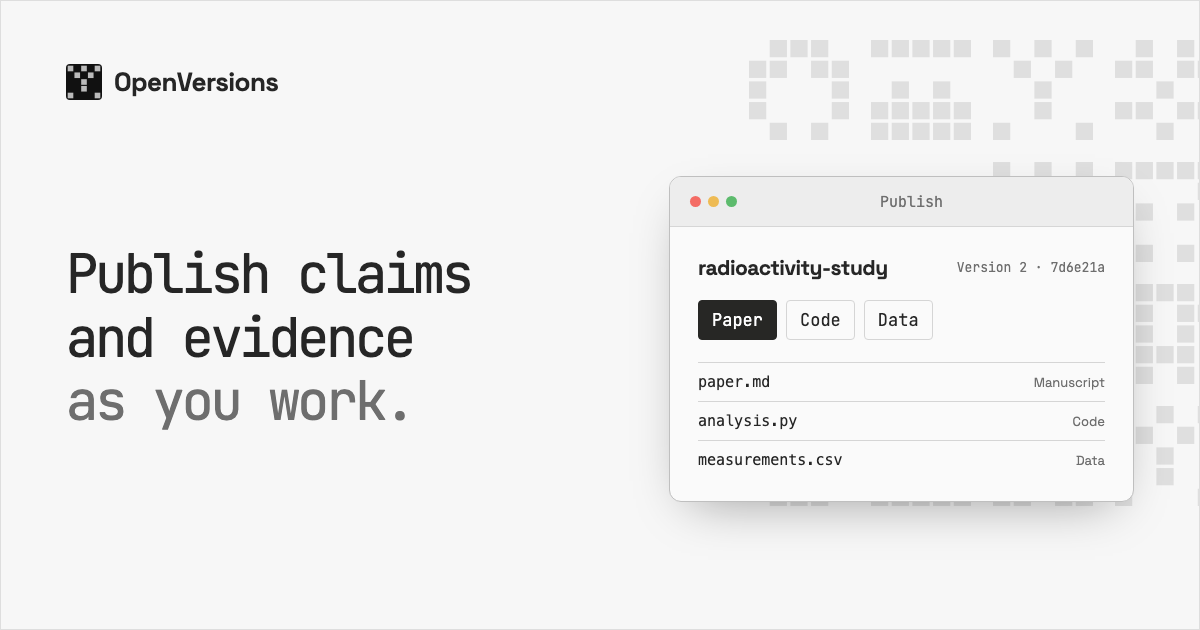
OpenVersions — Publish claims and evidence as you work
Michael C. Frank on Twitter / X
Session Slides Organizer
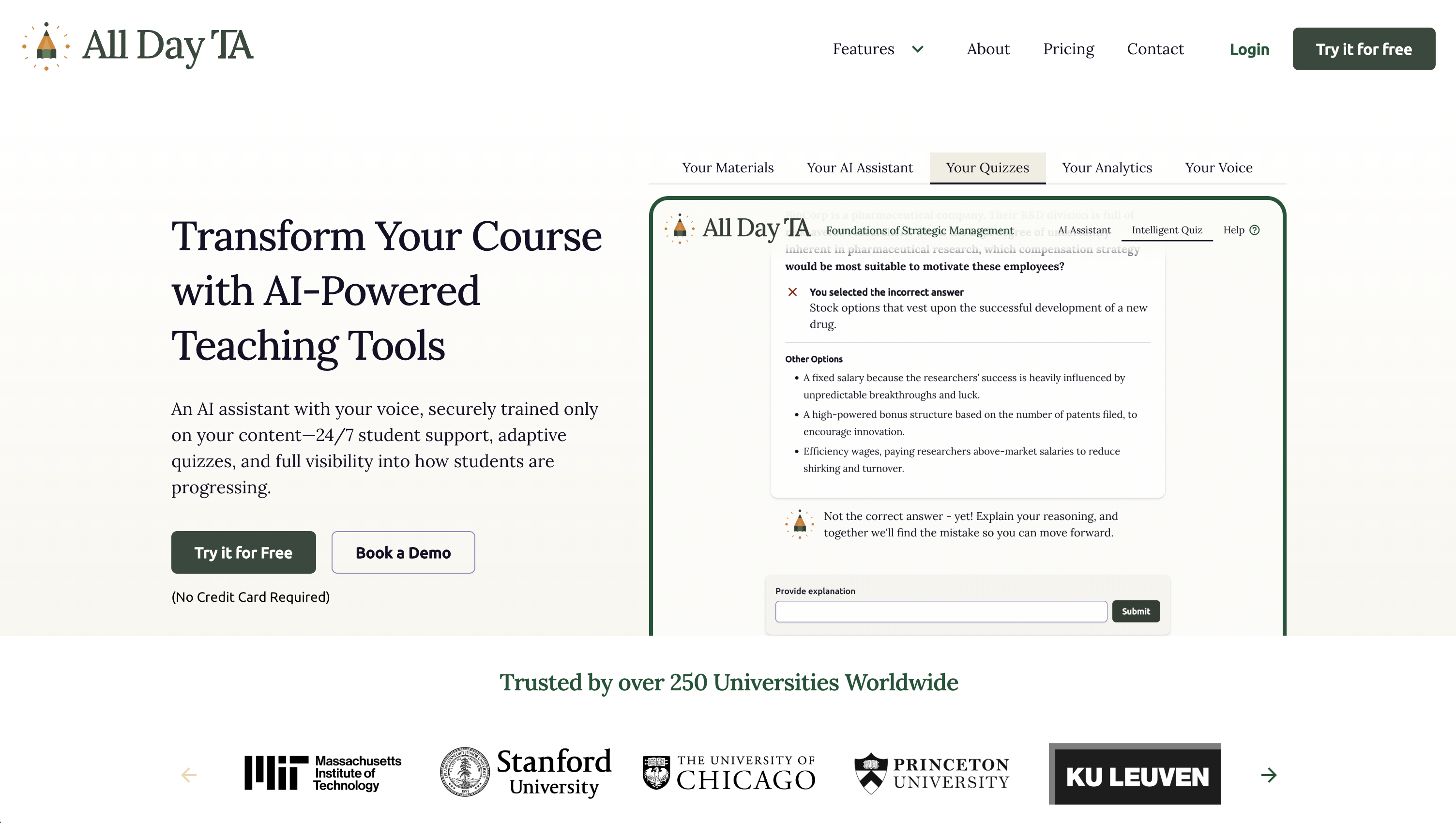
All Day TA
doi.org

