

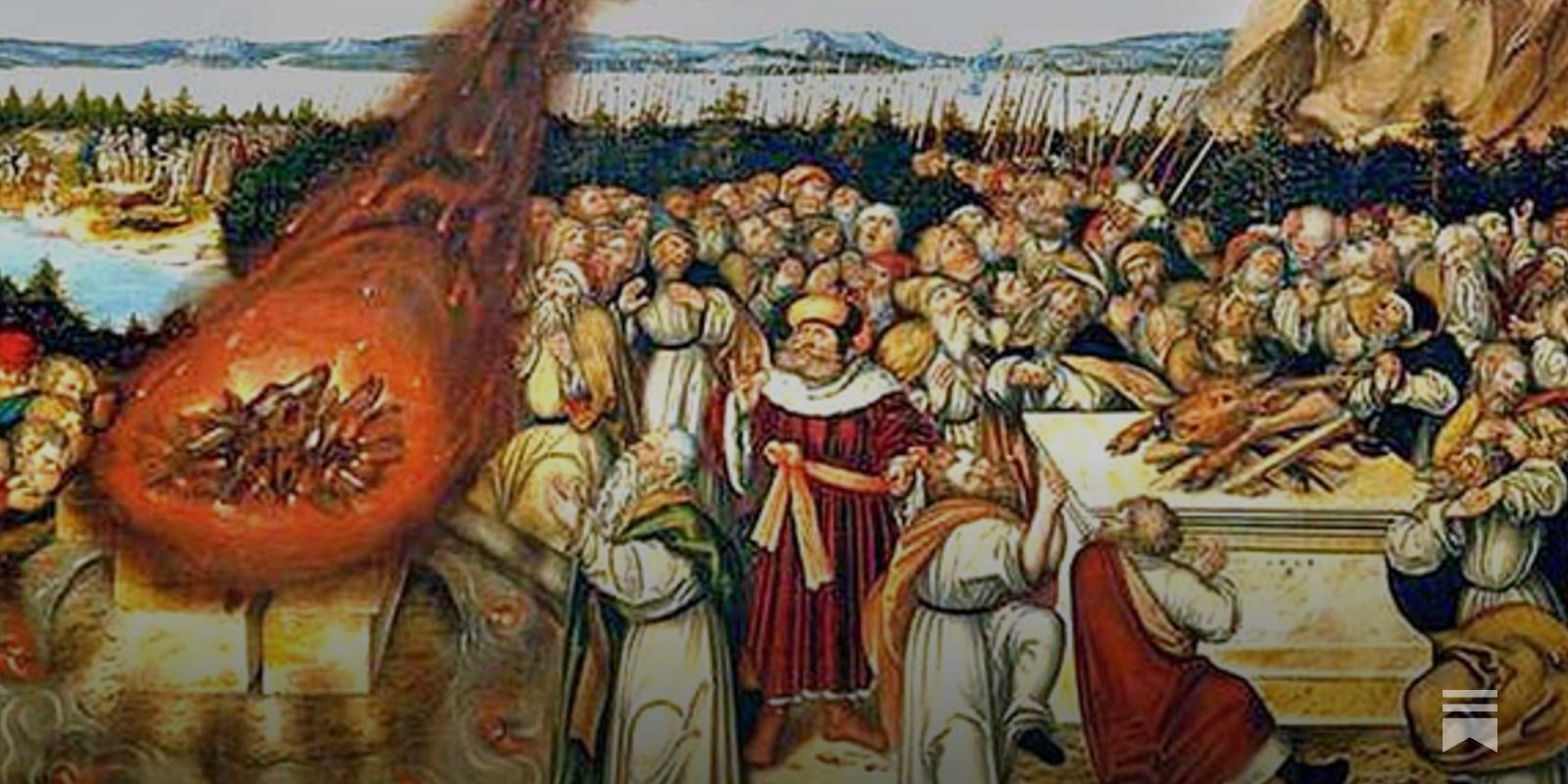


You Should Probably Leave Substack
You should probably leave Substack. Here’s why and how.
Can Religions Be Reborn?| Over The Mountains #9
Why Did I Leave Substack, Anyway?
Last week, my friends at Scratch reached out to ask if I'd be interesting in answering questions about why I moved my newsletter off Substack. Of course I would! I've written some about it here, as you know, but I'm always game to talk more about this,

Destacked: Why I Avoid Substack As Much as Possible - Jacky Alciné
From Substack LLC's attempt to capture the concept of a newsletter as a verb to their overt encouragement and support for Neo-Nazi content, don't expect me to post anything on that platform. I explain why.



Why it’s as hard to escape an echo chamber as it is to flee a cult | Aeon Essays
First you don’t hear other views. Then you can’t trust them. Your personal information network entraps you just like a cult
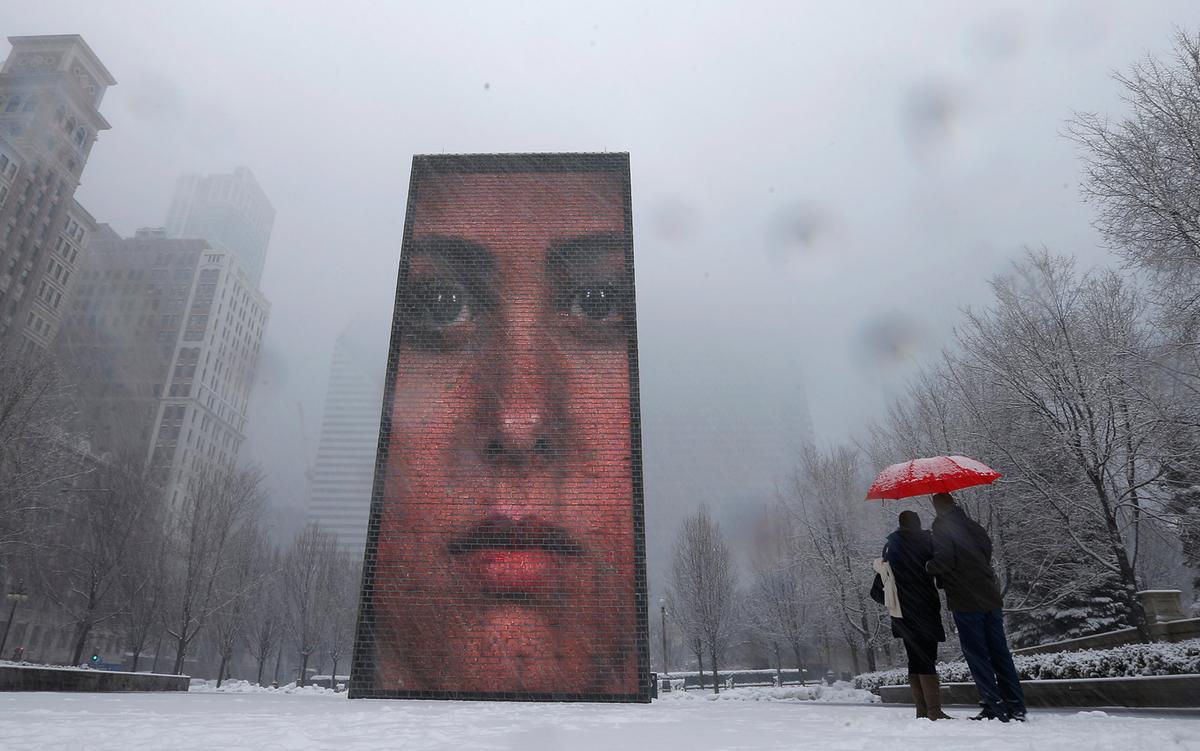
Masculist pushback: the threatened extinction of the great, white Judeo-Christian male
A political ideology rooted in fear is remaking the world in its own image and dragging us with it

Footnotes by Jemar Tisby | Substack
Truth-telling at the intersection of faith, history, and justice Focus on white Christian nationalism + the Black Christian tradition. Click to read Footnotes by Jemar Tisby, by Jemar Tisby, PhD, a Substack publication with tens of thousands of subscribers.
CFP: Religion, Politics, and Cognitive Warfare | The Journal for Cultural and Religious Theory | JCRT
This call for papers invites work on religion, politics, and cognitive warfare, exploring how belief, media, conspiracy, identity, and power shape struggles over reality, interpretation, and life in an age of disinformat

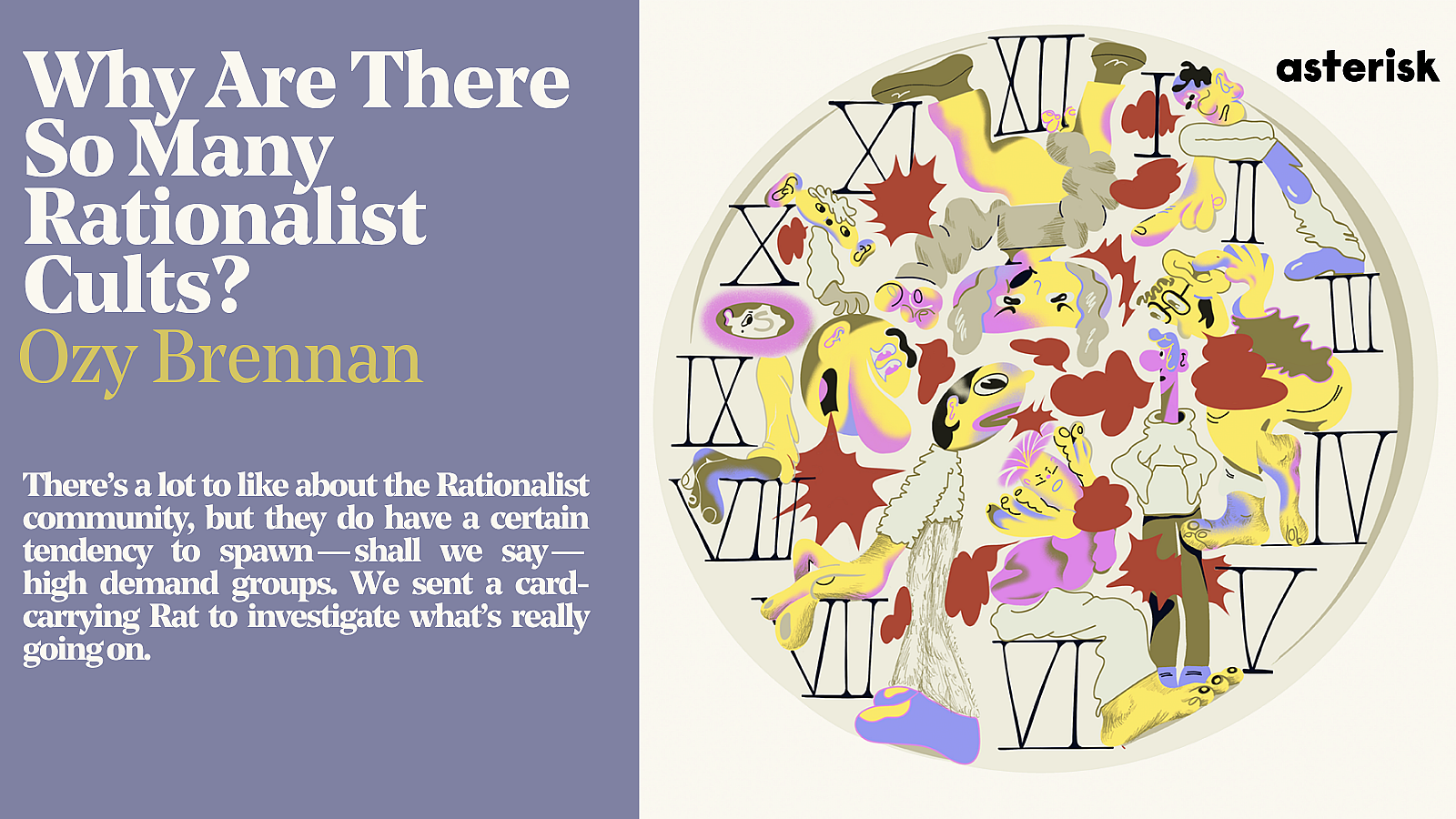
Why Are There So Many Rationalist Cults?
There’s a lot to like about the Rationalist community, but they do have a certain tendency to spawn — shall we say — high demand groups. We sent a card-carrying Rat to investigate what’s really going on.
Why some young Black Christians are practicing hoodoo
The ancestral religious practices of the African diaspora were forced underground by the White...

CFP: Religion, Politics, and Cognitive Warfare: Information, Interpretation, Conspiracy, and the Struggle for Reality
The Journal for Cultural and Religious Theory (JCRT) invites proposals for an online conference entitled Religion, Politics, and Cognitive Warfare: Information, Interpretation, Conspiracy, and the Struggle for Reality. The proceedings will be considered for publication in a special issue of the JCRT. This conference investigates how beliefs, paranoia, and conspiratorial modes of knowing shape a contemporary cognitive battlespace in which actors struggle to define truth, authority, and reality itself. Drawing on Michel Foucault's Lectures on the Will to Know and Julia Kristeva's This Incredible Need to Believe (2024), we focus on practices of selective fact use and "truth-selecting" that construct alternative epistemic orders while claiming privileged access to what is "really" going on. Rather than treating conspiracy thinking as merely political or psychological, the conference foregrounds its religious dimensions: faith in hidden powers, moral dualism, apocalyptic expectation, and hermeneutical struggle over revelatory access to the real. Conspiracy cultures routinely reproduce theological structures of knowing—visions of salvation and corruption, truth and deception, initiation and blindness. At the same time, new forms of "cognitive warfare" reframe these religious energies within state and platform attempts to govern perception, attention, and trust. Artificial intelligence, algorithmic media, and strategic information campaigns do not only deliver messages; they create digital ecologies in which suspicion becomes faith-like and revelation is continual. The conference organizers are seeking proposals of high academic quality that take a reflective and analytical approach to both general and specific topics with international appeal or focus. We encourage contributions from scholars of religious studies, philosophy, communication, sociology, security studies, psychology, media, and related fields. Submissions should engage religion as a dynamic force—conceptually, historically, or materially—within the cognitive battlespaces of our time. We encourage contributions from a spectrum of perspectives, approaches, and methodologies. We are not interested in papers that simply rehearse or promote particular conspiracies, or that use the conference as a platform for calling out disliked groups. We are not interested in polemics, jeremiad, or de facto advocacy pieces. Instead, we welcome theoretically informed and methodologically rigorous work that takes the religious and epistemic dimensions of cognitive conflict seriously as objects of critical inquiry.
Excuse me but this is cult behavior. And as a scientist, I have no business joining a cult. These personalized insults and intolerance for criticism are not scholarly virtues however you cut it. I do not understand or relate to it. What is my worth as a scholar if I do not value evidence over faith?
Why Between The Hashmarks Left Substack Behind

Former Substack creators say they’re earning more on new platforms that offer larger shares of subscription revenue

Destacked: Why I Avoid Substack As Much as Possible - Jacky Alciné
Substack Doesn't Want You to Leave - Aaron Ross Powell

The Real Reason that Substack is Collapsing

Has Substack’s subscription model really “maxed out?”